Moss spores mounted outside the ISS survived a nine-month exposure to space, with about 80% remaining viable and able to reproduce. The study, published in iScience, surprised researchers who expected little to no survival under vacuum, radiation and temperature extremes. These results could influence development of plant-based life-support systems for the Moon, Mars and other long-term space habitats.
Moss Survives Nine Months in Space: 80% of Spores Remain Viable After Exposure Outside the ISS

Moss spores exposed on the exterior of the International Space Station (ISS) survived prolonged exposure to the vacuum and radiation of outer space, with roughly 80% remaining viable after nine months, researchers report.
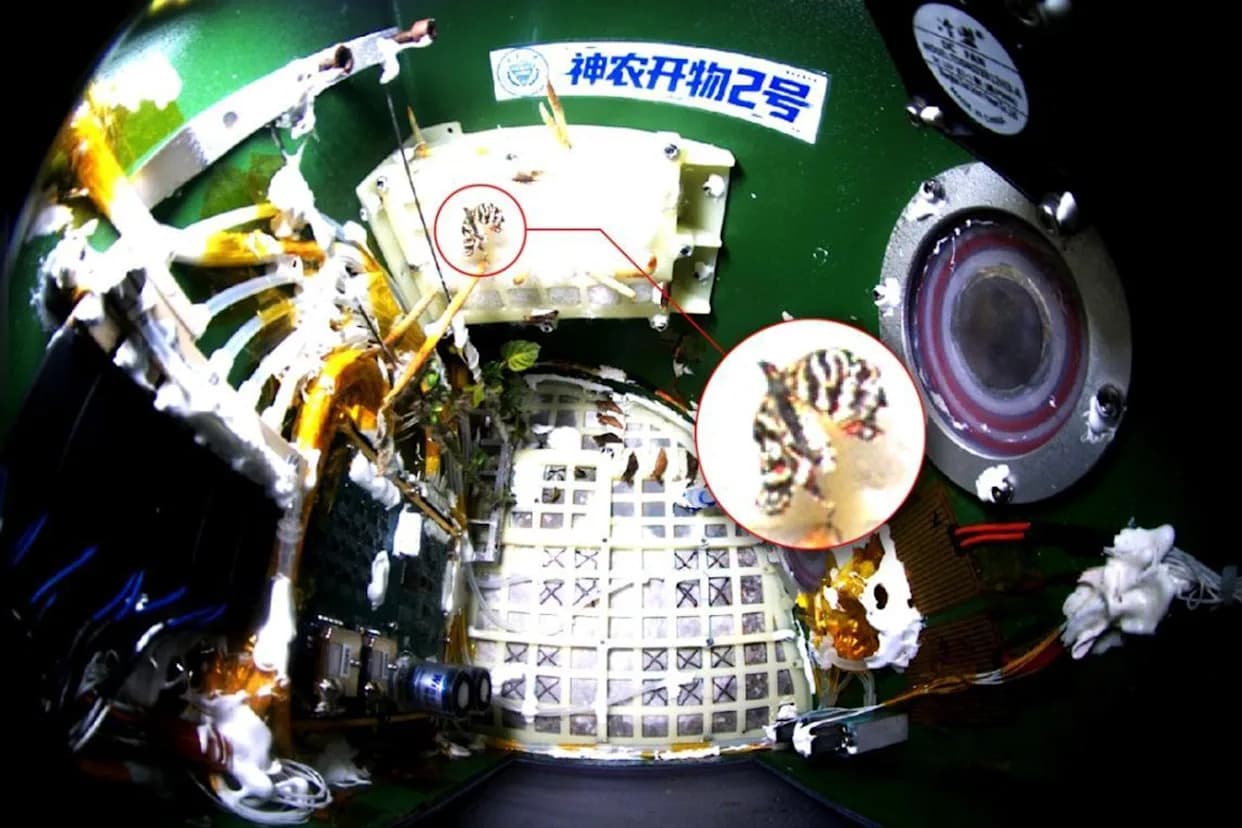
The experiment placed moss samples outside the ISS between March 2022 and January 2023 to test how well these hardy plants tolerate extreme space conditions. After the samples were returned to Earth and analyzed, scientists found that most spores not only survived but retained the ability to germinate and reproduce.
“We expected almost zero survival, but the result was the opposite — most of the spores survived,” said lead author Tomomichi Fujita of Hokkaido University. “We were genuinely astonished by the extraordinary durability of these tiny plant cells.”
The study, published in the journal iScience, was motivated by moss's known resilience on Earth — from desert heat to alpine cold. Researchers had anticipated that space-specific stresses such as vacuum, cosmic radiation, extreme temperature swings and microgravity would damage or kill the cells. The unexpectedly high survival rate challenges those assumptions.
Why it matters
This finding has practical and scientific implications. Practically, the durability of moss spores could inform strategies for creating plant-based life-support systems and sustainable ecosystems on the Moon, Mars or other long-duration habitats. Scientifically, the result prompts further study into the biological mechanisms behind moss' tolerance to radiation, dehydration and temperature extremes, which could reveal protective adaptations useful for other organisms or biotechnologies.
Next steps
Researchers plan follow-up experiments to identify which cellular features enabled survival and whether whole plants — not just spores — can withstand similar exposures. Long-term research will also measure genetic or physiological changes caused by space exposure to assess any lasting effects on growth, reproduction and ecosystem functions.
Bottom line: Moss spores demonstrated surprising resilience in orbit, surviving nine months outside the ISS and retaining reproductive capacity, a result that could shape future research and applications in space agriculture and life-support design.
Help us improve.