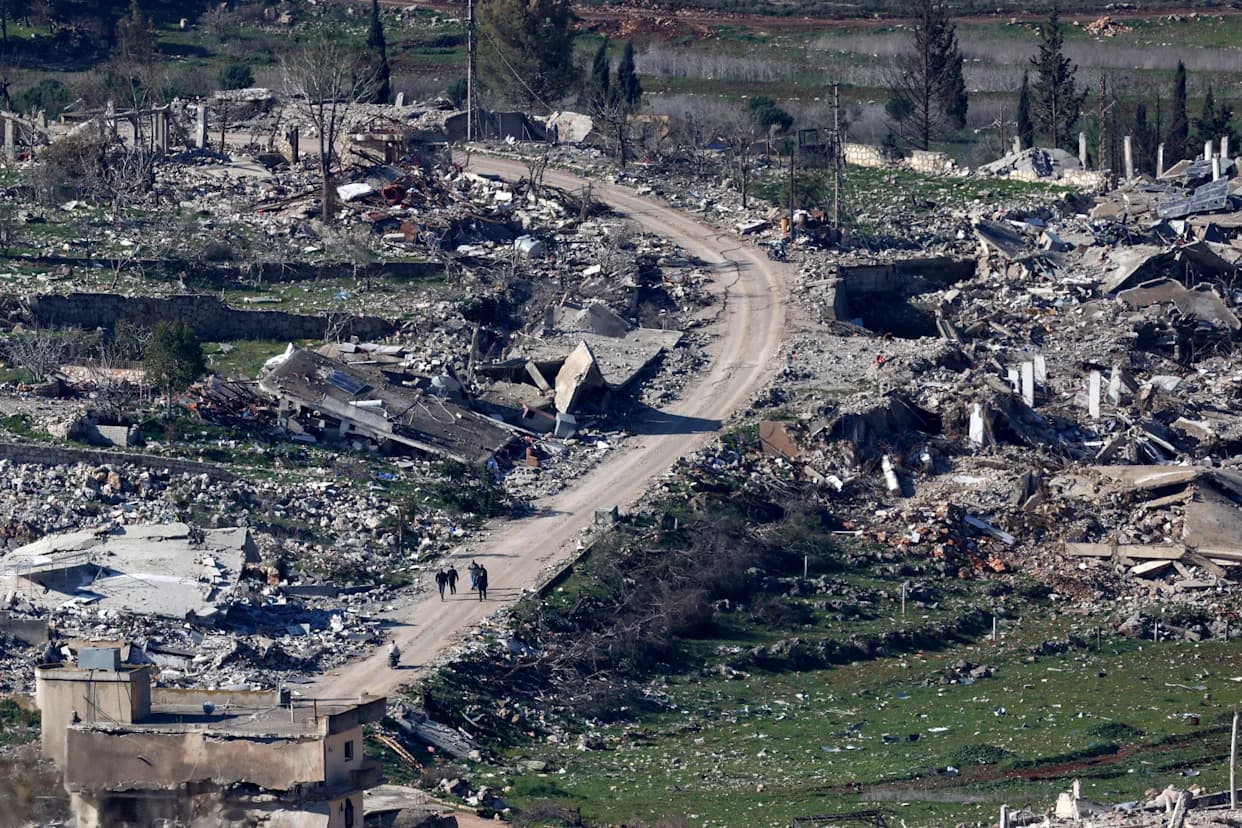
Hezbollah is rebuilding military capabilities along Israel’s northern border, prompting renewed concern that cross-border hostilities could resume despite last year’s ceasefire. Israeli officials allege violations near Beit Lif and report near-daily strikes on Hezbollah targets inside Lebanon. Analysts highlight continued Iranian financial and material support, growing domestic pressures in Lebanon, and differing estimates of Hezbollah’s manpower and arsenal—factors that complicate prospects for disarmament and raise the risk of escalation.
Hezbollah Rebuilding Arms on Israel’s Northern Border Raises Risk of Renewed Fighting

The Iran-backed Lebanese movement Hezbollah is rebuilding military capabilities along Israel’s northern border, prompting concerns from analysts and officials that a new round of cross-border violence could be imminent despite a U.S.-brokered ceasefire last year.
Allegations of Ceasefire Violations
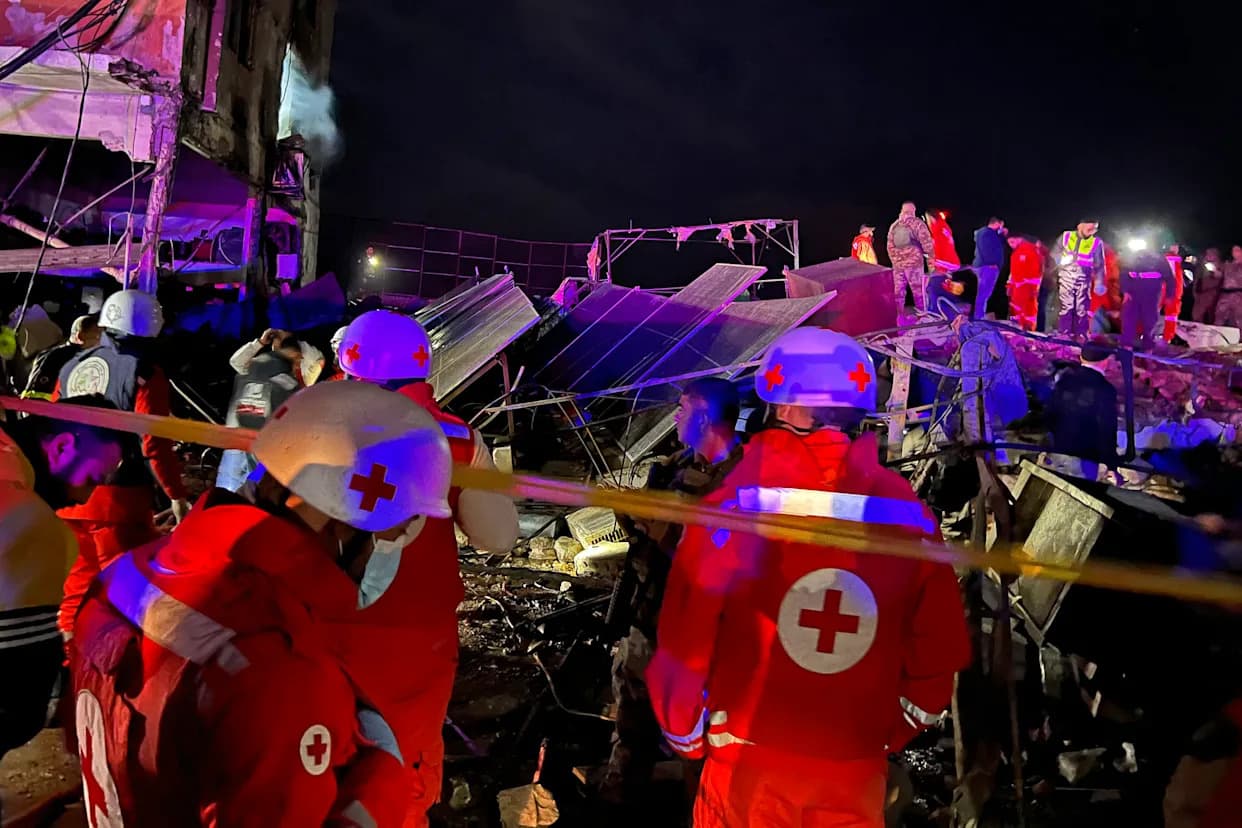
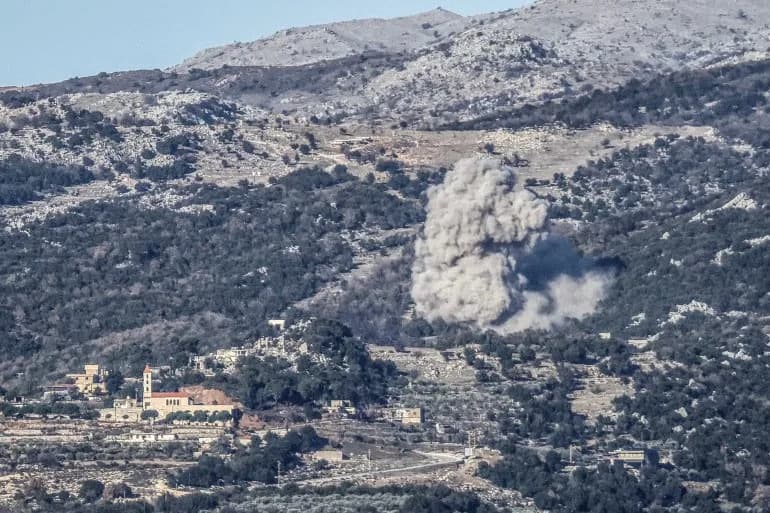
IDF spokesman Nadav Shoshani said this week that Hezbollah committed "a blatant violation of the ceasefire agreement" and released video footage the Israeli military says shows the group reestablishing positions near the village of Beit Lif. Israeli officials report near-daily strikes targeting Hezbollah infrastructure and operatives inside Lebanon in response to what they describe as continued rebuilding.
International and Lebanese Responses
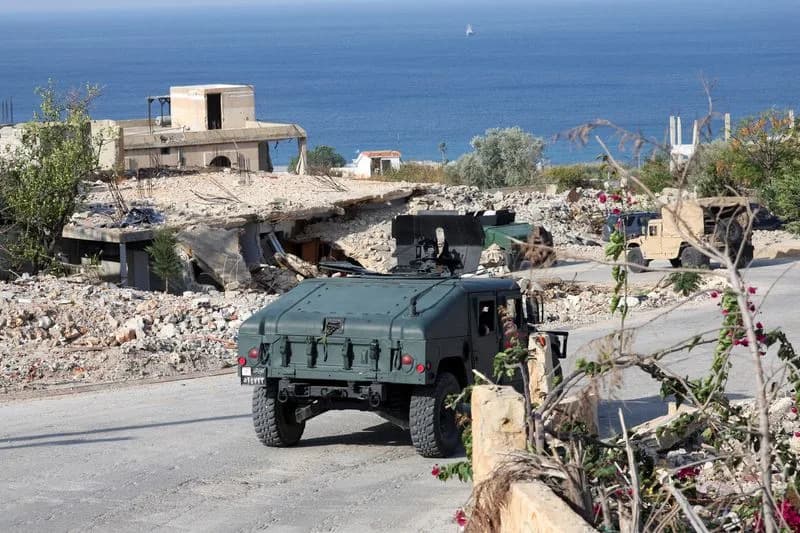
Critics argue that the U.N. peacekeeping force UNIFIL has not fully enforced its disarmament mandate and that the Lebanese Armed Forces have been slow to act. These gaps, Israeli officials say, have contributed to continued cross-border strikes aimed at preventing Hezbollah from reconstituting long-range and precision-strike capabilities.
Iranian Support and Arms Transfers
U.S. and Israeli officials assert Iran continues to back Hezbollah. A U.S. Treasury official has alleged that Iran smuggled roughly $1 billion to the group this year despite sanctions. Analysts point to evidence of arms transfers via Syria and attempts to move weapons through civilian air traffic, as well as local production of rockets inside Lebanon.
Expert Assessments
Sarit Zehavi, a senior analyst at the Alma Research and Education Center, said Hezbollah is actively rebuilding but currently lacks the capability for a large-scale ground invasion similar to what some analysts say the group possessed before Oct. 7, 2023. "They can send in a few terrorists," she said, and estimated that full restoration of major invasion capabilities could take years.
Lebanese-born Israeli scholar Edy Cohen said arms are available across Lebanon and that Iran and Syria have been involved in resupply efforts. He warned that domestic pressure within Lebanon’s Shiite community for Hezbollah to retaliate increases the risk of escalation.
Operations and Capabilities
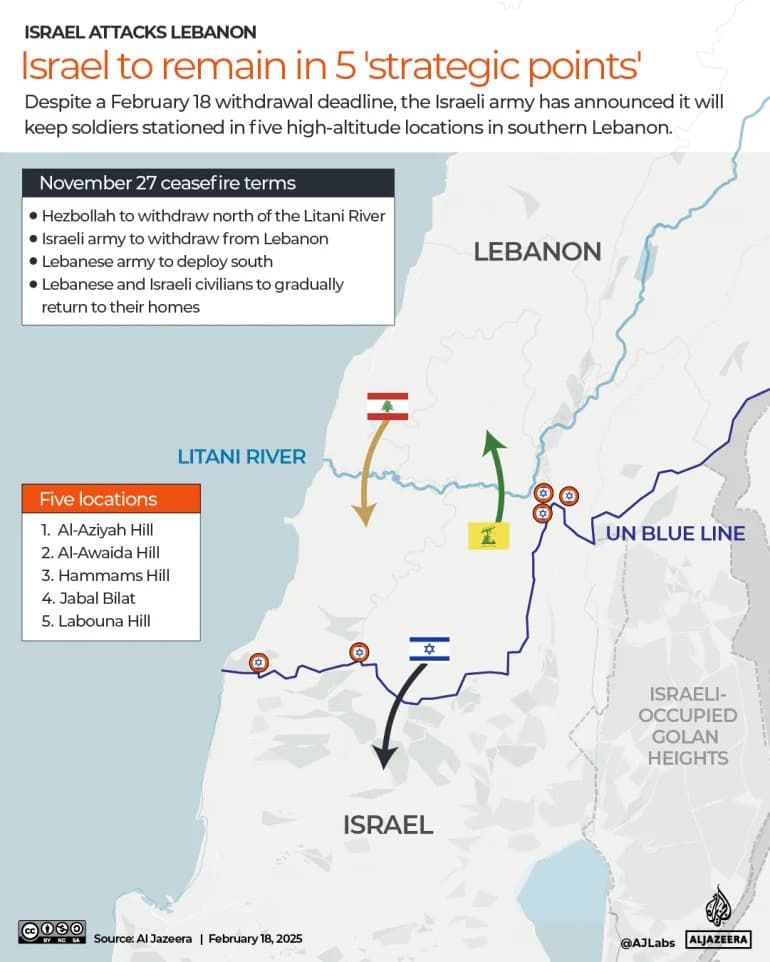
Analysts report that much of Israel’s military activity has focused south of the Litani River, where strikes have targeted Hezbollah investments in drones, short-range rockets, mortars and anti-tank missiles. Zehavi estimated that Israeli operations have degraded roughly 80% of Hezbollah’s rocket stockpile and have eliminated significant numbers of longer-range, higher-precision missiles, though independent verification of specific percentages is limited.
Estimates of Hezbollah’s manpower vary. Zehavi suggested a figure of roughly 50,000 fighters plus 50,000 reservists, while other sources cite about 40,000 fighters and between 15,000 and 20,000 rockets and missiles. Israeli operations have reportedly killed several thousand militants since the wider regional conflict intensified.
Legal and Covert Developments
European authorities this week opened a trial in Germany of an alleged Hezbollah operative accused of running an extensive drone program in Spain and Germany. Separately, Israeli intelligence operations have targeted senior Hezbollah commanders, which analysts say has disrupted leadership but not eliminated the group’s ability to recover.
Political Context and Outlook
Observers point to Lebanon’s weakened state institutions as a complicating factor. Former U.S. envoy Thomas Barrack described Lebanon’s government as paralyzed, noting stark disparities in pay and resources between Hezbollah fighters and Lebanese Armed Forces personnel. Those imbalances, along with Hezbollah’s stated refusal to disarm, contribute to a persistent risk of renewed large-scale confrontation.
Outlook: With continued external support and concerted rearmament efforts, analysts say Hezbollah remains a significant regional actor. Israeli authorities stress ongoing surveillance and precision strikes to prevent a restoration of the group’s most dangerous long-range strike capabilities, but the situation remains volatile and could deteriorate into wider conflict if deterrence fails.
Help us improve.