Recent shootings in which people mistakenly went to the wrong house have reignited debate over "stand‑your‑ground" and self‑defense laws in the United States. Several high‑profile cases—from a house cleaner killed in Indiana to the Trayvon Martin case—demonstrate how similar facts can produce very different legal outcomes. The incidents raise urgent questions about when fear justifies deadly force and how the law balances homeowner safety with the protection of innocent visitors.
Wrong‑Address Shootings Test the Limits of 'Stand Your Ground' Laws

The fatal shooting of a house cleaner in Whitestown, Indiana—who authorities say mistakenly went to the wrong address—has renewed debate over when homeowners may lawfully use deadly force under "stand your ground" and self‑defense doctrines.
As more states adopt or expand these laws and public concern about crime remains high in many communities, several recent cases show how similar facts can produce very different legal outcomes. The incidents below have prompted legal scrutiny and public discussion about fear, race, and the boundaries of lawful self‑defense.
House cleaner shot in Indianapolis suburb
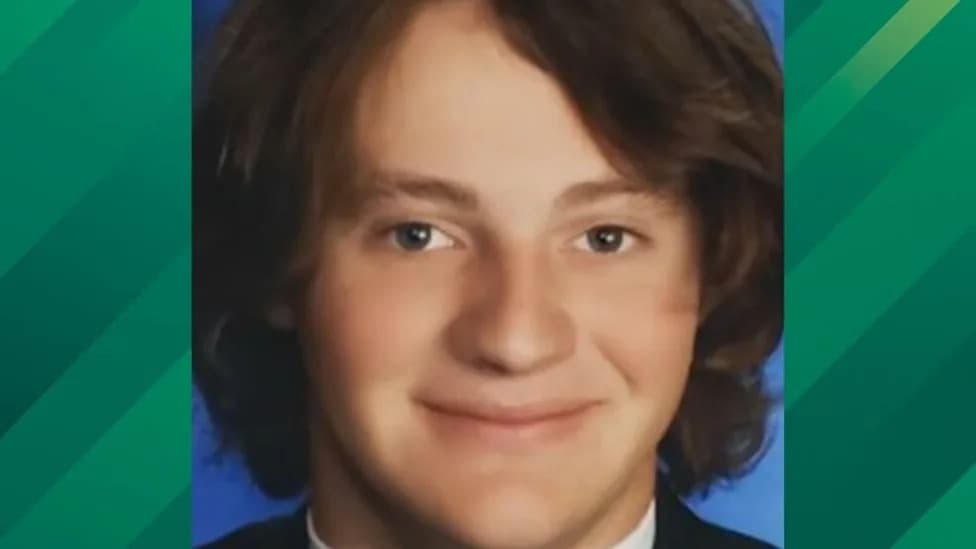
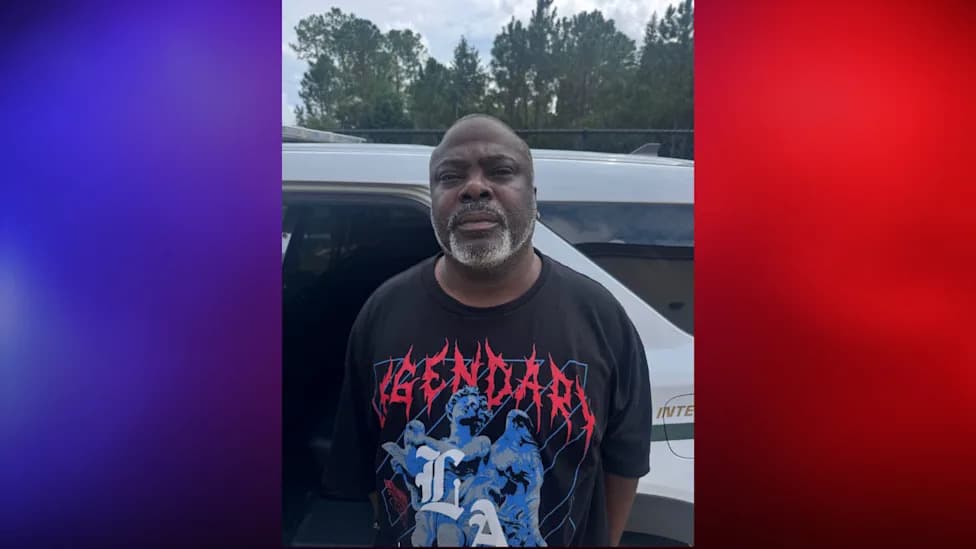
On Nov. 5, a Whitestown, Indiana, homeowner fired a shot through his front door after hearing someone trying to unlock it, killing Maria Florinda Rios Perez De Velasquez, a house cleaner who had gone to the wrong address, according to court records. Curt Andersen was charged with voluntary manslaughter; his defense argues he believed his actions were lawful under self‑defense rules. The case could clarify how far "stand your ground" protections extend.
College student killed near campus
In 2023, 20‑year‑old Nicholas Anthony Donofrio, a University of South Carolina student, was shot and killed after being mistaken for a burglar while attempting to enter the wrong home on the street where he lived. Authorities declined to charge the homeowner after concluding Donofrio had banged on the front door, broken a window and tried to open the handle.
Honor student wounded after ringing wrong doorbell
Also in 2023, Ralph Yarl, a Black honor student in Kansas City, Missouri, went to the wrong house while trying to pick up his twin siblings. The homeowner, 86‑year‑old Andrew Lester, shot Yarl in the head and arm; Yarl survived. Lester’s attorney said he was frightened by an unexpected visitor. Nearly two years later, Lester pleaded guilty to second‑degree assault and died days after entering that plea.
Woman dies after friends pull into wrong driveway
In 2023 Kaylin Gillis, 20, was killed after friends mistakenly turned into a rural driveway in upstate New York and the homeowner fired a shotgun from his porch. In 2024 a jury convicted 66‑year‑old Kevin Monahan of second‑degree murder. Monahan told jurors he believed his home was under siege and said he intended only a warning shot.
Woman seeking help shot through screen door
In 2013 Renisha McBride, a Black woman seeking help after a car crash in a Detroit suburb, knocked on doors and was shot through a screen door by a homeowner. Ted Wafer was convicted in the killing; he said he had been awakened by pounding and feared for his life.
Trayvon Martin case and national debate
Stand‑your‑ground laws drew intense national attention after the 2012 killing of Trayvon Martin, a Black 17‑year‑old in Florida. George Zimmerman, a neighborhood watch volunteer who said Martin looked suspicious, was tried and acquitted; the case intensified a nationwide conversation about race, self‑defense claims and where legal boundaries should lie.
What these cases show
These incidents illustrate how small factual differences—whether a visitor knocked, tried a door handle or broke glass—can lead to divergent legal outcomes, from charges to acquittals and convictions. They have prompted calls for clearer legal guidance, better public education about safe responses to perceived threats, and discussion of reforms to ensure both homeowner safety and protection for innocent visitors.
Help us improve.