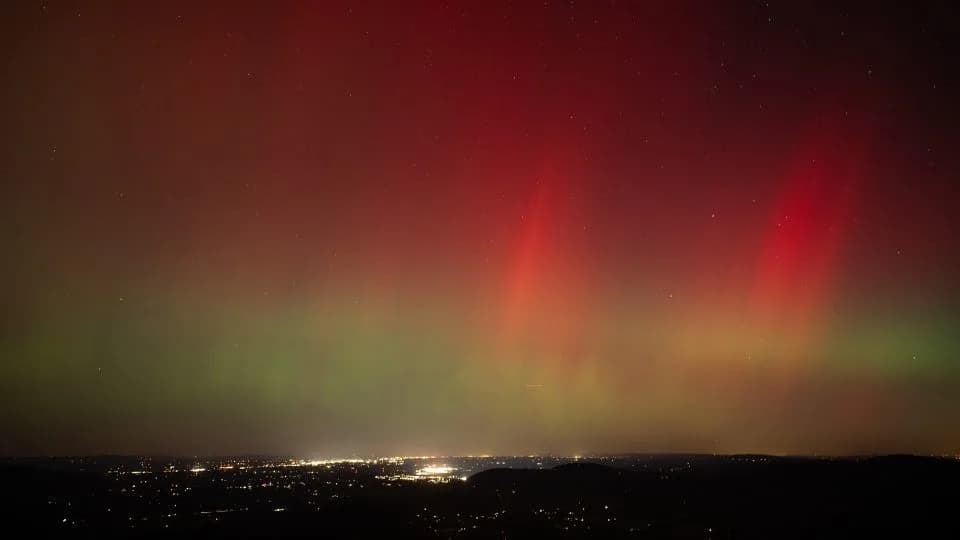
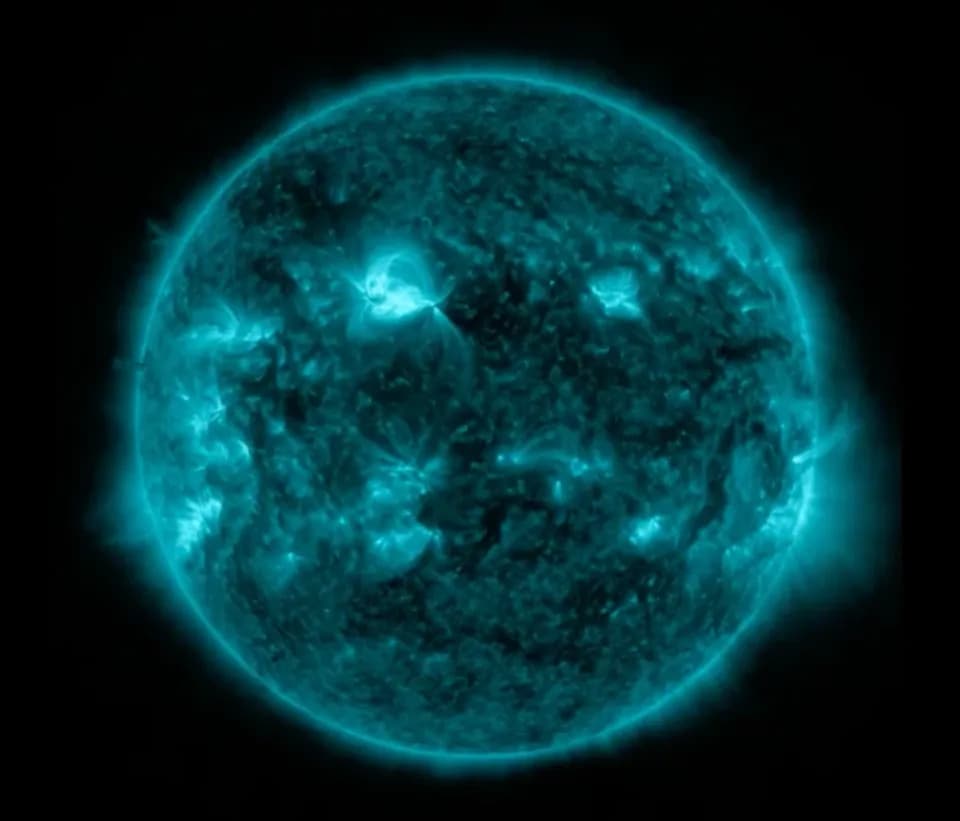
A faint, hard‑to‑detect coronal mass ejection struck Earth on Nov. 20 and was likely embedded in a high‑speed coronal hole stream. In situ data showed the interplanetary magnetic field spike from a typical 4–6 nT to about 18 nT at 9:20 a.m. EST (1420 GMT), while solar wind speeds rose to roughly 400–500 km/s. The combination of the stealth CME and fast wind likely allowed auroras to appear at mid latitudes. Stealth CMEs are difficult to spot in solar imagery, making them a forecasting challenge as the Sun moves toward solar minimum.
Undetected 'Stealth' Solar Storm Struck Earth on Nov. 20 — Faint CME May Have Sparked Mid‑Latitude Auroras

On Nov. 20, Earth was brushed by a faint, hard‑to‑detect coronal mass ejection (CME) that arrived with little warning and may have helped produce auroras seen at mid latitudes. The event did not develop into a major geomagnetic storm, but it highlights a class of eruptions known as stealth CMEs, which are difficult to spot before they reach Earth.
What happened
NOAA space weather forecasters reported that solar wind conditions on Nov. 20 were dominated by a negative‑polarity coronal hole high‑speed stream containing a possible embedded transient, consistent with a stealth CME riding inside the faster wind. In situ measurements showed the interplanetary magnetic field near Earth normally around 4–6 nanoteslas briefly rise to about 18 nanoteslas at 9:20 a.m. EST (1420 GMT). Solar wind speeds at the time were elevated in the 400–500 km/s range, above typical background values.
Why it was stealthy
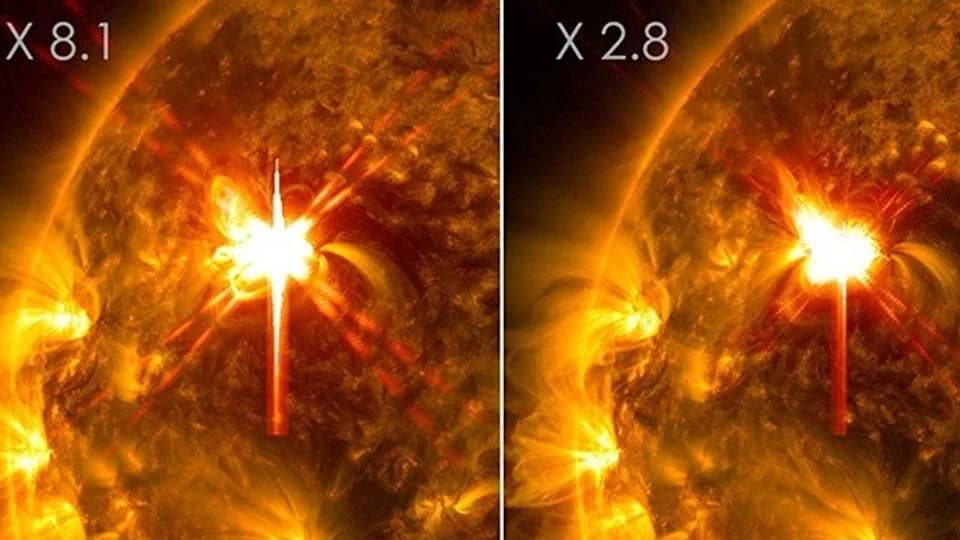
Typical CMEs are accompanied by bright flares, sudden changes in extreme ultraviolet emission, or large loops lifting off the solar surface, and they appear clearly in coronagraph imagery. Stealth CMEs lack these on‑disk signatures and coronagraph visibility. They are usually faint, slow, and hard to track, so forecasters often only realize they occurred once spacecraft or ground magnetometers record their effects.
Tamitha Skov, a space weather physicist, noted on X that stealth storms are invisible in on‑disk and coronagraph imagery and are detected only when they arrive at Earth. She cautioned that while this event was expected to produce only minor storming at high latitudes, stealth CMEs interacting with high‑speed streams can sometimes drive stronger geomagnetic activity.
Observed effects
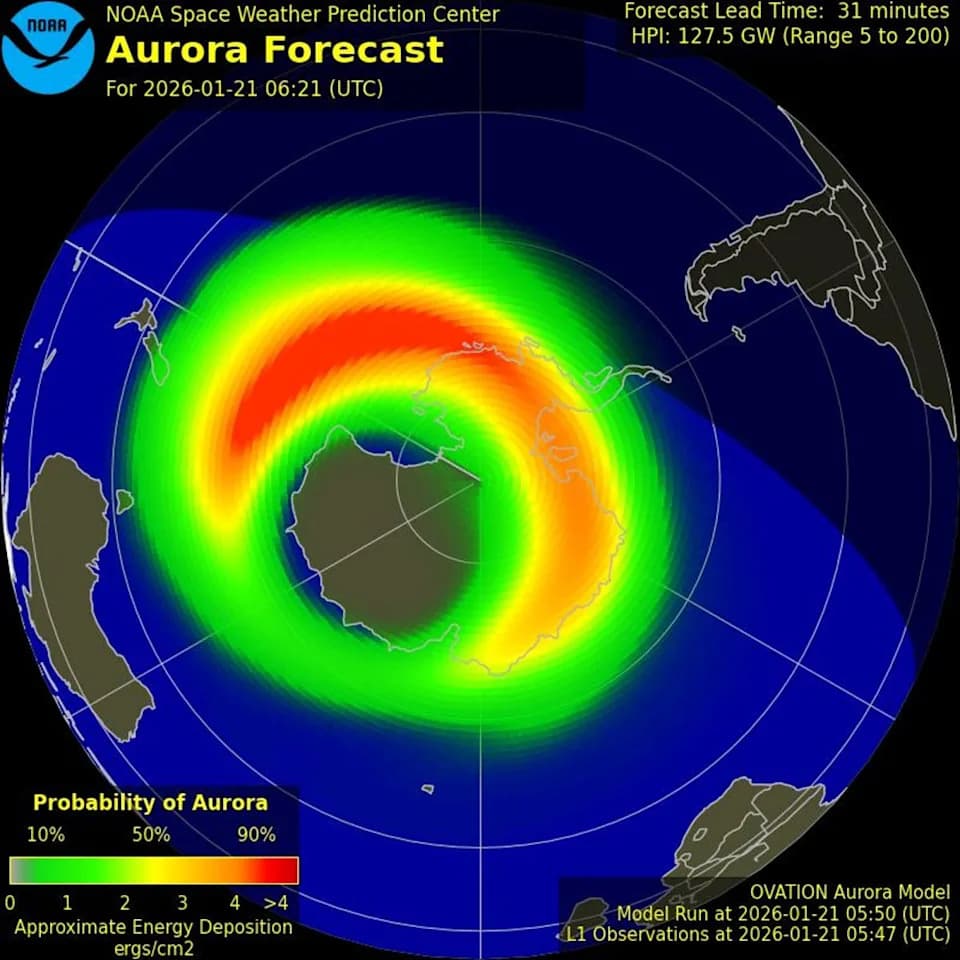
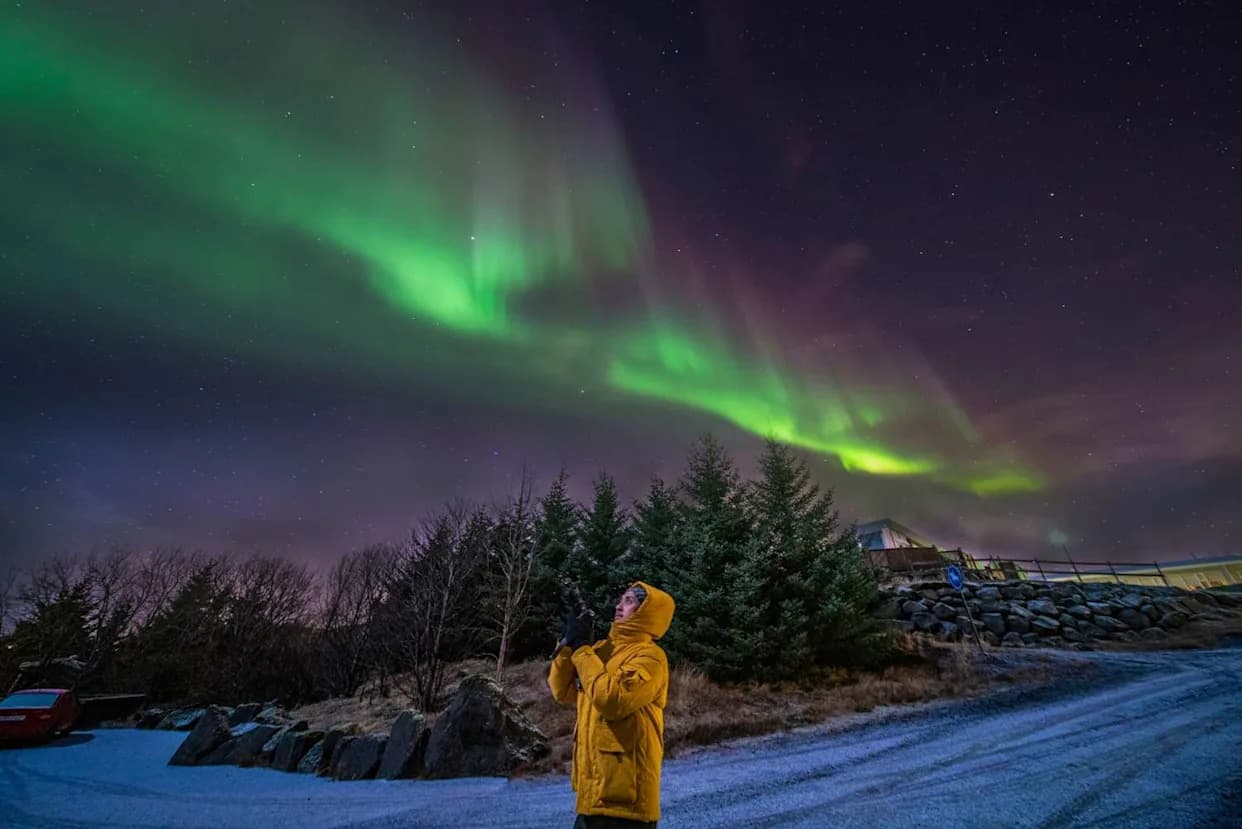
Observers reported auroras from locations farther south than usual, including Maine in the United States and parts of Denmark. Scientists say the combination of the stealth CME and the fast wind from a coronal hole likely nudged geomagnetic activity upward enough to let auroral displays extend beyond their typical high‑latitude ranges.
Forecasting challenge and context
Stealth CMEs present a persistent challenge for space weather forecasting. A 2021 study found that such eruptions can originate in quiet solar regions yet still carry strong magnetic signatures through interplanetary space. Because their solar signatures are extremely faint, reliably identifying them requires multiwavelength and multiangle observations.
These eruptions are more common during the declining phase of the Sun's approximately 11‑year activity cycle, when simpler, weaker magnetic structures become prevalent. The Nov. 20 event underscores the need for continued monitoring and improved observational coverage to detect subtle solar eruptions before they reach Earth.
Help us improve.