The Little Village food vendors Ofelia Herrera and Rafael Hernandez continue serving their community despite an intensified Border Patrol presence and enforcement campaign that began in early September. Their sales have dropped about 75% and many immigrants now avoid public places for fear of arrest. The couple — who paid smugglers years ago, have U.S.-born children and hold municipal vendor certificates — say work helps them stave off depression and support their family while enforcement tactics create widespread fear.
Amid Immigration Raids, Chicago Street-Vendor Couple Keeps Serving — and Struggles

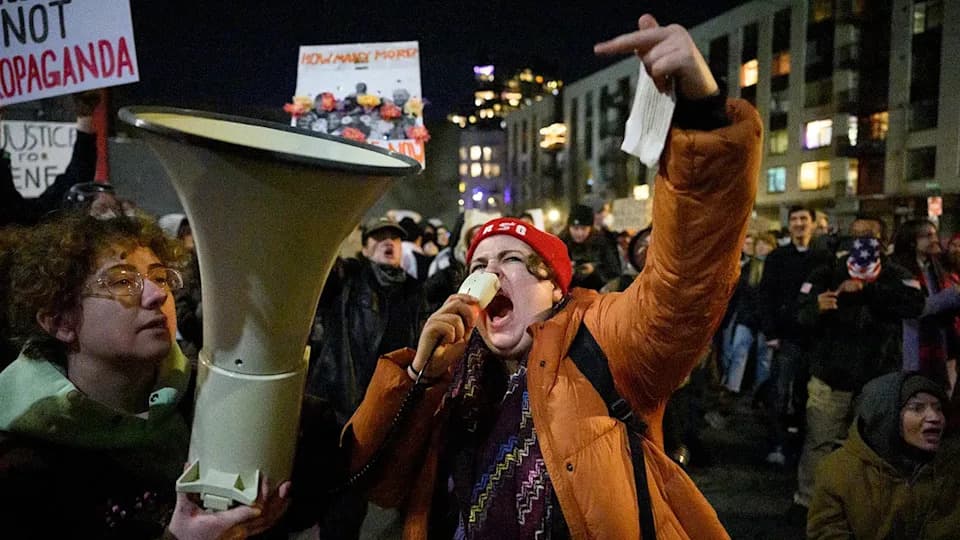
A heavy Border Patrol presence and clashes with demonstrators did not deter Ofelia Herrera and her husband, Rafael Hernandez, from opening their Little Village food stand one recent Saturday morning. Once agents moved a few blocks away, the couple resumed selling Mexican-style corn on the cob and aguas frescas — the routine they have kept for 18 years.
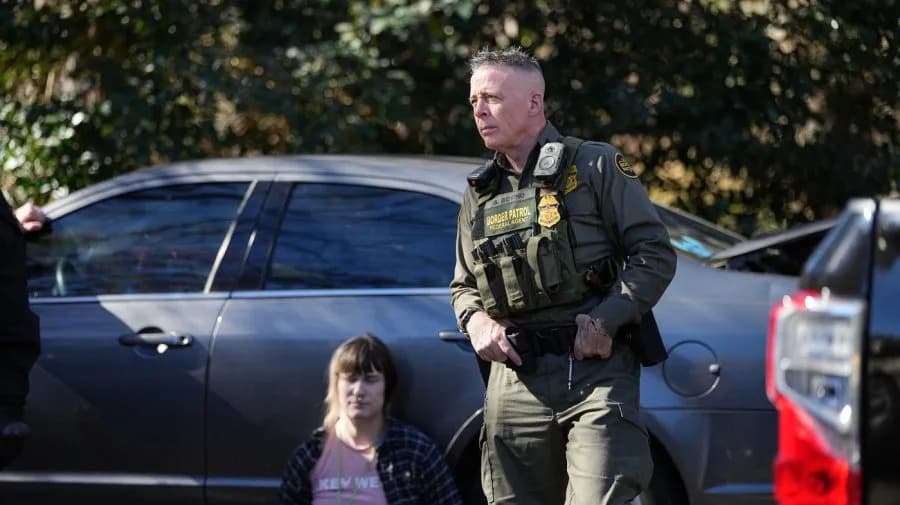
Sirens cut through a chaotic morning as police assisted Border Patrol and tensions flared nearby. Still, Herrera, 47, and Hernandez, 44, say they refuse to let fear stop them from working, even as many undocumented neighbors stay home and some U.S. citizens of Latino heritage avoid public places.
Business and community under strain
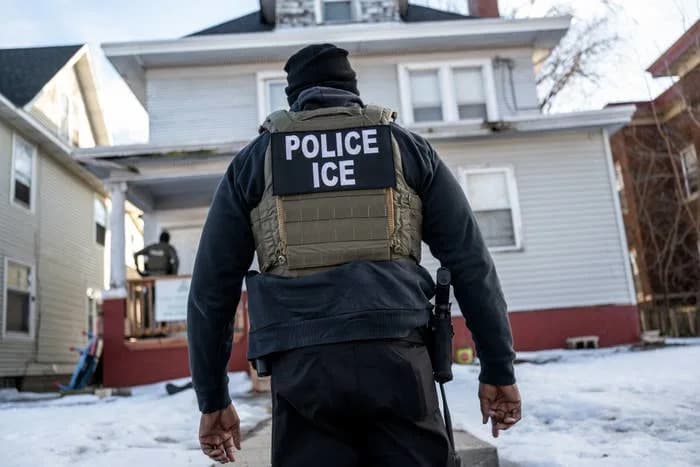
The couple estimate their sales have fallen about 75% since the administration began what it called 'Operation Midway Blitz' on Sept. 8. Phones constantly buzz with alerts about where immigration officers are making arrests, and a grassroots effort has sprung up to buy out street vendors' inventories so they can close early and reduce exposure.
Little Village remains vibrant — a two-lane commercial strip of family restaurants, clothing shops, vendors selling fruit and pottery, and ranchera music drifting from cars and storefronts — but fear has reshaped daily life. Signs in Spanish and English warn immigration authorities to stay away unless they have a court warrant.
Lives behind the stand
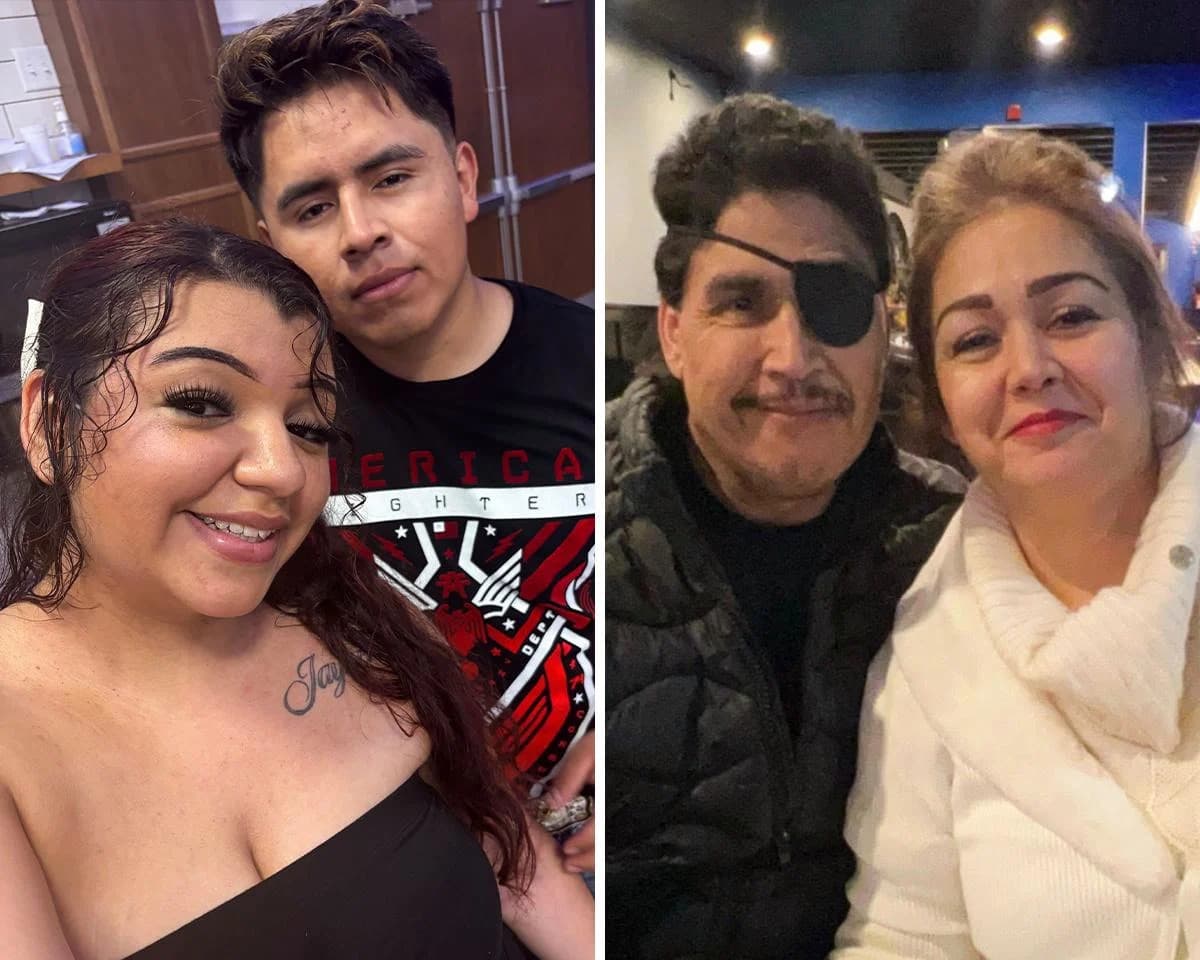
Herrera crossed the border in 2004 and Hernandez in 2005; both paid smugglers for treks through the Arizona desert. They met working in a Little Village restaurant and now have two U.S.-born children: a 10-year-old son, who speaks little Spanish, and a 16-year-old daughter who worries about prolonged detention of her parents.
The couple took a City Hall class to earn a municipal vendor certificate and bought a fixer-upper house in 2017 for $39,000. On weekdays they operate a yellow food truck from their Englewood driveway; on weekends they work long shifts in Little Village. They say they have paid taxes and stayed out of trouble but lack the funds and a clear legal pathway to obtain permanent status.
'The only thing you can do is have faith in God and not be afraid,' Herrera said. 'Fear gives way to depression and other things.' Hernandez added, 'We know people who have fallen into depression. They don't leave the house. It's very sad.'
Enforcement and consequences
Herrera and Hernandez described seeing heavily armed agents ask vendors for immigration papers and recounted the use of tear gas on demonstrators at a shopping-center parking lot. They say enforcement appears indiscriminate; federal data show that more than 70% of people in ICE custody during the 12 months through September had not been convicted of a crime in the United States.
Border Patrol official Gregory Bovino, who led enforcement blitzes in Los Angeles and Chicago and later in Charlotte, has said anyone in the country illegally is subject to arrest, while officials also say they prioritize criminals. That tension between stated priorities and community impact is at the center of residents' anger and fear.
Despite the risks, the couple say working helps them avoid depression and keeps their family afloat. They have returned to Mexico only once in more than 20 years and say they would take their U.S.-born children with them if detained and forced to leave. 'People are frightened because they have lives here, they have kids here, including us,' Herrera said. 'We don't want to go to Mexico but, if we have to, we will. What else is there to do?'
Help us improve.