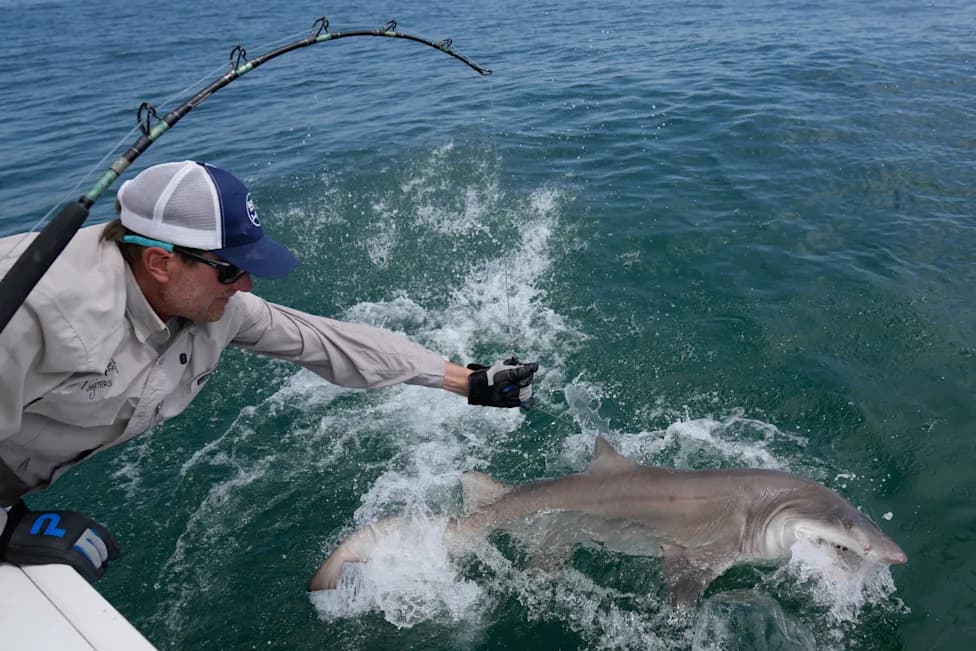
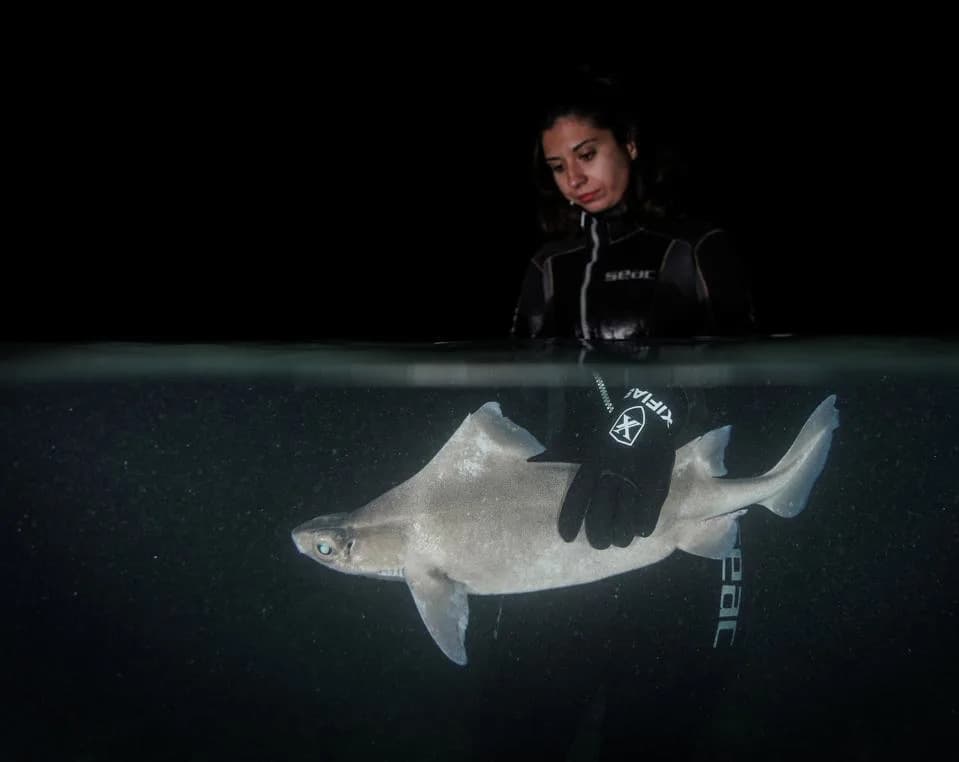
Researchers analyzing more than 60 years of Queensland shark-control records report declines in the number, average size and species diversity of apex sharks, including tiger sharks, great whites and whalers. Published in Communications Biology, the study links these trends to cumulative pressures such as fishing (including bycatch), warming oceans, habitat loss and plastic pollution. Scientists warn these losses could cascade through coastal food webs, affecting fisheries and coastal livelihoods, and recommend sustainable seafood choices, reduced plastics, stronger fisheries protections and support for conservation.
Apex Sharks Are Getting Smaller and Less Diverse — Study Warns of Risks to Coastal Ecosystems

A new analysis of more than 60 years of monitoring data from Queensland's Shark Control Program reveals sustained declines in the abundance, average size and species diversity of apex sharks. Published in Communications Biology, the study highlights worrying trends among tiger sharks, great white sharks and various whaler species that could ripple through coastal food webs.
Researchers at the University of the Sunshine Coast reviewed long-term catch and observation records and found clear reductions in the number and size of large predators, alongside a loss of species diversity. These shifts reduce the presence of large sharks that perform critical ecological roles in coastal systems.
"What we've seen is a decline over time in the abundance and, more crucially, the diversity of targeted apex shark species," said lead author Dr. Chris Henderson.
As top predators, sharks help regulate prey populations and maintain balanced food webs. Dr. Henderson warns that the loss of larger and more diverse shark species "tells us that we are having a significant impact on our coastal ecosystems — across the whole food web."
Fewer apex sharks can trigger cascading ecological effects that alter fish community composition and abundance, with potential consequences for commercial and recreational fisheries and the coastal communities that depend on them. The study points to cumulative human pressures as likely drivers, including targeted fishing and bycatch, habitat degradation, rising ocean temperatures and plastic pollution.
The researchers also outline practical actions that can help reduce pressure on sharks and boost ocean resilience:
- Choose sustainably sourced seafood: Support fisheries certified by recognized standards (for example, the Marine Stewardship Council) to reduce pressure on vulnerable species.
- Cut single-use plastics: Reducing plastic waste lowers the risk of ingestion and entanglement for sharks and other marine life.
- Support conservation organizations: Donate, volunteer or back groups working to protect sharks and their habitats.
- Advocate for improved fisheries management: Push for policies that reduce bycatch, protect critical habitats and limit unsustainable removals of top predators.
- Spread awareness: Share accurate information about sharks’ ecological roles to shift perceptions and inform policy decisions.
Protecting apex sharks isn't only about preserving charismatic species — it's essential for maintaining the structure and function of coastal ecosystems that support fisheries, tourism and community livelihoods.
Help us improve.