President Trump defended allowing highly skilled foreign workers into the U.S. as necessary for major projects such as TSMC’s Arizona chip plant, acknowledging the stance will anger portions of his MAGA base. He said foreign experts can train American workers, conceding some political costs but noting increased support from business leaders. The remarks expose a deep GOP split between immigration hawks pushing to curb H‑1B visas and industry voices arguing the economy relies on skilled foreign labor. Lawmakers have proposed reforms, but consensus remains elusive.
Trump Defends High‑Skilled Visas, Acknowledges MAGA Backlash as GOP Divides Over H‑1B Policy
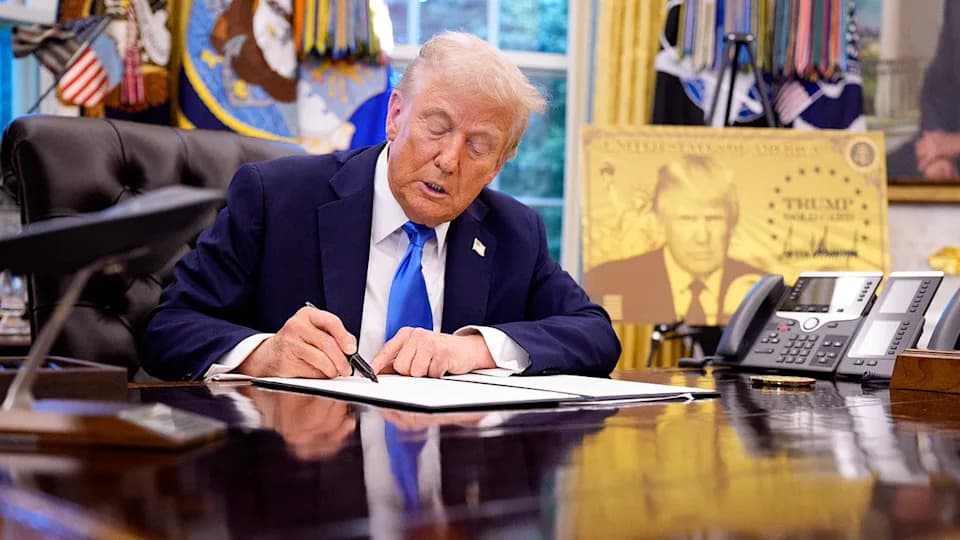
President Donald Trump on Wednesday publicly defended visas for highly skilled foreign workers, acknowledging that the stance would rile some in his MAGA base even as it wins favor with business and tech leaders.
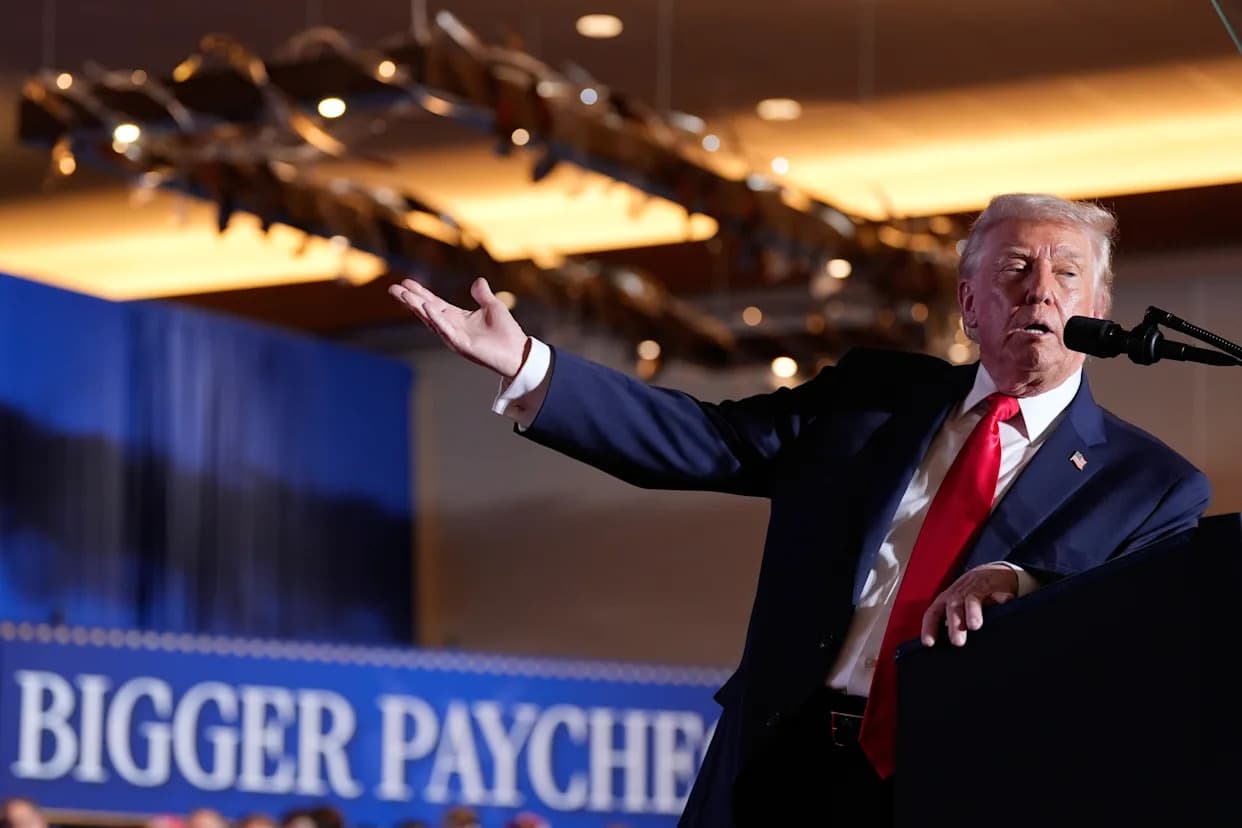
Speaking at the U.S.-Saudi Investment Forum at the Kennedy Center, Trump pointed to Taiwan Semiconductor Manufacturing Company’s multi-billion-dollar expansion in Arizona, saying the firm will need thousands of workers to open and operate the plant and to train American employees. “I love my conservative friends. I love MAGA,” he said. “But this is MAGA, and those people are going to teach our people how to make computer chips, and in a short period of time, our people are going to be doing great.”
Balancing Economic Needs and Political Pressure
Trump conceded the political cost of his position: “I’m sorry. So my poll numbers just went down, but with smart people, they’ve gone way up.” His comments highlight a widening rift within the Republican Party between immigration hawks who want to sharply curb employment visas and industry proponents who argue the economy depends on both low- and high-skilled immigrant labor.
The administration has taken steps intended to reduce perceived abuses of the H‑1B system, including proposing a $100,000 fee for new H‑1B applicants and announcing probes into alleged program misuse. The White House also points to other measures it says prioritize American workers, such as restricting access to some federal workforce-development resources for unauthorized immigrants and revising the citizenship test.
Reactions from the Right and Industry
Hardline conservatives and several GOP lawmakers criticized the president’s remarks. “You’ve got things like H‑1Bs taking away jobs from Americans, that’s huge,” Rep. Marjorie Taylor Greene (R‑Ga.) said, reflecting concerns among voters about job displacement.
At the same time, business leaders and major tech companies—heavy users of the H‑1B program—have signaled strong support for allowing skilled foreign workers to enter the U.S. An administration official, speaking on background, said those companies are urging continued access to H‑1B talent to build out technology and manufacturing capacity.
Policy Proposals and Political Stakes
Some Republican senators and conservative groups have proposed reforms aimed at protecting American workers, including restructuring the H‑1B lottery and curbing the Optional Practical Training (OPT) program that allows recent foreign graduates to work temporarily in the U.S. Sen. Jim Banks (R‑Ind.) introduced legislation to change the lottery and eliminate OPT, and Sen. Josh Hawley (R‑Mo.) called the proposed $100,000 fee “a good idea.”
Immigration experts argue the debate is complex. Kevin Lynn, a fellow at a Washington policy group advocating for tech workers, said parts of the H‑1B system are functioning in ways that harm U.S. tech employees. Others warn that harsh restrictions could deter investment and slow efforts to reshape manufacturing supply chains.
Broader Context and Past Reversals
Trump’s willingness to allow foreign labor where he deems it necessary is not unprecedented. He previously faced blowback for promising a solution for farmers who rely on undocumented labor and reversed earlier threats to revoke many Chinese student visas, ultimately allowing hundreds of thousands of Chinese students to attend U.S. universities.
The debate over H‑1B visas is likely to continue, with potential legislation under discussion but uncertain prospects unless the White House, industry and conservative critics can find common ground ahead of next year’s elections.
Notable voices: Rep. Marjorie Taylor Greene, Sen. Josh Hawley, Sen. Jim Banks, Vice President J.D. Vance, Kevin Lynn, Mark Krikorian, and White House spokesperson Taylor Rogers.
Help us improve.