Federal officials say ICE "inadvertently" deported Britania Uriostegui Rios, a Mexican transgender woman, to Mexico despite an immigration judge's order that she not be returned because she was likely to face torture. Court filings say ICE will allow her to voluntarily re-enter at a port of entry, but it would place her back in custody while seeking removal to another country. Her attorneys have sued, seeking to prevent her re‑detention and to secure protections that reflect her history of severe trauma and the documented risk faced by transgender people in Mexico.
ICE Says It "Inadvertently" Deported Transgender Woman to Mexico Despite Judge's Finding of Torture Risk

Federal immigration officials acknowledge that Britania Uriostegui Rios, a Mexican transgender woman, was deported to Mexico this month "inadvertently" despite an immigration judge's order barring her removal to that country on the grounds that she was likely to face torture or violent persecution there.
According to court filings, federal attorneys told the court ICE will allow Uriostegui Rios to voluntarily re-enter the United States at a port of entry if she is able to reach one. Officials said that if she does return, she would be taken back into ICE custody while the government seeks to remove her to another country.
What happened
Uriostegui Rios was ordered removed in March after a conviction for assault with a deadly weapon in Las Vegas. At the same time, the immigration judge found there was a likelihood she would be tortured or killed if returned to Mexico and therefore blocked removal specifically to that country.
Despite the judge's finding, court filings say she was flown from a detention center in Louisiana to Texas on November 11 and then taken across the U.S.–Mexico border. Her attorneys say she was left without money, her routine medications or a working cell phone; she later borrowed a phone to call them. A Department of Justice attorney filed an email in court in which ICE acknowledged the error.
"ICE confirmed that your client was removed to Mexico inadvertently," the email stated. "ICE stands ready to remedy the inadvertent removal by allowing your client to voluntarily reenter the United States if your client wishes to do so."
Legal and human-rights concerns
Uriostegui Rios's lawyers have sued the government and are asking a court to bar authorities from re-detaining her if she is able to return to the United States. They argue the government cannot be trusted to follow court orders and seek an alternative to returning her to ICE custody.
Attorneys describe a history of severe trauma: Bridget Pranzatelli told the court that Uriostegui Rios "is a trans woman who has been through extreme trauma, including being sexually trafficked by cartels as young as 12 years old," and that those experiences have left her with significant mental-health needs. Another attorney, Talia Lepson, wrote that since her removal Uriostegui Rios has been sheltering with relatives in Mexico while concealing her gender identity out of fear of being expelled or harmed.
Human-rights and LGBTQ+ advocacy groups have documented high levels of violence against transgender people in Mexico. The Trans Murder Monitoring Project and other organizations report that trans people in Mexico face persistent and often lethal threats from multiple actors, including criminal groups and local authorities.
Case context
Court records show Uriostegui Rios first entered the United States in 2003 and has a criminal history that includes convictions for disorderly conduct, solicitation and driving under the influence. Immigration authorities earlier sought to remove her to several Central American countries — including Costa Rica, Honduras, Nicaragua and, later, El Salvador — but those efforts were unsuccessful or remain pending.
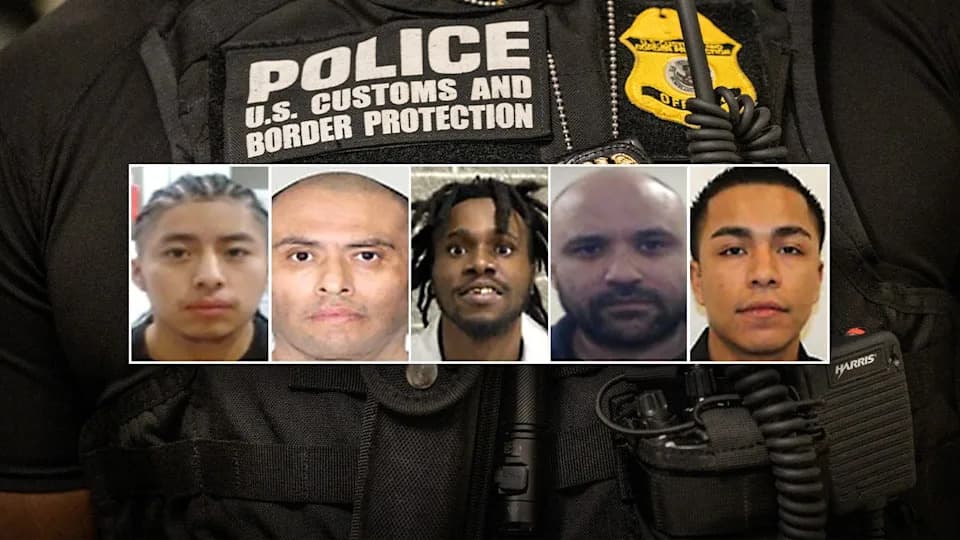
The incident is part of a string of cases this year in which people protected by court orders or special statuses were nevertheless removed; attorneys note it is at least the fifth such reported case. Advocates say the pattern raises serious questions about procedural safeguards and the government’s handling of vulnerable detainees.
Next steps: If Uriostegui Rios manages to reach a U.S. port of entry and chooses to return, she faces potential re-detention while the government pursues other removal options. Her legal team is pressing the court to prevent that outcome and to secure protections that account for her documented risk and trauma.
Help us improve.