Women in Jambiani, Zanzibar, have shifted from seaweed to sponge farming as warming seas, overfishing and pollution damaged local marine habitats. A Swiss NGO piloted sponge cultivation in 2009 and the practice has grown into cooperatives that provide steady income — single sponges can sell for up to $30 and farms may hold about 1,500. Sponges thrive in warmer water, help filter seawater and support reef recovery, offering both economic and environmental benefits while helping women build resilience.
Zanzibar Women Swap Seaweed for Sponge Farming as Oceans Warm — A New Climate-Resilient Livelihood

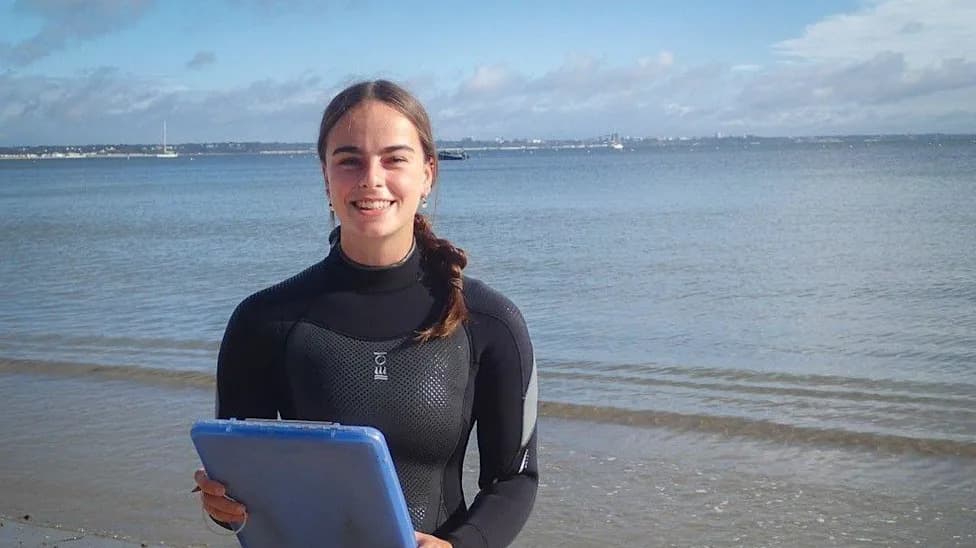
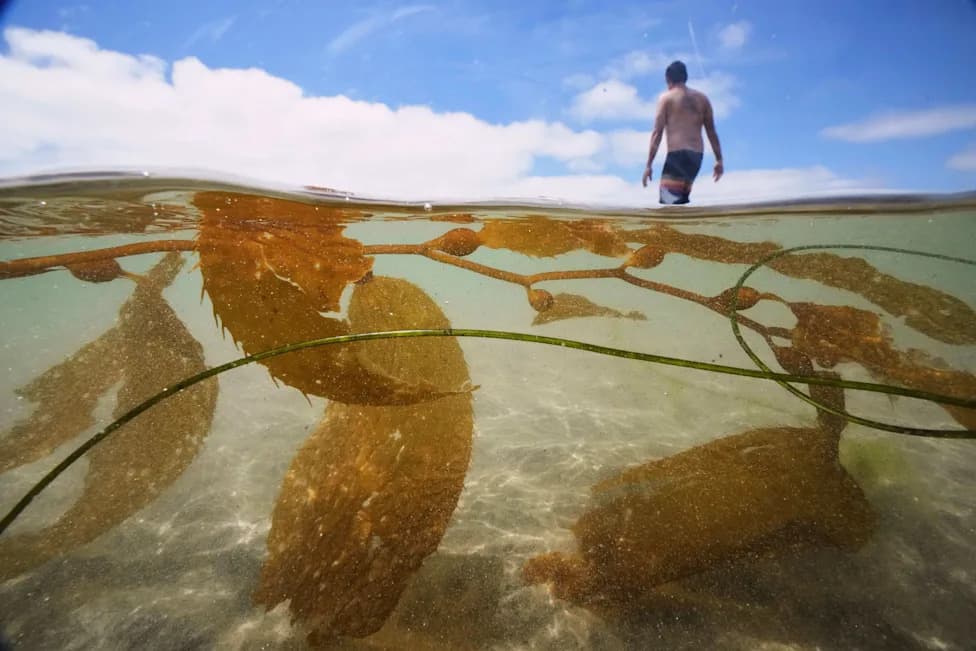
Around 10 a.m. each day, women in hijabs and loose dresses wade into the shallow turquoise waters off Jambiani, Zanzibar, to tend lines of cultivated sponges — a growing source of income after warming seas and other pressures upended their traditional work.
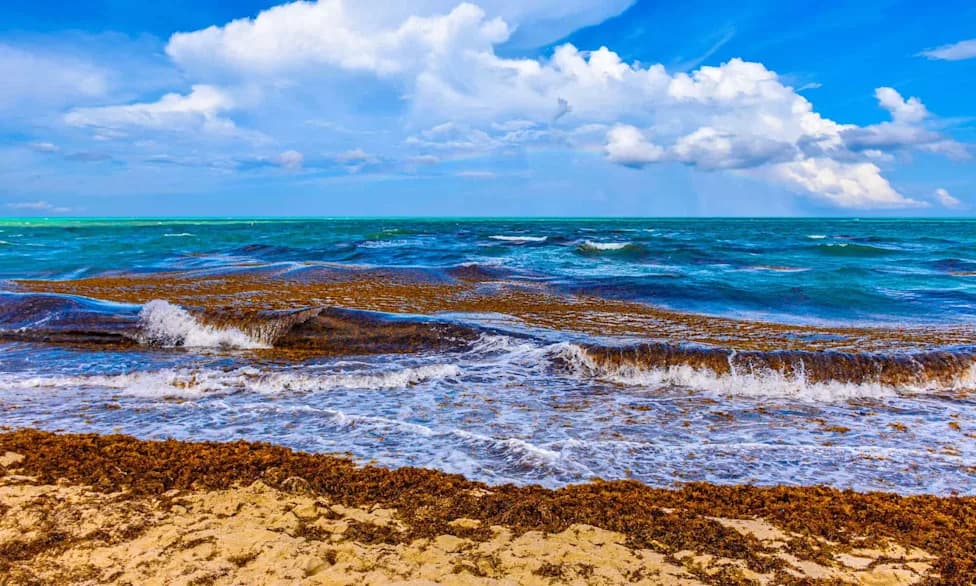
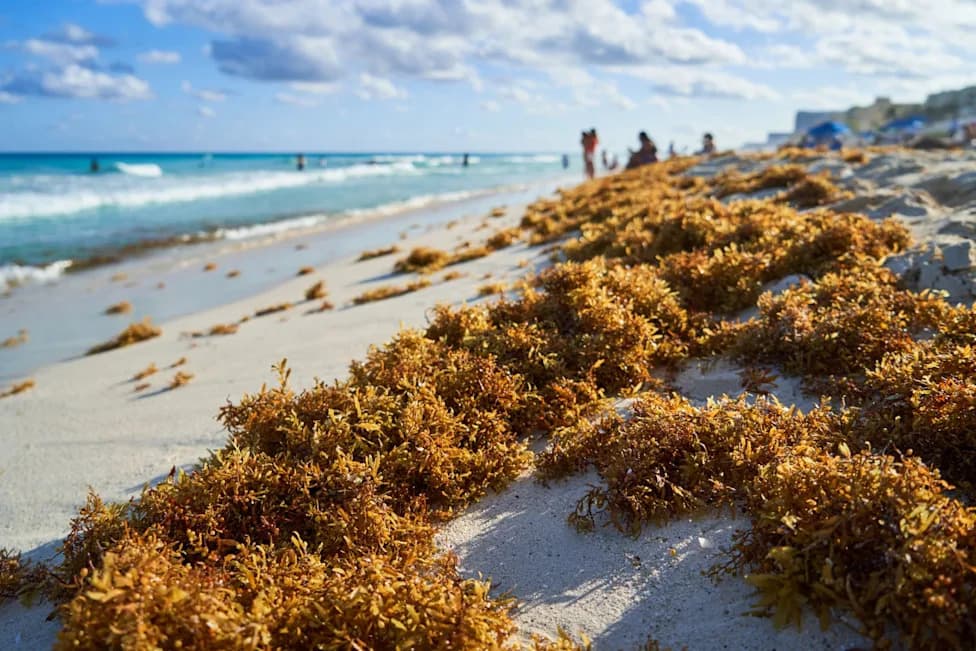
Rising sea temperatures, overfishing and pollution have steadily degraded marine habitats around the island, hitting seaweed farmers hard. A Swiss NGO, Marine Cultures, launched a pilot project in 2009 with widowed women in Jambiani to test whether sponge farming could provide a viable alternative. The pilot grew into a broader cooperative as the practice proved adaptable to the local conditions.
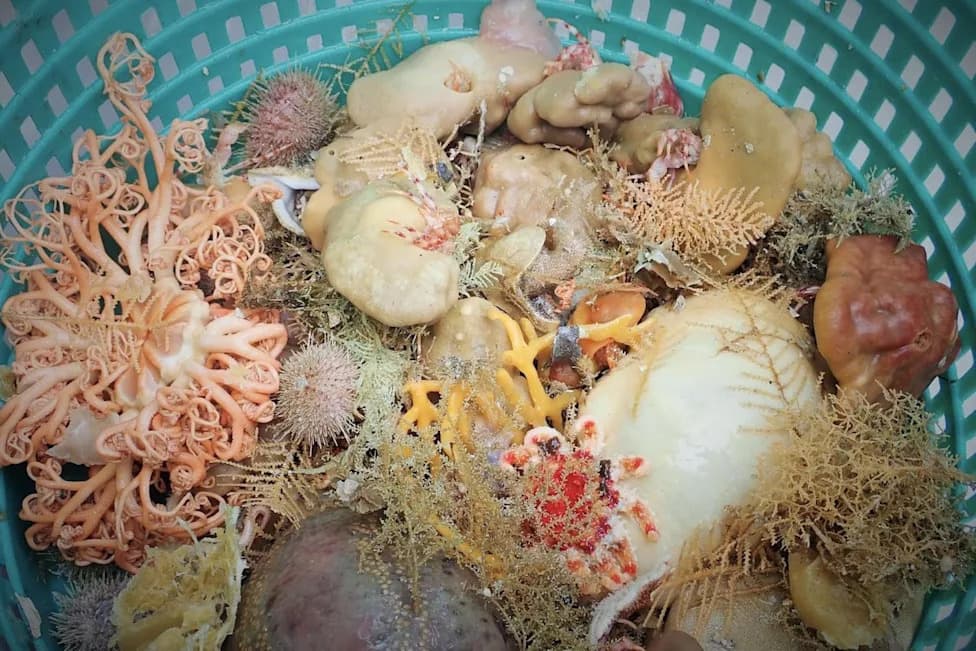
Project manager Ali Mahmudi says hot temperatures have killed seaweed and declining fish stocks have driven many fishermen away from the trade. Sponges, by contrast, often tolerate and even thrive in warmer waters. They provide habitat and food for other marine life and can be sold as natural personal-care items used for skin exfoliation.
Depending on size, individual natural sponges can fetch as much as $30, and a single farm may hold up to about 1,500 sponges. From the shore, black poles rise from the water holding ropes heavy with sponge colonies; the work involves regular tending, harvesting and drying before sale.
"I was shocked to learn that sponges exist in the ocean," said Nasiri Hassan Haji, 53, recalling when she first encountered the practice more than a decade ago. The mother of four described seaweed farming as labour-intensive with meagre returns. "It has changed my life — I have been able to build my own house," said 53-year-old Shemsa Abbasi Suleiman.
Many women initially hesitated to join because they could not swim or feared the water. Thanks to an NGO training programme, some learned to swim as adults — Haji learned at 39 — enabling them to take a full part in farming and cooperative activities.
Environmental benefits
Beyond income, sponges bring ecological advantages. Their skeletal structures contribute to carbon recycling within coral reef systems, while their porous bodies naturally filter and help purify seawater. Research indicates that sponges can assist in reef recovery, and reefs themselves support roughly 25% of marine species.
The United Nations estimates that around 60% of the world's marine ecosystems have been degraded or are being used unsustainably and warns that the "ocean is in deep crisis." Cultivating sponges offers a locally appropriate, low-impact livelihood that aligns with growing global demand for eco-friendly products; the US National Oceanic and Atmospheric Administration estimated the natural sponge market at about $20 million in 2020.
Community impact and context
What began as a small pilot has expanded into co-operatives that help women scale production, access markets and share training. While the project offers tangible economic and environmental benefits for Jambiani, it takes place against a broader national backdrop: Zanzibar is part of Tanzania, where unrest on the mainland following recent elections prompted international concern and calls for investigation.
Overall, sponge farming in Jambiani illustrates how low-cost, climate-resilient aquaculture can restore livelihoods, benefit coastal ecosystems and empower women in vulnerable communities.
Help us improve.