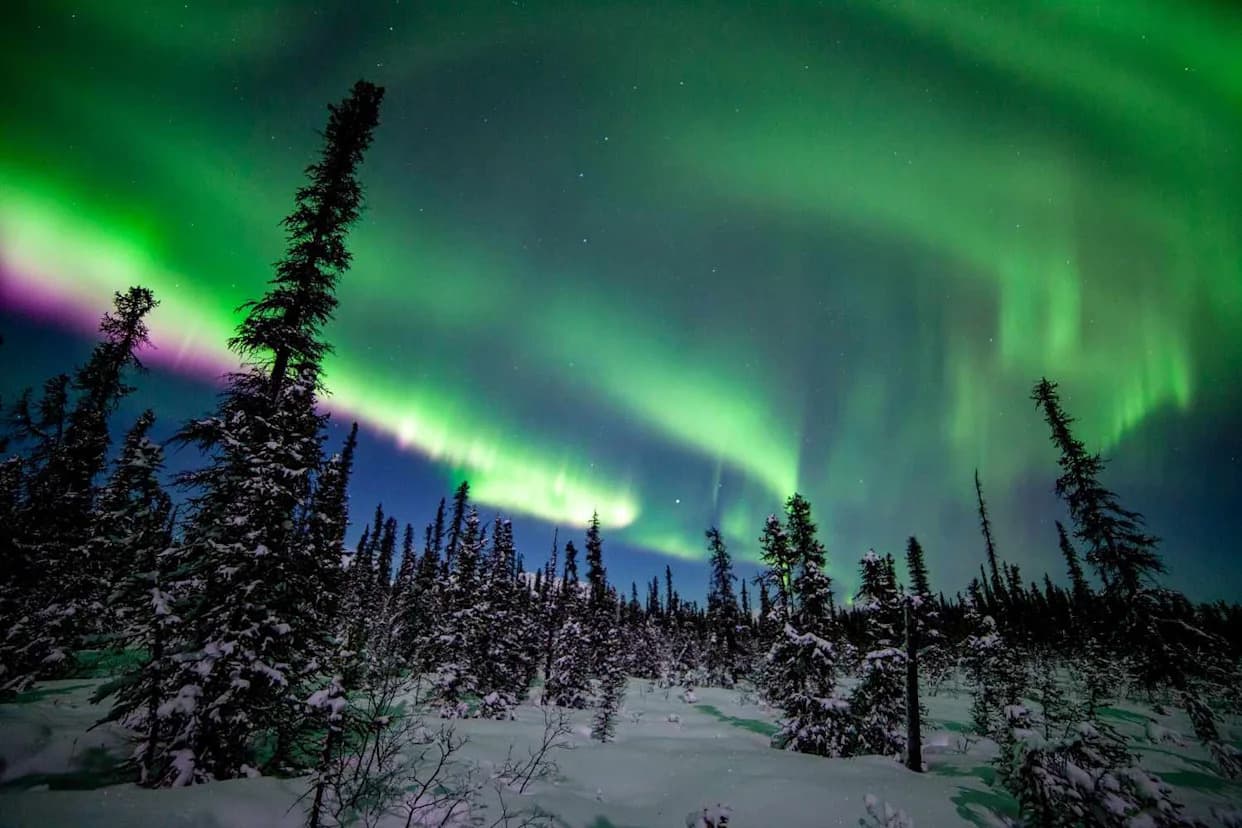
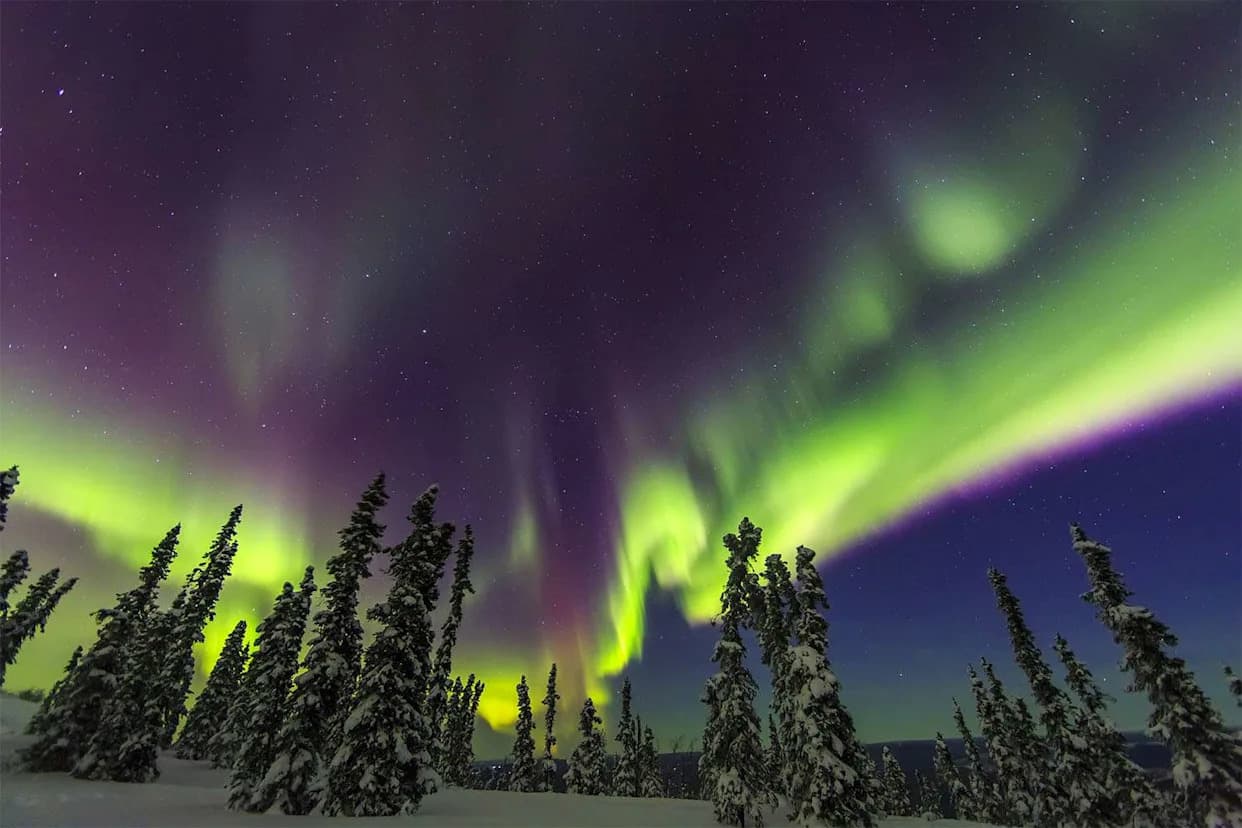
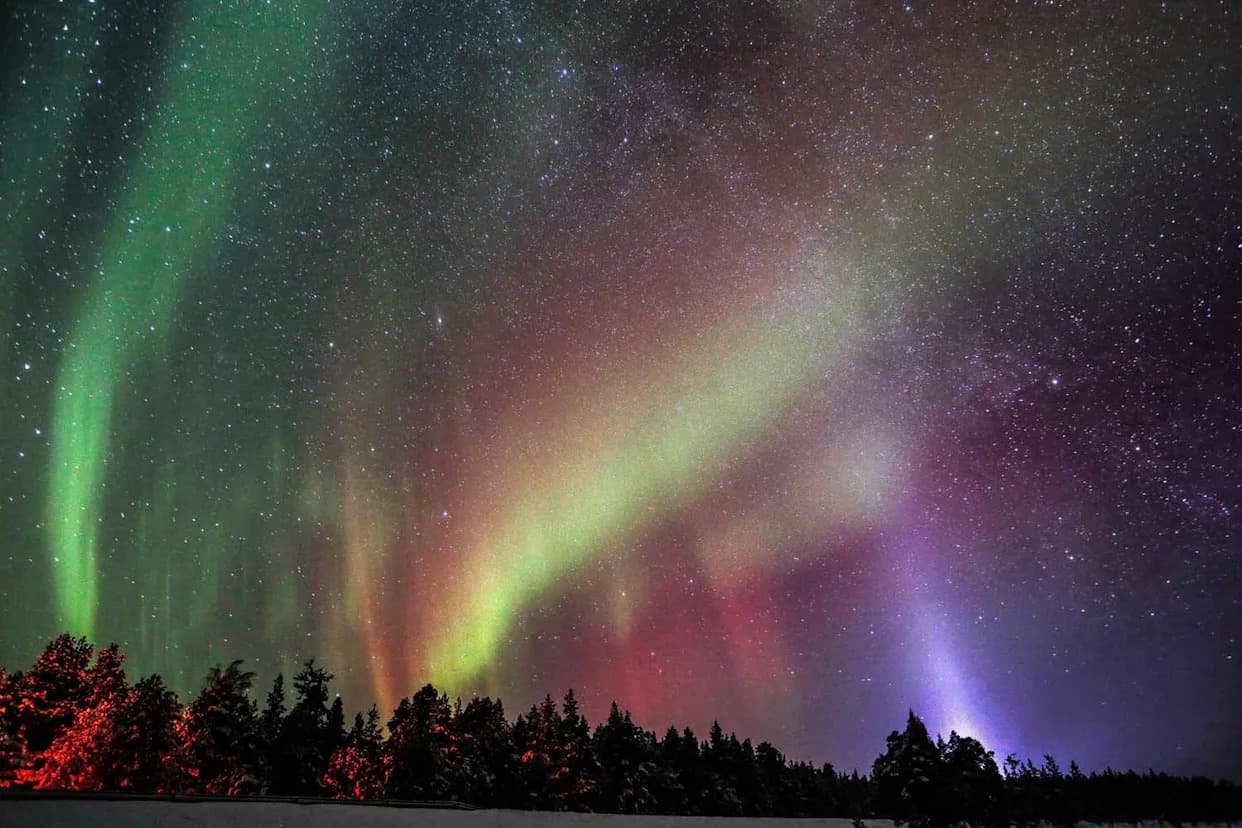
The aurora borealis lit up Knoxville and more than 21 states on Nov. 11, visible as far south as Florida due to unusually strong geomagnetic activity. NOAA reported G3 (strong) conditions with G4 (severe) still possible, and AccuWeather said Tennessee has a "good" chance to see the lights again on Nov. 12 if activity continues. The aurora forms when charged solar particles collide with Earth’s upper atmosphere; coronal mass ejections or coronal holes can spark such events. For best viewing, seek a dark, elevated spot facing north and watch around 10 PM–2 AM.
Northern Lights Over Knoxville on Nov. 11 — How to See the Aurora Again on Nov. 12

Northern lights visible across Knoxville and more than 21 states
If you noticed red and green bands lighting the sky on the night of Nov. 11, you weren’t imagining it. Tennessee — including Knoxville — enjoyed a striking aurora display that was visible across more than 21 states and, unusually, as far south as Florida.
What caused the show? The display was the aurora borealis: colorful emissions produced when charged particles from the Sun interact with Earth’s magnetic field and upper atmosphere, according to the National Weather Service. Heightened geomagnetic activity on Nov. 11 allowed the aurora to be seen much farther from the poles than usual, the NOAA Space Weather Prediction Center reports.
NOAA reported geomagnetic conditions at G3 (strong) during the event, and forecasters said G4 (severe) conditions were still possible — a level that would increase the odds of seeing vivid color much farther south. AccuWeather also called Tennessee’s chance of another sighting on Nov. 12 "good" if geomagnetic activity continued as predicted.
How the aurora forms: Large expulsions of plasma and magnetic field from the Sun’s corona, called coronal mass ejections (CMEs), send streams of charged particles toward Earth. When those particles collide with atoms and molecules in Earth’s upper atmosphere, the atoms release light: the greens, reds and other colors we recognize as the northern lights. A coronal hole, which emits high-speed solar wind, can also trigger geomagnetic activity and auroral displays.
On Nov. 11 the aurora was visible to the naked eye even with city-light interference in many places. How vivid the display will be on Nov. 12 is uncertain, but NOAA’s Space Weather Prediction Center offers tips to improve your chances of seeing it.
Viewing tips from NOAA
- Find a dark vantage point away from city lights; higher ground can give a clearer, less obstructed view toward the north.
- Look north. The aurora tends to appear on the northern horizon when visible at mid-latitudes.
- Go out at night. The best displays typically occur within an hour or two of local midnight (roughly 10 PM to 2 AM), though stronger geomagnetic activity can broaden those peak hours.
- Be patient and dress warmly — auroras can appear intermittently and may require waiting in the cold to catch a bright burst.
Share your photos: If you photographed the lights from East Tennessee, you can submit your image for possible inclusion in a local gallery. Email photos to allison.kiehl@knoxnews.com with the subject line "Northern Lights photos." (If a submission form is available on the original story page, you may use that as well.)
Story by Allison Kiehl for the Knoxville News Sentinel. Support local journalism: knoxnews.com/subscribe.
Help us improve.