The northern lights may reappear over parts of the northern U.S. tonight (Jan. 9) and again on Jan. 10 after increased solar wind and incoming CMEs. NOAA forecasts a Kp index near 4.67 between 9 p.m. Friday and midnight Saturday, with potential G1 (minor) geomagnetic storms. Look between 10 p.m. and 2 a.m. from dark, north-facing locations; smartphone Night Mode can capture the lights, while DSLRs on a tripod with manual settings produce the best photos.
How to Catch the Northern Lights Tonight and Saturday — Where to Look and How to Photograph Them
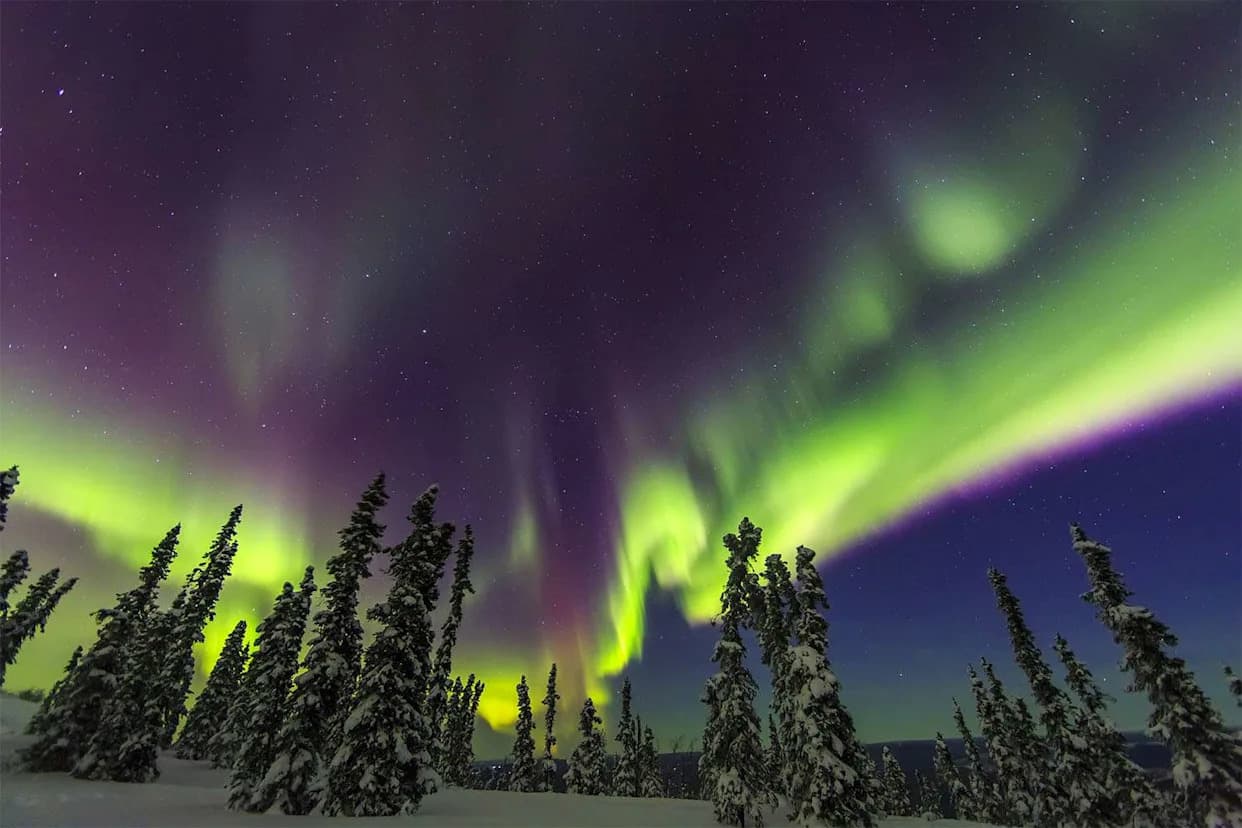
Gallo Images ROOTS Collection/GettyAuroras in Fairbanks
The northern lights may return to skies across parts of the northern United States tonight (Jan. 9) and again on Saturday (Jan. 10), offering a second consecutive chance to see the aurora borealis after a recent uptick in solar activity.
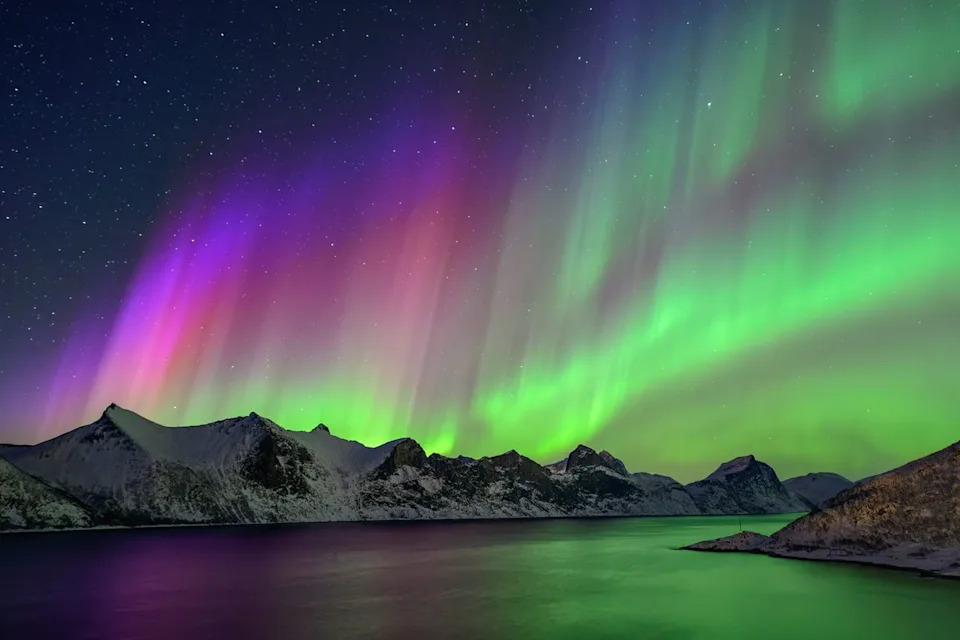
Gettynorthern lights over Mefjord
Why the Aurora Could Reappear
The aurora borealis forms when charged particles from the sun interact with gases in Earth’s upper atmosphere, producing colorful curtains and ribbons of light. Forecasters at the National Oceanic and Atmospheric Administration’s (NOAA) Space Weather Prediction Center (SWPC) say a stream of fast solar wind — which reached speeds near 700 km/s earlier this week — combined with incoming coronal mass ejections (CMEs) could boost geomagnetic activity.
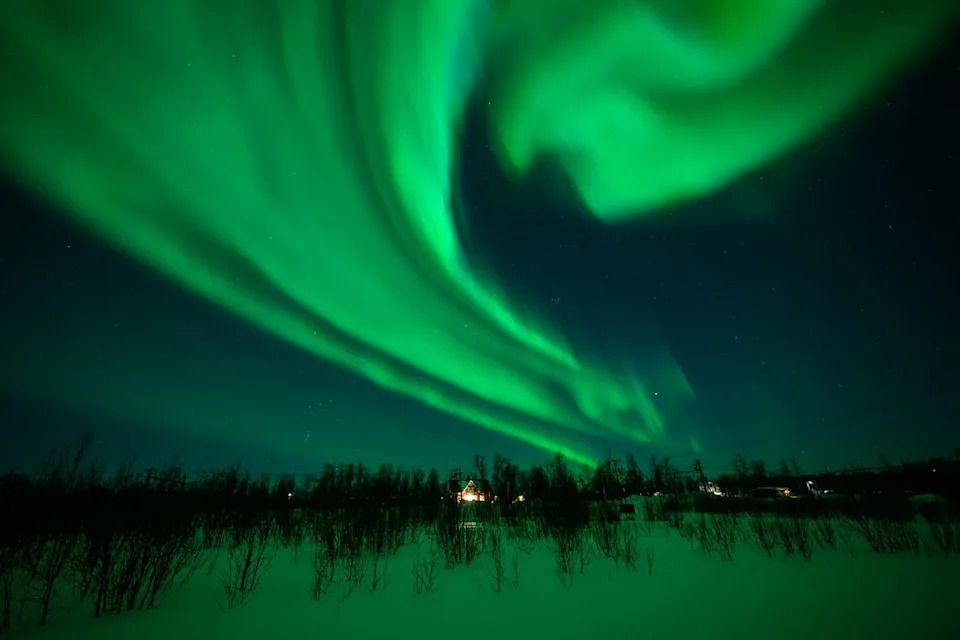
Leon Neal/GettyNorthern lights in Sweden
Current Forecast
NOAA currently projects a Kp index peaking around 4.67 between about 9 p.m. Friday, Jan. 9 and midnight on Saturday, Jan. 10. Those conditions could correspond to minor (G1) geomagnetic storm levels if CME impacts materialize. Forecasts can change quickly, so check NOAA SWPC updates before heading out.
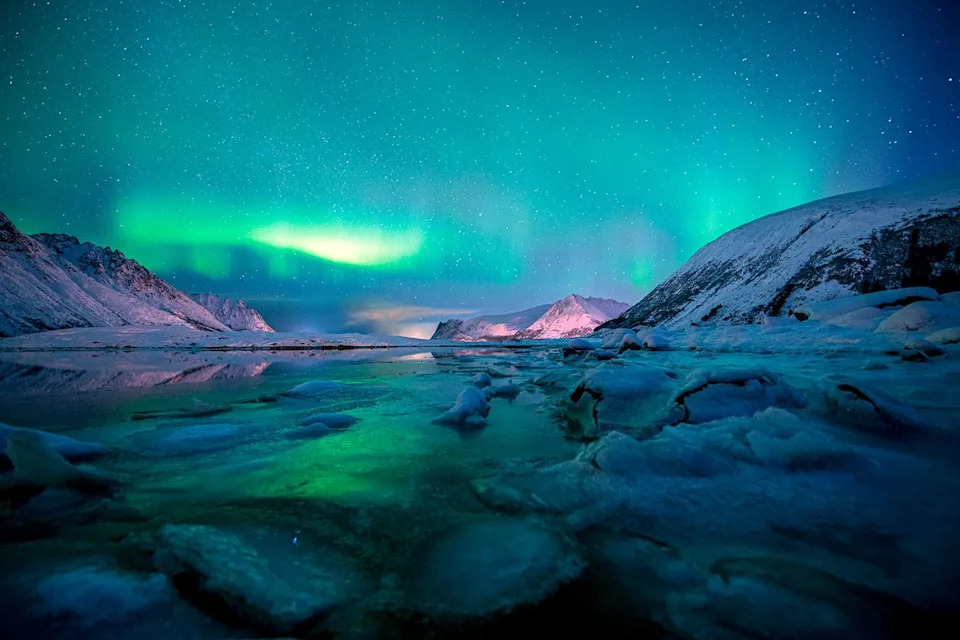
GettyAuroras in Norway
Where and When To Look
- Best window: Roughly 10 p.m. to 2 a.m. local time for peak visibility.
- Where to go: Travel as far north as practical and find a high, north-facing vantage point away from city lights and other sources of light pollution.
- Possible states: NOAA’s aurora map shows up to 10 U.S. states above the forecasted view line this weekend — including Idaho, Montana, North Dakota, Minnesota, Wisconsin and Michigan on Friday, with the predicted viewline dipping farther south over parts of Washington state, South Dakota and Maine on Saturday (weather permitting).
- Clouds & weather: Even strong geomagnetic activity won’t help if clouds block the sky — check local cloud cover and forecasts before you go.
How To Photograph the Aurora
Smartphones with Night Mode can capture decent images of bright auroras — turn Night Mode on and steady the phone (use a small tripod or rest it on a stable surface). For better results, use a DSLR or mirrorless camera:
- Mount the camera on a tripod and use a remote shutter or timer to avoid shake.
- Shoot in manual mode: wide aperture (e.g., f/2.8 if available), ISO 800–3200 depending on brightness, and exposures from 5 to 15 seconds (adjust for lens focal length and aurora intensity).
- Focus manually on a bright star or set focus to infinity, then take test shots and adjust settings as needed.
Final Tips
Patience and preparation pay off. Dress warmly, bring snacks and extra batteries (cold drains batteries faster), and be ready to move to darker spots if the lights appear. Keep checking space weather and local forecasts — auroras can brighten or fade quickly as solar conditions evolve.
With active solar winds and CMEs in the forecast, observers in northern U.S. regions should keep an eye on the sky tonight and Saturday for a possible repeat of recent auroral displays.
Help us improve.