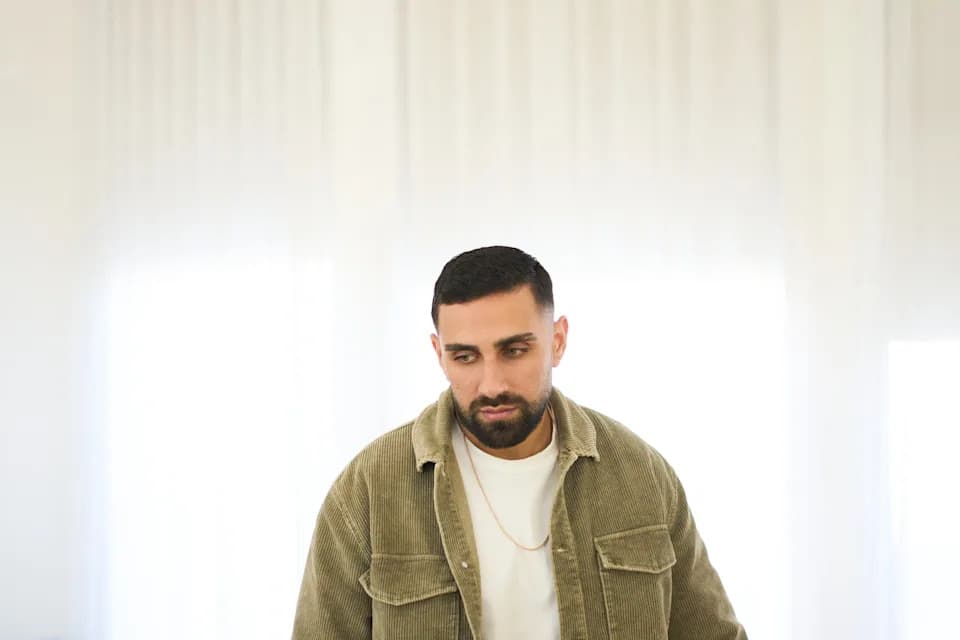
Motaz Azaiza — a Palestinian photojournalist who spent 107 days documenting Gaza’s front lines — now lives in the U.S. and leads humanitarian work through the Motaz Foundation. He helped raise about $60 million to deliver food, water, blankets and shelter. Though his images, including a Time-selected photograph, brought global recognition and more than 15 million followers, he continues to struggle with survivor’s guilt, threats and online abuse. Azaiza hopes for a quieter future photographing wildlife while remaining committed to aiding Gaza’s civilians.
From Gaza’s Ashes to a New Mission: Photojournalist Motaz Azaiza’s Search for Healing and Humanitarian Impact

Motaz Azaiza: From Frontline Photojournalist to Humanitarian in Exile
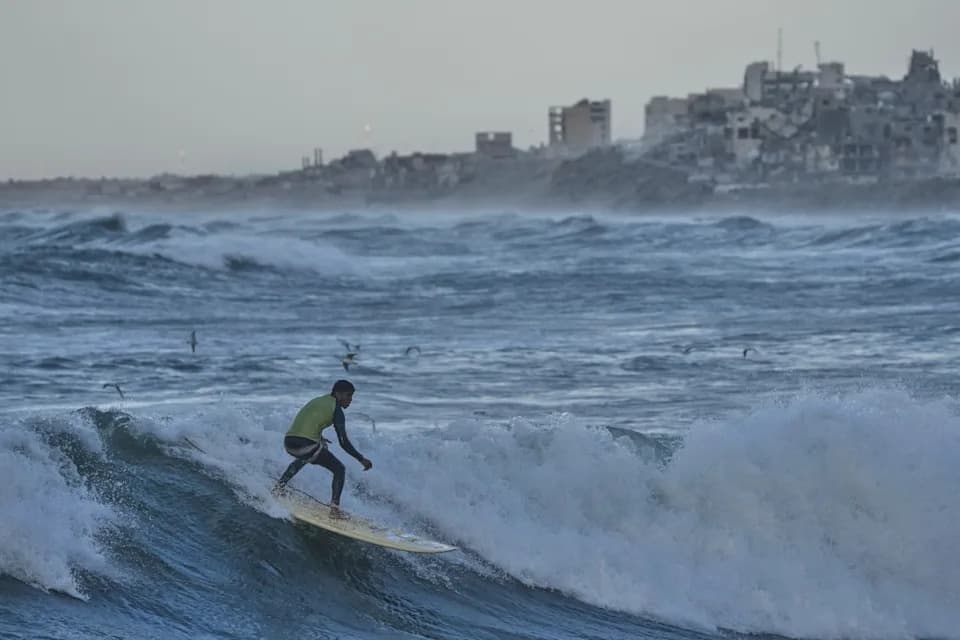
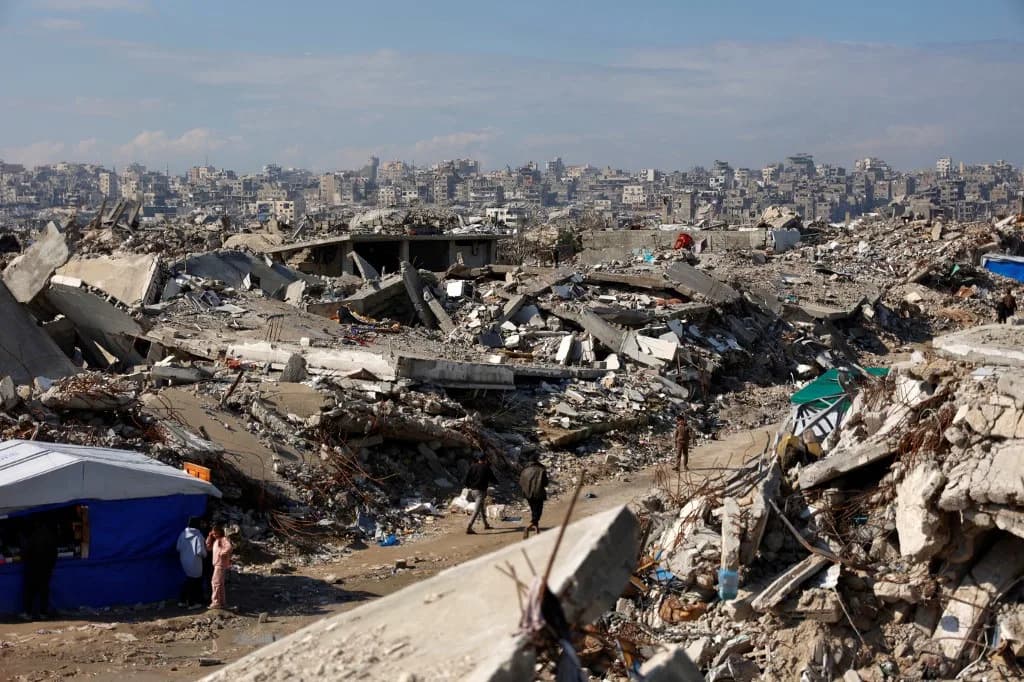
Motaz Azaiza spent 107 days documenting the devastation in neighborhoods he once knew well, capturing unvarnished images of Gaza after relentless airstrikes. Because many international outlets could not film inside the strip, Azaiza and other Palestinian journalists recorded the earliest and most intimate scenes of the conflict.
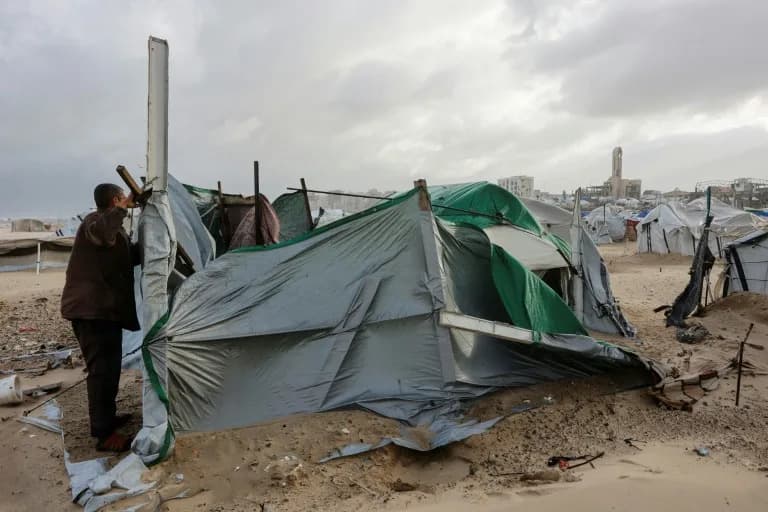
Local health officials report that, over the past two years, more than 68,000 people in the enclave have been killed and that more than 90% of residential buildings have been destroyed, leaving most residents internally displaced.
Azaiza says he feels fortunate to be alive. “My life is worth more now than if I was dead,” he told CNN. “A lot of Gazans got killed. Nobody mentions their names.” He escaped the strip with his immediate family 21 months ago, first to Qatar and now to New York.
Humanitarian work and the Motaz Foundation
In the U.S. Azaiza has channeled his platform toward relief efforts. He says he has helped raise roughly $60 million and recently launched the Motaz Foundation to continue fundraising for Palestinians in Gaza. The foundation has provided food, pastries, tanker trucks of clean water, blankets and temporary shelter — what Azaiza calls “a candle in the darkness.”
At a fundraising event in Roswell, Georgia, he reflected on how giving helps him cope. “Maybe this makes me forget the mental suffering that I’m in,” he said. “The moment I wire funds to people and get aid, support, and food, I feel high!” He described the work as giving him purpose amid trauma: “I’ve never been a useless person. I’m always trying to be useful at every step.”
Recognition, loss and emotional cost
Azaiza’s images brought him international recognition. One photograph from Oct. 31, 2023 — showing a woman trapped under a pancaked apartment in Nuseirat refugee camp — was named one of Time magazine’s top 10 photos of the year and helped grow his Instagram following to more than 15 million. Yet he says he could not celebrate that success because it came from his community’s suffering.
“My soul is turned off,” he said. “Sometimes I felt lucky to survive — and luckier to escape.”
More than 240 journalists have been killed in Gaza since Oct. 7, 2023, after a Hamas-led attack that killed more than 1,200 people and left about 250 hostages taken, events that prompted Israel’s large-scale military response. The Committee to Protect Journalists calls Gaza the deadliest conflict zone on record for reporters. Azaiza says he received anonymous death threats before leaving Gaza and continues to wrestle with survivor’s guilt.
He also faces the unexpected toll of fame: online abuse, trolling and political pressure. “The hateful words are in some ways worse than the bullets,” he said, because their harm is insidious. “This eats you from the inside... And it hurts others around you, hurts your mom.”
Views on the conflict and hopes for the future
Azaiza welcomed a ceasefire and an end to immediate killing but expressed frustration with the outcome. “I just wanted the genocide to stop,” he said, noting that many Palestinians felt the cost had been borne by civilians. An independent U.N. inquiry concluded in September that Israel’s actions met the legal definition of genocide; Israel rejects that finding.
Living in limbo, Azaiza dreams of returning to Gaza to build a house by the sea, serving his community in public life or simply starting a family. Above all, he longs for a quieter life with his camera: “I want to be Tarzan with a camera,” he said, imagining photographing wildlife in Tanzania rather than human suffering.
Where he is now: Based in New York, Azaiza continues humanitarian outreach through his foundation while navigating the emotional aftermath of his time on Gaza’s front lines.
Help us improve.