Overview: Escalation between the U.S. and Iran continues after President Trump announced "major combat operations" on Feb. 28. Two Saudi airports in Jazan and Najran were hit overnight, wounding three and causing material damage amid Houthi claims. The UKMTO reported attacks on vessels in the Strait of Hormuz, while the U.S. imposed new sanctions and offered rewards to disrupt IRGC networks. Qatar is mediating between Tehran and Washington as regional tensions and maritime risks grow.
Iran Live Updates: Two Saudi Airports Hit Overnight as U.S.-Iran Tensions Escalate
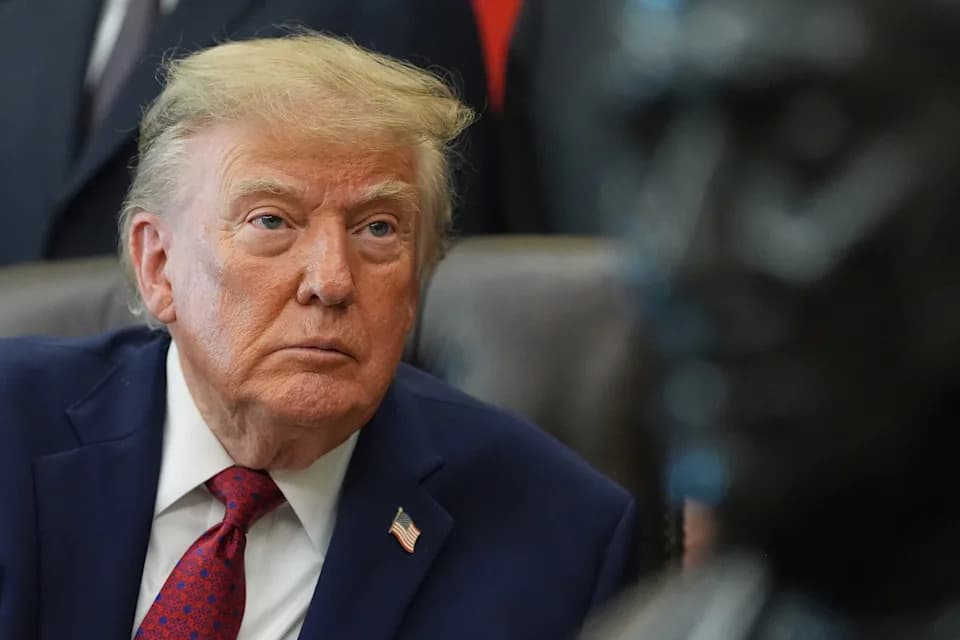
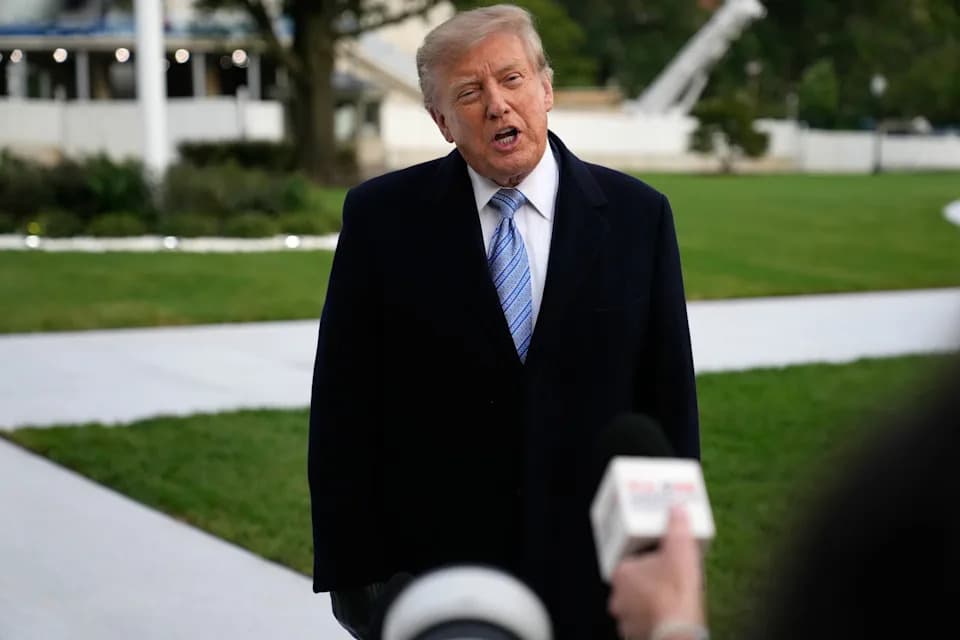
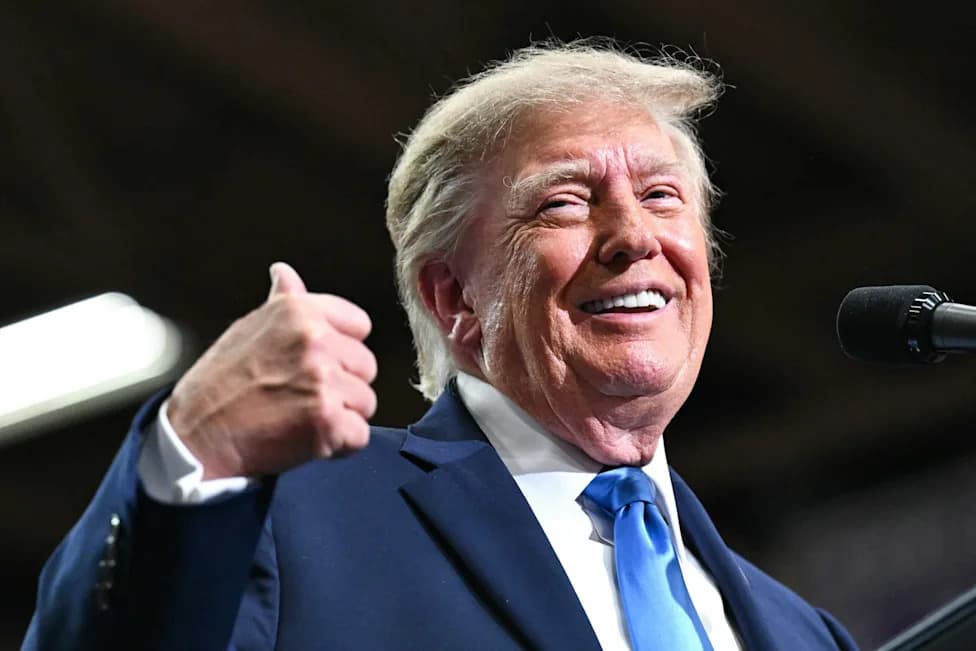
Alex Brandon/AP Photo - PHOTO: President Donald Trump listens to a question from a reporter in the Oval Office of the White House, Wednesday, Sept. 30, 2026, in Washington.
Fighting between the United States and Iran has continued to escalate after President Donald Trump announced "major combat operations" on Feb. 28, with large-scale U.S.-Israeli strikes reported against Iranian military, government and infrastructure sites. Diplomatic efforts have produced intermittent talks but no lasting ceasefire, while the strategically vital Strait of Hormuz remains a key flashpoint.
Airports in Saudi Arabia Targeted
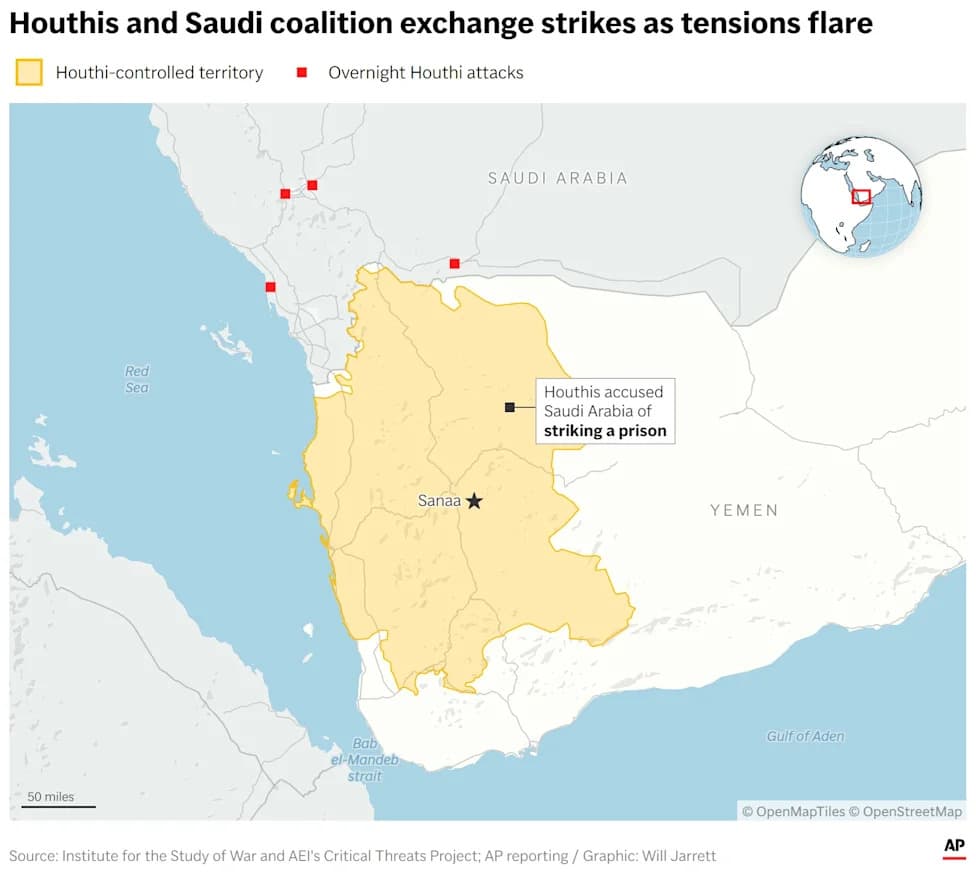
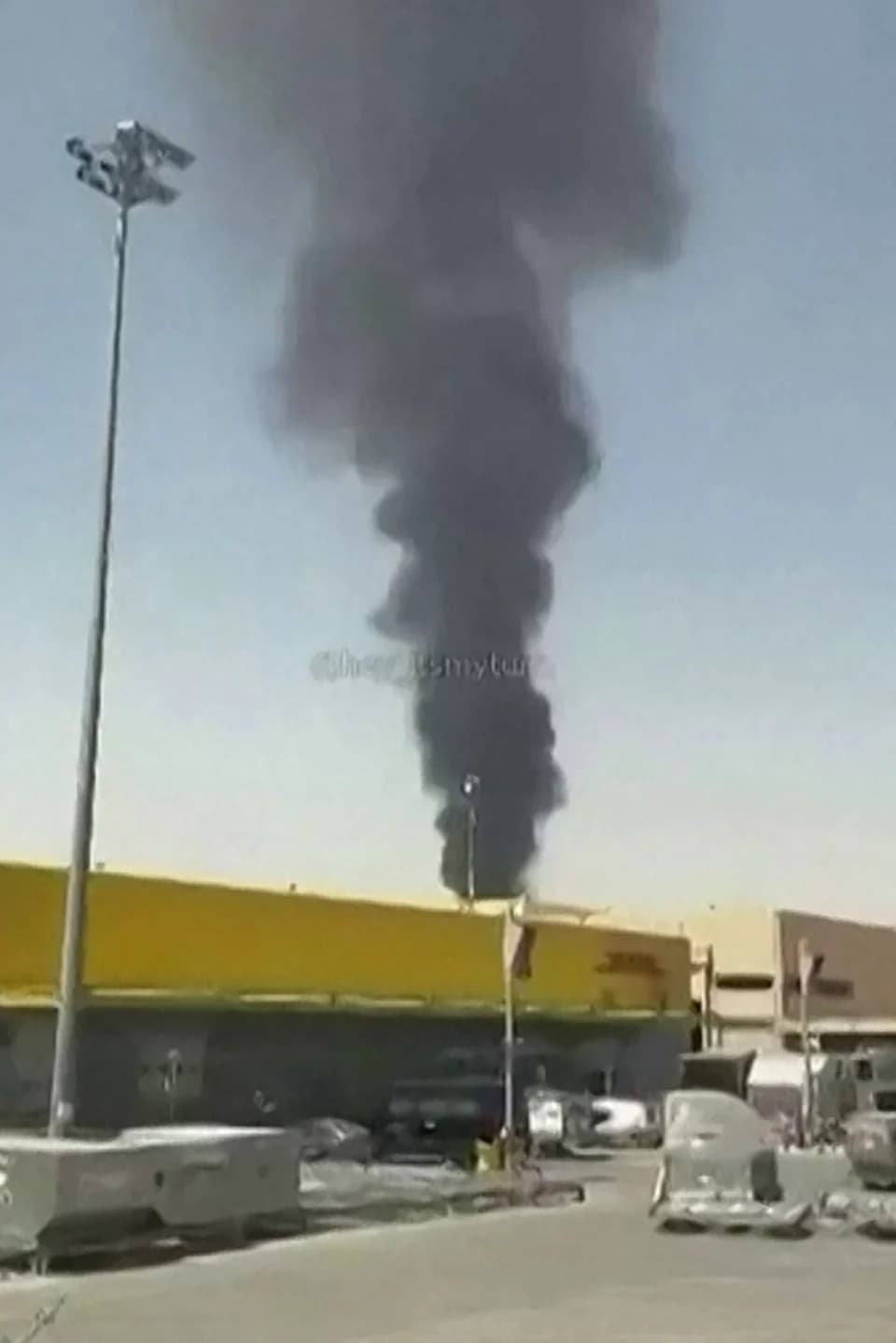
Saudi Arabia's General Authority of Civil Aviation reported that two airports in the kingdom's south — King Abdullah Bin Abdulaziz International Airport in Jazan and Najran International Airport — were struck in separate overnight attacks, injuring three people and causing material damage. Authorities said they were assessing damage and taking measures to protect passengers, staff and the wider civil aviation system.
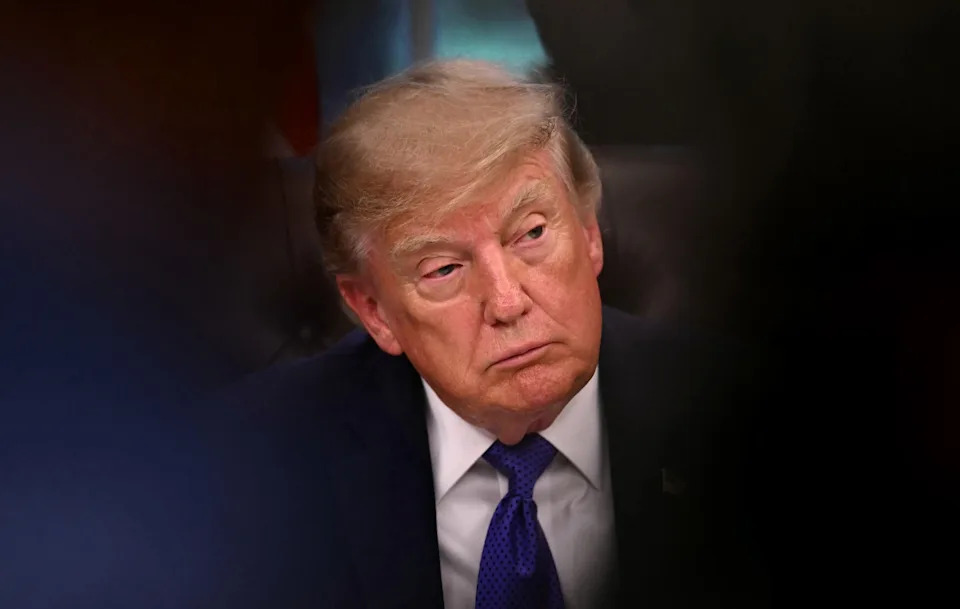
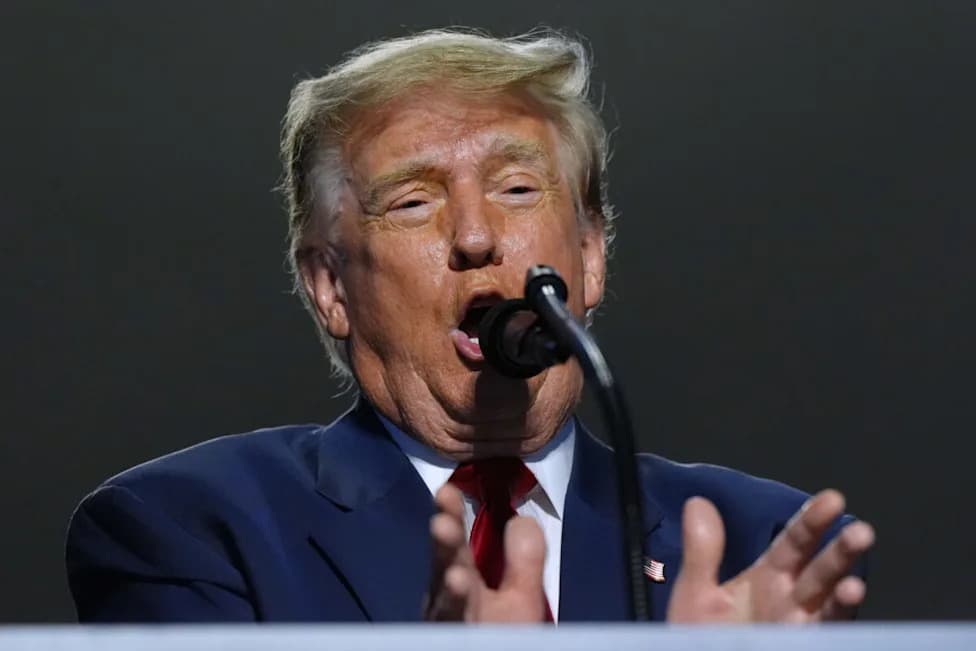
Kent Nishimura/AFP via Getty Images - PHOTO: President Donald Trump answers questions from reporters during an announcement in the Oval Office at the White House, September 28, 2026 in Washington.
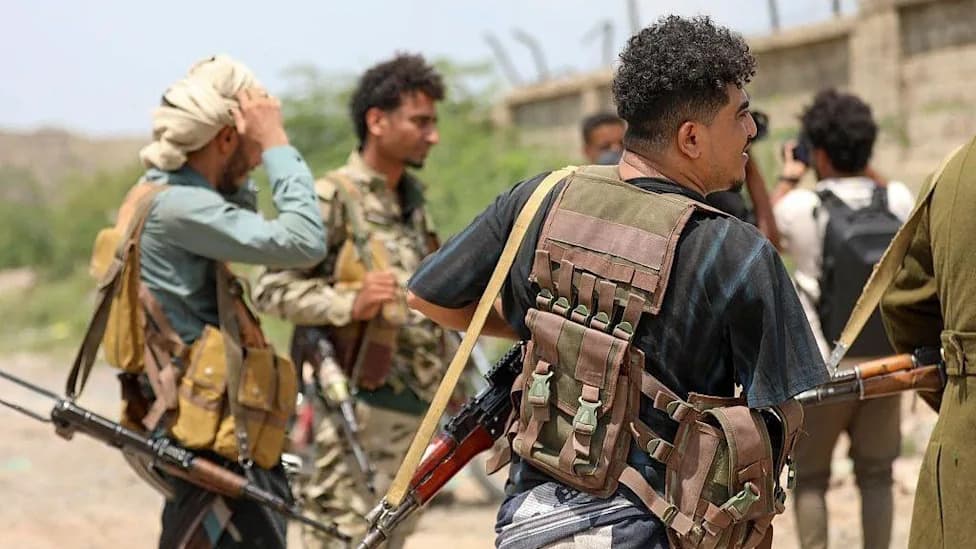
Saudi officials did not immediately name the attacker. Houthi fighters in Yemen earlier claimed responsibility for a wave of strikes on Saudi oil facilities, airports and military bases, and the incidents follow a Saudi-backed offensive to reclaim Houthi-held territory in Yemen.
Maritime Incidents Raise Tensions in Strait of Hormuz
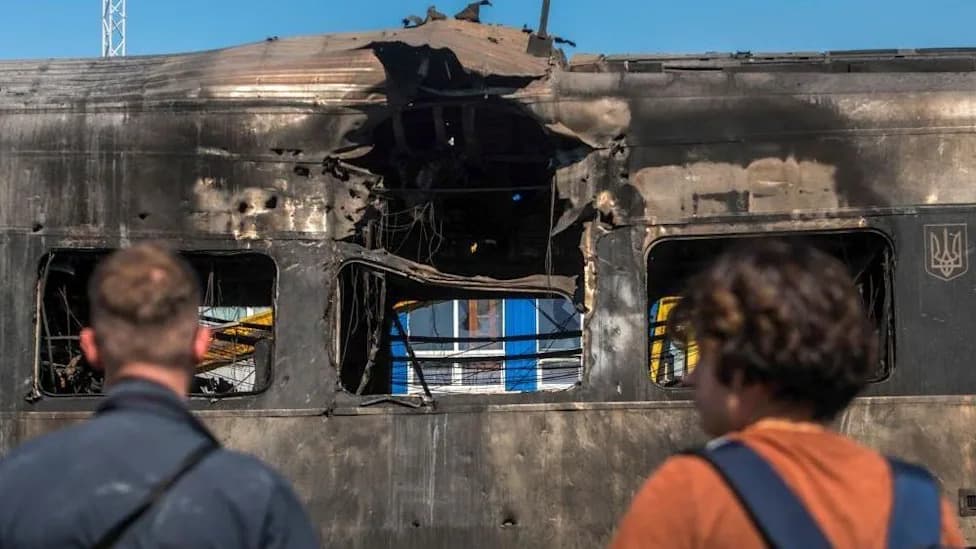
The United Kingdom Maritime Trade Operations (UKMTO) centre reported that a vessel was struck by an unknown projectile in the Strait of Hormuz, and earlier said another ship had been hit on Monday evening, causing a fire that was extinguished with no casualties or environmental impact. The narrow waterway has become the strategic focus of the conflict, disrupting shipping and prompting international concern.
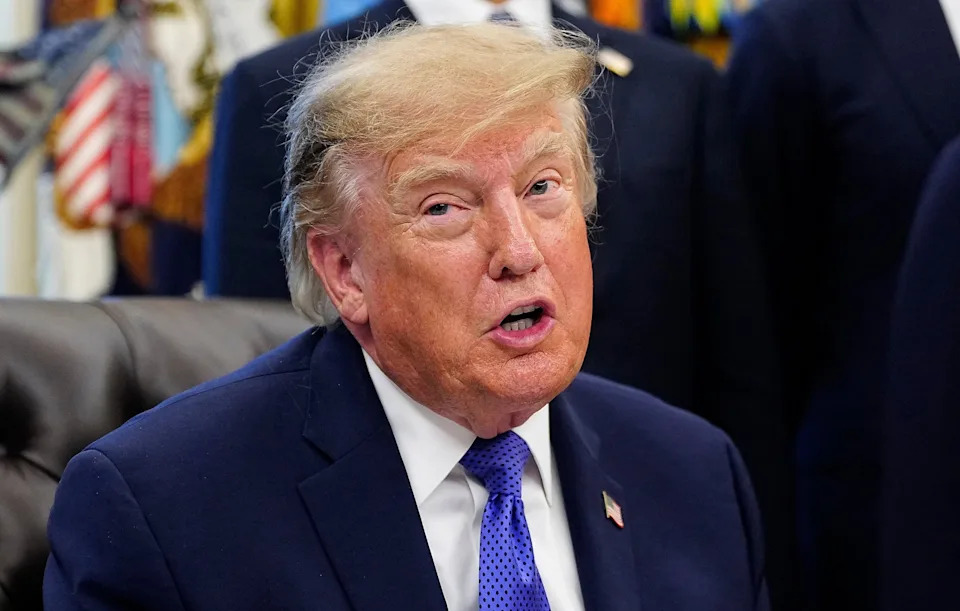
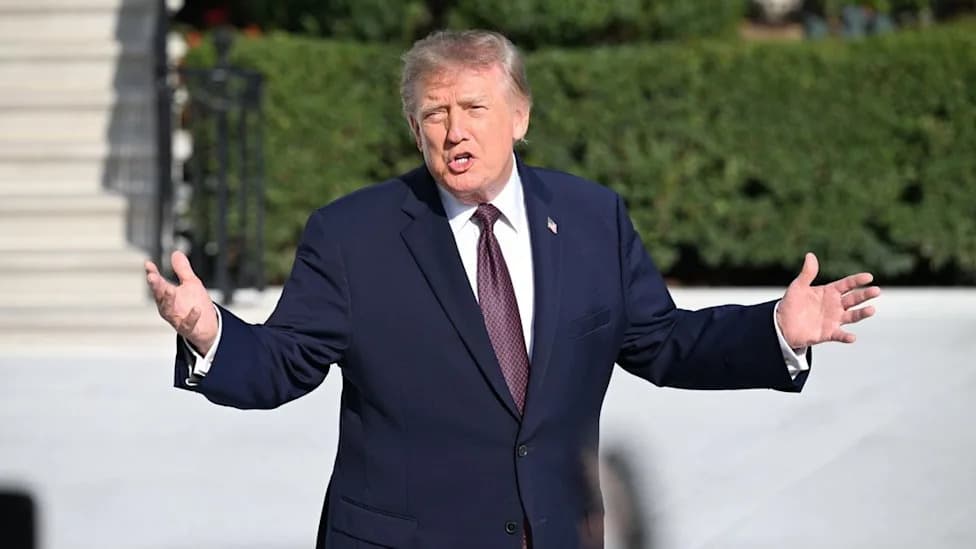
Bonnie Cash/EPA/Shutterstock - PHOTO: President Donald Trump answers questions from reporters during an announcement in the Oval Office at the White House, September 28, 2026 in Washington.
U.S. Actions: Sanctions and Rewards
The U.S. administration announced new sanctions targeting entities and individuals accused of supporting Iran's arms procurement networks. The State Department said the measures support "Operation Economic Outcast," an economic pressure campaign aimed at disrupting Iran's defense supply chains. Officials also announced rewards of up to $15 million for information leading to the disruption of financial mechanisms linked to the Islamic Revolutionary Guard Corps (IRGC).
Rhetoric From Tehran and Washington
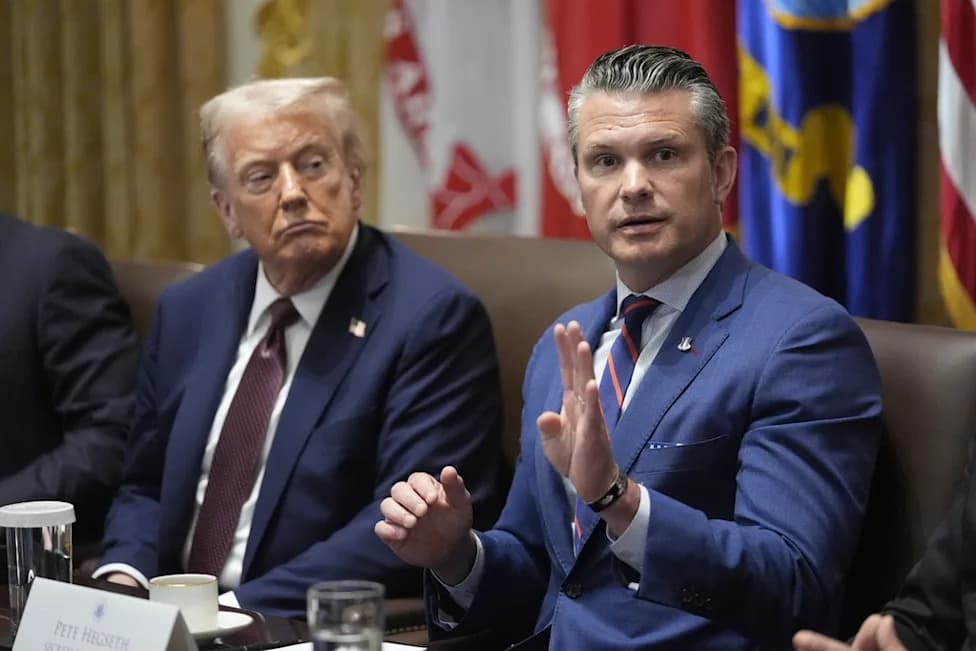
President Trump has reiterated a hardline stance toward Tehran in recent interviews and public remarks, suggesting further military pressure could follow and asserting strong U.S. control over the Hormuz Strait. In media comments he said the conflict would end "very soon" and criticized Iran's economic and military capabilities.
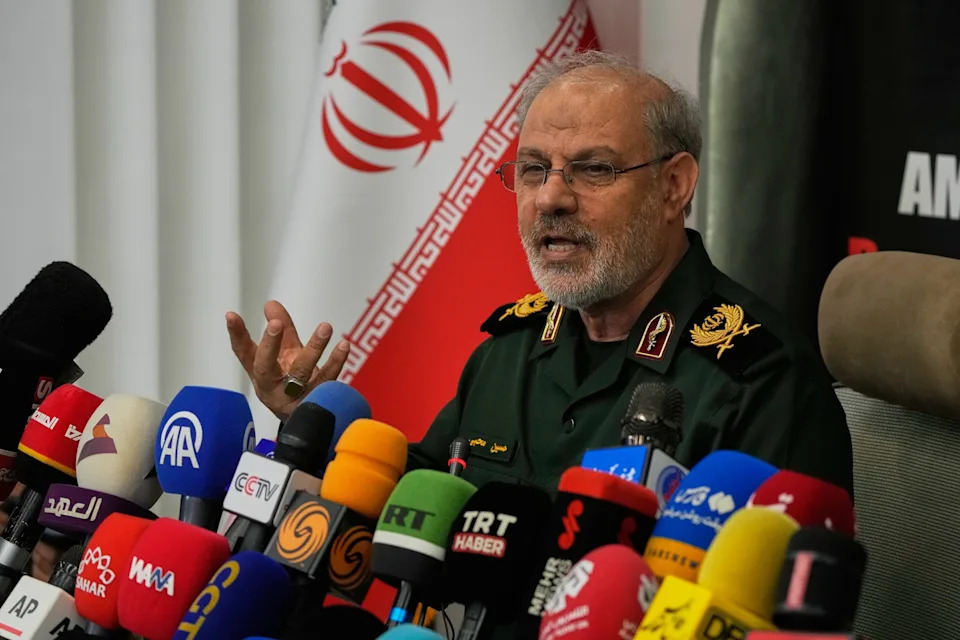
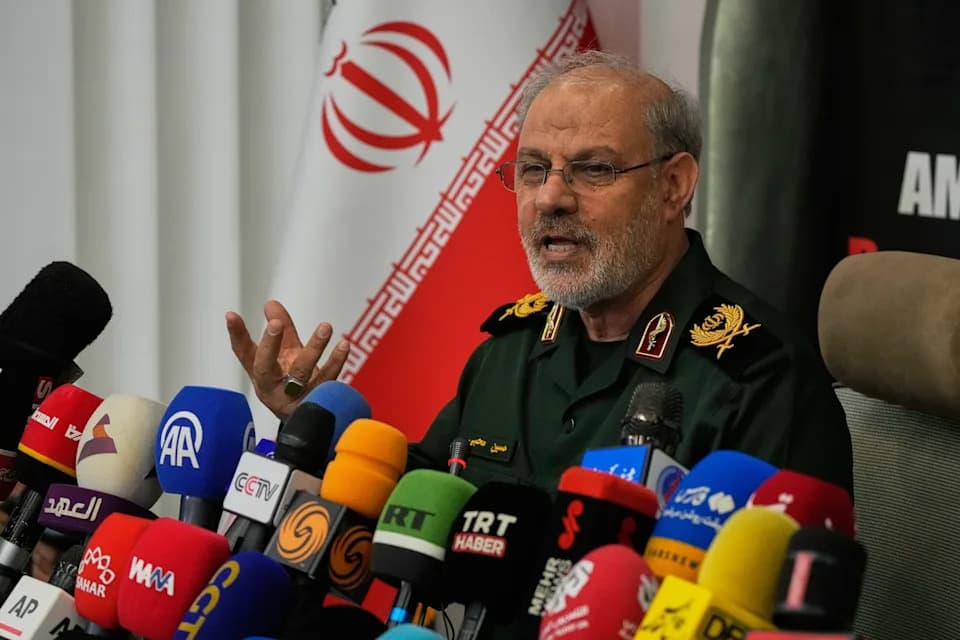
Vahid Salemi/AP Photo - PHOTO: Iran's Islamic Revolutionary Guard Corps spokesman Gen. Hossein Mohebbi speaks during a news conference in Tehran, Iran, on Sept. 29, 2026.
President Trump: "We're going to have that war won very quickly, one way or the other."
Iranian officials rejected U.S. claims and warned against foreign interference. IRGC spokesman Gen. Hossein Mohebbi urged the U.S. to withdraw from the region, called for changes in Washington's approach and dismissed assertions that the Strait of Hormuz had been fully reopened to normal commercial traffic.
Regional Diplomacy and Reactions
Qatar is continuing to facilitate talks between Tehran and Washington in a bid to de-escalate tensions and restore freedom of navigation through the Strait of Hormuz. Tehran also condemned Israeli Prime Minister Benjamin Netanyahu's visit to the United Arab Emirates, calling it a destabilizing development for regional security.
These developments come amid ongoing exchanges of strikes and sanctions, third-party mediation attempts, and rising concern from commercial and naval operators about maritime safety and energy market stability.
Help us improve.