The Department of Justice has filed denaturalization actions seeking to revoke the U.S. citizenship of 40 naturalized Americans, alleging serious crimes and concealment during naturalization. DOJ officials called the move the largest denaturalization effort in modern history, noting earlier reporting that 384 people had been targeted. The announcement represents a sharp escalation compared with an average of about 15 denaturalization filings per year from 2017 to 2025. The cases name people born in countries such as Mexico, Colombia, Pakistan, Haiti, Nepal and Ghana and could lead to court proceedings that may strip citizenship if prosecutors prevail.
DOJ Moves To Revoke Citizenship For 40 Naturalized Americans in Largest-Ever Denaturalization Push

40 People at Risk of Losing Citizenship as DOJ Amps Up Crusade
The Department of Justice announced it has filed denaturalization actions seeking to strip U.S. citizenship from 40 naturalized Americans, according to a DOJ press release issued on Monday. The defendants are accused of a range of serious offenses, and the department says each case involves alleged concealment of material facts during the naturalization process.
The complaints, which list names, ages, countries of origin and alleged crimes, accuse some defendants of acting as agents for a foreign government and others of violent or sexual offenses, including voluntary manslaughter and aggravated sexual assault of a special-needs man.
What the DOJ Said
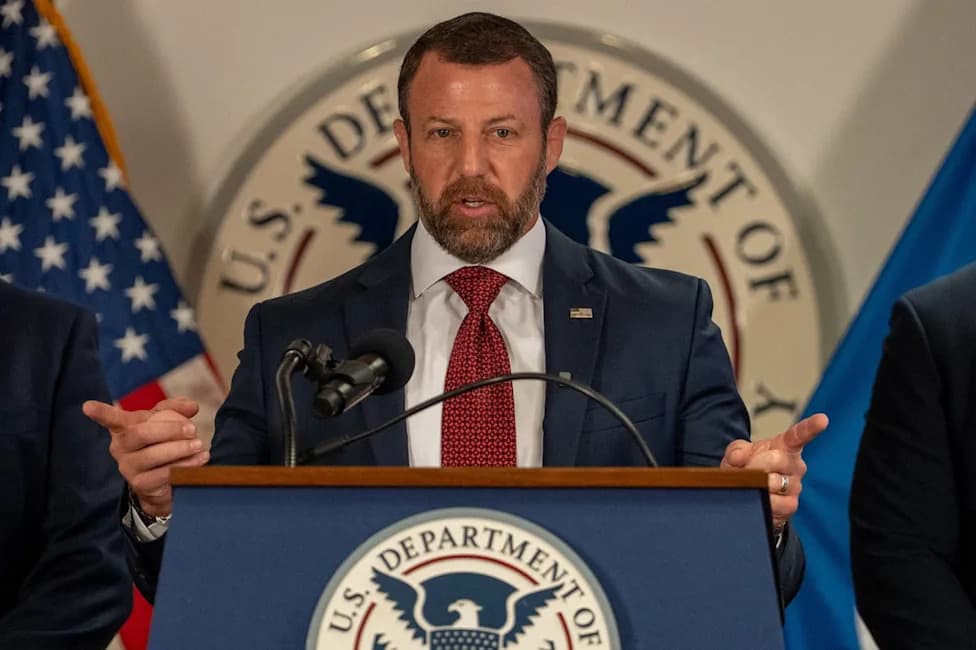
"Today's announcement marks the largest denaturalization effort in modern history," Attorney General Todd Blanche said, describing defendants whose alleged conduct ranges "from espionage to sexual offenses against minors."
"Every single one of these individuals lied their way into U.S. citizenship," Assistant Attorney General Brett A. Shumate said in the release. He added that the administration would continue what it called the largest denaturalization effort in the department's history to "restore trust and integrity in U.S. citizenship."
Context And Implications
The move comes amid a broader expansion of denaturalization activity under the current administration. Reporting earlier this year indicated the DOJ had identified 384 naturalized citizens as potential targets, which a department official described as only "the first wave." By comparison, an average of roughly 15 denaturalization cases were filed per year between 2017 and 2025, underscoring the scale of the escalation.
The 40 individuals named in the recent filing were born in countries including Mexico, Colombia, Pakistan, Haiti, Nepal and Ghana. For millions of naturalized Americans, the actions signal heightened scrutiny of past naturalization applications and a renewed focus on alleged concealment or serious criminality.
Legal Process
Denaturalization cases typically proceed through the federal courts, where prosecutors must prove that citizenship was obtained illegally or through willful misrepresentation or concealment. Those targeted face legal proceedings that could, if successful, result in loss of citizenship and potential removal proceedings under immigration law.
As these cases move forward, they are likely to prompt legal challenges and raise questions about due process, the standards for proving concealment, and the broader policy implications of an expanded denaturalization campaign.
Help us improve.