Kenya has recorded its first confirmed Ebola case and death: a Kenyan national who fell ill in DR Congo and died in Nairobi after arriving by air. Laboratory tests identified the Bundibugyo species, for which there is no approved vaccine or specific treatment. At least 28 close contacts have been identified and officials are tracing 23 passengers and four crew from the same flight. The DR Congo outbreak has caused 4,082 deaths among 8,463 cases, and MSF warns the real toll may be higher amid growing hotspots in North Kivu.
Kenya Records First Ebola Death After Patient Flown From DR Congo; Bundibugyo Strain Confirmed
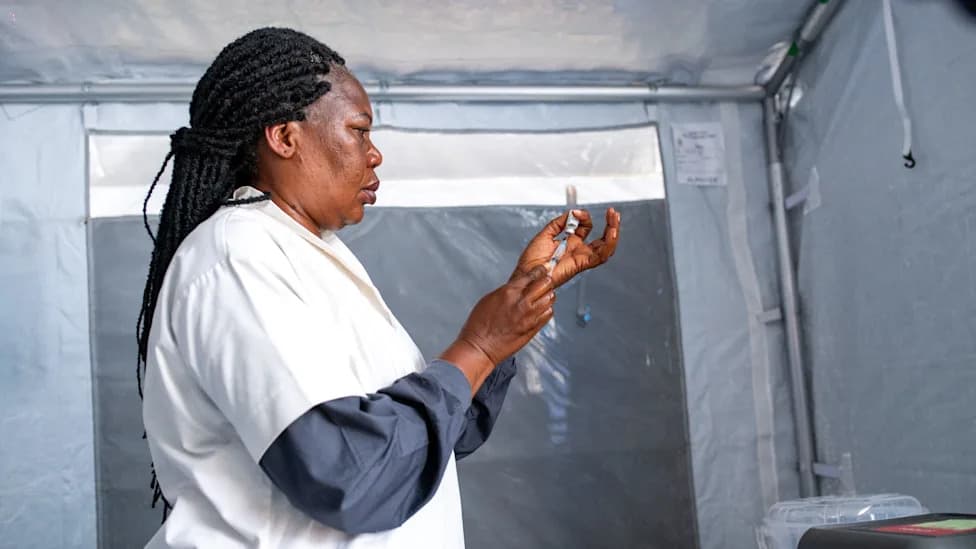
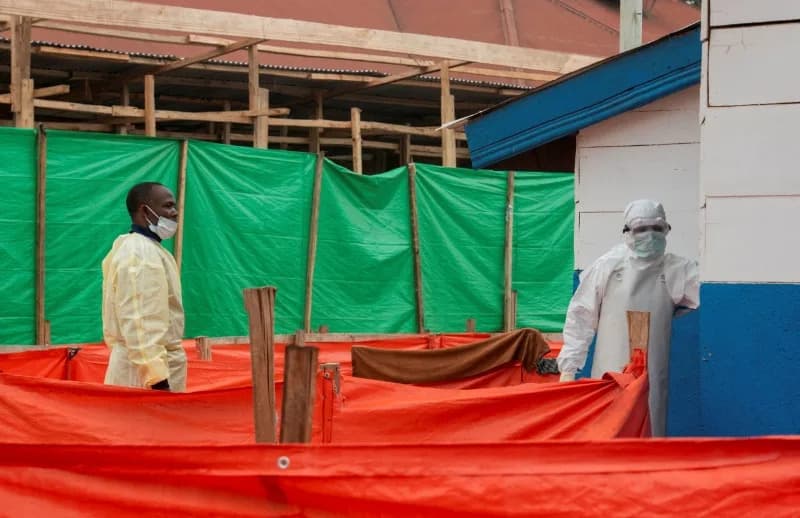
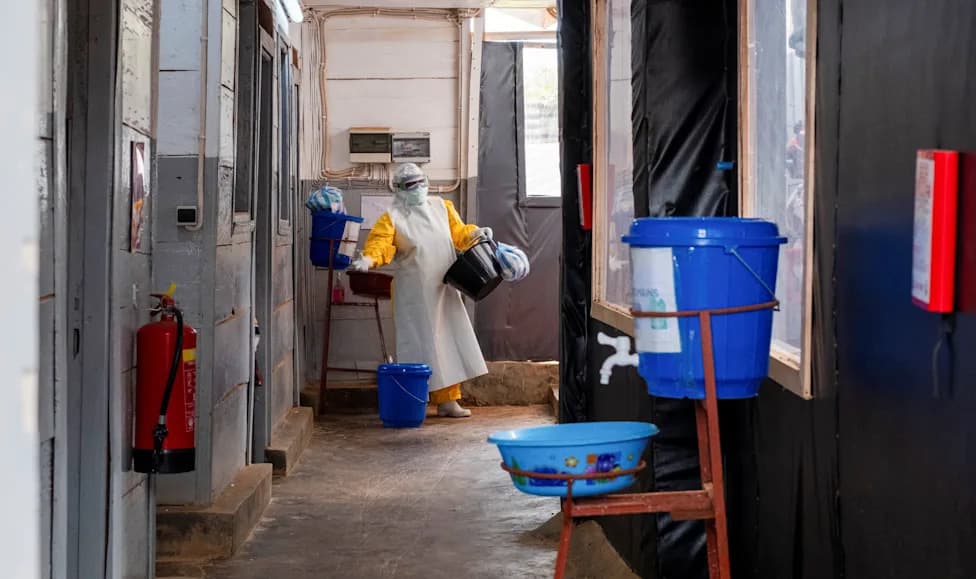
There are currently no approved vaccines or treatments for the Bundibugyo species of Ebola but some have been trialled [AFP via Getty Images]
Kenya has confirmed its first-ever Ebola case and death: a Kenyan national who had lived in the Democratic Republic of Congo (DR Congo) for seven years tested positive for the Bundibugyo species and died in Nairobi days after arriving, Health Minister Aden Duale said.
What Happened
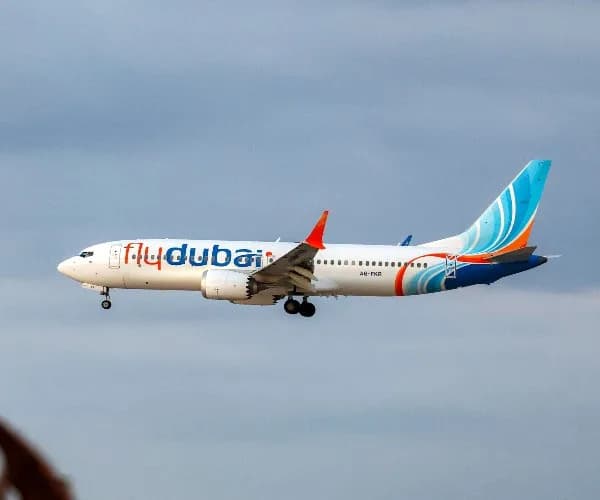
Duale said the patient fell ill about a month earlier and received treatment at several hospitals in DR Congo before travelling overland to Kampala, Uganda, and then boarding a flight to Nairobi. He passed routine public screening on arrival at Nairobi's main airport and was taken by a relative to a city hospital. After initial care at The Nairobi Hospital he was moved to an isolation unit established during the Covid-19 pandemic.
Symptoms, Diagnosis And Outcome
While in isolation the patient developed fever, chills, severe fatigue, painful swallowing, muscle pain and bleeding under the skin. Clinicians, noting his symptoms and travel history, suspected a viral haemorrhagic fever and sent samples for laboratory testing. Those tests confirmed Ebola Bundibugyo virus. The patient died at 23:30 local time (20:30 GMT) on Monday; burial was planned to follow public health safety protocols.
Response And Contact Tracing
Authorities have identified at least 28 close contacts, including family members and healthcare workers, and are tracing an additional 23 passengers and four crew who were on the same flight. Health teams are monitoring contacts and following established infection-prevention procedures to limit further spread.

[BBC]
Outbreak Context
The current outbreak in DR Congo — declared in May — has recorded 8,463 cases and 4,082 deaths, according to the World Health Organization (WHO), making it the largest Ebola epidemic documented in DR Congo. Shortly after the outbreak began, cases were also reported in neighbouring Uganda, where two people died; WHO later declared Uganda free of the disease in August. Since then, all confirmed cases have been in DR Congo.
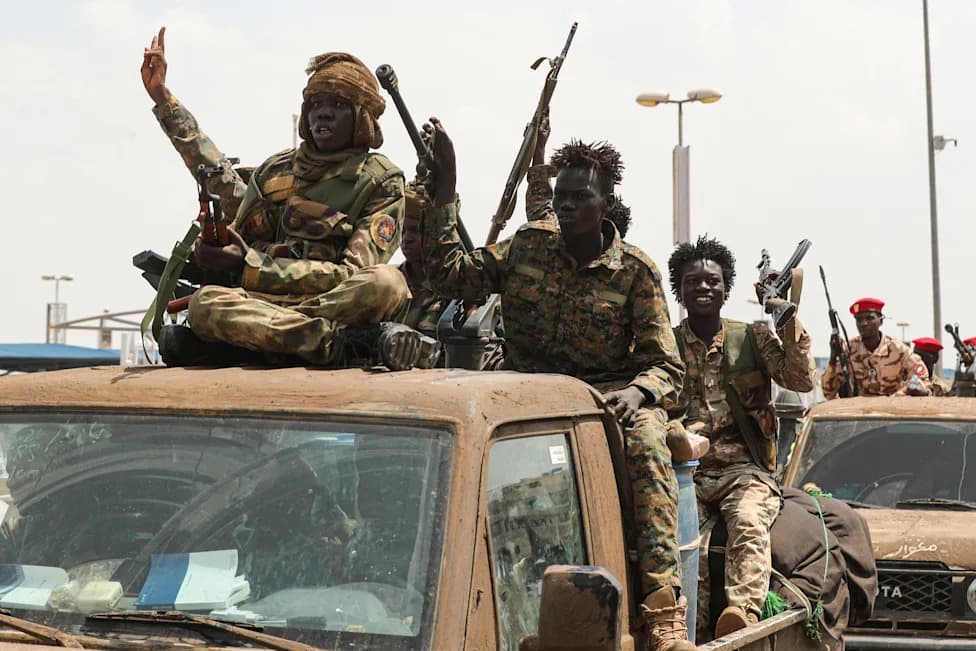
Medical charity Médecins Sans Frontières (MSF) has warned the real toll may be higher because of gaps in surveillance and testing in conflict-affected areas. MSF said the virus is spreading "like a megafire," with new hotspots emerging in North Kivu province. Since early September transmission in North Kivu has intensified dramatically, and the province now accounts for nearly 40% of recently confirmed cases nationwide.
About The Bundibugyo Strain And Vaccines
The outbreak has been driven by the Bundibugyo species of Ebola, a relatively uncommon strain. There is currently no approved vaccine or specific antiviral treatment for this species, although several vaccine candidates are in development and human trials for at least one candidate began in July.
How Ebola Spreads
Ebola transmits through direct contact with infected bodily fluids — for example, blood, vomit or other secretions — and through contaminated objects. Rapid case identification, contact tracing, safe patient care and safe burials are critical to preventing further spread.
Key Takeaway: This is the first confirmed Ebola case and death in Kenya; authorities are tracing contacts and monitoring potential exposures linked to the flight and family members while DR Congo continues to experience a large, hard-to-control outbreak.
Help us improve.