Karl Deisseroth, Peter Hegemann and Georg Nagel won the 2026 Nobel Prize in Physiology or Medicine for optogenetics, a technique that uses light-sensitive proteins to control neurons with high precision. The method began with the discovery of channelrhodopsin in algae and was extended into neurons in the mid-2000s, enabling researchers to activate or silence specific brain circuits. Optogenetics has transformed neuroscience research and shows early clinical promise for restoring vision and treating neurological and metabolic disorders.
Nobel Prize 2026: Optogenetics — Scientists Win For Controlling Brain Cells With Light

Karl Deisseroth (pictured above), Peter Hegemann, and Georg Nagel win the 2026 Nobel Prize in Physiology or Medicine for developing optogenetics—a breakthrough technique using light-sensitive algae proteins to control specific brain cells. ©Image Credit: Stanford Health Care / Andrew Brodhead
Imagine flipping a light switch that, instead of brightening a room, instantly activates or silences specific cells inside the brain. What once sounded like science fiction is now a powerful research tool: optogenetics, the method that uses light to control neurons, has earned Karl Deisseroth, Peter Hegemann and Georg Nagel the 2026 Nobel Prize in Physiology or Medicine.
How The Breakthrough Began
The story starts with a tiny, single-celled alga called Chlamydomonas, which swims toward light. In the early 2000s German scientists Peter Hegemann (71) and Georg Nagel (73) discovered a distinctive surface protein in this alga called channelrhodopsin. That protein is both light-sensitive and electrically active: when introduced into other cells, it can make them respond to light.
From Algae To Neurons
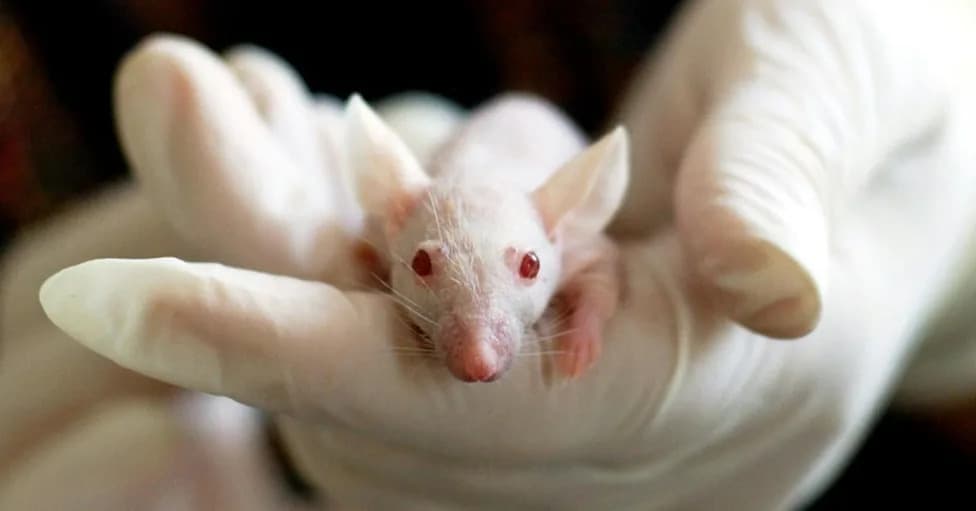
American scientist Karl Deisseroth (54), a professor of bioengineering and psychiatry at Stanford University, took the discovery further. By inserting the channelrhodopsin gene into neurons in rodents in the mid-2000s, his team used light to control neuronal activity directly. Illuminating the engineered neurons around 2007 enabled them to trigger behaviors such as mouse whisker movement — effectively turning the protein into a light-controlled neuronal switch.
Why Optogenetics Matters
Before optogenetics, tracing and manipulating specific neural pathways was extremely difficult. With precisely targeted light, researchers can now activate or silence defined sets of neurons, mapping the circuits that underlie specific memories, emotions and behaviors. This precision has revolutionized basic neuroscience and accelerated research into the neural bases of disorders.
Researchers have already used optogenetics to study processes such as pain, social behavior, thirst and reward, and to probe the neural circuits involved in psychiatric and neurodegenerative conditions.
'The ability to activate or silence neurons in the brain using laser light has opened the door to unprecedented precision,' said Andrea Benucci, a professor at Queen Mary University of London.
Early Clinical Applications And Future Possibilities
Clinical applications are emerging. In one reported case, scientists introduced a channelrhodopsin-like protein into the retina of a patient with retinitis pigmentosa; paired with light-emitting glasses, the intervention restored enough vision for the person to identify and pick up objects. Teams are also exploring optogenetic approaches to enhance cochlear implants and investigating broader biomedical applications — from targeted modulation of neural circuits in depression or Parkinson's disease to speculative ideas such as light-controlled insulin release for diabetes.
'Imagine if you could control diabetes with light that triggers insulin release instead of pricking your finger,' said Seraphine Wegner, a synthetic biologist at the University of Munster. 'What I really hope this field can accomplish is the ability to control any cellular function with light.'
The Prize And Reactions
The three laureates will equally split the 12 million Swedish krona prize (about $1.2 million). Deisseroth said he was groggy after a late-night work session when the Nobel call came and could barely form words. 'I'm delighted to share the prize with Peter and Georg,' he said, praising their collaboration. Nagel learned the news while relaxing in Italy and expressed surprise that optogenetics had already been honored with the medicine prize.
Sources: CNN, Nature, Nobel Prize announcements and reporting compiled by GEEKSPIN.
Help us improve.