Researchers at Michigan State University report that a single-dose viral gene therapy restored vision and repaired retinal connections in adult whippet dogs with defective CaBP4 genes. Treated animals showed improved low-light vision and anatomical recovery, including expansion of the outer plexiform layer and elongation of synaptic ribbons. Effects persisted for up to three years, demonstrating adult retinal plasticity and suggesting potential applications for neural-repair strategies beyond this rare genetic condition.
Single-Dose Gene Therapy Restores Vision and Rewires Adult Retinas in Dogs
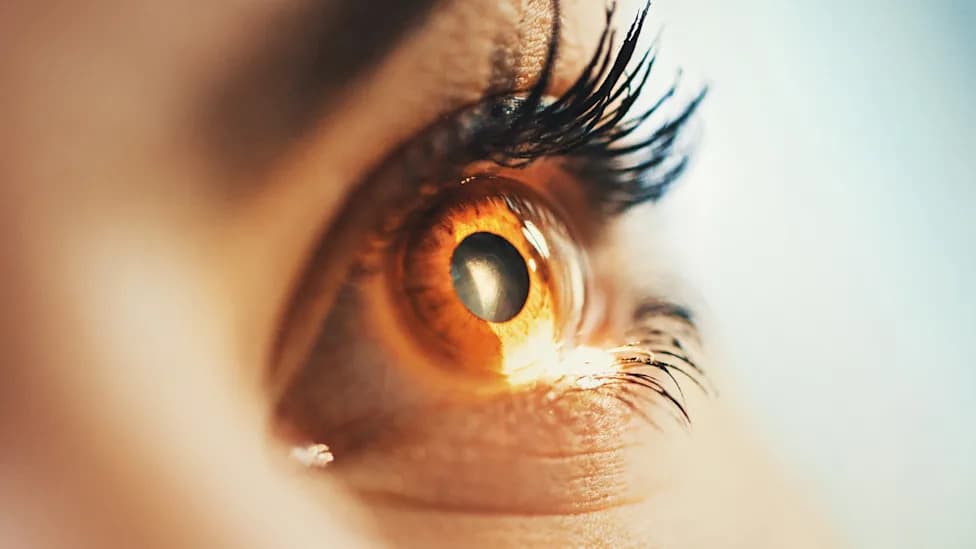
(gilaxia/iStockphoto/Getty Images)
Researchers report that a single injection of gene therapy restored vision and repaired damaged retinal connections in adult whippet dogs carrying faulty copies of the CaBP4 gene. The work, led by a team at Michigan State University and published in Molecular Therapy Advances, shows both functional recovery and anatomical repair in regions of the retina previously thought to be fixed after development.
What the team did
Scientists identified a hereditary CaBP4 mutation in a group of whippets. They delivered a working CaBP4 gene to the animals' retinas using a harmless viral vector in a single-dose treatment. The study tracked vision and retinal structure for up to three years after treatment.
YouTube Thumbnail
Key findings
Treated dogs displayed substantially improved vision, especially in low-light conditions where CaBP4 deficiency has the greatest effect. Anatomical measures matched the functional gains: treated retinal regions showed less degeneration; the outer plexiform layer (OPL), which contains critical photoreceptor-to-bipolar cell connections, expanded; and synaptic ribbons within photoreceptors elongated and matured—changes that indicate structural repair.
"We were able to show three independent structural changes supporting plasticity in the adult retina," said veterinary ophthalmologist Billie Beckwith-Cohen (Michigan State University). "Not only were new components added, but pre-existing abnormalities were repaired."
Why this matters
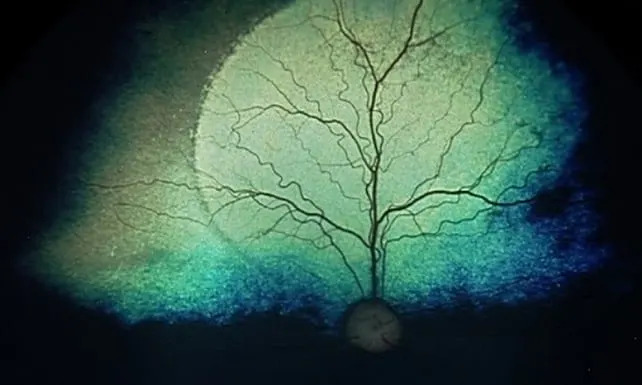
A dog retina scan showing repaired nerve connections two years after treatment. (Beckwith-Cohen et al.,Mol. Ther. Adv., 2026)
The findings demonstrate that adult mammalian retinal circuits retain a surprising degree of plasticity and can be structurally rewired after developmental abnormalities. Although the CaBP4-related disorder is rare in both humans and dogs, the result suggests gene augmentation could be a route to repairing other damaged neural networks and informs the role of calcium signaling in retinal communication.
Caveats and next steps
While the results are promising, translation to human patients remains to be demonstrated. Differences between species, long-term safety, dosage optimization, and broader applicability beyond this specific genetic defect require further study. The authors note the work is the product of roughly a decade of research and that benefits persisted through multi-year follow-ups in the treated dogs.
Conclusion
A single-dose viral gene augmentation restored low-light vision and produced measurable structural repair in the adult canine retina, revealing adult retinal plasticity and pointing to potential avenues for broader neural-repair strategies. The full study appears in Molecular Therapy Advances.
Help us improve.