Climate Week NYC shifted from alarm to answers, emphasizing practical solutions and storytelling over repeated warnings. Events like Solutions House and sessions with Project Dandelion, Oatly and Beyond Meat focused on normalizing solutions. New research from the Talking Climate Collaborative revealed many communicators work alone and lack funding, while a Carnegie Endowment report urged diversification beyond traditional media. The UN's new ECCA strategy and moments like Elmo's appearance highlighted how culture and imagination are becoming central to climate action.
From Alarm to Answers: How Climate Week NYC Bet on 'Solutions Storytelling'
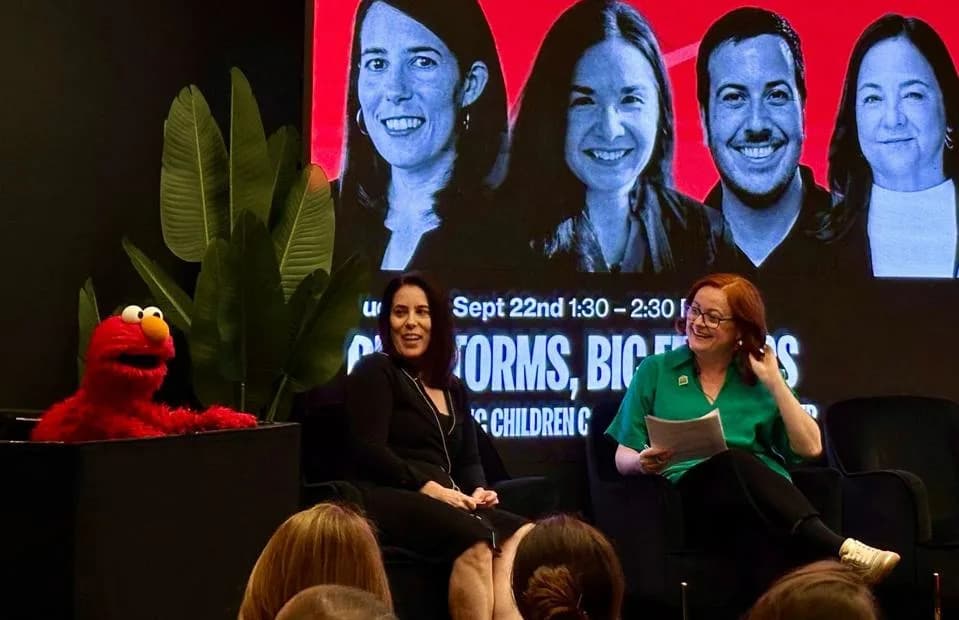
Elmo addressing Solutions HouseBarak Shrama
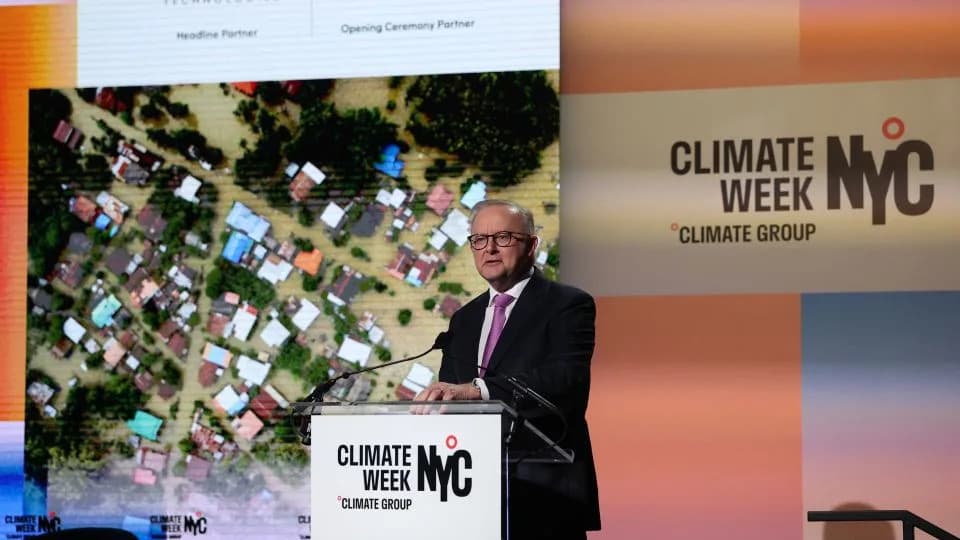
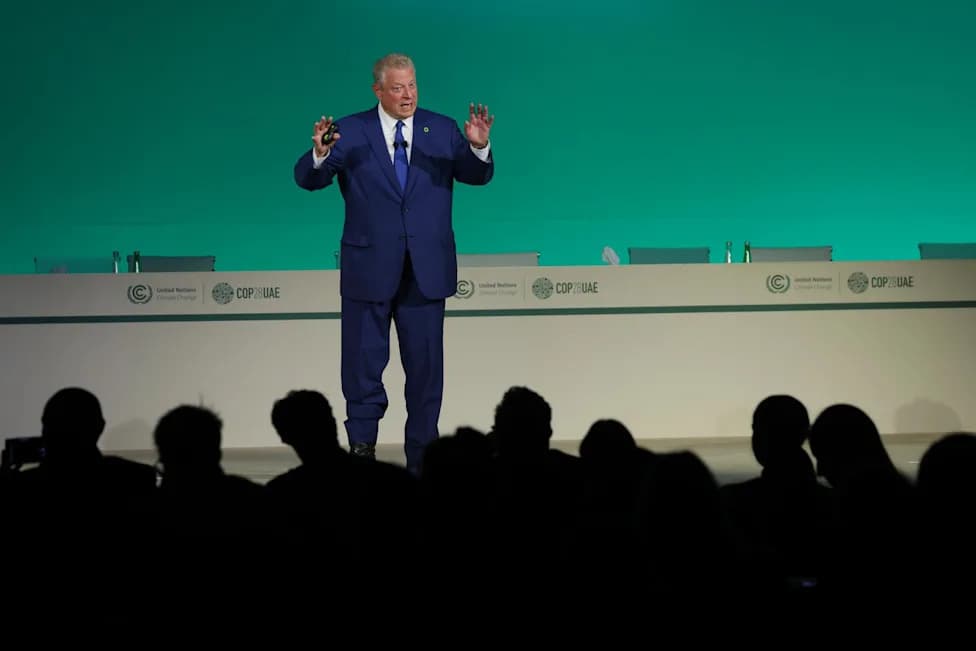
From the opening moments of Climate Week NYC this year, the tone felt different. For a decade, Climate Group CEO Helen Clarkson began the week by cataloguing the record-breaking floods, fires, heatwaves and other disasters of the previous 12 months. This year she paused on that litany and shifted the focus toward responses — practical, scalable and imaginative.
A New Tone: Answers Over Alarm
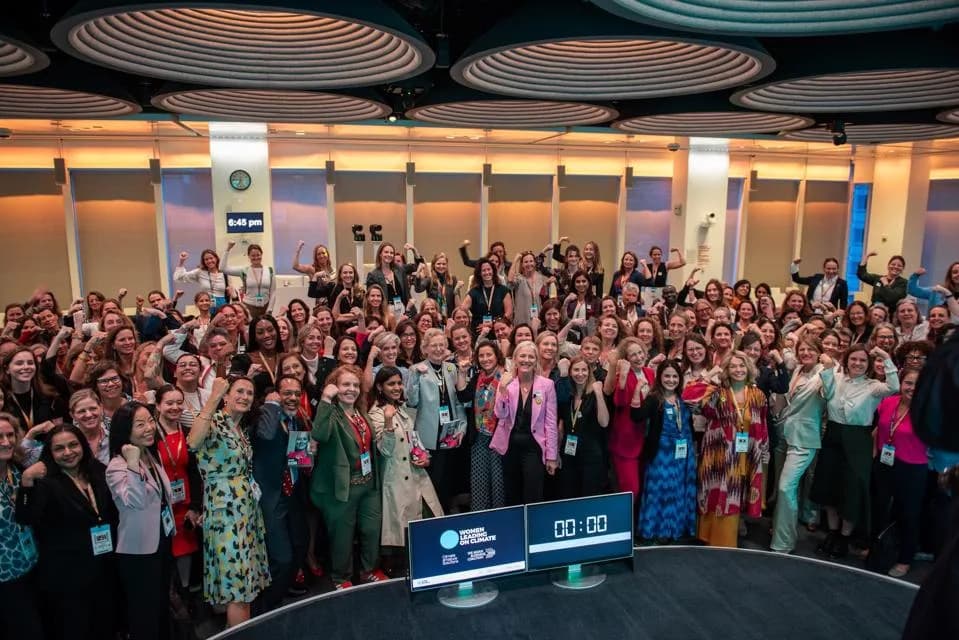
That pivot reflected a broader mood across the programme: a move from repeated warnings toward showcasing solutions and the people who build them. Events like Grist's Rewriting the Climate Story: 10 Years of Solutions highlighted makers, builders and dreamers who translated ideas into sectoral, policy and community change. Vogue described the change as a swing from 2025's "doomism" to a prevailing spirit of "defiance," with imagination and optimism recurring across the week.
Making Solutions Ordinary
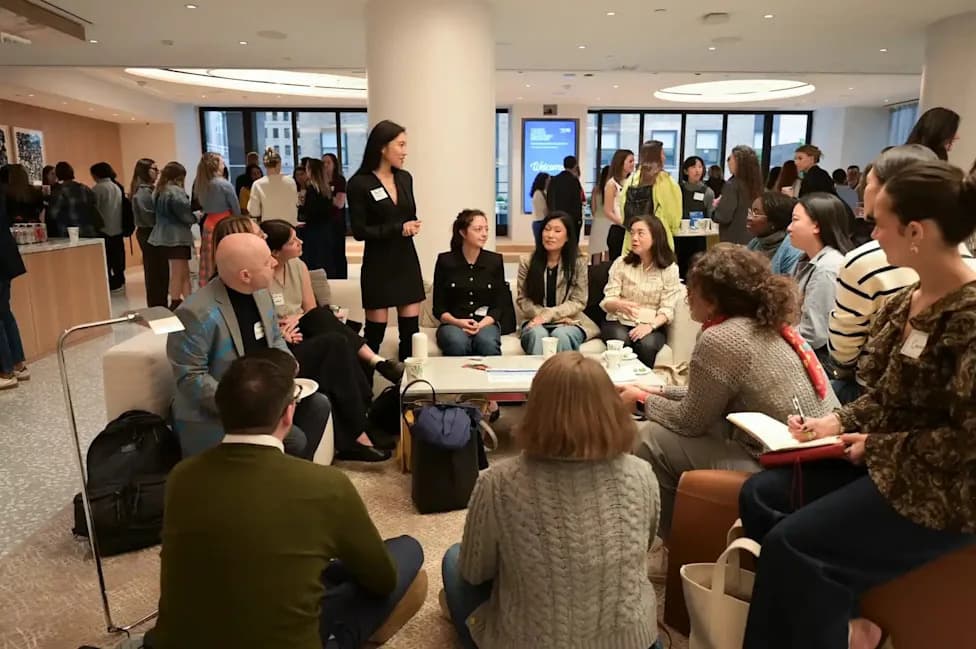
At Solutions House — which deliberately carries the motto "Answers Only" — events put that philosophy into practice. Our Climate Solutionists Hiding In Plain Sight session with Project Dandelion gave five emerging voices five minutes each to answer: What climate solution are we missing? The aim was not to prescribe leadership but to listen and amplify already-visible, often overlooked ideas.
Other sessions tackled normalization directly. The Exponential Roadmap Initiative, Oatly and Beyond Meat convened Solutions Exist: Make Them The Default, reframing the transition away from restriction and toward possibility — focusing on what businesses can build, scale and normalize rather than only what they must give up.
Narrative vs. Messaging
The week deepened the conversation about the word "narrative." At our Big Narrative Debate (with TED Countdown and the Sustainable Entertainment Alliance) speakers argued whether calls for a new climate narrative mean smarter messaging or richer storytelling. Messaging relies on framing, facts and persuasion; storytelling works through character, desire, conflict and imagination. A well-crafted message about heat pumps is still a message; a TV character who casually uses one helps make that behaviour feel normal.
"Creative and cultural sectors reach people in ways no communique, report or negotiation text ever could," said UN Climate Change Executive Secretary Simon Stiell at the launch of a new strategy linking culture and climate action. "Climate action does not just need policy and investment. It needs imagination."
Research: Who's Speaking — And Who's Alone?
Two important pieces of research framed the week's practical discussions. A Carnegie Endowment report argued that the traditional media gatekeepers no longer dominate the "market for ideas": podcasts, creators, newsletters and social platforms now matter as much or more, so expert organisations must diversify how and where they communicate.
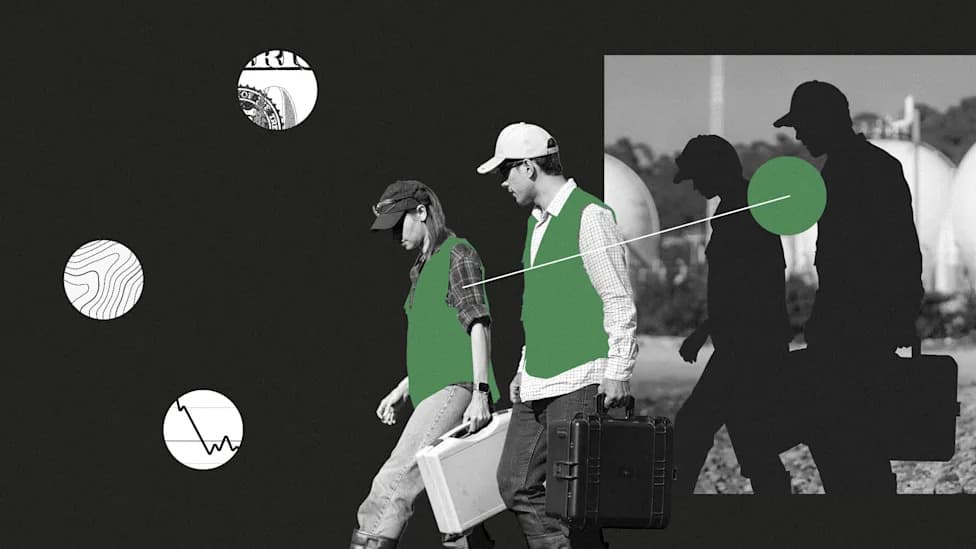
Researchers from the Talking Climate Collaborative, led by Dana R. Fisher at American University, mapped the climate communications ecosystem across the US and Canada, surveying 210 leading communicators. They found scientists, business leaders, health experts, faith figures, teachers, athletes, journalists and creators all communicating on climate — but often in isolation. About one-third of communicators reported working entirely alone, and six in ten said they had not received funding for climate communications in the past five years, despite nearly eight in ten doing communications work at least weekly.
Importantly, persuasion ranked relatively low as a goal; most communicators now aim to inform people and help them act. But the research also found audiences are still siloed: communicators more frequently target government, policymakers and energy audiences than faith groups or manufacturing, pointing to missed opportunities for broader engagement.
Culture, Entertainment and the ECCA Strategy
Near the end of the week, UN Climate Change unveiled the Entertainment and Culture for Climate Action (ECCA) strategy. The plan links culture to Article 12 of the Paris Agreement — the commitment by governments to educate, empower and engage the public — and seeks to make cultural sectors a core pillar of international climate action across film, television, music and visual arts.
Emotional Resonance: Elmo and Family-Focused Storytelling
One of the week's most memorable moments came when I interviewed Elmo at Big Storms, Big Feelings, where Sesame Workshop previewed new material showing how children and families experience extreme weather. Among parents who had experienced extreme events, 78% worried about the impact on their children. In the new Storm on Sesame Street, Elmo and his friends prepare for a storm, feel fear, practice calming strategies, recognise helpers and find practical actions they can take.
Elmo's takeaway — "So long as you're with the people you love, you'll be home" — and his gentle sign-off, "Elmo loves you," moved a room of climate professionals. It underlined a vital point from the week: stories connect emotionally and make resilience feel attainable.
Why This Matters
Climate Week NYC's shift from alarm to answer is more than tone; it's strategic. Making solutions simple, normal and emotionally resonant — and expanding who tells those stories — can change social norms and accelerate action. The week showcased the potential of creative storytelling, diverse messengers and cultural reach to turn climate solutions from technical concepts into everyday realities.
Help us improve.