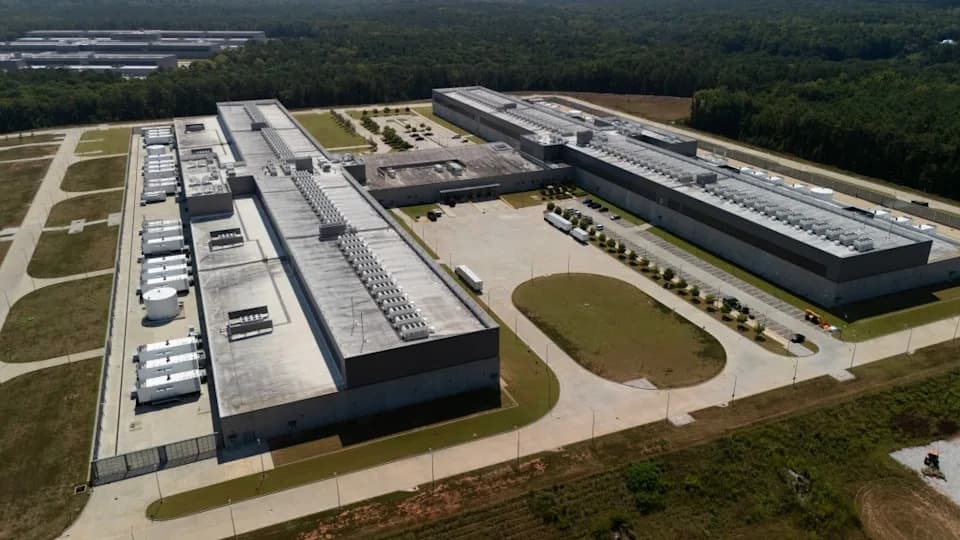
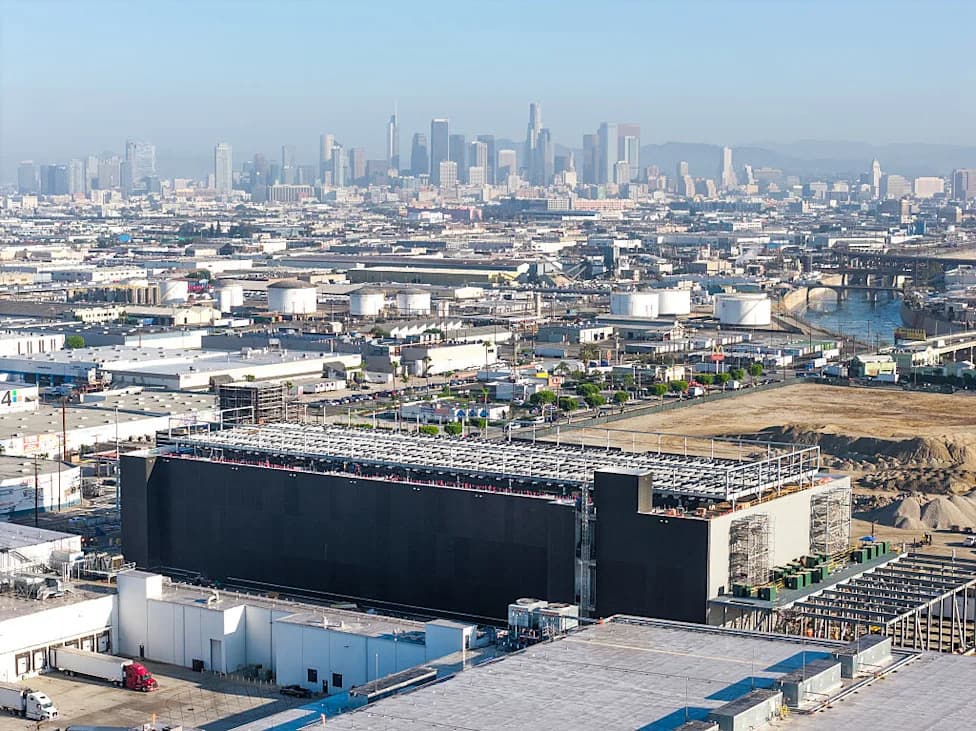
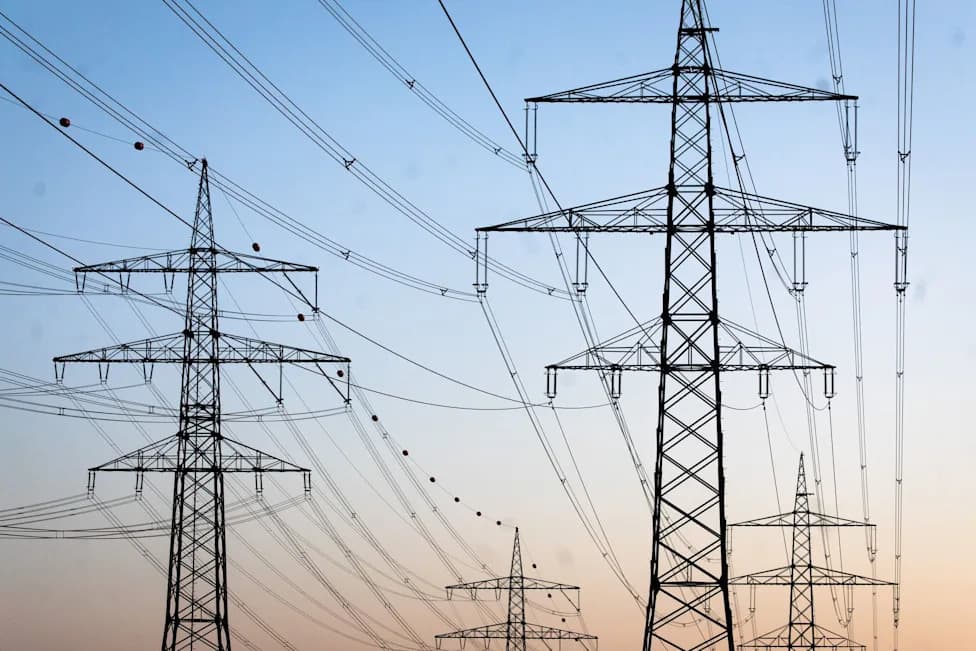
Climate Week in New York — attended by roughly 100,000 people alongside the UN General Assembly — shifted this year from a primary focus on emissions targets to urgent debates about powering AI and data centers without new fossil fuel plants. Panels prioritized rapidly expanding electricity supply, grid upgrades and permitting reform, while resilience and adaptation emerged as dominant themes. Attendees, including governors and mayors, acknowledged that the Paris 1.5°C goal is increasingly unlikely and emphasized preparing for impacts even as mitigation efforts continue.
How AI Hijacked Climate Week: Powering Data Centers and the Shift to Resilience
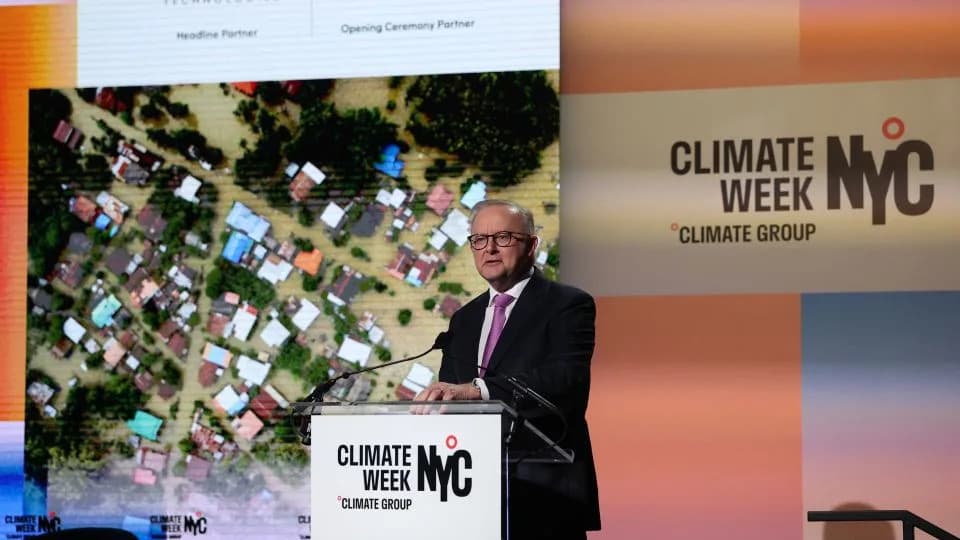
Australian Prime Minister Anthony Albanese speaks at the opening of Climate Week, ahead of the United Nations General Assembly in New York, on September 21, 2026. - Timothy A. Clary/AFP/Getty Images
Each mid-September, roughly 100,000 climate activists, journalists, tech founders, diplomats and funders converge on New York City for Climate Week, an event timed to overlap with the UN General Assembly so global leaders can participate amid their packed UN schedules.
This year’s Climate Week felt noticeably different. While conversations about emissions targets, timetables and scaling solutions remained, many sessions were dominated by an urgent, immediate question: how to supply the booming electricity demand from AI and its electricity‑hungry data centers without building new fossil‑fuel plants.
From Emissions To Electrons
Panels and private meetings often sidestepped the word “climate” in favor of practical discussions about grid capacity, permitting, transmission upgrades and faster deployment of low‑carbon electricity. I moderated two panels at the Electricity Innovation Initiative’s summit focused on electrifying the economy — a central theme because the transition to renewables is largely an electrification story.
Many sessions highlighted the political and social tensions around data center expansion. Governors, mayors and other officials described a growing, bipartisan backlash in some communities as leaders wrestle with how to balance economic growth, local impacts and decarbonization goals.
Resilience Takes Center Stage
Alongside debates about power supply, conversations about resilience and adaptation were widespread. Businesses, cities, insurers and major food producers spoke more about preparing for increasingly frequent and severe climate disasters than about long‑term mitigation alone — reflecting the reality that many impacts are already here.
There was a near‑uniform recognition — sometimes tinged with resignation — that meeting the Paris Agreement’s 1.5°C target is increasingly unlikely, and that planning for unavoidable impacts must proceed in parallel with rapid emissions cuts.
Over the past several years, climate change has moved from a future threat to a present‑day crisis. At the same time, an urgent economic imperative to scale data centers for AI has complicated the politics and priorities of decarbonization, making the tradeoffs between rapid electrification and avoiding new fossil infrastructure more visible.
In private conversations, professionals from insurance, food production and climate tech emphasized resilience strategies — from grid hardening and backup power to supply‑chain planning — underscoring a pragmatic shift in how organizations are preparing for the climate impacts already unfolding.
Bottom line: This Climate Week signaled a recalibration: while mitigation remains vital, leaders and stakeholders are increasingly locked in debates about immediate energy capacity, the pace of electrification, and how to adapt to mounting climate impacts while trying to keep long‑term decarbonization on track.
Help us improve.