The female wasp spider (Argiope bruennichi), nicknamed "Wendy," was found on Chester Zoo's 205-hectare estate, marking the species' most northerly confirmed UK record. Identification was verified by the British Arachnological Society. Females reach about 0.78 inches (≈20 mm) and build orb webs up to 12 inches (≈30 cm) across. Experts link the northward expansion to warmer summers and milder winters driven by climate change and warn this trend could increase pressure on native wildlife.
Wasp Spider 'Wendy' Reaches Northern England — First Confirmed Sighting in Cheshire
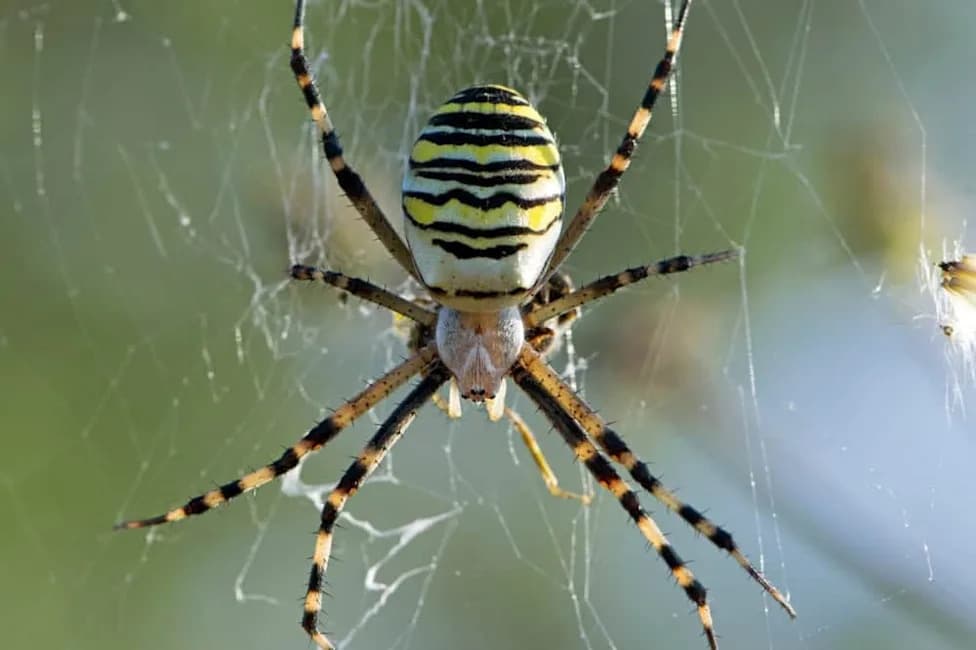
large wasp spider sits on a web on a green background. Argiope Bruennichi, or lat spider wasp. Argiope bruennichi eating his victim, a species of araneomorph spider. macro, black-yellow male spider.© Oleksandr Filatov/Shutterstock.com
A striking black-and-yellow spider, nicknamed "Wendy" by Chester Zoo staff, has been recorded in northern England for the first time. The female was discovered during a biodiversity survey on the 205-hectare Chester Zoo estate and identification was confirmed by the British Arachnological Society. This find marks the most northerly UK record to date for the wasp spider (Argiope bruennichi), a species previously confined mainly to southern England.
Distinctive Appearance and Size
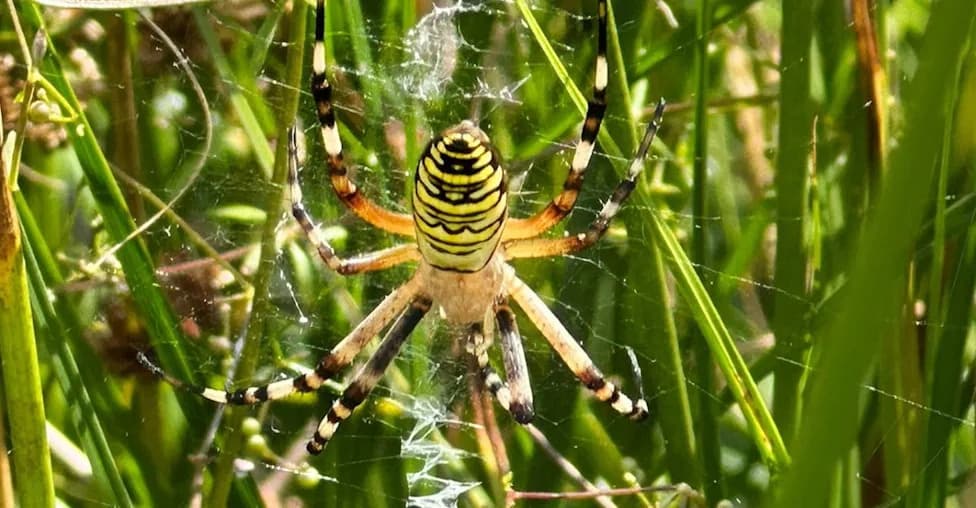
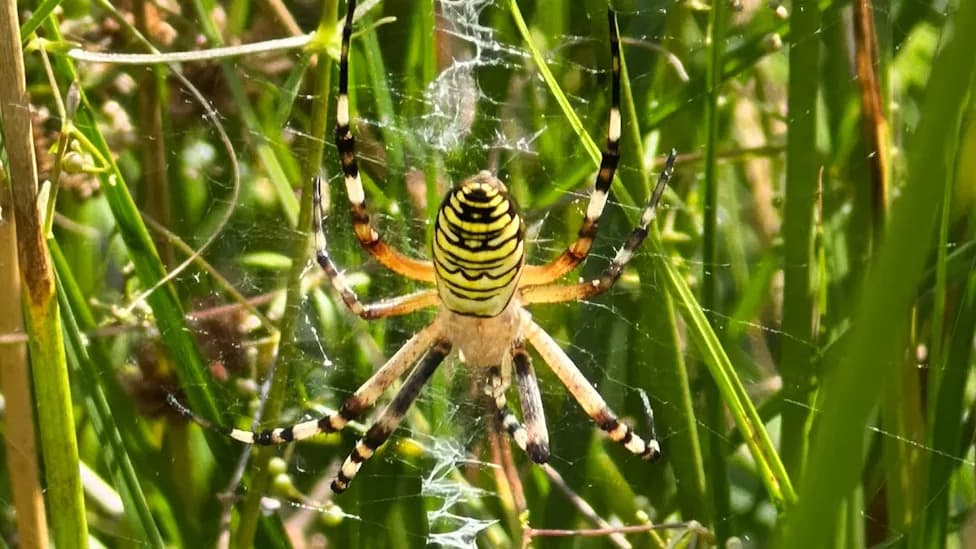
Wasp spiders are unmistakable: their abdomen shows bold black-and-yellow banding that likely serves as a warning to predators. Females are relatively large for UK spiders, reaching about 0.78 inches (≈20 mm) in body length, noticeably bigger than common house spiders. Males are much smaller and are often seen suspended on a silk thread near a female's web.
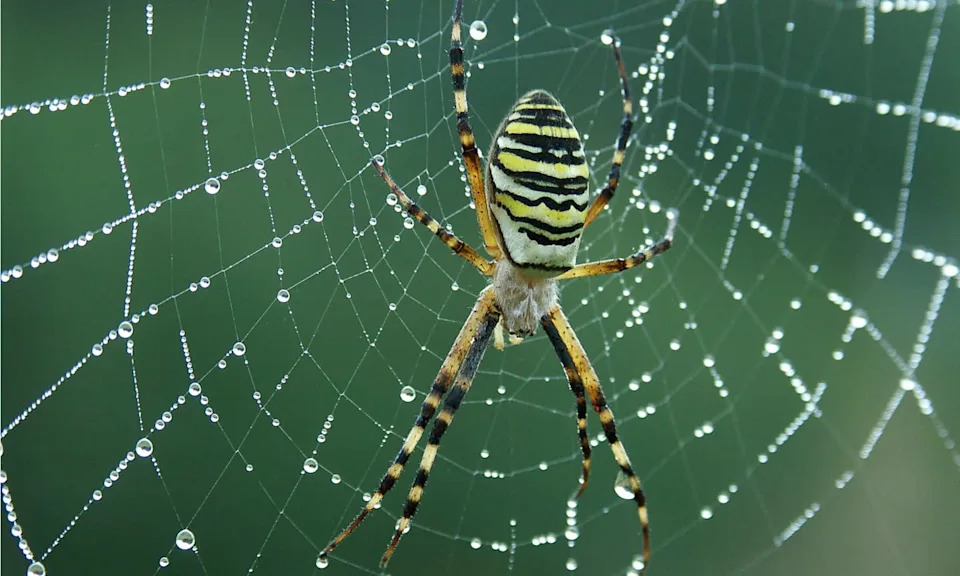
Wasp spiders warn predators with their coloring.©Violart/Shutterstock.com
Where Wendy Was Found
Wendy was located on the Chester Zoo estate, a mosaic of grassland, woodland and orchards spanning 205 hectares. Female wasp spiders spin large orb webs that can span up to 12 inches (≈30 cm); they sit at the centre waiting for prey such as crickets and grasshoppers.
Bite Risk and Diet
While wasp spiders can bite if provoked or handled, their venom is generally mild for humans — comparable to a nettle sting — and rarely causes serious harm. To the small insects that become trapped in their webs, however, they are lethal.
Chester Zoo estate is home to many native UK species.©Haydn Lloyd- Neilson/Shutterstock.com
Reproduction and Behaviour
Mating can be perilous for males. When a male approaches a female's web, she may wrap him in silk and sometimes eat him. Although some males escape, sexual cannibalism is commonly observed and provides protein that helps the female produce eggs. Females lay eggs in a flask-shaped brown sac suspended from vegetation; spiderlings typically emerge the following spring.
"It's exciting to see new species like Wendy on site, but her arrival is part of a broader, more worrying trend," said Scott Wilson, Head of Field Programmes at Chester Zoo. "Our conservationists work across the world, and we are witnessing the impacts of climate change in real time... It is a major threat to biodiversity."
Climate Link and Range Expansion
Scientists and zoo staff have described Wendy as a "climate refugee": a species shifting its range northward as summers grow warmer and winters milder. Native to Mediterranean-like open grasslands, the wasp spider requires roughly three months of warm weather plus a mild winter to breed successfully. First recorded in East Sussex in 1922, the species has become widespread across southern England and is now extending into the Midlands and northern counties as conditions change.
Ecological Concerns
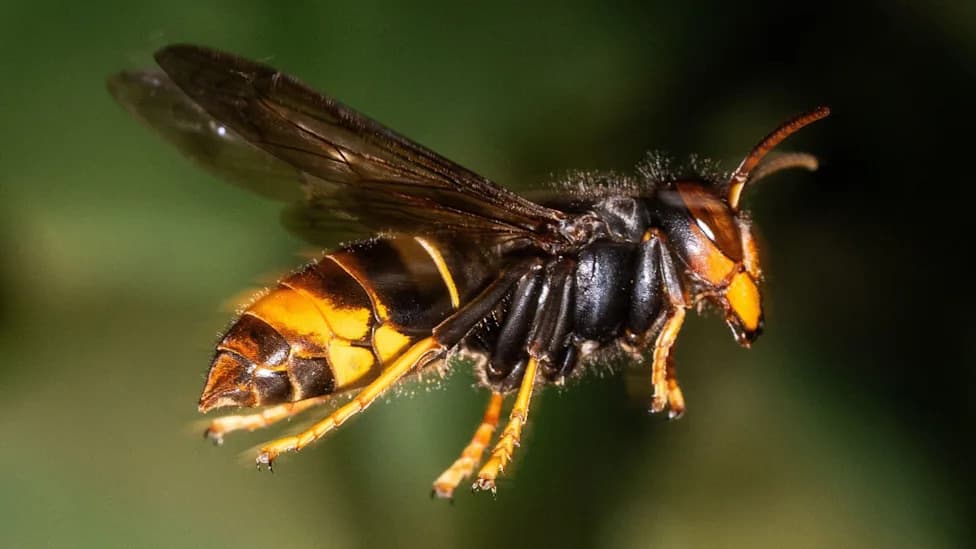
While many experts urge tolerance — these animals are moving because of human-driven climate change — the arrival of new species can raise ecological questions. Incoming species may compete with native fauna already stressed by habitat loss and climate change. The northward spread of other non-native or invasive species, such as the Asian hornet, is an additional conservation concern.
Wendy's presence in Cheshire is a noteworthy natural observation and a tangible reminder of broader environmental change. Observers are encouraged to record sightings with local wildlife groups and to respect wildlife by observing from a distance rather than handling spiders.
Help us improve.