President Trump mistakenly referenced India while discussing Brazil’s presidential vote in a Truth Social post, and he renewed unproven accusations that U.S. voting is "corrupt." He contrasted Brazil’s fast results—driven largely by nationwide electronic voting—with slower reporting in some U.S. jurisdictions and cited India’s turnout to argue for federal voting changes. Experts say differences in election systems and timing, not fraud, explain the speed of results across countries.
Trump Mixes Up Brazil And India While Renewing Unsubstantiated Claims That U.S. Voting Is “Corrupt”
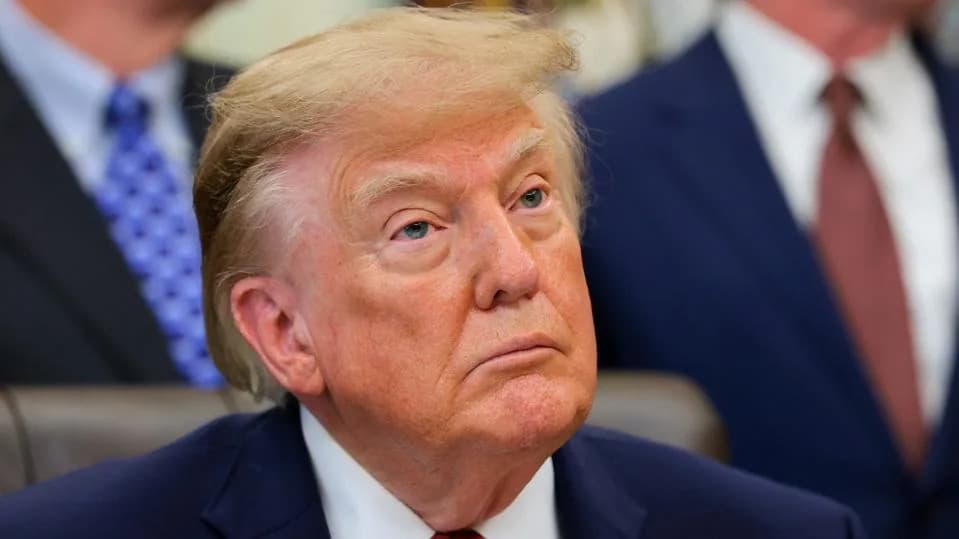
President Donald Trump appeared to mix up Brazil's Presidential elections with India's.
President Donald Trump late Sunday posted a message on Truth Social that appeared to confuse Brazil’s presidential vote with India’s national elections and used the post to again claim—without evidence—that voting in the United States is corrupted by slow or fraudulent counting.
In the post, Trump wrote that "125 million people voted in the first round of India's Presidential Election," though Brazil was the country that held its first-round presidential vote that day. He highlighted how Brazilian results were reported "shortly after the vote closed, on the SAME DAY!" and contrasted that speed with counting in several U.S. jurisdictions.
Trump named Democratic-run jurisdictions including Detroit, Philadelphia and the state of California, asserting without evidence that they "take weeks to Rig" elections. He closed the post by declaring, in all caps, "Voting in America is CORRUPT." These accusations were made without documentation or verifiable proof.
Why Brazil’s Results Were Faster
Brazil’s relatively rapid reporting of results reflects several factors, most notably the country’s nationwide use of electronic voting machines that tally and transmit counts quickly after polls close. By contrast, differences in U.S. state laws, mail-in ballot timelines, and post-election processing can lead to slower public reporting in some jurisdictions.
India, Turnout And The Broader Argument
Although Trump mistakenly invoked India in this post, he has recently cited India’s election procedures in arguing for U.S. election changes. He referenced India’s very large 2024 turnout and low share of mail ballots to press for federal rules such as the "THESAVE AMERICA ACT," which he described as requiring documentary proof of U.S. citizenship to register to vote. The post did not note that India’s 2024 general election was conducted in multiple phases over several weeks and that ballot counting began after the final phase concluded. India also uses standardized electronic voting machines administered at the national level.
Related Claims And Context
In recent months, Trump has repeatedly made unsubstantiated allegations about vote tabulation and mail ballots, including claims about California primary contests. Those accusations have not been substantiated by evidence; in at least one contested race, Republican Steve Hilton advanced to the general election despite the president’s complaints.
Brazil’s Vote Outcome
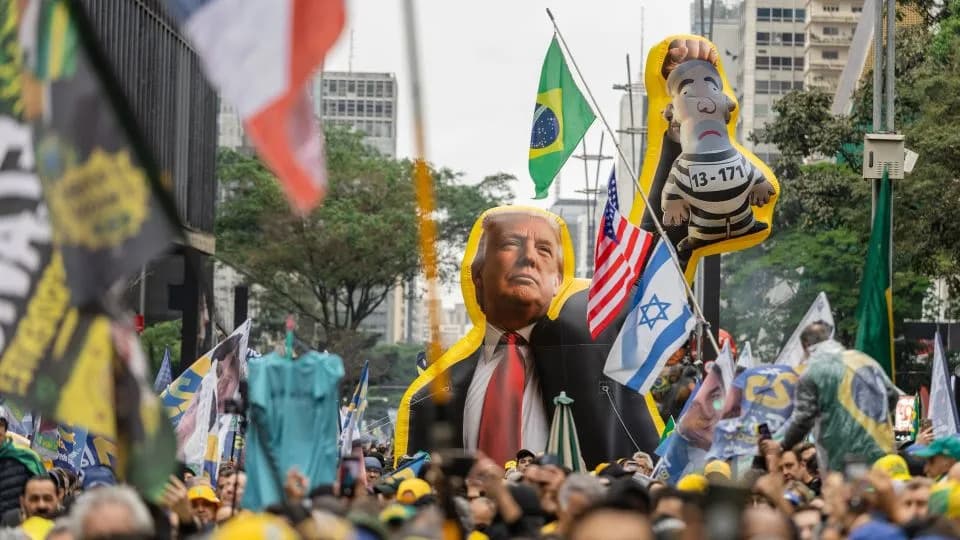
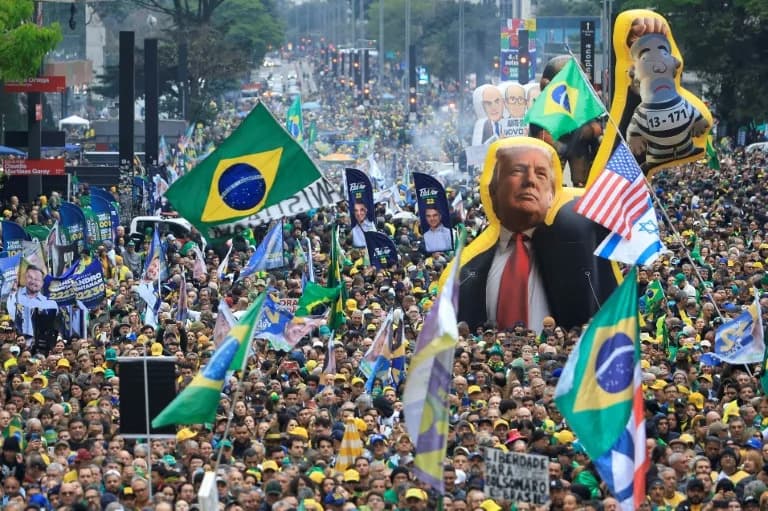
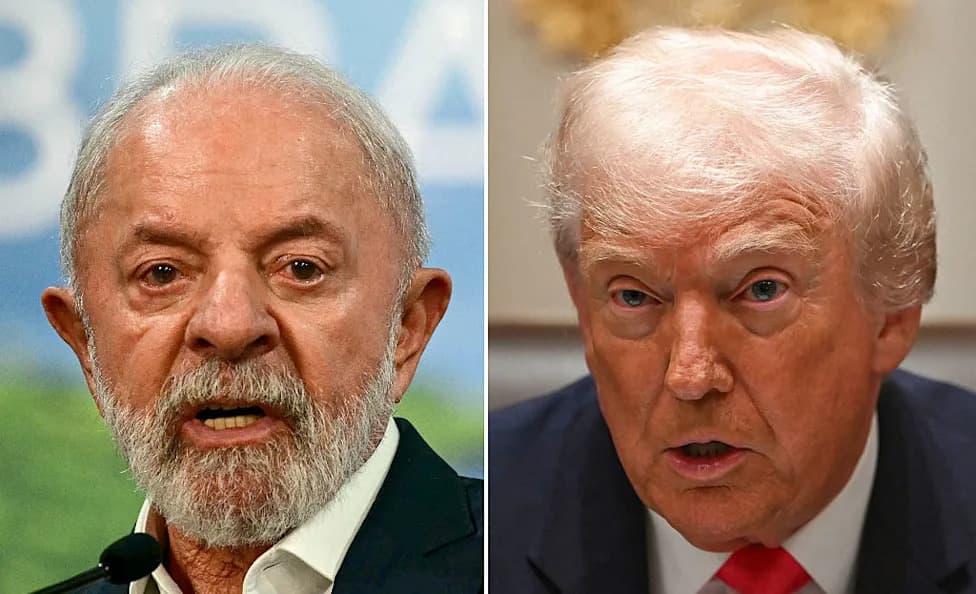
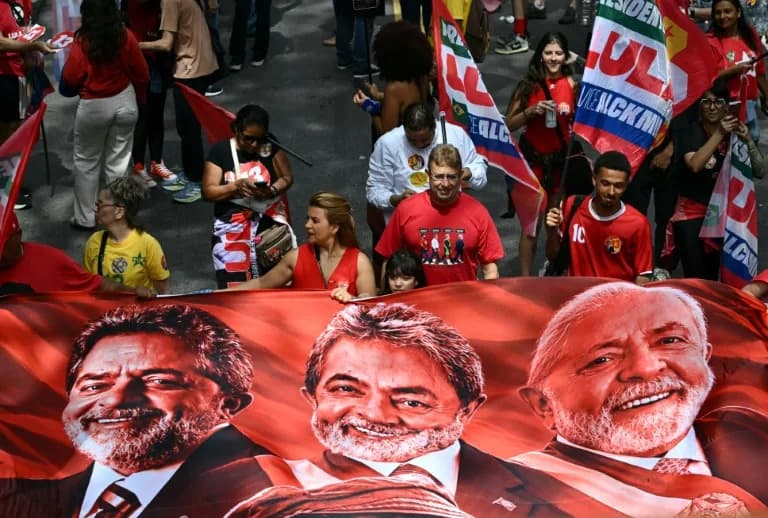
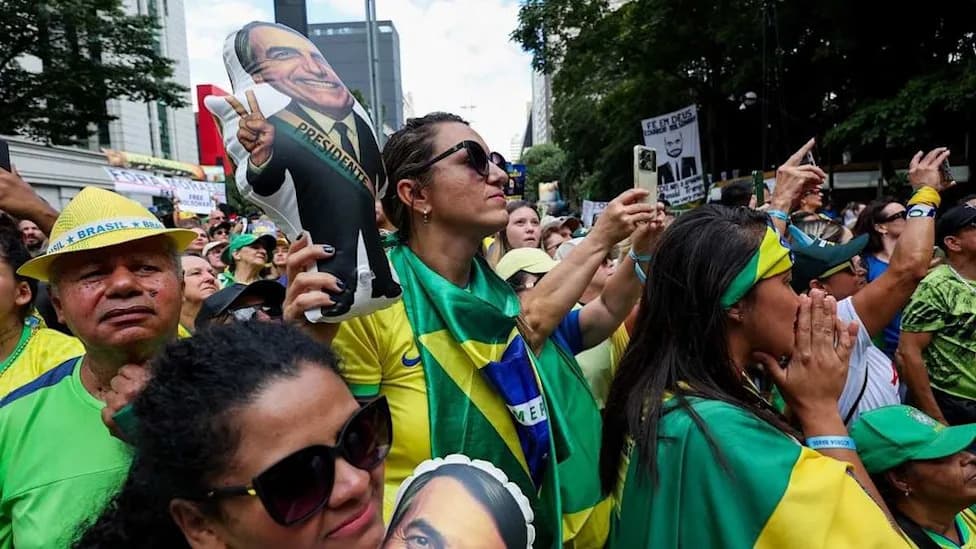
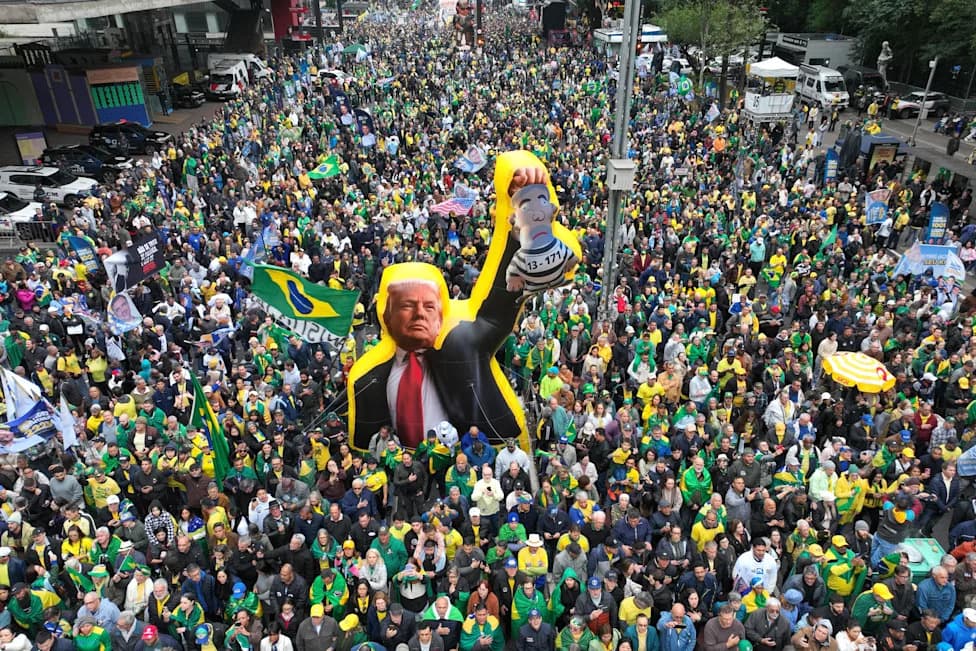
In Brazil’s first round, no candidate secured an absolute majority, forcing a runoff. Flávio Bolsonaro—an ally of Trump and son of former President Jair Bolsonaro—led the first round with about 47% of the vote, while incumbent President Luiz Inácio Lula da Silva received roughly 45.1%.
Key Quote From Trump: "Voting in America is CORRUPT" (posted on Truth Social; no evidence provided).
The post illustrates how comparisons between countries with very different electoral systems and timelines can be misleading when used to argue for sweeping changes in U.S. voting law. Experts note that technological, administrative, and legal differences—rather than malfeasance—largely explain variations in how quickly results are reported.
Help us improve.