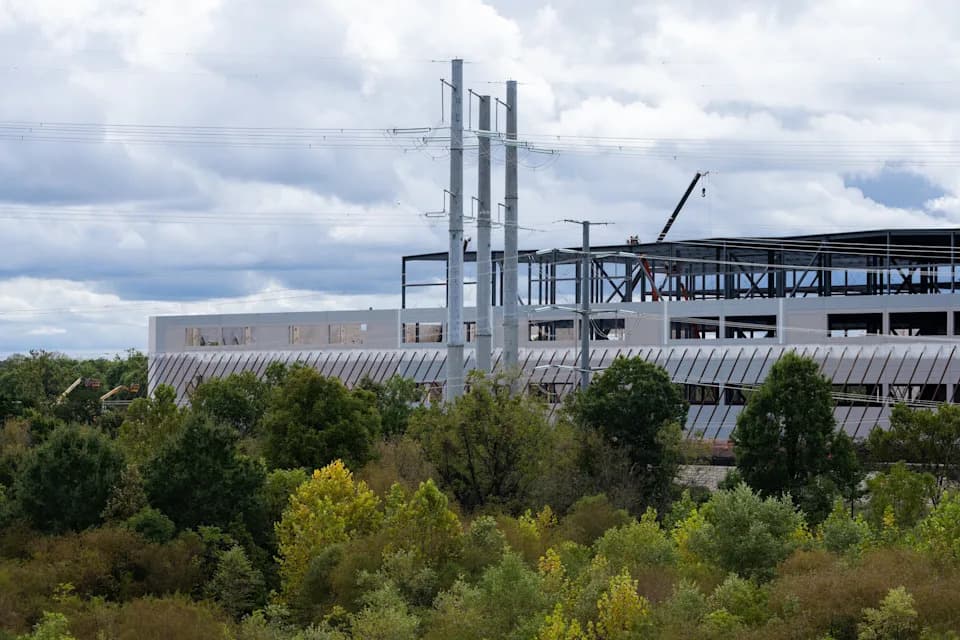
The proposed 100,000 sq m data centre at Charlton Riverside has sharpened a wider London debate about whether scarce industrial land should host digital infrastructure or new homes and regeneration. Greenwich Council and many residents oppose the plan amid local proposals for about 8,000 homes and 1,000 jobs. Developers argue data centres are critical infrastructure and point to modern low-water cooling and renewable power; critics highlight energy, water, noise and lost housing opportunities. The dispute underscores a broader trade-off between digital growth and local housing needs.
Housing Or Data Centre? Charlton Riverside Puts London’s Land-Use Dilemma In Sharp Focus

A Charlton data centre proposal has become the latest flashpoint in the debate about technological infrastructure and housing [Getty Images]
A growing debate over London’s future land use is crystallising in Charlton Riverside as developers, local residents and the council clash over whether a large industrial site should host a data centre or be prioritised for housing and regeneration.
What’s Proposed
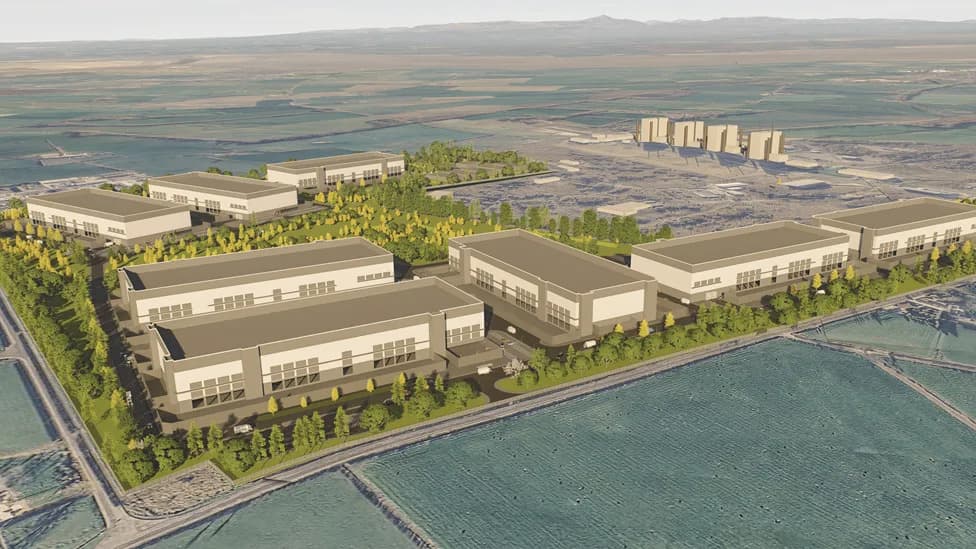
The plan on the table is for a roughly 100,000 sq m (about 1 million sq ft) data centre on industrial land in Charlton Riverside. Greenwich Council has described the proposal as "concerning" and has publicly opposed the idea before a formal planning application has been submitted.

Mark Pestridge says data centre operators have not done a good job of educating people about how much electricity and water they use [BBC]
Arguments For Data Centres
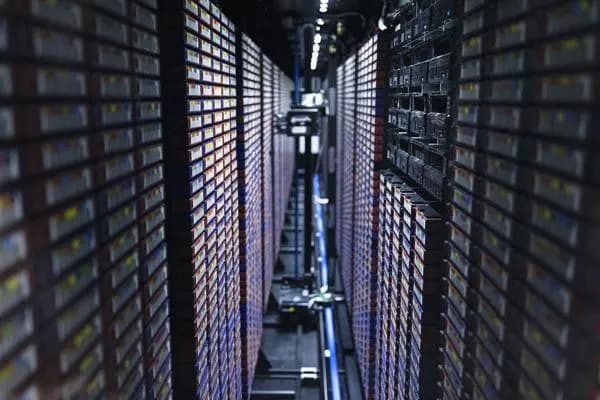
Developers and industry representatives say data centres are critical national infrastructure that underpin everyday digital services—from online banking and medical records to streaming and cloud-based AI. Mark Pestridge, managing director at Telehouse, emphasises London’s role as a global technology and finance hub and says demand for large-scale computing capacity is accelerating.
"If you think about everything you do on a daily basis... that will all run through a place like this," Pestridge said, adding that Telehouse uses closed-loop water systems, sources electricity from wind farms and fits noise-dampening equipment.
Arguments For Housing And Regeneration
Greenwich Council and many local residents argue the site is earmarked for wider regeneration: the council’s plans for Charlton Riverside envisage around 8,000 new homes, improved public transport and roughly 1,000 additional jobs. Tom Creswell, the council’s cabinet member for planning and development, said local priorities must focus on serving residents and delivering meaningful opportunities.
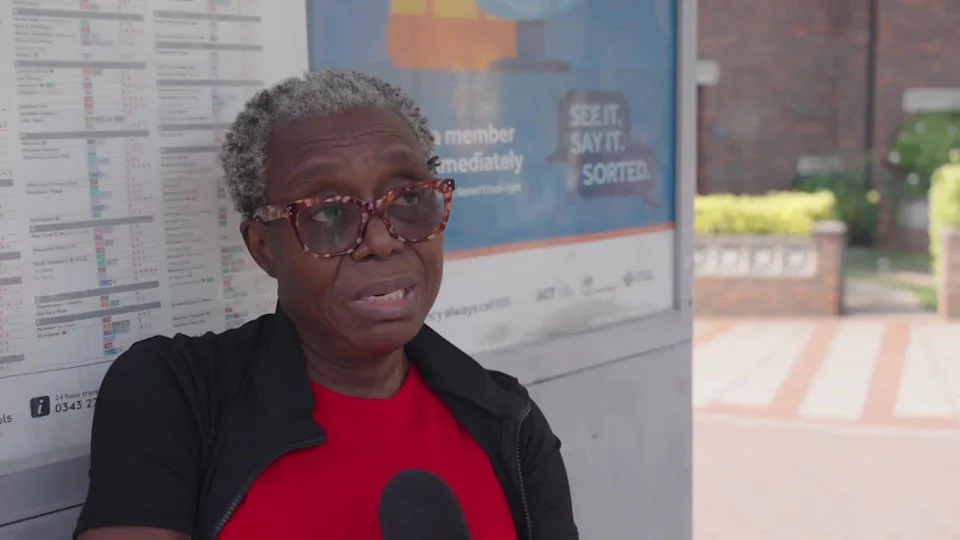
One Greenwich resident said she would prefer to see housing on the site [BBC]
Environmental And Community Concerns
Opponents have raised concerns about:
- Energy consumption and where the power would come from.
- Water use for cooling, despite industry claims of low-water technologies.
- Noise from backup generators and potential impacts on neighbours.
- Lost opportunity for new homes in a city facing housing shortages.
The developer overseeing the Charlton plan says the scheme is not specifically for AI workloads, will use closed-loop water cooling, and that generators are for backup only and will be tested intermittently rather than run continuously. They also argue the project would improve roads, add green space and help unlock nearby housing by transforming a fragmented industrial estate.
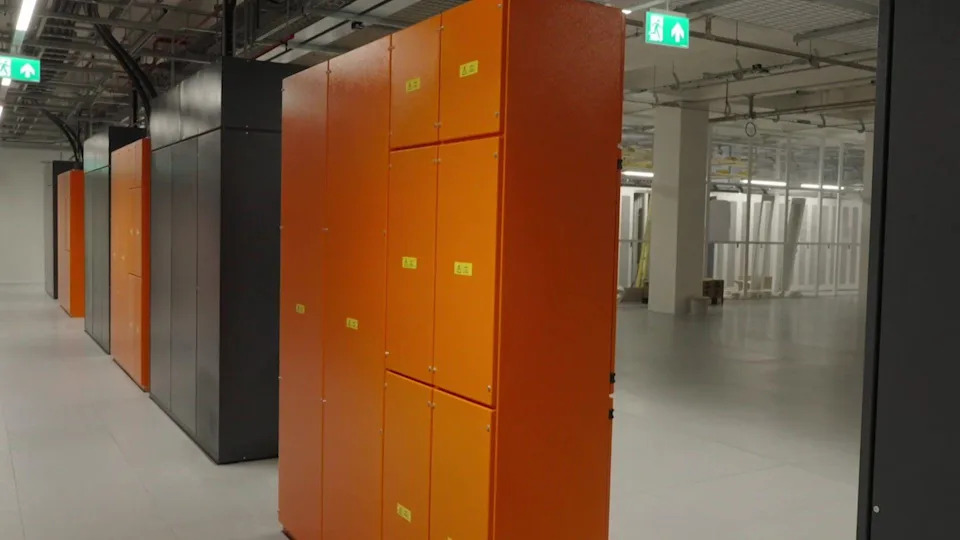
Telehouse's data centre uses noise dampening equipment, Pestridge says [BBC]
Context And Data
Key figures cited in the debate include government and industry statistics: data centres in England account for about 0.2% of non-household water use, and the UK’s data centres use an estimated ~1.88 billion litres of potable water per year. By contrast, water companies in England and Wales lose more than 3 billion litres each day to leakage in their networks. Water UK has said it needs regulatory certainty to invest in new supply infrastructure and has recently been authorised to build 10 reservoirs, a lengthy programme of work.
Developers are drawn to London because of its density of businesses, financial services and connectivity. A recent controversial approval for a data centre at Brick Lane in Tower Hamlets was pitched as a way to provide faster connections for financial traders in the nearby City of London—illustrating how commercial demand and local planning priorities can clash.
Planning And The Wider Trade-Off
The Charlton site currently falls under a draft local plan earmarked for "mixed-use development comprising residential, commercial and light industrial uses." The 2014 local plan (running to 2028) already identified Charlton Riverside as a "key regeneration area." The debate highlights how planning policy, local priorities and national infrastructure needs intersect—and sometimes collide—when valuable urban land is scarce.
Outlook
As AI, cloud services and digital demand grow, so will the pressure for data centre capacity close to users and fibre networks. At the same time, London faces chronic shortages of affordable housing and intense competition for development land. Each proposed data centre is therefore likely to prompt fresh debate about what best serves local communities and the wider national interest.
Contacts and further reading: Latest local council statements, industry fact-sheets on cooling and power sourcing, and ongoing planning documents will provide the most up-to-date information as proposals progress through the planning system.
Help us improve.