The UK is investing £90 million to capture waste heat from data centres and deliver hot water and heating to around 750,000 homes, with London alone expected to benefit 650,000 households. DESNZ funding will build new heat networks and upgrade existing ones, including temporary electric barges to move hot water along the Thames while permanent under-river pipes are installed. The London programme aims to unlock about £5 billion in additional investment and create jobs in construction, engineering and river transport.
UK Unveils £90m Plan To Heat 750,000 Homes Using Data-Centre Waste Heat
Credit: Shutterstock
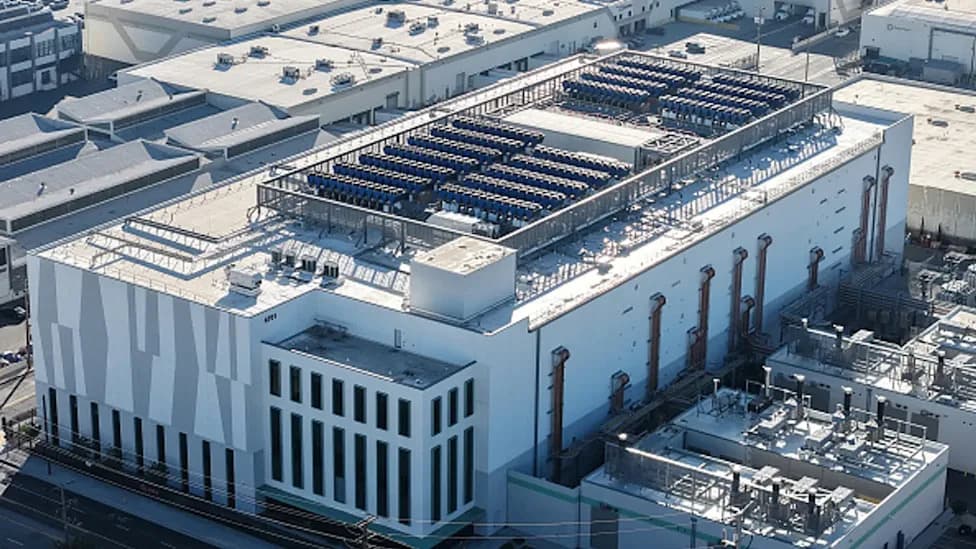
The UK government has launched a £90 million programme to capture surplus heat from data centres and use it to warm homes across the country, with a target of supplying cheaper hot water and heating to roughly 750,000 households.
How the Scheme Works
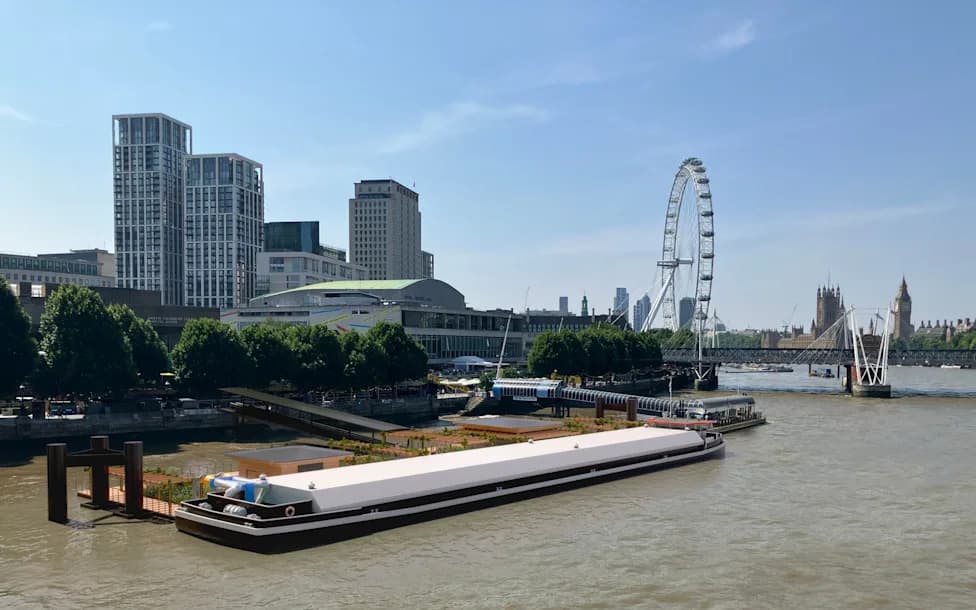
The Department for Energy Security and Net Zero (DESNZ) will fund the construction of new heat networks and upgrades to existing systems to circulate water warmed by data-centre waste heat. In London, the scheme includes underground pipes routed beneath the River Thames and, temporarily, specially equipped "electric barges" that will ferry hot water along the river while permanent infrastructure is installed.
London Mega Heat Project
London is set to receive the largest share of funding — about £41 million — with around 650,000 homes expected to benefit from the so-called "mega heat" project. A further £9.7 million will extend the capital’s original heat network. The London programme is also designed to unlock an estimated £5 billion in further public and private investment and to create jobs in construction, engineering and river transport.
Other Regions
Alongside London, projects will take place in Greater Manchester (including Gorton and Levenshulme), Newport and Abergavenny in Wales, Solihull in the Midlands, and Bradford in Yorkshire. Some schemes — such as Bradford’s new network, which began in 2024 — build on both historic and recently developed district heating experience seen across Europe in cities like Copenhagen, Amsterdam, Vienna and Berlin.
Temporary Electric Barges
As a short-term measure while permanent under-river pipes are installed, the programme proposes using electric barges to move heated water along the Thames. Officials say the barges are designed to keep water warm and deliver it to insulated riverside tanks; they are expected to operate from around 2028 until the permanent distribution network is complete. The barge idea has attracted some public scepticism, but ministers stress it is a practical interim solution.
Benefits and Jobs
DESNZ and project partners say the scheme will lower bills for participating households, reduce carbon emissions by reusing existing heat, and support local employment in construction, engineering and logistics. The government describes the programme as part of a broader push to modernise heating infrastructure and improve energy security.
"Building the infrastructure to deliver it is reindustrialising the UK and rolling out cutting-edge energy technology so families can benefit from lower bills, good jobs and energy security," said Martin McCluskey, the UK’s Minister for Local Energy and Jobs.
The programme represents an effort to scale up district heating using an underutilised resource — waste heat from data centres — and to combine short-term measures with long-term infrastructure upgrades to deliver lower-cost, lower-carbon heat to large numbers of households.
Help us improve.