Labour is backing a £41m DESNZ pilot to move nearly boiling water by electric barges from Belvedere up the Thames, pumping it into pontoon tanks to feed local heat networks. The initiative — due to start in 2028 and believed to be a world first — could eventually serve up to 650,000 homes while a permanent 16‑mile London Strategic Heat Main is built. Supporters say it will jump‑start nascent heat networks using waste heat; critics demand clear value‑for‑money evidence.
Labour Backs £41m Plan To Ship Near‑Boiling Water By Thames Barges To Heat London Homes
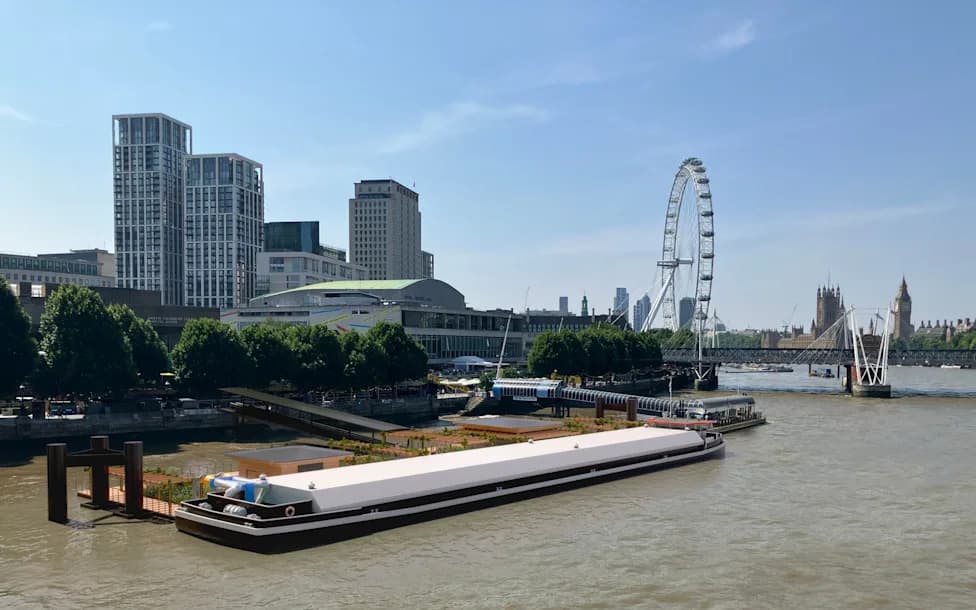
A computer-generated image of the proposed electric barges, which will each carry two million litres of hot water - Cory Group
Labour has unveiled a £41 million pilot, backed by the Department for Energy Security and Net Zero (DESNZ), to transport near‑boiling water by electric barge along the River Thames to heat London homes.
How the scheme will work
Electric vessels will travel upstream from the Belvedere power station in south‑east London, carrying water heated to almost 100°C. The barges will pump the water into insulated storage tanks mounted on riverside pontoons; from there it will be fed into nearby heat networks — centralised systems that supply hot water and heat to multiple buildings from a single source.
Scale and timeline
The Government says the pilot could ultimately serve up to 650,000 homes. The project is expected to begin operations in 2028 and is believed to be the first scheme of its kind globally. Most of the £41m funding will be used to extract waste heat from Belvedere to warm the water and to build four electric barges. Each barge is planned to hold around two million litres of water — roughly 80% of an Olympic‑size swimming pool.
Temporary and long‑term roles
Officials say the barges will act as a temporary supply while a permanent pipeline — the proposed London Strategic Heat Main — is constructed. That scheme would carry hot water about 16 miles from Belvedere into central London through purpose‑built underground tunnels.
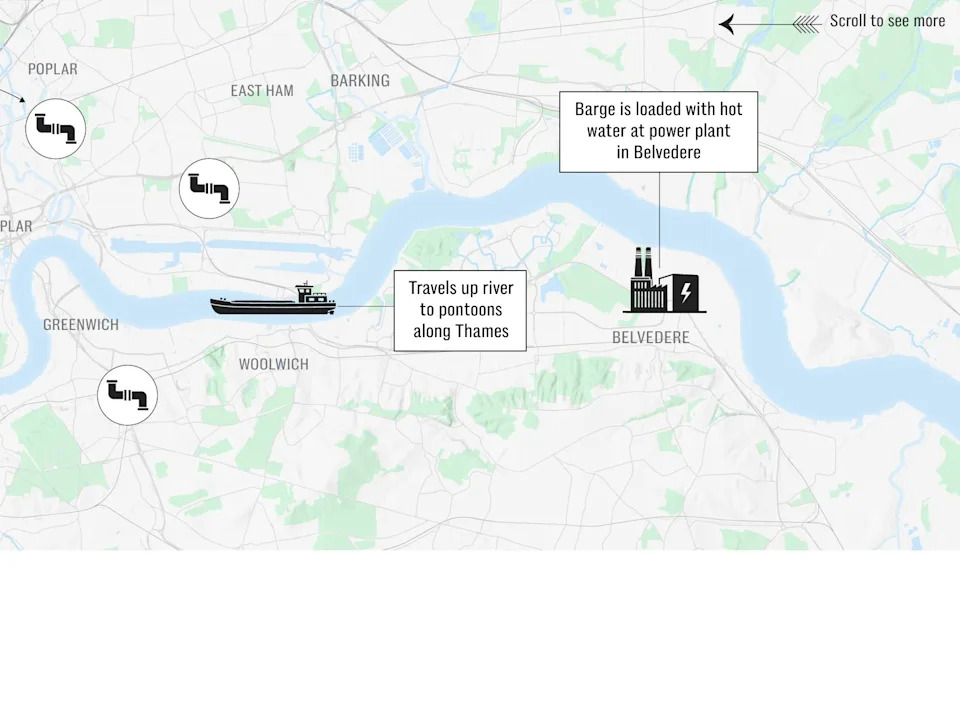
2409 Hot Thames water
Context and debate
The pilot forms part of a wider Government strategy to expand heat networks to as many as five million households across Britain by 2050. Under plans drawn up when Ed Miliband was energy secretary, Labour has indicated it may invest around £1.1bn in heat networks by the end of this parliament.
Proponents argue heat networks can capture waste heat from sources such as data centres and energy facilities that would otherwise be lost, improving efficiency and reducing emissions. David Carter of Cory Group, the waste‑management company involved in the plans, said the barges are an "immediately deliverable solution" that will help build demand for nascent heat networks.
"The barges are an immediately deliverable solution that then starts to set up the demand. We are having to build up an ecosystem because heat networks are so nascent in the UK," said David Carter.
Critics have raised concerns about value for money. Shimeon Lee of the TaxPayers' Alliance said: "Taxpayers will be baffled that £41m is backing a scheme to ship hot water down the Thames. Net zero projects cannot be handed blank cheques simply because they sound innovative. Ministers need to prove this delivers real value for money before taxpayers are asked to bankroll it."
Energy minister Martin McCluskey said: "Clean power and clean heat benefit communities across our country. Building the infrastructure to deliver it is reindustrialising the UK and rolling out cutting‑edge energy technology so families can benefit from lower bills, good jobs and energy security."
Sources: Project announcement; reporting in The Telegraph.
Help us improve.