Two campaign groups, Foxglove and Global Action Plan, have successfully challenged government approvals for large data centres, citing environmental and resource concerns. Both organisations receive public and philanthropic funding, which has heightened scrutiny of their role in opposing major infrastructure. The dispute forced ministers to admit procedural errors and extract binding environmental commitments from developers, while industry bodies and politicians remain sharply divided.
Who’s Backing The Fight Against Britain’s New Data Centres? Public Money, Philanthropy And A High‑Stakes Planning Battle

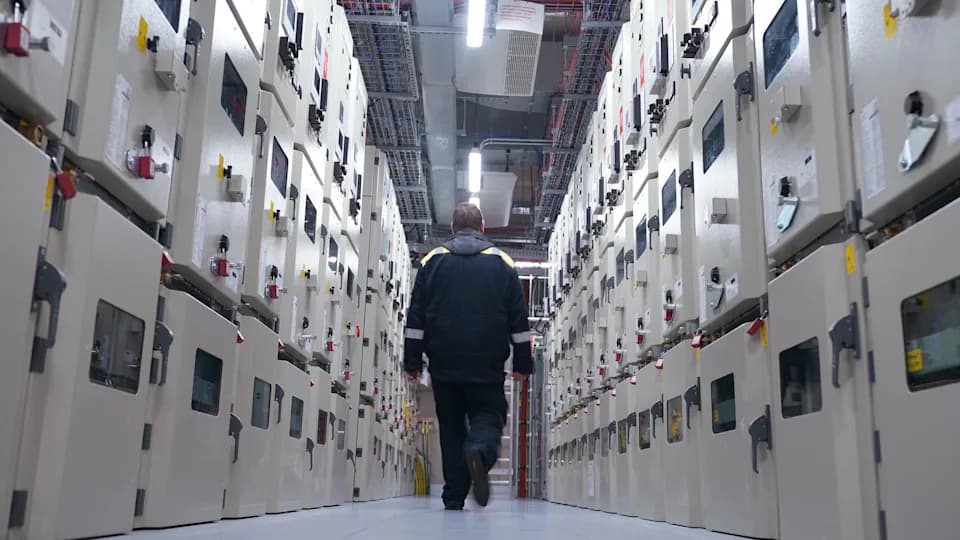
The battle over data centres has become increasingly high-stakes - Wiktor Szymanowicz/Future Publishing via Getty Images
A long-running planning battle over a proposed £1bn "hyperscale" data centre on the edge of the M25 has exposed an unexpected mix of public funding, philanthropy and legal action behind opposition to major digital infrastructure.
Background
Developers Greystoke Land and France’s Altrad first lodged plans in 2021 for a large-scale facility close to the M25. After repeated delays and objections from local councils, the project secured approval in 2024 when Housing Secretary Angela Rayner overturned Buckinghamshire council’s refusal, arguing the country urgently needs more data capacity to support AI and cloud services despite the site being in the green belt.
Legal Challenges And A Government U-Turn
Within weeks of the decision, two campaign groups—London-based Foxglove and the environmental charity Global Action Plan—took the Government to the High Court, arguing the approval was unlawful and warning it would increase electricity demand and environmental harms. Ministers later conceded a "serious logical error" in the decision process. To keep the project alive, developers agreed to legally binding environmental targets as part of a settlement to resolve the dispute.
Who Are The Campaigners?
Foxglove, founded in 2019 by human-rights lawyers Cori Crider, Rosa Curling and Martha Dark, has used strategic litigation to challenge tech industry practices and government decisions, including overturning an A‑level grading algorithm and prompting concessions on an NHS contract with Palantir. Global Action Plan, created more than three decades ago by environmental campaigner Trewin Restorick, historically worked on recycling and air-quality projects but has shifted some focus to the environmental footprint of the physical infrastructure that supports big tech.

The organisations have tapped into growing concerns about data centres' water and energy demands - Wiktor Szymanowicz/Future Publishing via Getty Images
Funding: Public Grants And Philanthropy
Both organisations have attracted public and philanthropic funding, which has intensified scrutiny of their role in opposing large infrastructure projects. Foxglove received a £50,000 grant from the National Lottery Community Fund in 2021–22 for work on responsible local-government use of technology; it also reports significant philanthropic support, including nearly £1m from the Open Society Foundations and grants from Luminate and other donors. Global Action Plan’s Charity Commission filings show almost £1m in public grants over five years, with funders including the Scottish and Welsh governments, the Department for Environment, Food and Rural Affairs, and the Greater London Authority (led by Mayor Sadiq Khan). Both organisations say government or lottery grants were not used specifically for data-centre campaigning.
Environmental Claims And Industry Pushback
The debate has centred on resource use and carbon impacts. Global Action Plan published research suggesting 84% of planned new data centres are proposed in water-stressed areas; industry body TechUK counters that most modern facilities use closed-loop cooling systems that do not require continuous public water supplies and argues the charity’s methodology overstates the problem. Foxglove has published analysis claiming some proposed data centres could emit more carbon than major industrial operators; TechUK described those figures as "laughable." The contradictory claims have fuelled political and public debate while highlighting gaps in publicly available data about proposed developments.
Political Fallout
The controversy has split politicians. Some, including Green Party figures, have called for strict limits or moratoria on new data centres. Others, including Prime Minister Sir Keir Starmer, have been more supportive of rapid expansion — seeing data centres as critical national infrastructure to support AI and economic growth. Andy Burnham, Mayor of Greater Manchester, has urged caution but stopped short of calling for a nationwide moratorium.
Local Resistance And National Stakes
Hundreds of new data facilities are planned across Britain, especially around London’s green belt and other transport- and power-constrained areas. Developers increasingly appeal to central government when local approvals stall. Campaigners point to local environmental impacts and resource pressures; industry and some political leaders stress jobs, investment and national competitiveness. The dispute illustrates a broader tension: how to balance national infrastructure needs for AI and cloud services with local environmental concerns and the transparency of those shaping public debate.
Key takeaway: The fight over data centres is no longer just local planning noise—public grants, global philanthropy and strategic litigation have turned it into a national, politically charged debate about how Britain builds its digital backbone.
Help us improve.