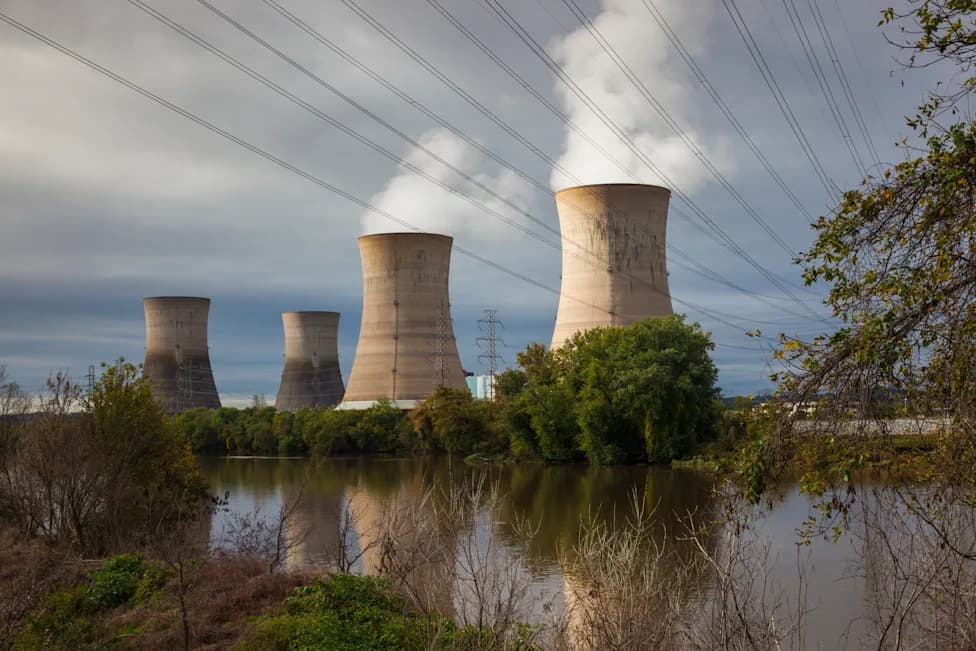
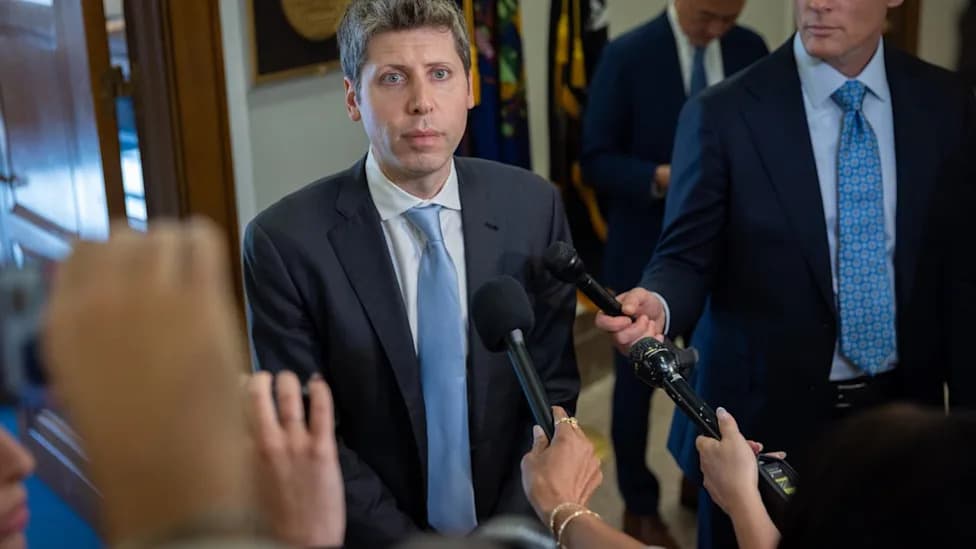
At "Data After Dark" on Sept. 26 in Washington, D.C., more than 1,000 attendees gathered to celebrate and defend data center construction amid a brief protest. Supporters emphasized techno‑optimism and technological fixes — such as closed‑loop cooling, used in roughly 45% of U.S. facilities — while critics pointed to water use, power strain and neighborhood impacts. The event highlighted deep public skepticism (a New York Times/Siena poll found 61% oppose AI‑driven data center builds) and organizers’ plans to expand outreach with a proposed 2027 roadshow.
Inside 'Data After Dark': A Pro‑Data Center Party, The Debate, and What's Next
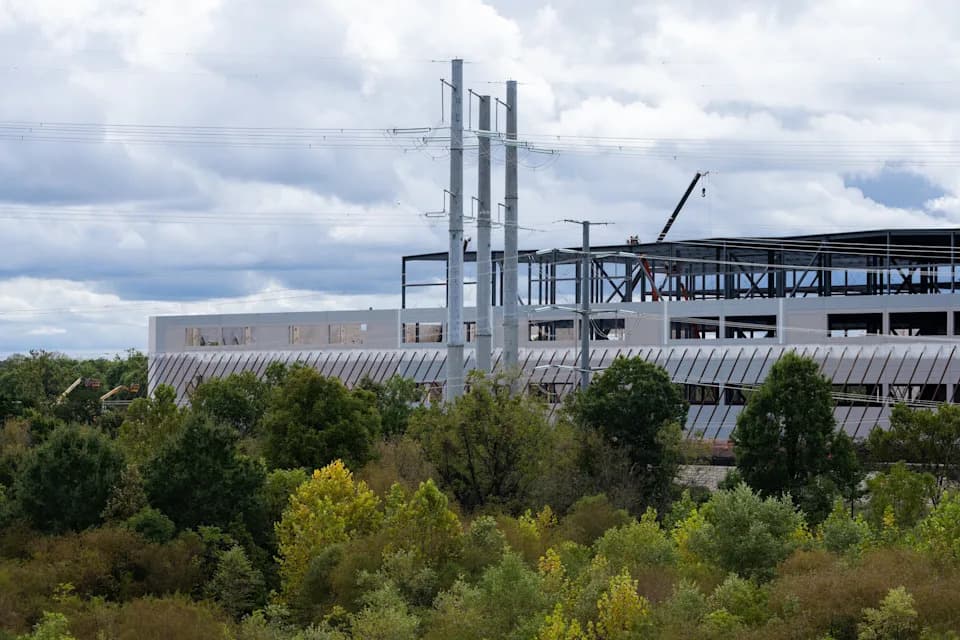
A data center is under construction in September 2026 in Virginia's Loudoun County, a self-proclaimed home to the world's largest concentration of data centers. Despite the economic benefits the industry has brought to the region, residents have increasingly pushed back against new development and has prompted county leaders to pause new data center projects.
On Sept. 26 in downtown Washington, D.C., more than 1,000 people had RSVP'd for "Data After Dark," a party organized to celebrate and defend data center construction and the technologies it enables. The event — moved from a planned house party to PubKey, a Penn Quarter "bitcoin bar" — drew a mix of supporters, journalists and a small group of protesters whose interruption was quickly drowned out by boos and chants from attendees.
What Happened
Organizer Jonas Du, a writer at Pirate Wires, cohosted the gathering with Ed Tarnowski (R Street Institute) and Casey Given (Young Voices). The party featured themed cocktails, a generative AI photo booth, live music and informal speeches. Toasts began after 10 p.m., and speakers urged a mix of techno‑optimism and public education about AI and data centers.
Why Data Centers Matter
Data centers are the physical facilities that house servers and networking equipment powering websites, apps, cloud services and messaging platforms. As AI workloads expand, demand for compute capacity is driving a surge in new facilities. According to the global directory Data Center Map, there are thousands of U.S. data centers — more than 4,700 listed as of Aug. 19 — with Virginia alone hosting more than 600 facilities.
Concerns Raised
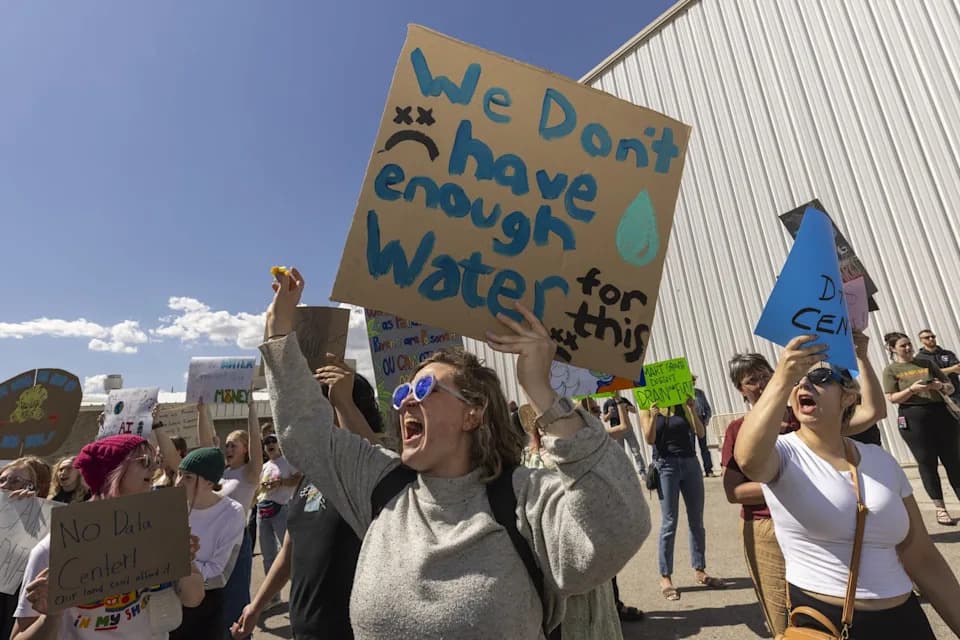
Critics cite water use, pressures on local power grids, noise and the visual impact of large, windowless buildings. A New York Times/Siena poll found that 61% of likely voters oppose building data centers specifically to support AI, with opposition strongest among voters under 30. Protesters at the party shouted that the industry consumes local water supplies; a video later captured one protester making an obscene gesture before being shouted down.
How Supporters Respond
Party speakers and attendees argued that innovation — not a construction moratorium — is the right response. Closed‑loop cooling, which recirculates cooling water and reduces consumption, is already used in a significant share of facilities; estimates in reporting place adoption at roughly 45% of U.S. data centers, and several large companies have signaled further uptake. Supporters also pointed to local economic benefits: tax revenue from a Meta data center, for example, reportedly funded teacher bonuses exceeding $50,000 in one Louisiana district.
"This is a competition between people who fear the potential of the future and people who believe in the potential of the future," organizer Jonas Du said that night.
At The Party
The mood among attendees was upbeat and at times defiant. The crowd included think‑tank staffers, engineers, attorneys, White House officials, defense workers and journalists. Sponsors disclosed on the day of the event included the Manhattan Institute, the Bitcoin Policy Institute and Strata, a modular data center startup. Organizers said they hope to "take this party on the road" in 2027, with potential stops in New York, San Francisco, Miami, Austin and Los Angeles.
An editorial aside in original coverage noted broader cultural and generational trends: a Resume.org survey found one in five Gen Z workers use ChatGPT regularly for decisions or advice, a detail that speakers used to underscore the urgency of public education about AI.
What This Means
The party was never intended to solve a national PR problem in one night. Instead, its organizers framed it as a chance to build community among advocates, practice public outreach, and argue for technological solutions to legitimate concerns. Whether such events shift public opinion remains unclear, especially given strong poll opposition and vocal online criticism.
Takeaway
"Data After Dark" was part networking event, part public‑affairs exercise: an attempt to humanize an industry that many voters view with suspicion. The debate over data centers involves tradeoffs among local impacts, national competitiveness on AI, and the potential gains from continued technological deployment. Constructive public engagement, clearer explanations of mitigation measures like closed‑loop cooling, and thoughtful siting and design will be central to closing the gap between supporters and skeptics.
Byline: Natalie Sandoval is an opinion fellow with the Intercollegiate Studies Institute and a 2024 Columbia University English graduate. This piece originally appeared on USA TODAY: "I went to a data center party because I know you're curious | Opinion."
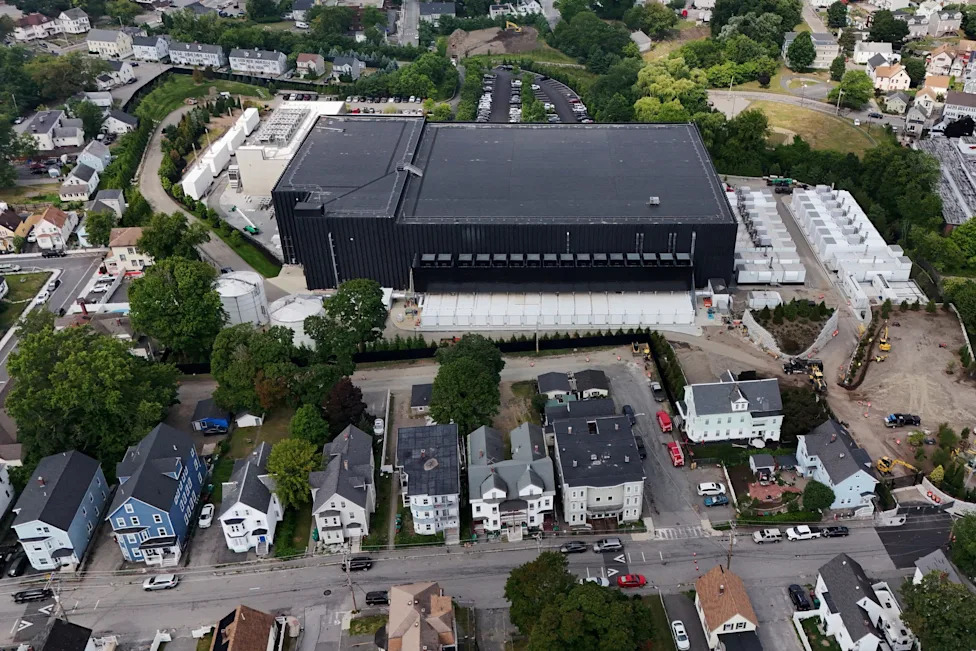
A drone view shows The Markley Group data center in a residential neighborhood in Lowell, Mass., July 28, 2026.Data centersare emerging as a flashpoint in communities nationwide. Critics pushing back say the centers strain water and electricity resources and disrupt neighborhoods.(Brian Snyder, REUTERS)
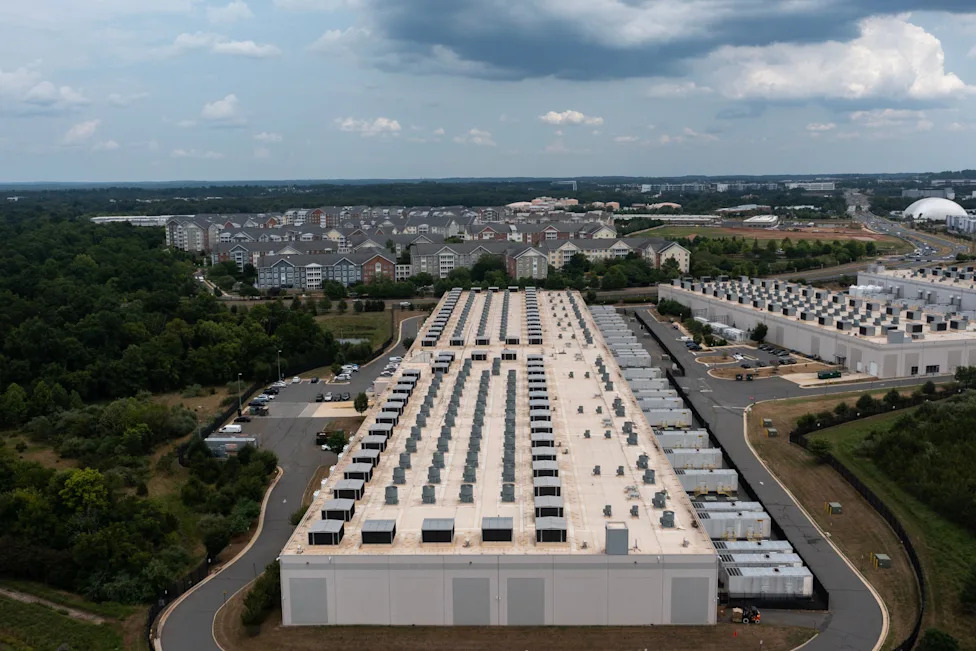
In an aerial view, the IAD71 Amazon Web Services data center is shown on July 17, 2024 in Ashburn, Va.Deemed the "data center capital of the world," Virginia is home to the mostdata centersin the United States, withmore than 600in operation, according to Data Center Map.(Nathan Howard, Getty Images)
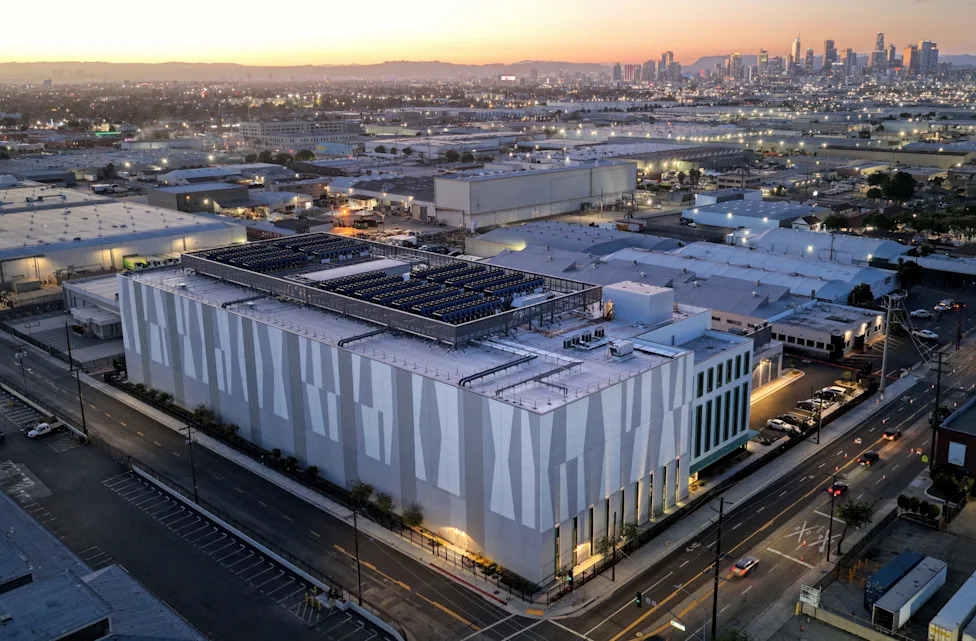
An aerial view of a 33 megawatt data center with closed-loop cooling system on April 14, 2026 in Vernon, Calif.As of Aug. 19, there weremore than 4,700 data centers across the United States, according to the global data center directory Data Center Map.(Mario Tama, Getty Images)
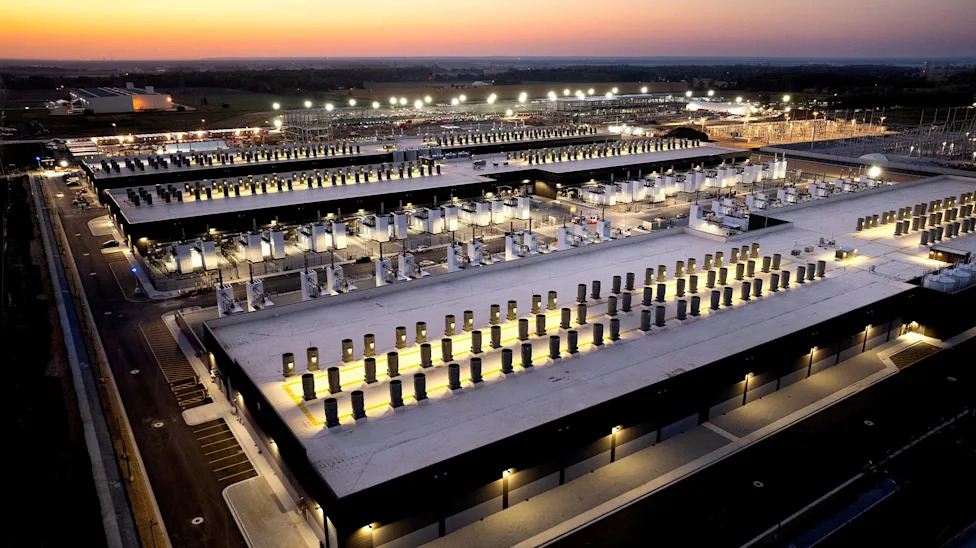
An Amazon Web Services AI data center in New Carlisle, Ind., Oct. 3, 2025.
As of Aug. 19, 2026 there were more than 4,700 data centers across the United States, according to the global data center directory Data Center Map.(Noah Berger, REUTERS)
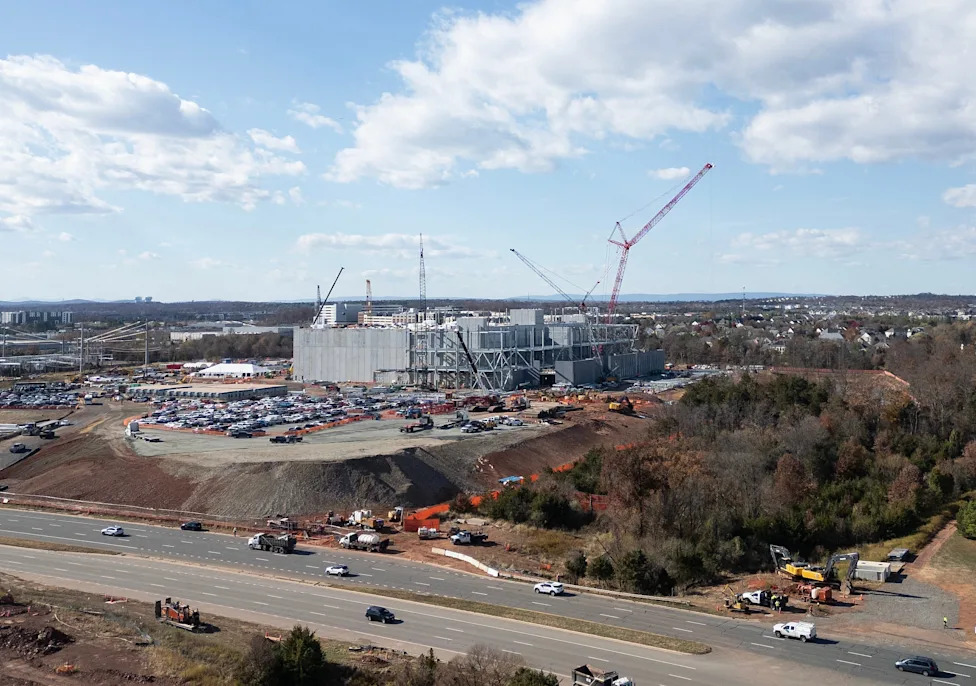
An aerial view shows cars passing a data center under construction in Ashburn, Va. on Nov. 12, 2025.(ANDREW CABALLERO-REYNOLDS, AFP via Getty Images)
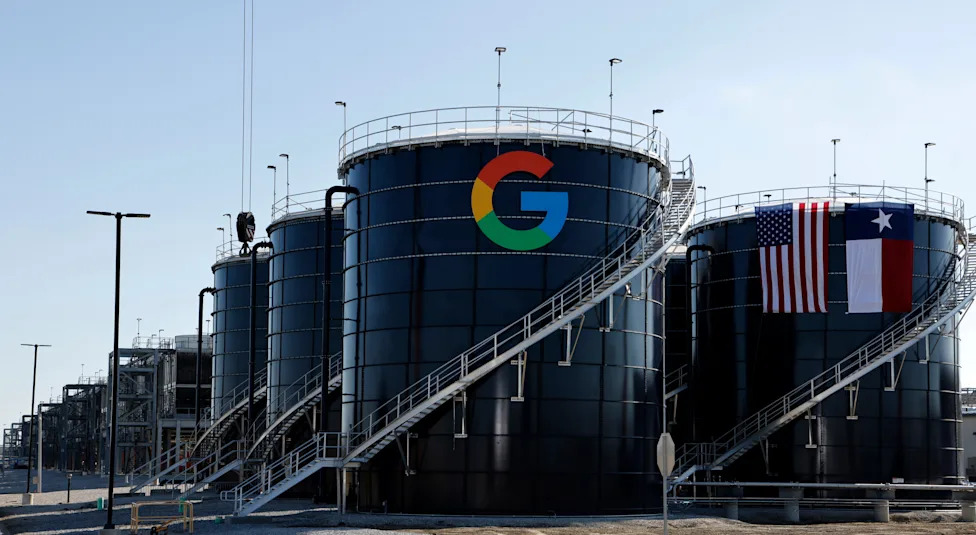
A general view of the Google Midlothian Data Center on Nov. 14, 2025 in Midlothian, Texas. Google announced that it plans to invest $40 billion dollars in three new Texas data centers through 2027.(Ron Jenkins, Getty Images)
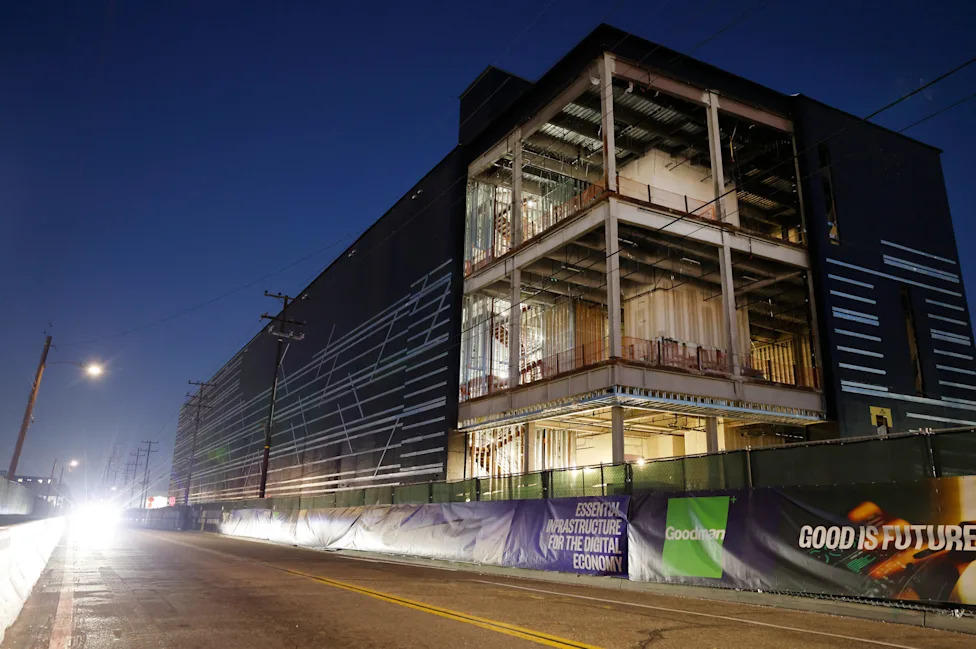
A vehicle passes near a 49.5 megawatt three-level data center under construction on April 14, 2026 in Vernon, Calif.(Mario Tama, Getty Images)
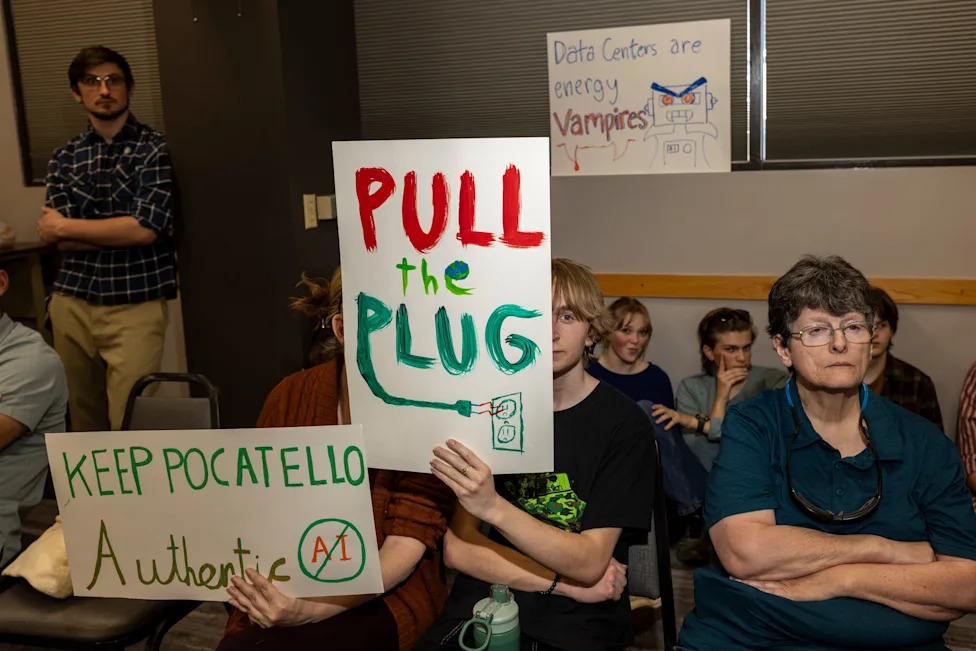
Community members packed into city council chambers to attend a hearing about the approval of a new data center on May 14, 2026 in Pocatello, Idaho. Lex Developments LLC has submitted an application to convert an abandoned industrial center into a $2.6 billion data center. Concerned citizens attended the public hearing, mostly to voice opposition to the construction of the center.(Natalie Behring, Getty Images)
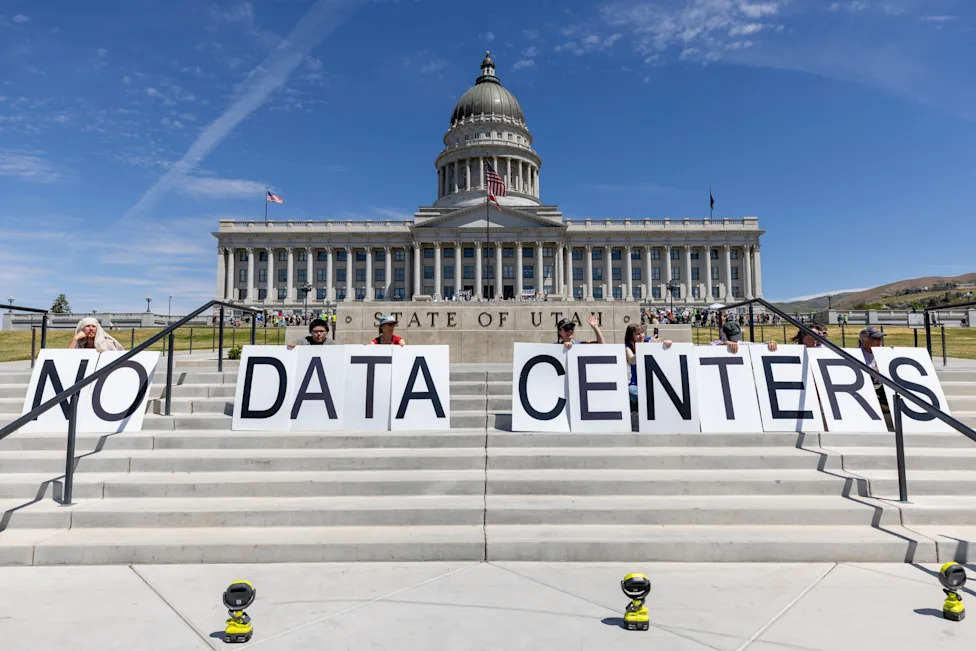
Demonstrators take part in a protest at the Utah State Capitol to oppose the construction of the Stratos data center in Box Elder County on May 23, 2026 in Salt Lake City, Utah. The proposed data center would be about 40,000 acres and is speculated to use 9 gigawatts of power.(Natalie Behring, Getty Images)
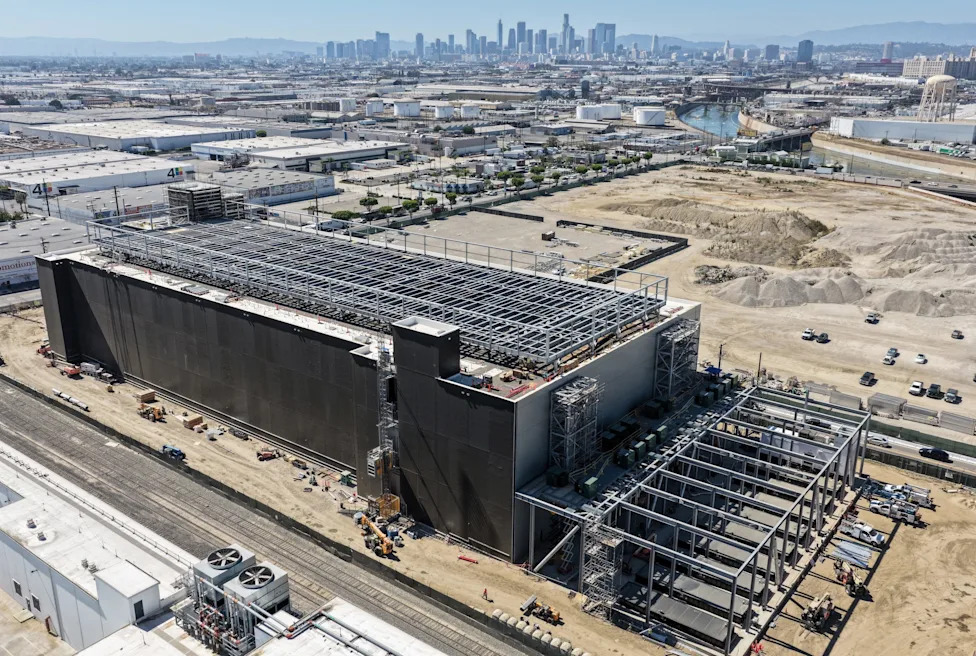
An aerial view of a 49.5 megawatt three-level data center under construction on July 8, 2026 in Vernon, Calif.(Mario Tama, Getty Images)
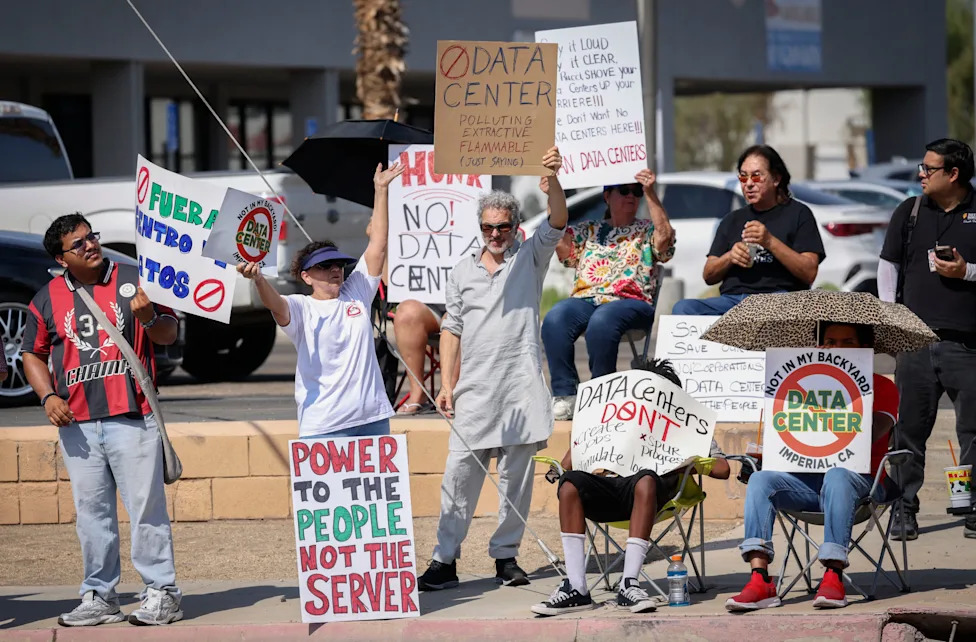
Demonstrators wave signs during a nationwide protest against AI data center expansion in Imperial, Calif. on July 18, 2026.(SANDY HUFFAKER, AFP via Getty Images)
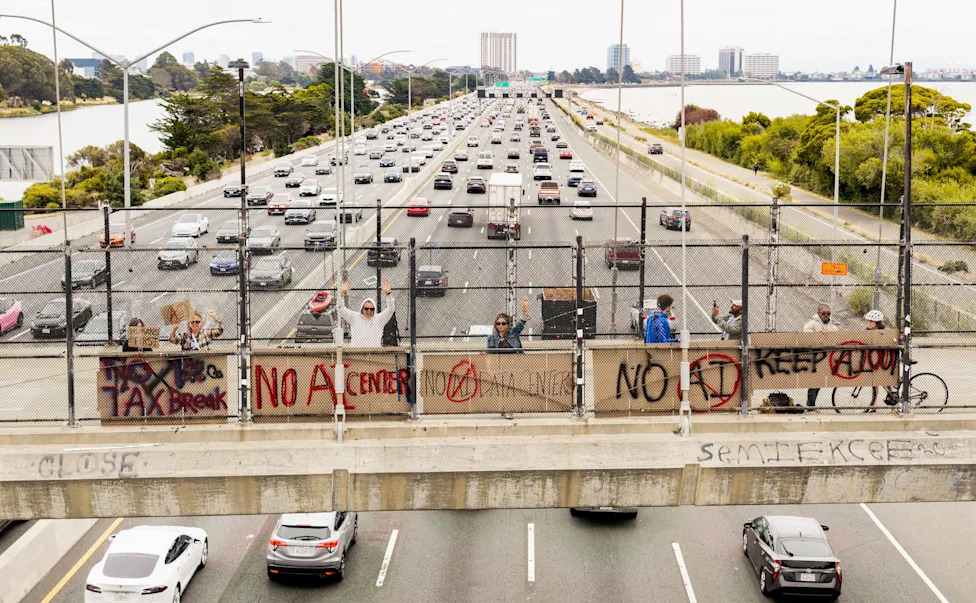
People hold up signs on a pedestrian bridge during a nationwide protest against AI data center expansion in Berkeley, Calif. on July 18, 2026.(JOSH EDELSON, AFP via Getty Images)
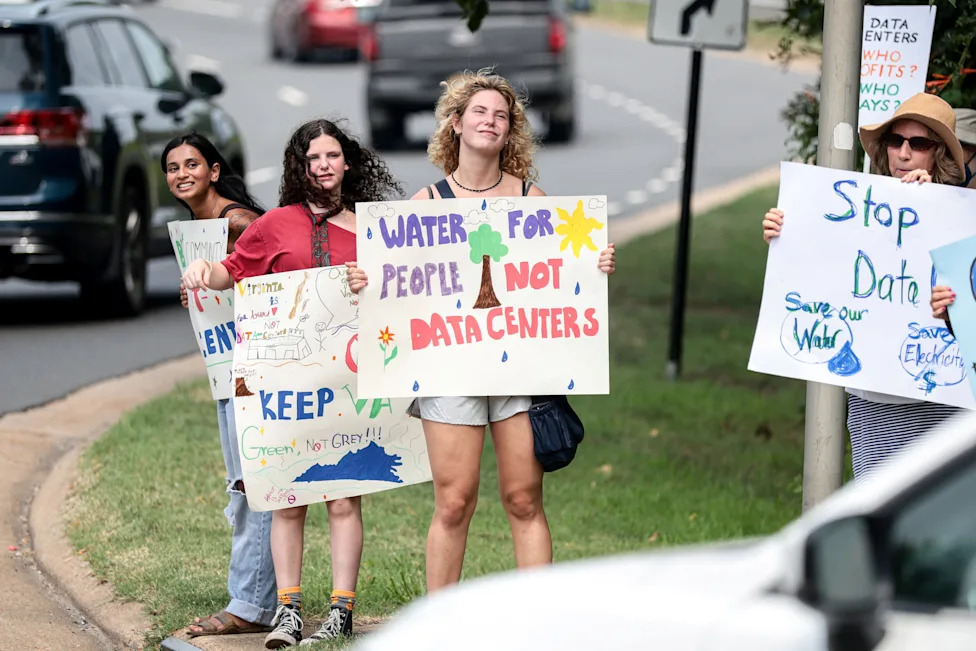
Demonstrators participate in a nationwide protest against data centers, in Fredericksburg, Va., July 18, 2026.(Evelyn Hockstein, REUTERS)
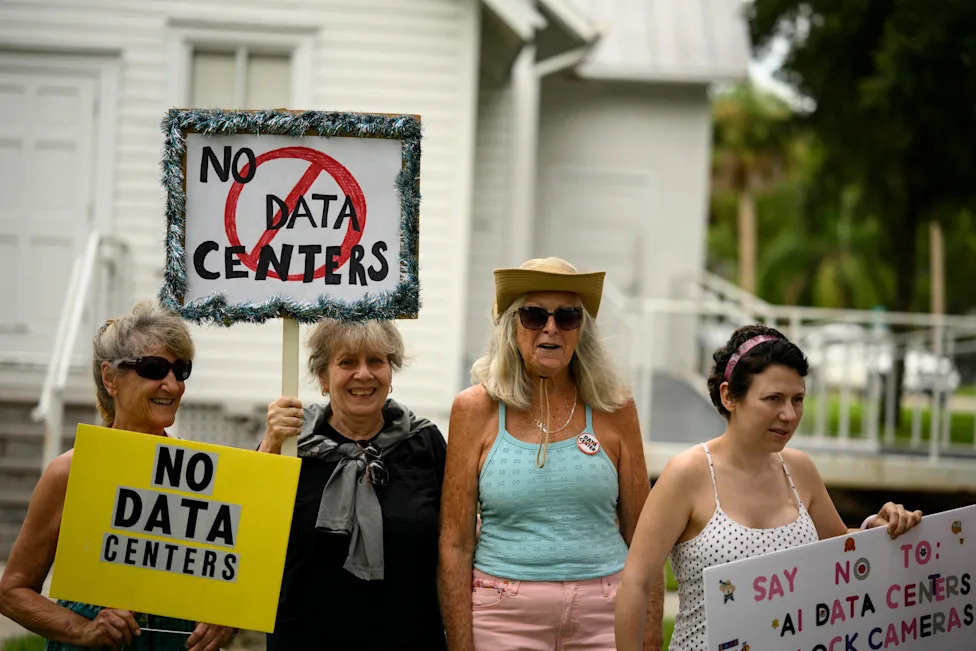
People hold signs during a nationwide protest against AI data center expansion outside Peace Hall in New Port Richey, Fla. on July 18, 2026.(THOMAS SIMONETTI, AFP via Getty Images)
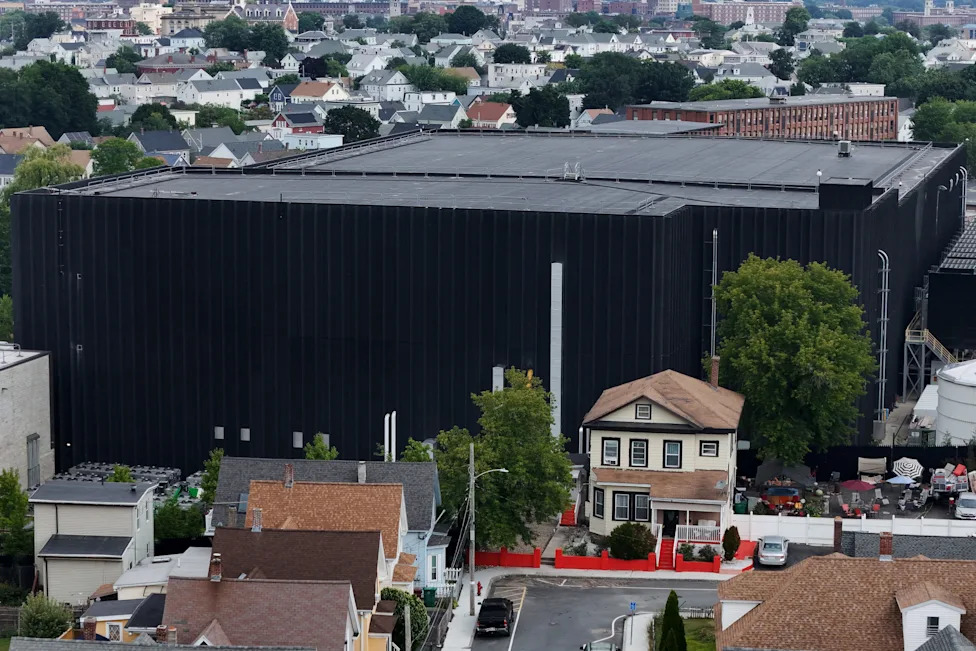
A drone view shows The Markley Group data center amid a group of homes in Lowell, Mass., July 28, 2026.(Brian Snyder, REUTERS)
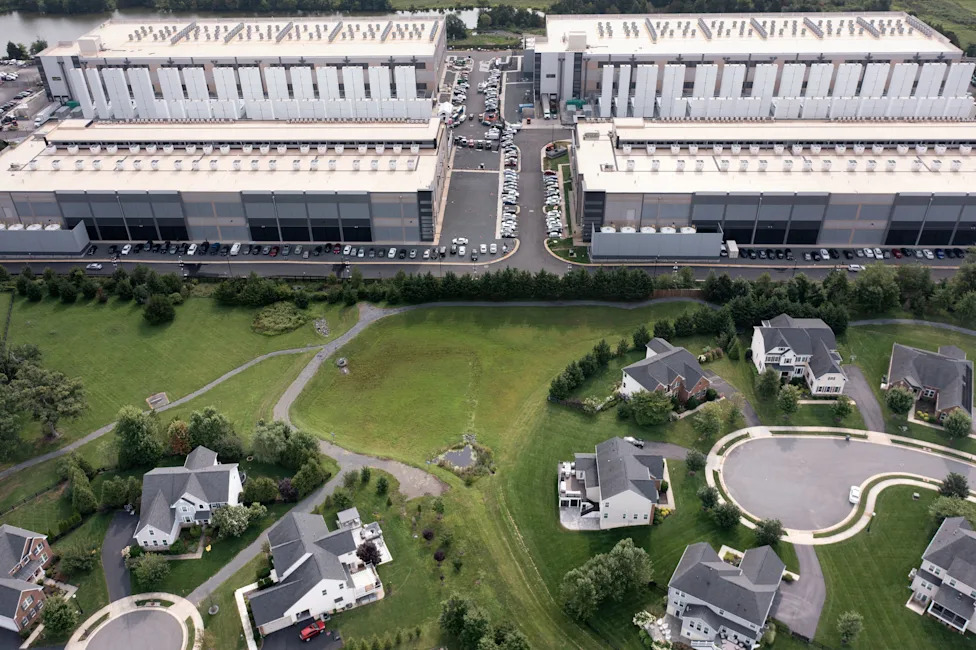
This aerial view shows an Amazon Web Services (AWS) data center adjacent to single-family homes in Stone Ridge, Va. on Aug. 12, 2026. Hastily built to meet skyrocketing demand for computing power required by the global artificial intelligence race, data centers are facing opposition across the United States.(BRENDAN SMIALOWSKI, AFP via Getty Images)
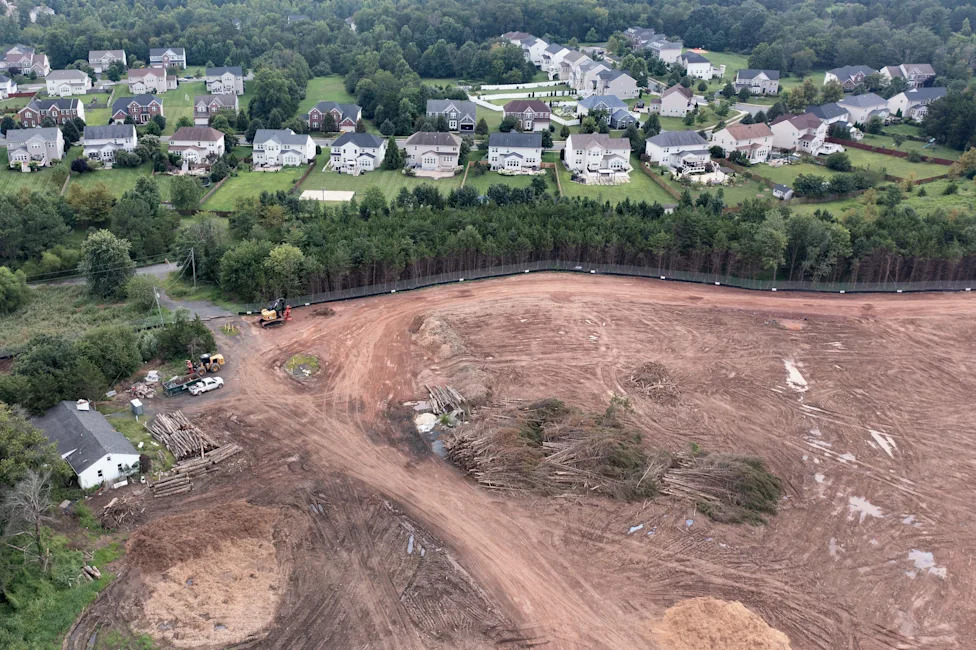
This aerial view shows single-family homes adjacent to a lot being cleared to build a new data center in Stone Ridge, Va. on Aug. 12, 2026.(BRENDAN SMIALOWSKI, AFP via Getty Images)

Singer Billie Eilish has had a significant impact on gender-neutral fashion, pushing against traditional fashion expectations for women by sporting baggy, oversized clothes for comfort and body autonomy.(Getty Images)

ChatGPT listed AI generated content as popular among Gen Z, this includes ChatGPT itself. A survey fromResume.orgreported that one in five Gen Z workers use ChatGPT regularly to make tough decisions, get advice, and for mental support. The survey also found that half of Gen Z respondents would rather ask ChatGPT questions than their boss.(VINCENT FEURAY, Hans Lucas/AFP via Getty Images)

Natalie Sandoval is a USA TODAY Opinion fellow.
Help us improve.