Rural South Carolina communities are pushing officials to pause approvals for large data centers amid growing worries about water use, energy demand, noise and opaque developer deals. Orangeburg and Fairfield counties recently held town halls and are considering one-year moratoriums; other counties and municipalities across the state are weighing similar measures. Advocates and experts point to hyperscale facilities — like Google’s $1.3 billion Berkeley County campus — as drivers of increased utility demands and say moratoriums would buy time to study local impacts and craft protections.
Rural South Carolina Urges Pause On Hyperscale Data Centers Amid Water, Energy And Transparency Concerns
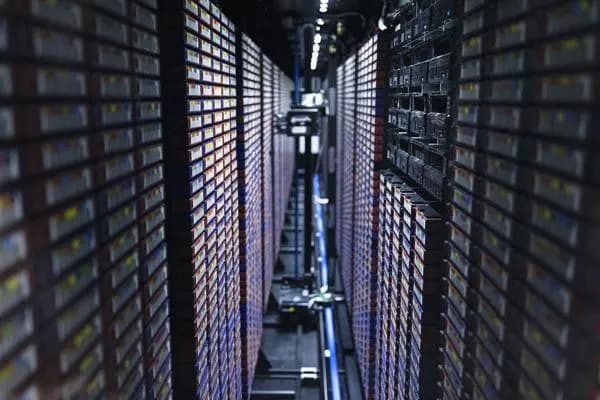
Fairfield and Orangeburg counties have joined wave of local SC governments considering moratoriums on data centers. Stock/Provided/Aileen Devlin | Jeffers
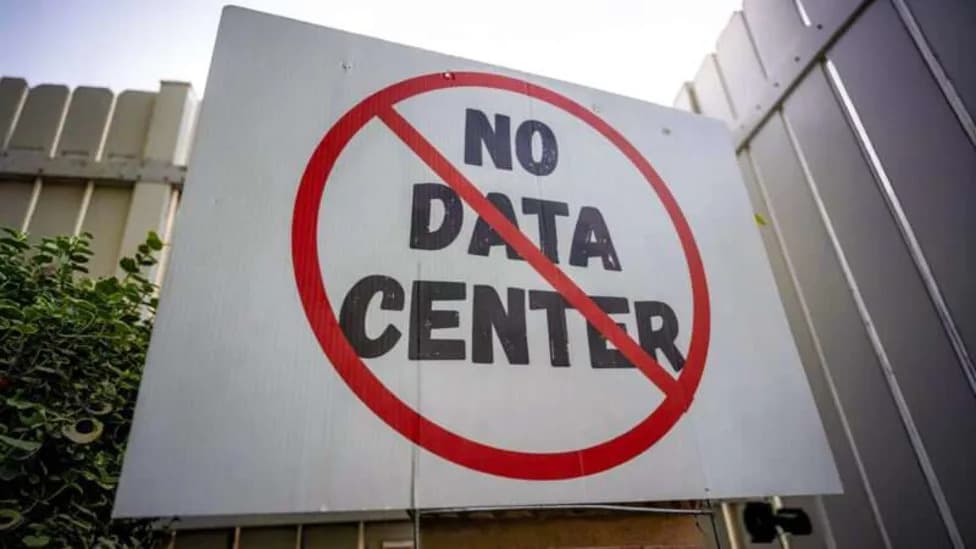
Rural communities across South Carolina are urging local leaders to pause approvals for large data centers as opposition spreads over potential environmental, health and economic impacts. Orangeburg and Fairfield counties recently held town halls; both county councils are considering one-year, countywide moratoriums to buy time for study and policy development.
Where Moratoriums Are Being Considered
Several Midlands jurisdictions are weighing temporary pauses or new zoning restrictions. Orangeburg and Fairfield councils held public meetings on Aug. 25 and Aug. 31, respectively, and are considering one-year moratoriums. Lexington, Kershaw and McCormick counties are also discussing moratoriums, while the city of Cayce is reviewing data-center restrictions as part of a zoning update.
Why Residents Are Concerned
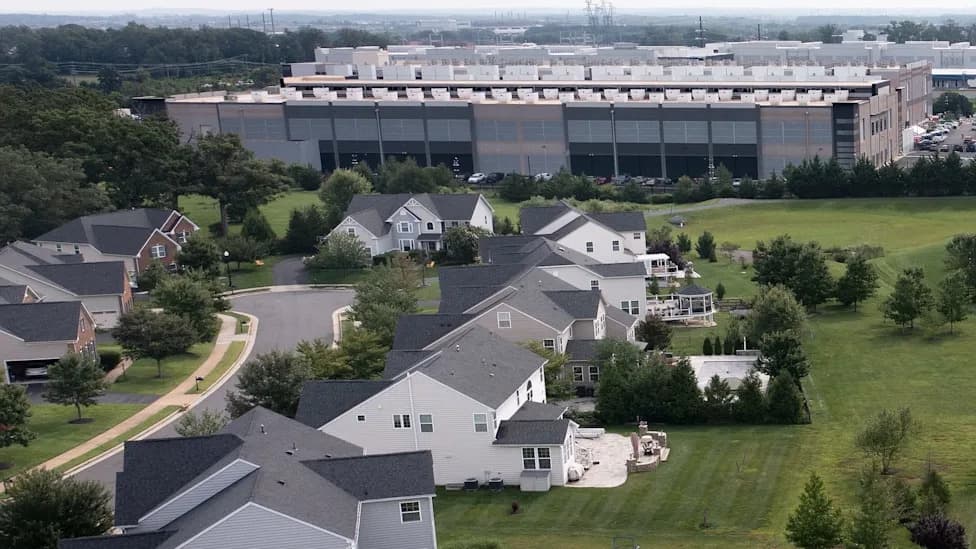
Opponents point to the outsized demands hyperscale data centers place on energy, water and land, and to local impacts such as noise and increased utility costs. Data Center Watch reports that resident pushback contributed to blocking or delaying about $64 billion in projects nationwide between May 2024 and March 2025 — including several proposals in South Carolina such as Project Spero in Spartanburg and Project Liberty in Marion.
Hyperscale Facilities And Local Impact
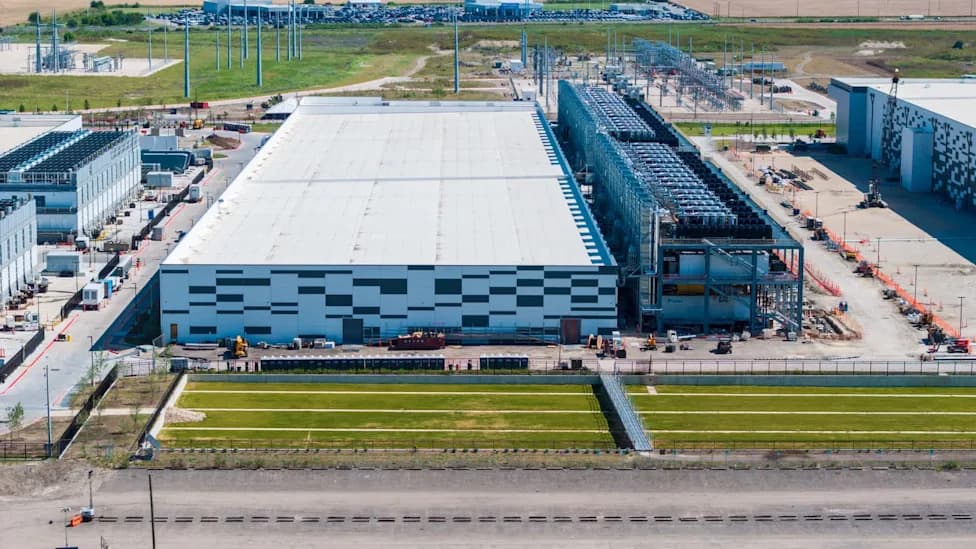
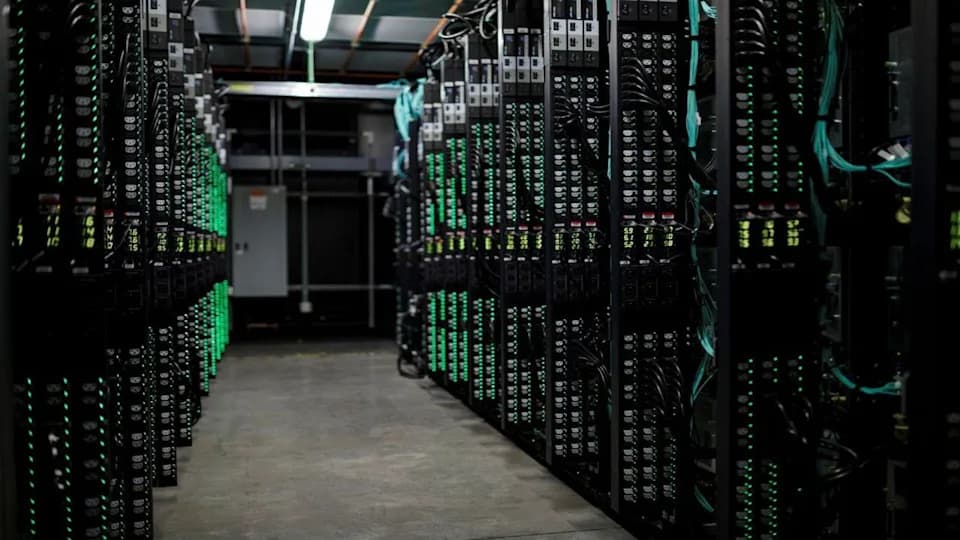
Hyperscale data centers — generally defined as facilities using more than 100 megawatts of power — are the primary focus of concern. South Carolina’s largest example is Google’s $1.3 billion campus in Berkeley County, which uses roughly 400 megawatts of electricity. Some estimates, cited by Taylor Allred of the Coastal Conservation League, warn of significant water consumption associated with such sites.
Taylor Allred, State Energy and Climate Program Director, Coastal Conservation League: “Hyperscale centers can be an environmental disaster. They increase energy demand and can push utilities to delay planned plant retirements.”
Transparency And Land Deals
Local officials and advocates raise concerns about secrecy in project planning. At the Orangeburg town hall, Allred described a pattern in which speculative developers buy rural land and negotiate utility deals, then flip those arrangements to data-center operators under confidentiality agreements and nondisclosure terms. That can leave elected officials and residents unaware until projects are advanced or built.
Orangeburg County Councilmember Latisha Walker: “I was not a participant in those meetings. I was told information would be provided. I still have not received that information.”
Local Voices And Next Steps
Residents of all ages spoke at both hearings, asking how data centers would affect local water supplies, historically Black colleges and universities, and community well-being. Jenkinsville Mayor Gregory Ginyard urged officials not to make his area a repository for harmful projects, and residents pointed to past failures — such as the VC Summer nuclear project — as cautionary examples of what can happen when oversight and planning are insufficient.
Moratoriums are not permanent bans; they pause approvals for permits and licenses while counties study potential impacts and consider safeguards. Councils say the temporary pause would allow time to improve transparency, update zoning and craft policies to protect residents without immediately foreclosing potential economic benefits.
Bottom line: The debate in South Carolina reflects a broader national conversation about how to balance the economic incentives of large data-center projects with local environmental, water and community concerns. Counties considering moratoriums aim to create clearer rules and more public engagement before decisions are finalized.
Help us improve.