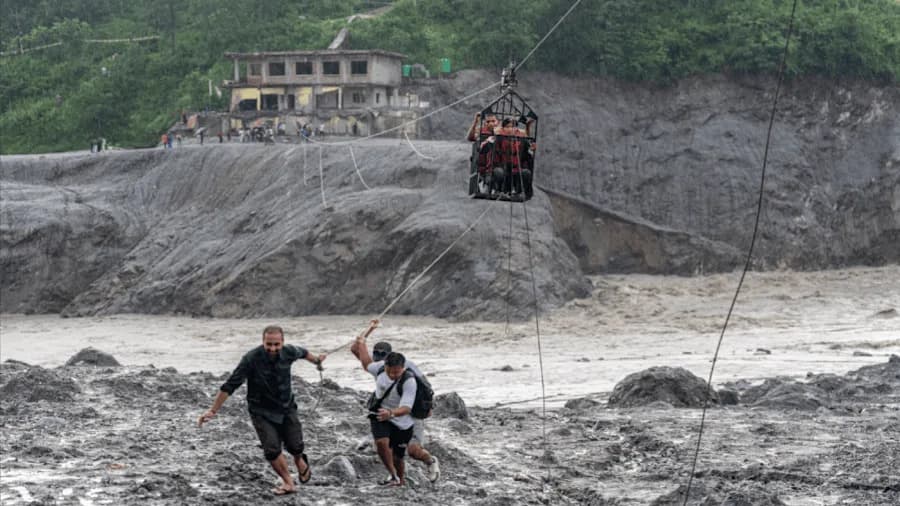
Recent glacier collapse above Rasuwa, Nepal — which sent a massive ice-and-debris wave down narrow valleys — mirrors hazards scientists observed at Lake Imja years earlier. Glacial retreat forms meltwater-filled basins that can fail suddenly, threatening downstream communities such as the roughly 100,000 people below Peru’s Palcacocha. Early warning systems and controlled engineering can reduce risks, but political, technical and funding hurdles often stall action. The author urges investment in prevention and resilience before more communities are devastated.
Nepal’s Glacier Collapse: A Wake-Up Call for Mountain Towns Worldwide
In 2011 I trekked with scientists and engineers to roughly 17,000 feet to inspect Lake Imja in Nepal’s Everest region. From my home in Peru, recent reports of a catastrophic glacier collapse above Rasuwa — near Nepal’s border with Tibet — brought that expedition back to mind.
How Glacier Retreat Creates Sudden Hazards
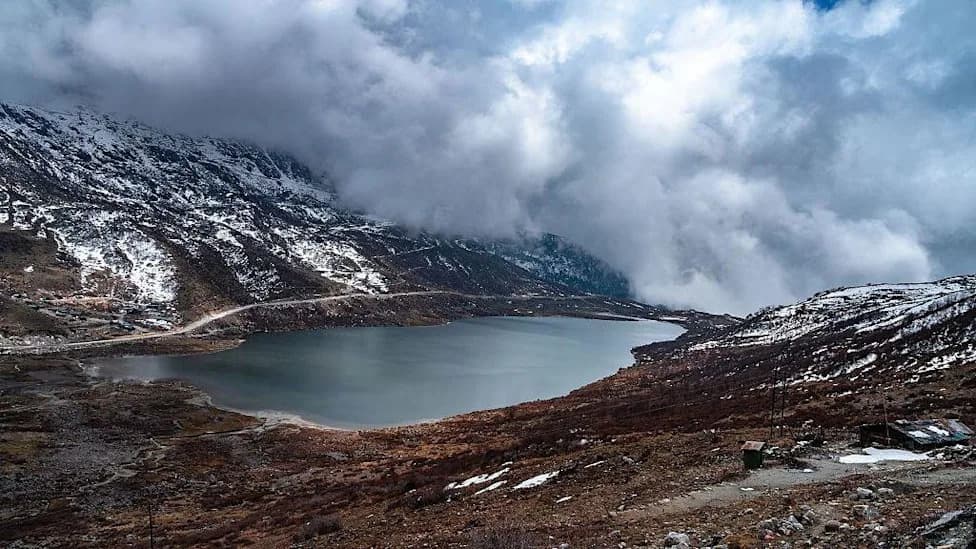
When glaciers retreat they leave depressions carved by the weight of ice. Meltwater can fill those basins until pressure builds or an external trigger — an earthquake or a sudden icefall — releases the water. Lake Imja, for example, did not exist in 1953 when Sir Edmund Hillary first summited Everest; by 2011 it had become the fastest-growing of roughly 1,600 glacier lakes in Nepal.
On our 2011 visit the lake stretched about a mile and a half below the glacier and was held in place by a fragile assemblage of moraine and debris. An earthquake or added load on that improvised dam could unleash a torrent with catastrophic effects for downstream communities.
The Rasuwa Collapse and Its Lessons
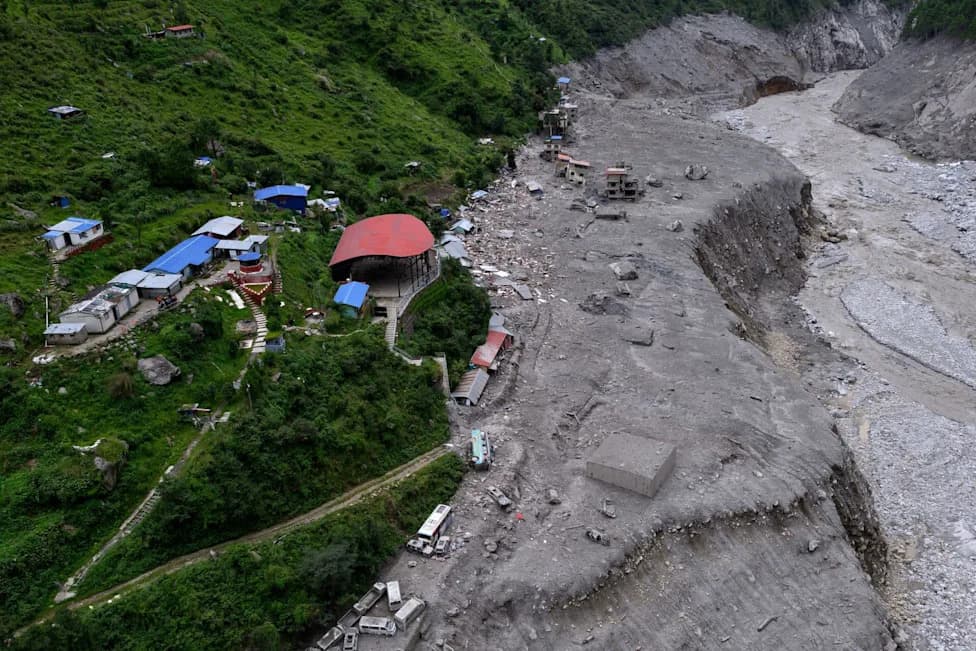
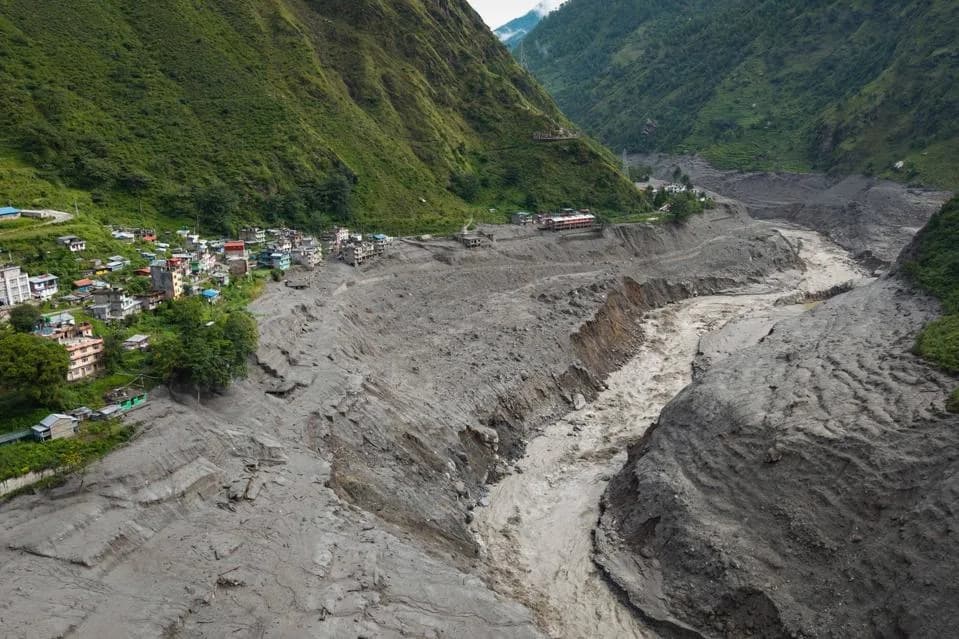
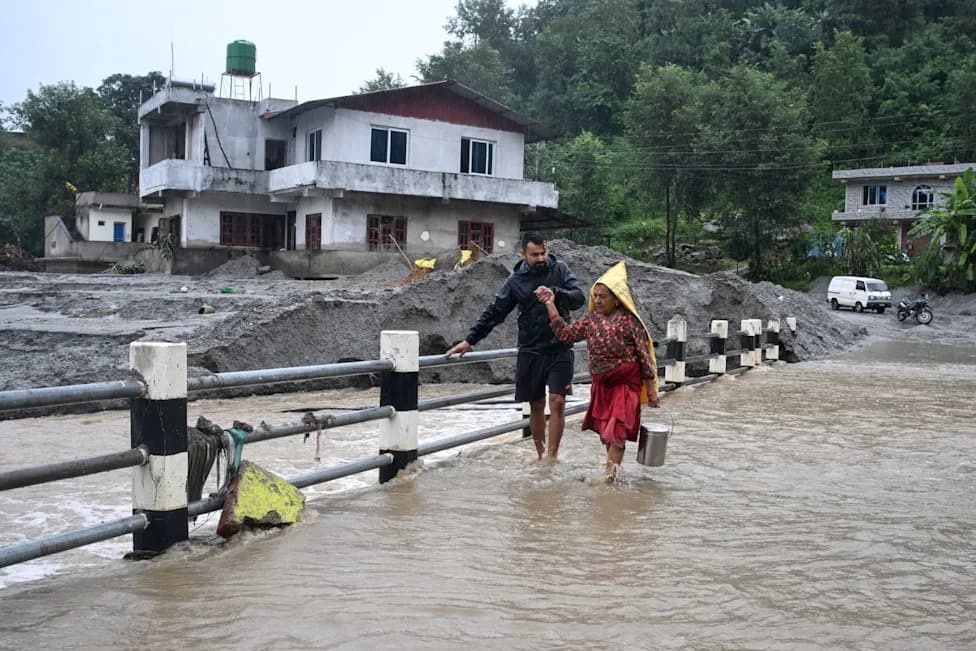
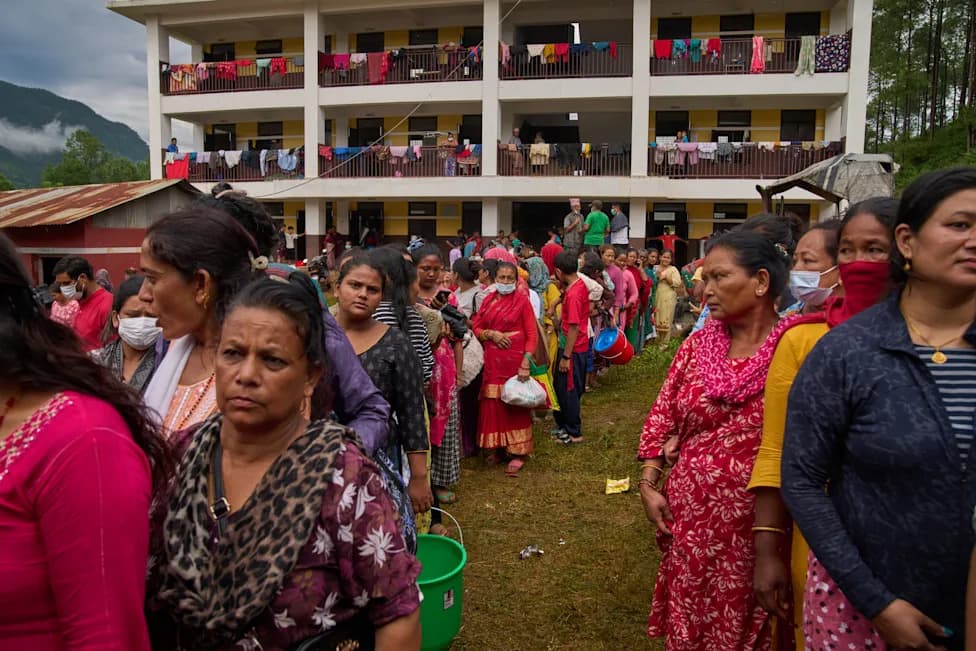
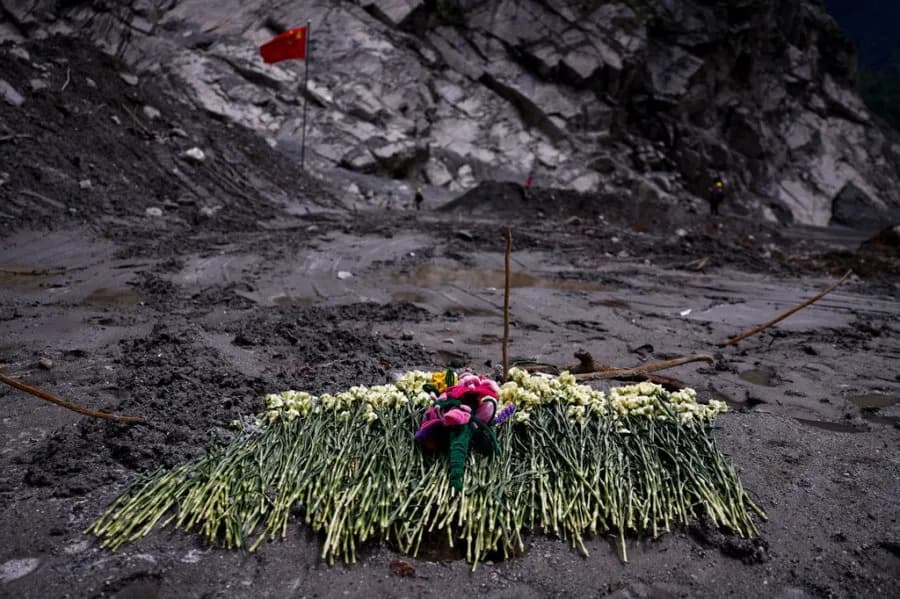
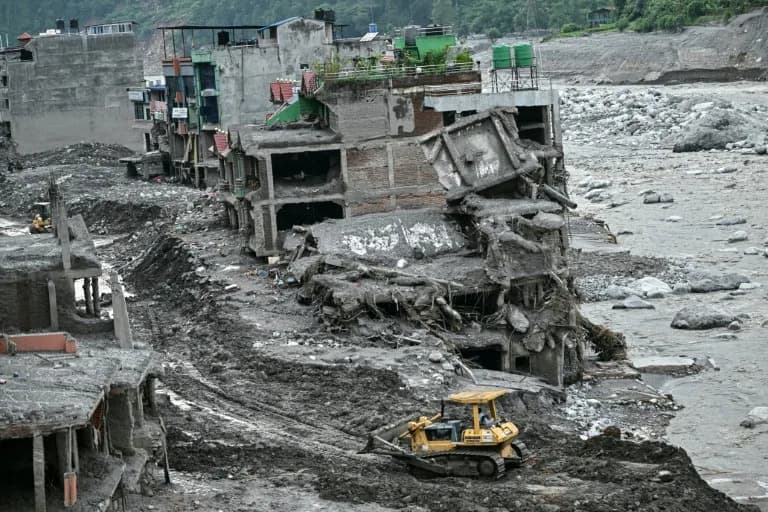
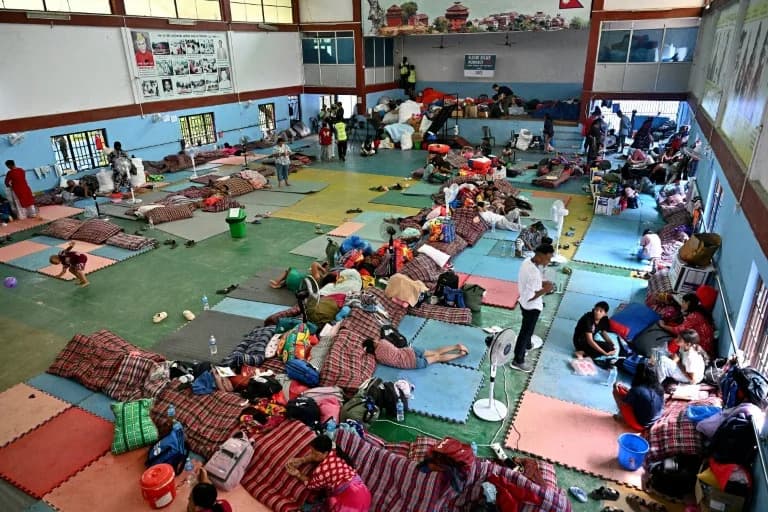
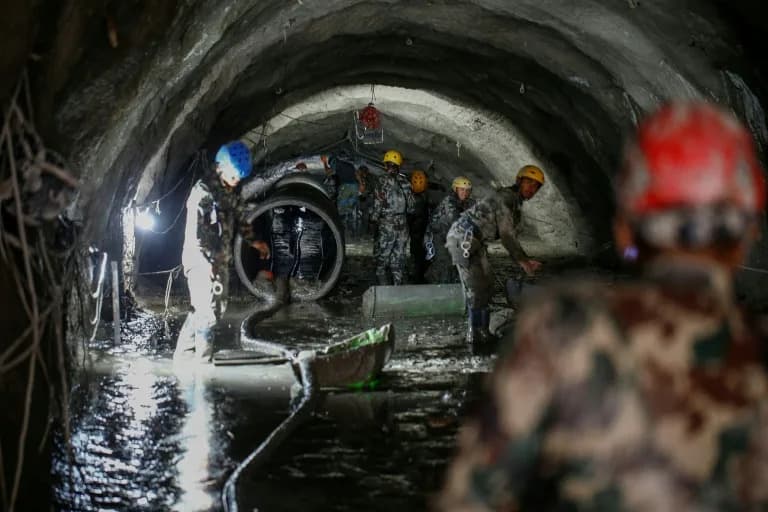
On Aug. 26 a massive slab of glacier — possibly the size of a large New York City building — broke free above Rasuwa and plunged roughly 4,000 feet, generating a tsunami-like surge. Friction at high velocity can partially melt ice, and the moving mass entrained snow, water, rock and mud. The resulting cascade obliterated structures, communities and infrastructure as it barreled down narrow valleys; hurricane-force winds toppled trees.
I write this from Peru, where similar dynamics threaten our high mountain communities. Towers of ice and compacted snow weakened by rapid warming are primed to collapse and wreak havoc downslope.
Peru’s Palcacocha: A Clear Parallel
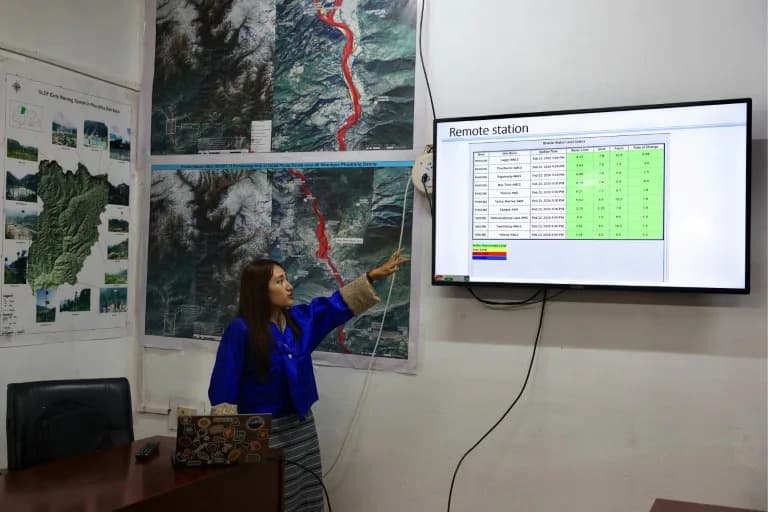
In Peru, Palcacocha — a glacial lake above Huaraz in the Andes — presents a comparable risk. About 100,000 people live downstream, including neighborhoods and schools directly in possible flood paths. As executive director of the Instituto Andino de Montaña, I helped persuade Huaraz officials to install an early warning system. But efforts to obtain funding and political commitment for the engineering work needed to lower the lake level or otherwise reduce risk encountered red tape, inertia and misplaced priorities.
What Works — And What Blocks Action
Practical measures that reduce risk include real-time sensor networks linked to satellite communications for early warning, controlled lowering of high-risk lake levels where feasible, and strengthening or relocating critical infrastructure and settlements out of high-risk corridors. These are proven approaches, but they require sustained political will, technical capacity and funding. In many mountain regions, local authorities lack the resources or expertise to follow through, while national governments may deflect responsibility.
Not Just Nepal and Peru — A Global Threat
The United States is not immune. The Mendenhall Glacier near Juneau, Alaska, has produced glacial lake outburst floods at Suicide Basin annually since 2011, and the retreat of Wyoming’s Grasshopper Glacier contributed to an outburst flood in 2003. In addition to sudden floods, communities face a slower, less visible threat: toxic minerals and metals released by melting glaciers that can contaminate water supplies and erode health over time.
Prevention Is Less Costly Than Mourning: If disasters strike, there will be public grief. We should invest that energy now in prevention, early warning and resilient engineering to save lives.
About the author: Jorge Recharte Bullard, Ph.D., has served as president of the Instituto Andino de Montaña, the Mountain Institute’s legacy institution, since 2020. He directed The Mountain Institute’s Andean program from 1997 to 2019.
Help us improve.