Nepal’s hydropower-driven development strategy was exposed by an August glacier-triggered collapse that killed more than 1,400 people and removed about 410 MW — roughly 10% of national generation — from the grid. The disaster damaged multiple operational and under-construction projects and halted electricity exports, revealing vulnerabilities in relying heavily on glacier-fed rivers. Officials, scientists and international agencies call for climate-resilient design, higher siting of powerhouses, energy diversification (including solar), and improved regional monitoring and early warning systems.
Nepal’s Hydropower Strategy Faces Crisis After Glacier-Triggered Collapse
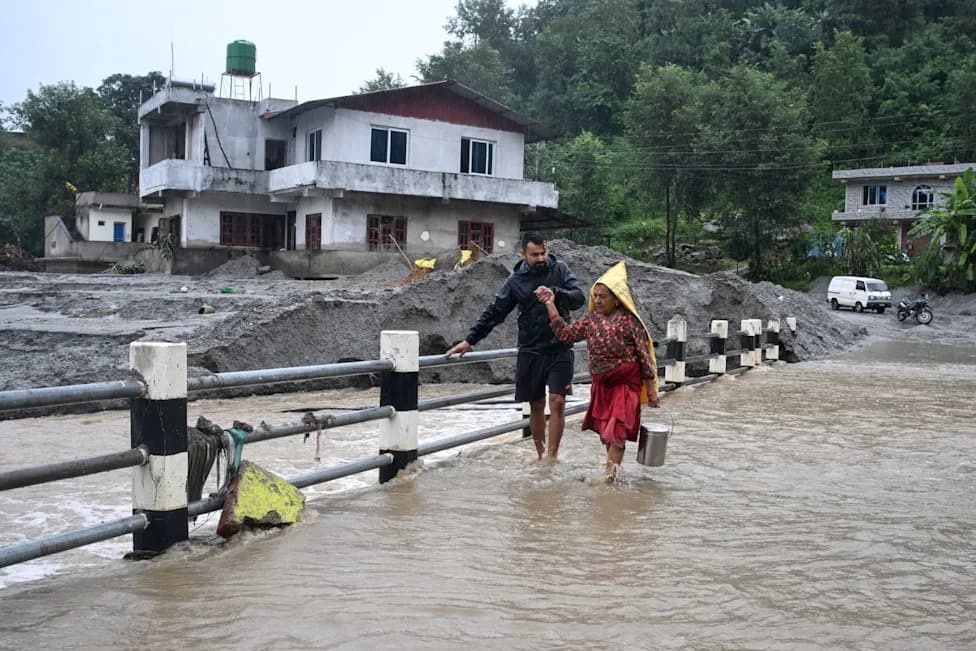
More than 90 percent of Nepal's electricity comes from hydropower, but the flooding disaster in August hit its capacity (SKANDA GAUTAM)
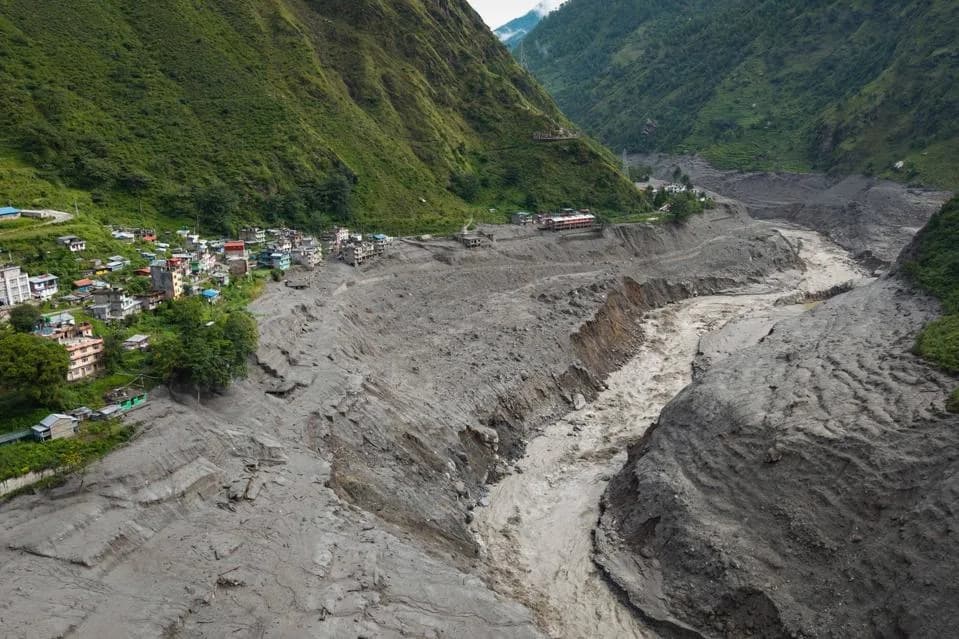
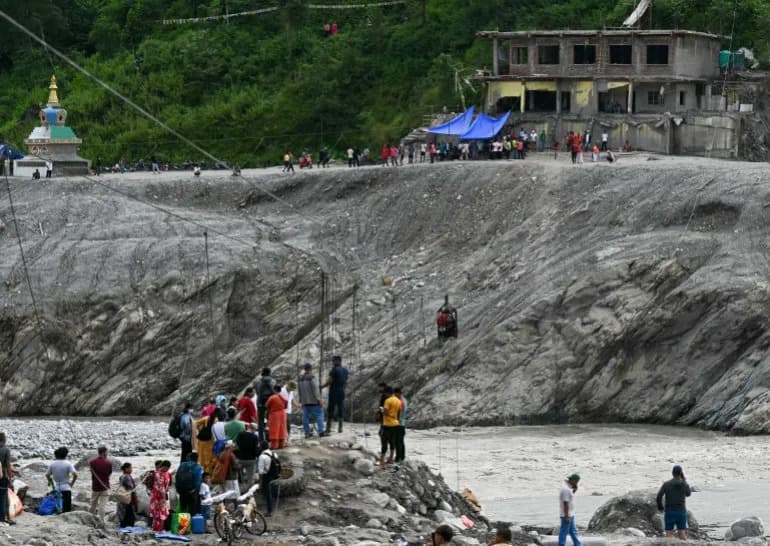
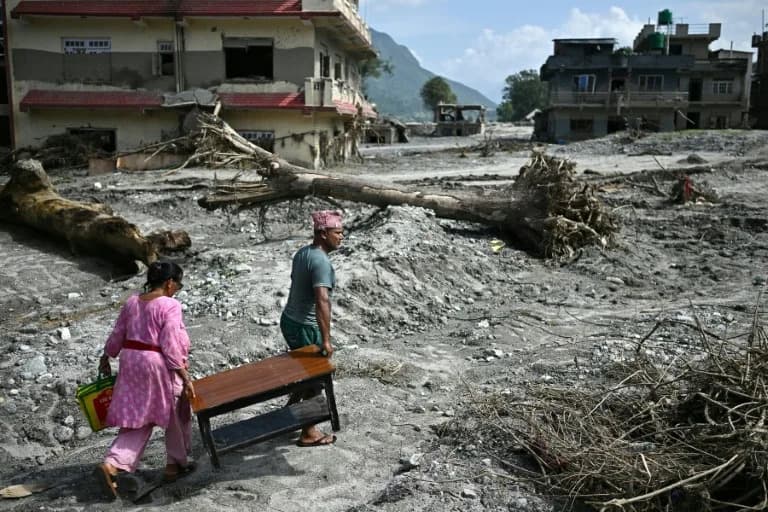
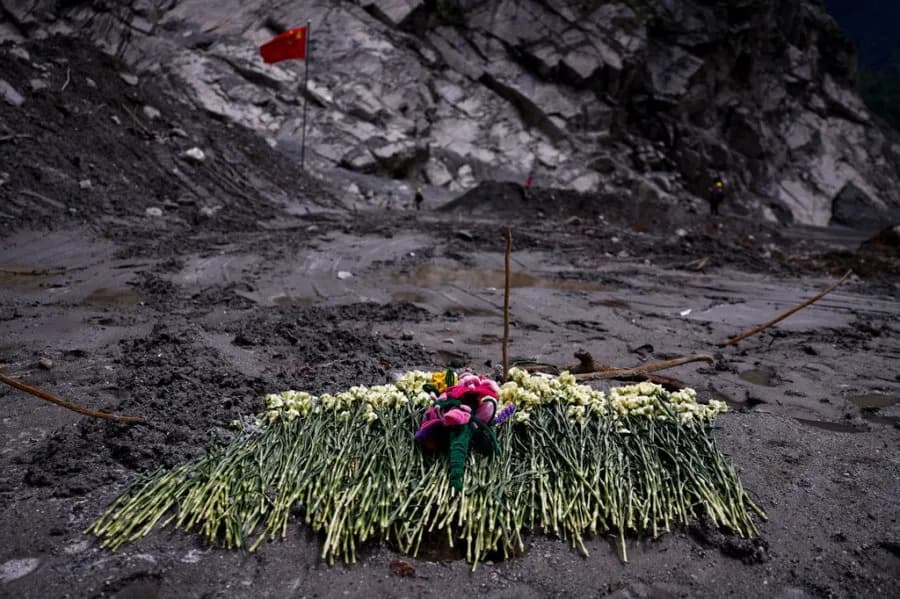
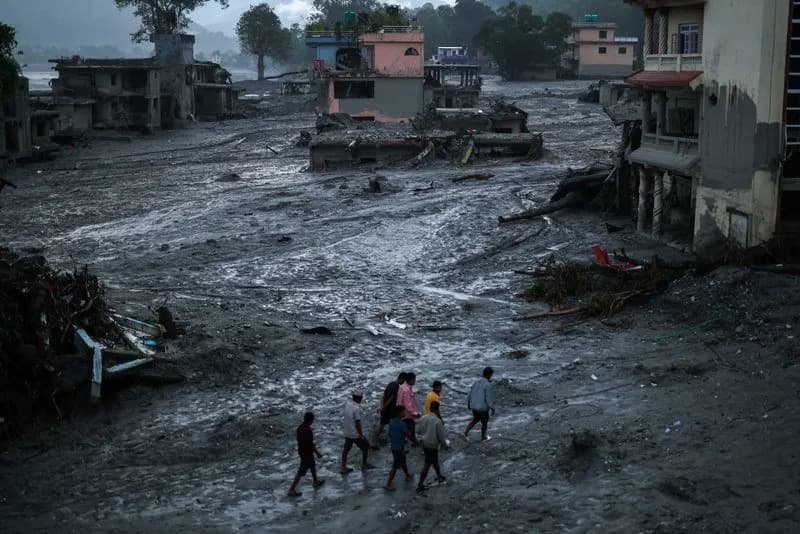
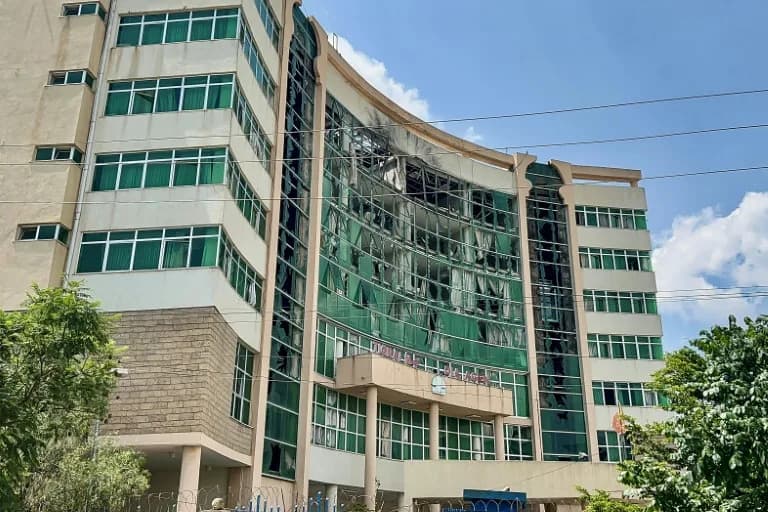
Nepal’s long-term push to harness glacier-fed rivers for economic growth and clean energy was dealt a stark blow by an August disaster: a rock-and-ice collapse on the China–Nepal border that killed more than 1,400 people, left thousands missing and took roughly 410 megawatts (MW) — about 10% of national generation capacity — offline.
Damage and Immediate Impact
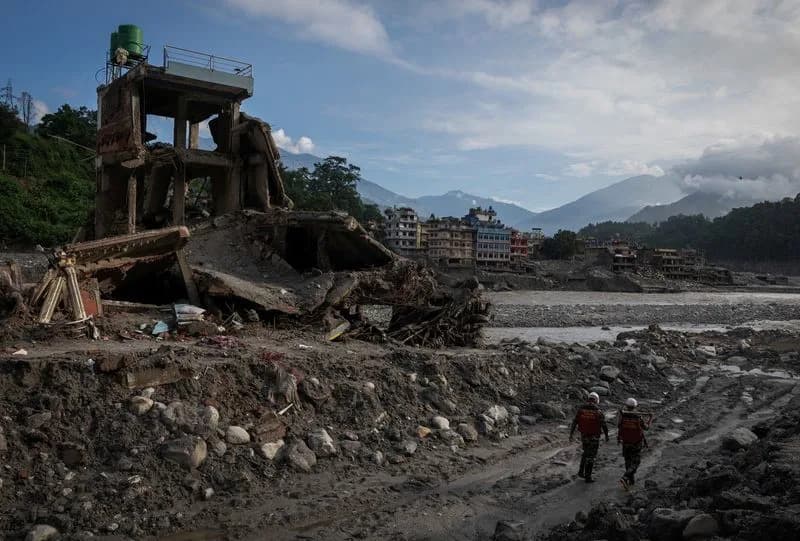
Hydropower supplies over 90% of Nepal’s electricity and the country had expanded output more than fourfold in the last decade to about 4,120 MW, connecting nearly the entire population to the grid. The August event directly struck seven operating hydropower projects and forced shutdowns at others, while six projects under construction (combined planned capacity of 508 MW) were also damaged. Authorities suspended electricity exports to neighbouring India and Bangladesh after the catastrophe.
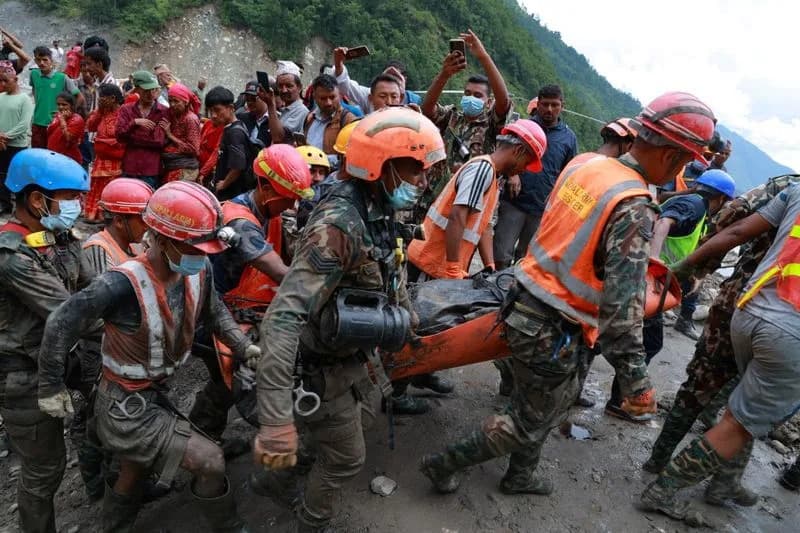
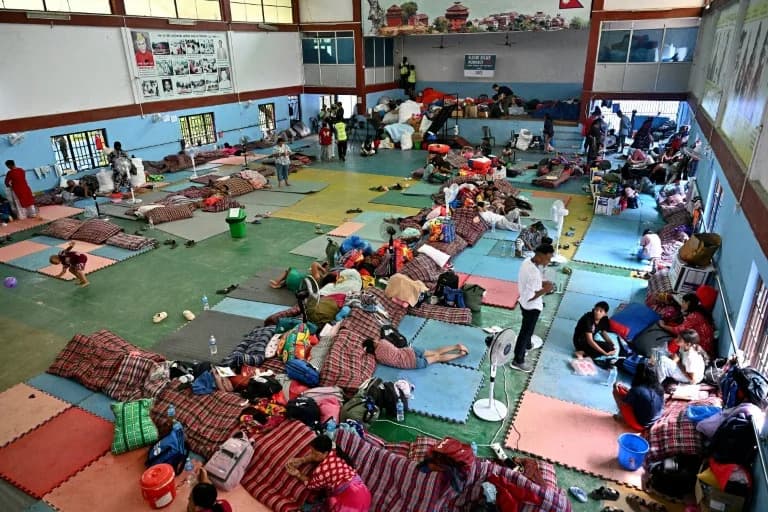
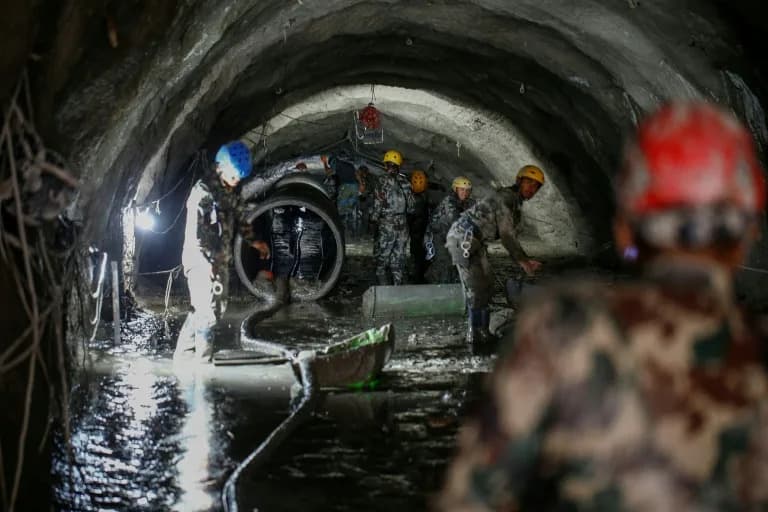
Rescuers have continued searching tunnels and underground works of hydropower plants for hundreds of missing workers and staff weeks after the collapse, underscoring the human as well as infrastructure toll.
Lessons From The Disaster
Officials, industry leaders and international organisations say the scale of the loss demands a fundamental rethink of how hydropower projects are sited, designed and built in fragile mountain environments.
"Hydropower has been a major driving force in growth of the country... generating jobs and income," said Uttam Bhlon Lama, senior vice president of the Independent Power Producers' Association (IPPAN). "We have to prepare... This is our new normal."
Energy, Water Resources and Irrigation Minister Biraj Bhakta Shrestha told parliament the catastrophe "has taught us serious lessons for the future" and called for systems to reduce risks going forward. The World Bank has urged Nepal to develop hydropower systems that can anticipate, absorb and recover from increasingly complex Himalayan hazards.
Scientists and the World Weather Attribution group emphasise that the collapse resulted from a complex chain of factors — long-term warming, glacier retreat and geological instability — rather than a single extreme weather event.
How Infrastructure Needs To Change
Experts recommend a range of adaptations: siting powerhouses higher above riverbeds to reduce flood exposure; improving evacuation plans and safehouses; using remotely operated equipment to minimise on-site human risk; and designing projects to cope with cascading geological hazards. There are also renewed calls to diversify Nepal’s energy mix.
Germany’s development agency GIZ noted that carefully planned additions of solar power could strengthen resilience by reducing dependence on hydropower alone — especially important for a country with little or no coal or gas-fired generation capacity.
Regional Stakes And Next Steps
The implications extend well beyond Nepal. Glaciers across the Himalaya and Hindu Kush feed river systems that support roughly 240 million people in mountain communities and about 1.65 billion people downstream across South and Southeast Asia. Academics and disaster experts urge coordinated regional monitoring, hotspot identification and early warning systems to protect lives, livelihoods and critical infrastructure.
As Nepal assesses the damage and charts recovery, policymakers face the challenge of balancing climate-resilient design, economic goals and the urgent need to protect communities in a rapidly changing Himalayan environment.
Help us improve.