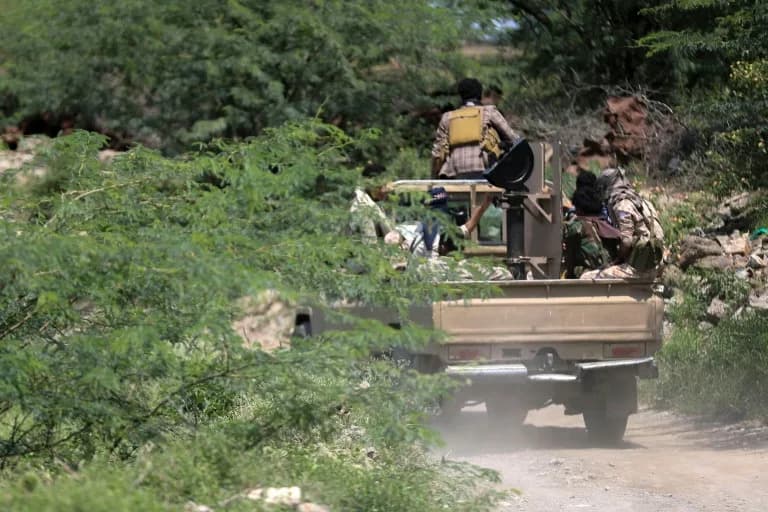
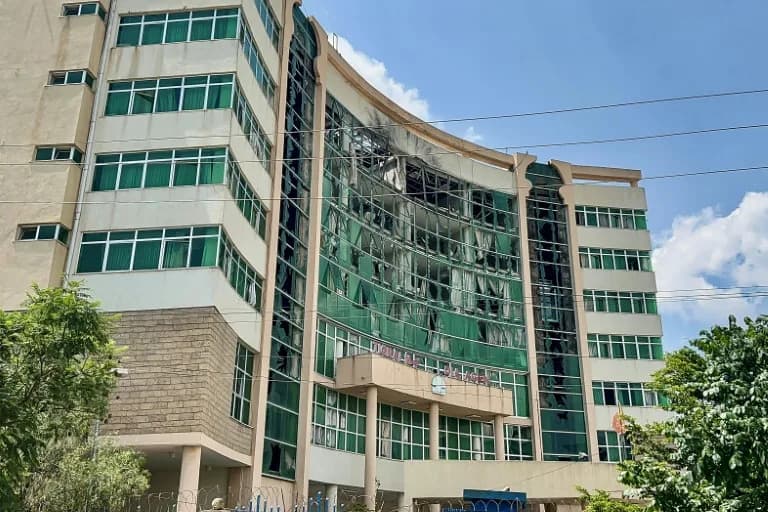
The Aug. 26 Tibet–Nepal flood left 1,453 dead and about 5,200 missing on the Nepali side while Chinese authorities restrict reporting in Tibet. Critics link rising Himalayan disasters to large-scale dam construction under rapidly warming glaciers and warn that reservoirs can accelerate glacial melt and the risk of catastrophic outburst floods. Observers argue that suppressing Tibetan voices and Indigenous ecological knowledge increases regional vulnerability and that any major dam failure would have transnational consequences.
Himalayan Floods and Dams: How Beijing’s Information Controls and Development Push Raise Regional Risk
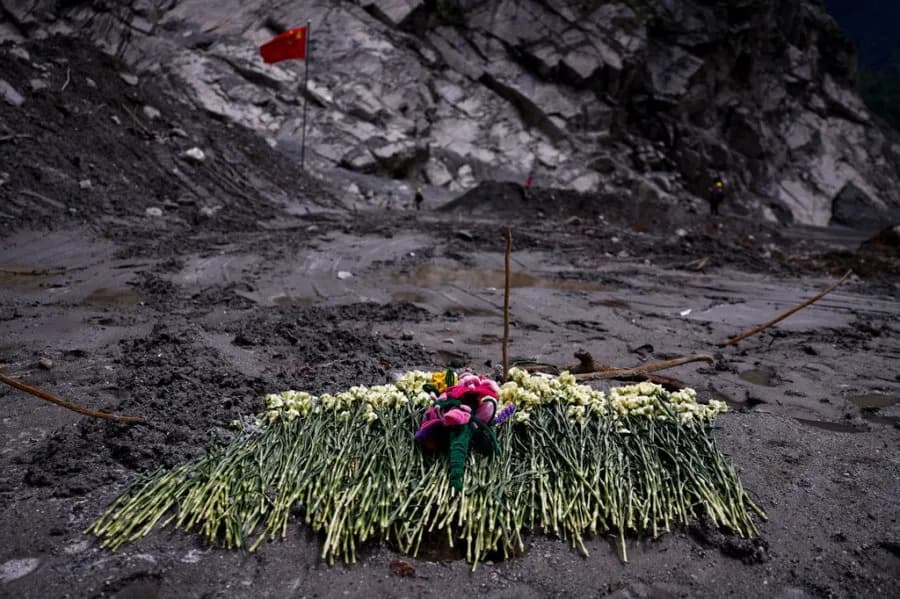
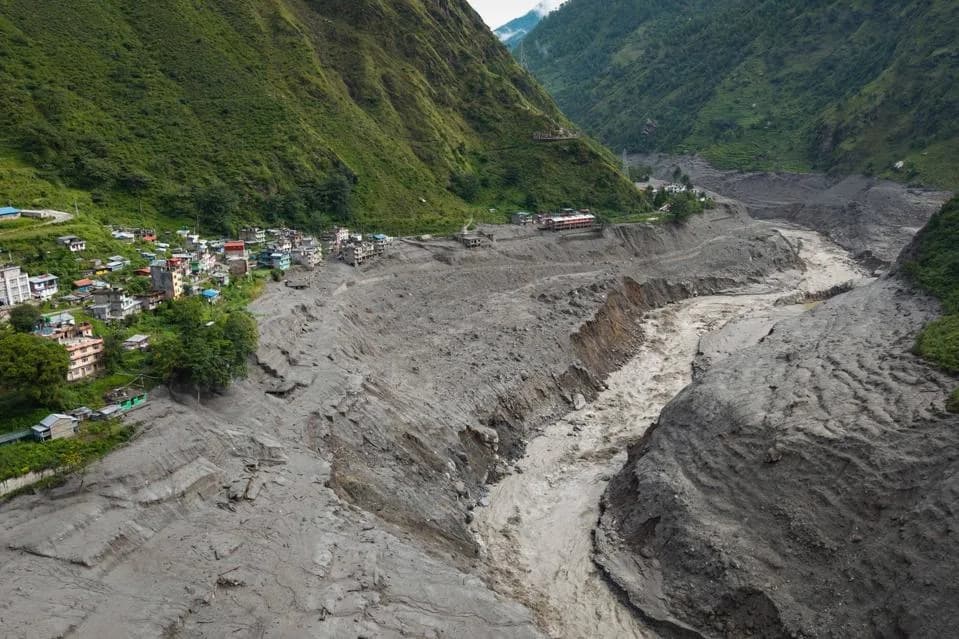
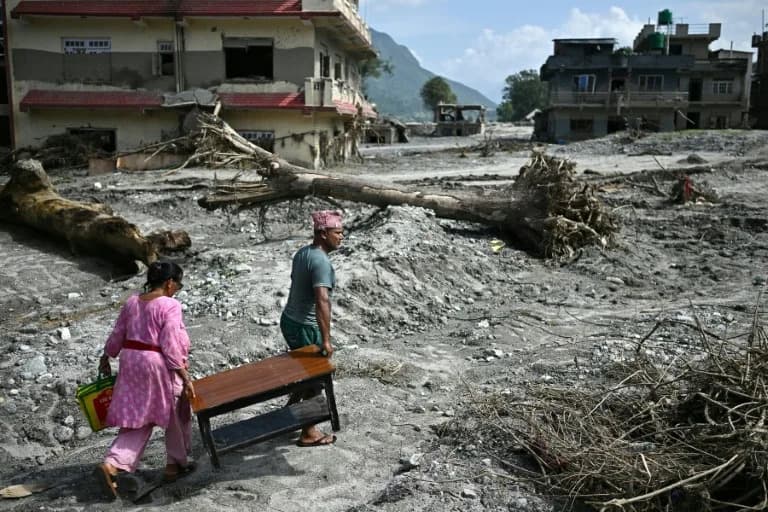
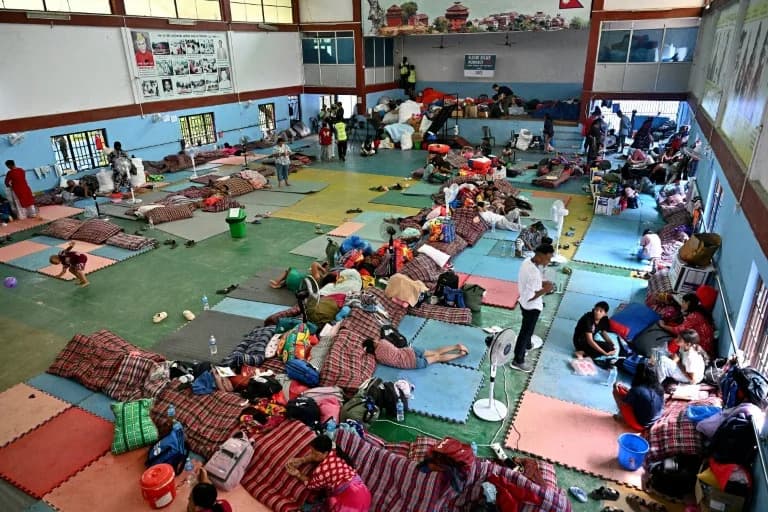
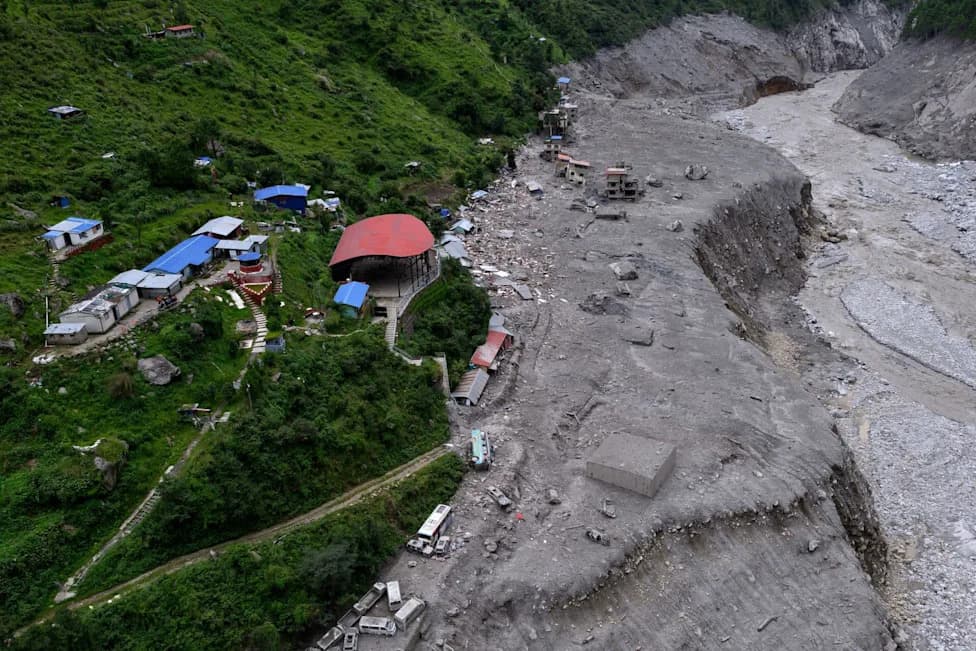
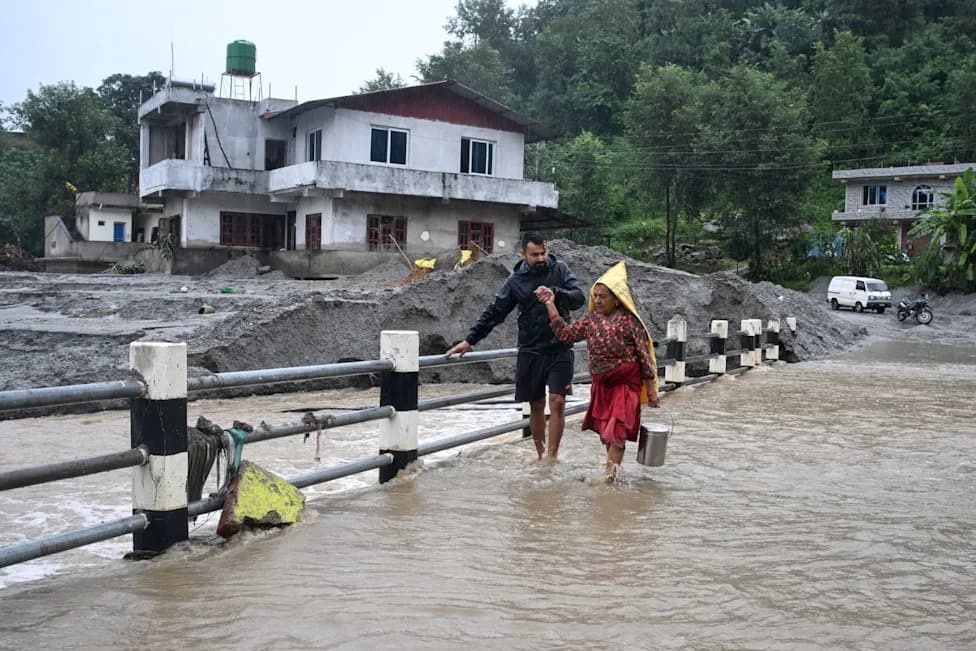
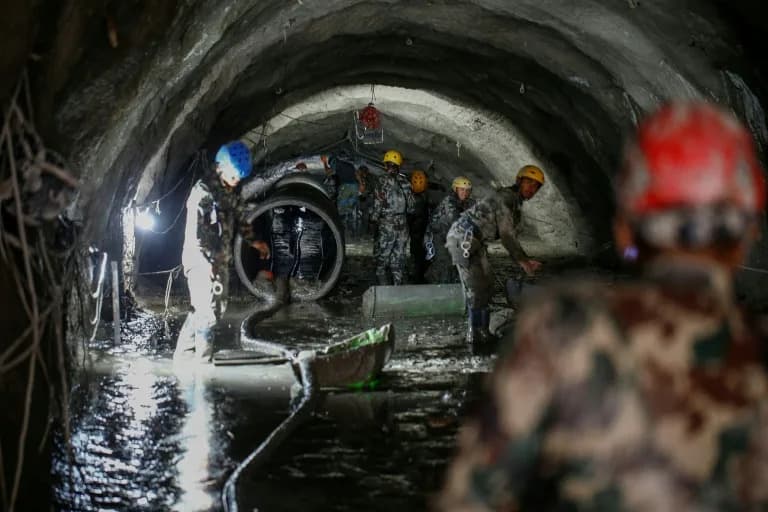
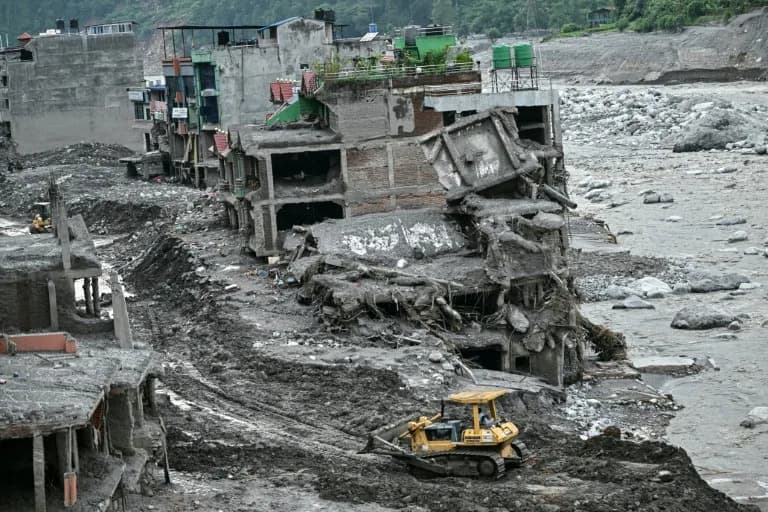
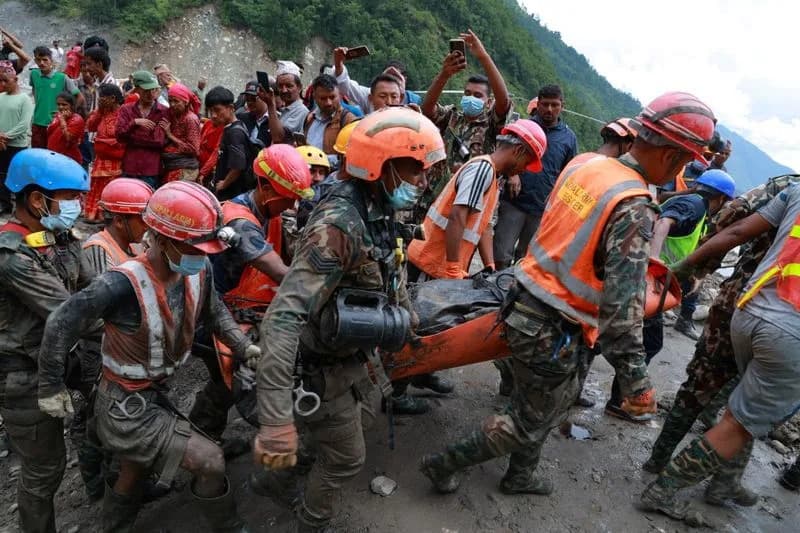
The Aug. 26 Tibet–Nepal flood has underscored how environmental risks, geopolitical strategies and information controls can combine with deadly consequences. Nepali authorities report 1,453 dead and about 5,200 missing on the Nepali side; on the Tibetan side, reporting is severely constrained by Chinese information controls that limit acknowledgment of casualties and local reporting.
What Happened in Tibet
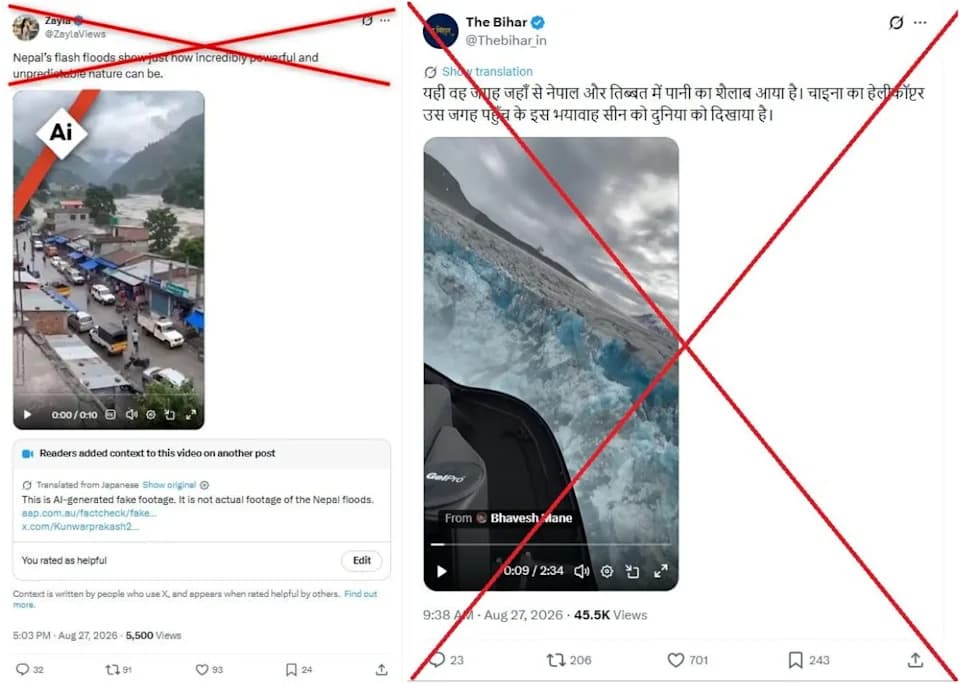
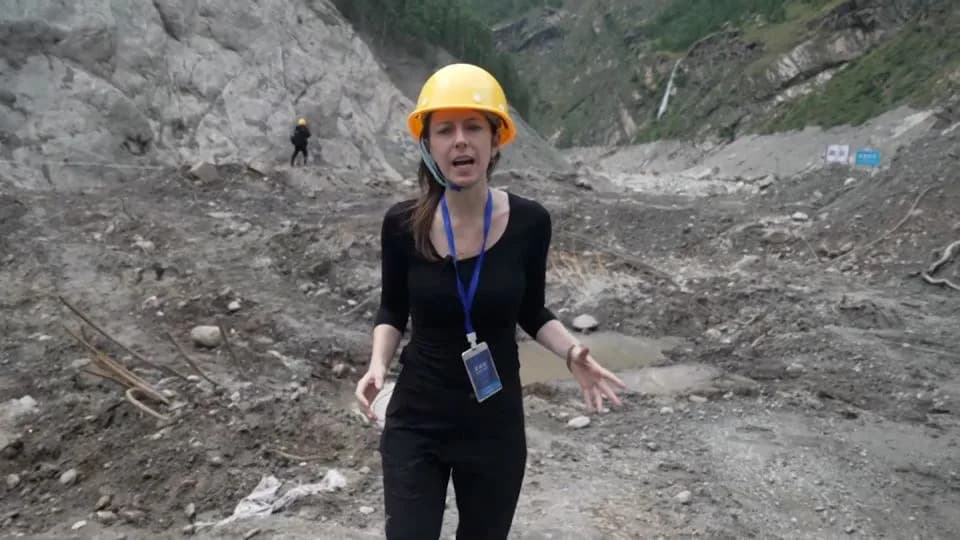
When the flood struck, Kyirong County officials briefly opened a WeChat channel for residents to report missing relatives. According to a reliable Kathmandu source, the service was closed after 219 people were registered as missing. Social media posts are being censored, and people who dispute the official Chinese death toll — currently reported as 43 — face fines or short-term detention, according to local reports. Observers say these restrictions impede relief, accountability, and public understanding of the disaster’s scope.
Dam Building, Geopolitics and Environmental Risk
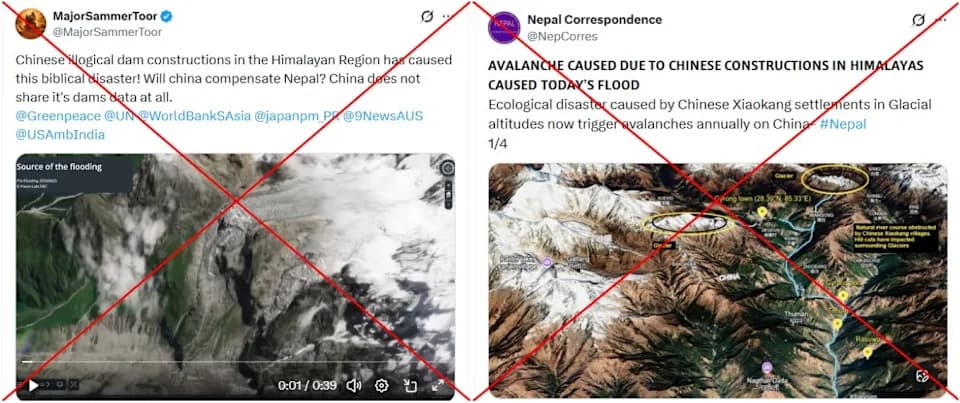
Critics and some researchers link recurring Himalayan disasters to aggressive dam construction on Tibetan rivers. China is funding more than a quarter of Nepal’s roughly 570 hydropower projects — part of a broader strategy to reduce Kathmandu’s energy dependence on Indian oil and gas by financing hydropower and supplying electric vehicles.
But the Himalayan environment is uniquely fragile: the region is warming at about twice the global average, accelerating glacial melt. Large reservoirs built beneath or below glaciers collect huge volumes of surface water under intense high-altitude sun and can act as localized heat sinks, contributing to faster melt. Scientists have identified similar warming and expansion dynamics in natural glacial lakes; man-made reservoirs in glacial valleys may create parallel risks.
Glacial Lakes and the Threat of Outburst Floods
There are at least 14,000 glacial lakes across the Himalayas. As glaciers retreat and melt accelerates, these lakes can grow larger and deeper — raising the risk of glacial lake outburst floods (GLOFs), sudden releases of water capable of devastating downstream communities. The threat is transboundary: water and flood impacts travel across Tibet into Nepal, India, Bhutan and far downstream into the Indo-Gangetic plains and Southeast Asia.
Cultural Knowledge, Policy Choices, and Consequences
Longstanding Tibetan cultural and ecological knowledge has informed sustainable land and water stewardship on the plateau. Critics argue that policies which marginalize Tibetan voices — including programs that alter traditional lifestyles and cultural institutions — erode local capacity to manage fragile ecosystems. They warn that undermining indigenous stewardship while accelerating large-scale infrastructure projects increases the danger of catastrophic events.
“Those who eat the fruit think of the tree; those who drink the stream cherish its source.” — Yu Xin
Advocates say Beijing would be wise to draw on ancestral and Indigenous knowledge as it develops policies for the plateau, rather than relying solely on large-scale engineering approaches that may overlook local ecological realities.
Regional Stakes
China has built tens of thousands of dams nationwide; some estimates cite roughly 95,000 structures of varying size. If major high-altitude reservoirs or valley dams were to fail, the downstream consequences could be catastrophic across multiple countries. Estimates of total surface water stored in Himalayan reservoirs vary; some observers point to very large volumes of water retained at high elevations — a sobering reminder that the region’s hydrology affects hundreds of millions of people.
About the author: Tenzin Bhagen (Yeshi Dorje) is a Tibetan writer and former journalist for Voice of America and Radio Free Asia who has worked on environmental protection in the Himalayas.
Copyright 2026 Nexstar Media, Inc. All rights reserved. This material may not be published, broadcast, rewritten, or redistributed. For the latest news, weather, sports, and streaming video, visit The Hill.
Help us improve.