The Green Party's conference debate over a motion that would label "Zionism is racism" has reignited criticisms about elements within the party and raised concerns about the internal climate for Jewish members. Critics say the motion mischaracterises Zionism, a 19th‑century movement for Jewish national self‑determination, and risks stigmatizing many Jews who feel an attachment to Israel. The episode is also cited in broader arguments about proportional representation and whether empowering smaller parties could amplify divisive voices.
Green Party Motion Declaring 'Zionism Is Racism' Sparks Backlash and Raises Questions About Proportional Representation
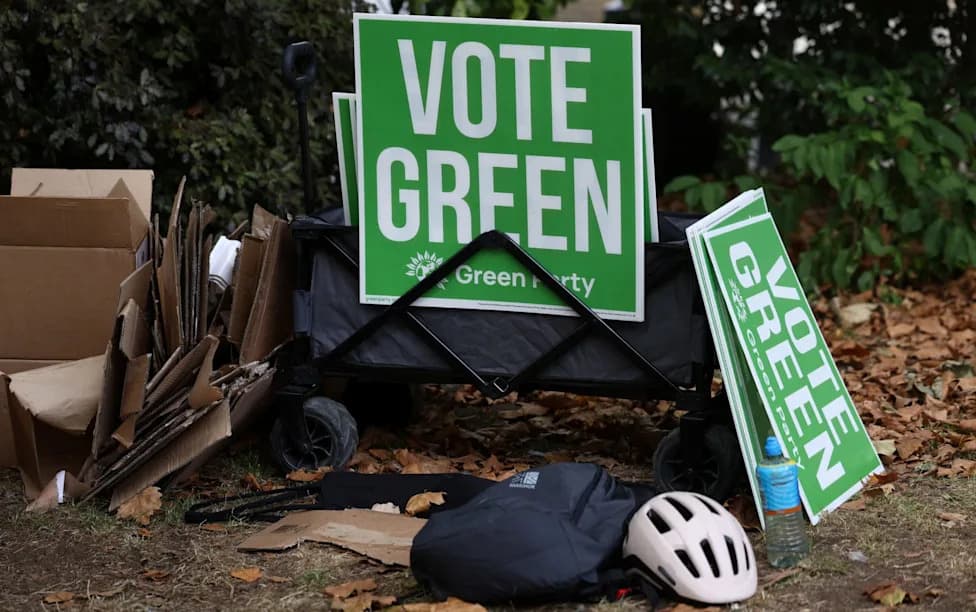
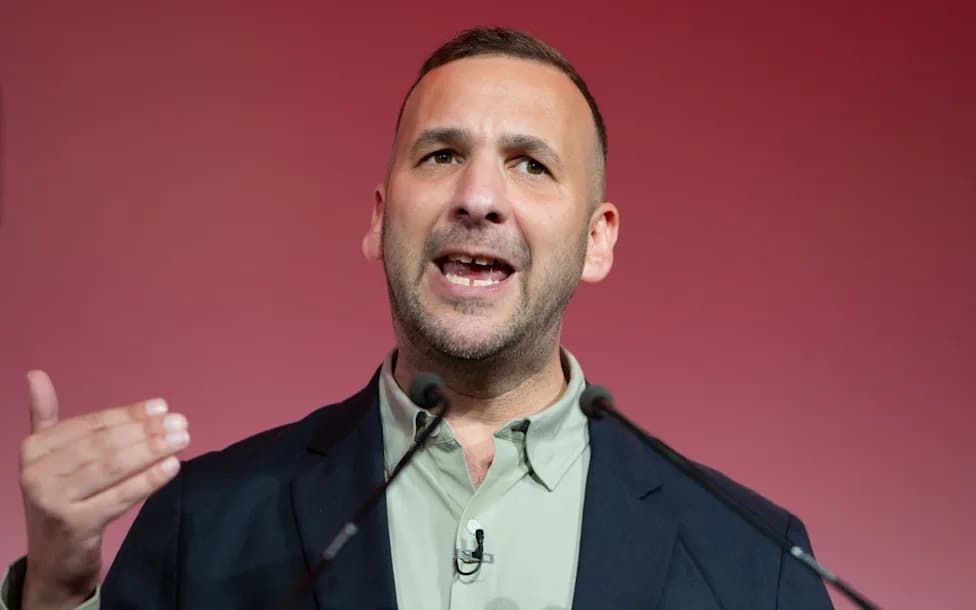
The party has fielded candidates who have defended the Oct 7 pogrom - Toby Shepheard/AFP
The Green Party is facing renewed controversy after delegates debated a motion that would describe "Zionism is racism." Critics say the debate has exposed longstanding tensions within the party and raised concerns about how internal disputes could affect Jewish members and the party's wider appeal.
Background
At the party conference, delegates considered a motion whose briefing paper characterises Zionism as a "racist ideology" that enforces "Jewish supremacy." Opponents of the motion argue this portrayal is inaccurate and harmful. The dispute comes as some critics point to party candidates accused of defending the October 7 attacks and to allegations that elements of the party have tolerated anti‑Semitic rhetoric.
What Is Zionism?
Zionism emerged in the 19th century as a modern political movement advocating Jewish national self‑determination and the right to a secure homeland. Supporters say it is a claim to the same national rights enjoyed by other peoples and a response to centuries of persecution, culminating in the Holocaust.
Why The Motion Is Contested
"Zionism is racism"
Many Jews around the world feel an attachment to Israel, and critics of the motion say branding Zionism inherently racist risks casting a moral aspersion over large numbers of Jewish people. Some Greens have described the proposal as chiefly symbolic or procedural, but opponents warn that, if adopted, the language could create an environment where Jewish members feel scrutinised or disciplined for affiliations described as "Zionist."
Historical Context
The slogan that "Zionism is racism" has a political history: it was promoted by the Soviet Union during the Cold War and adopted by the UN General Assembly in 1975 (Resolution 3379). That resolution was controversial and was later revoked by the UN in 1991, reflecting changing international attitudes and the contested nature of the claim.
Implications For Electoral Reform
Proponents of proportional representation (PR) such as Andy Burnham argue it would make elections fairer by reflecting votes more accurately. Critics counter that PR can increase the influence of smaller parties, and they point to the Greens' internal disputes as an example of how heightened power for minor parties could complicate governance and public representation.
The debate over the motion is likely to continue, with implications beyond the party: it raises questions about how political organisations handle sensitive identity issues, how they balance free expression with safeguarding members, and what role smaller parties would play under a different electoral system.
Help us improve.