The author, a journalist, recounts being harassed while filming at a 90th‑anniversary Cable Street commemoration. Two parallel events took place: a Jewish‑led remembrance and a rival rally in which chants like "Zionist scum are not welcome here" were heard. The writer describes being blocked, insulted and threatened by a steward, and argues the incident reflects growing hostility toward diaspora Jews since October 7. The piece concludes that this experience reinforced the author's commitment to Zionism.
I Faced a Wall Of Anti‑Zionist Hatred At A Cable Street Commemoration
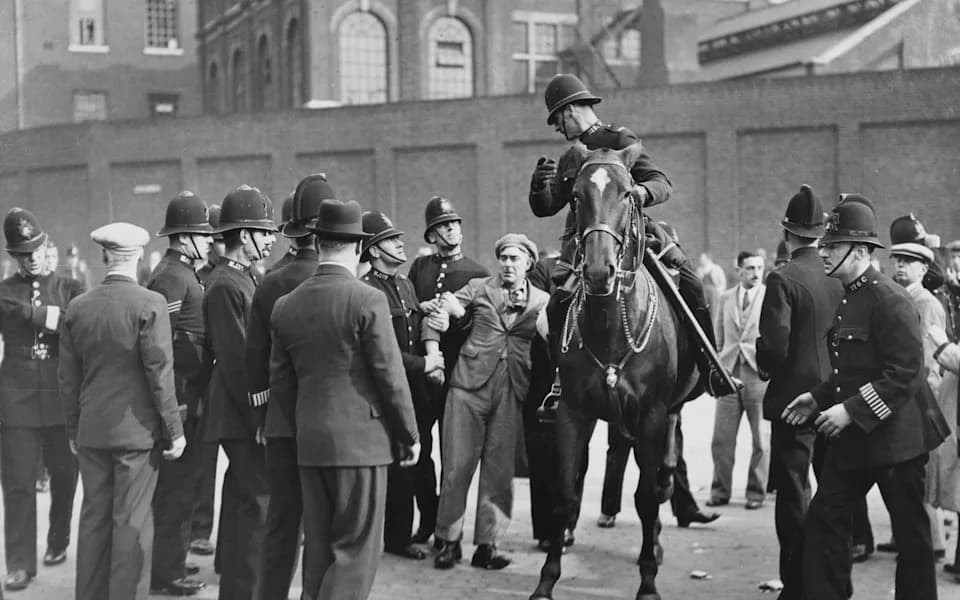
Police arrest a demonstrator during the 'Battle of Cable Street' in 1936 - Central Press/Hulton Archive/Getty Images
I have reported on murders, terrorist attacks and systemic problems in schools, universities, the NHS and trade unions. I have taken online abuse. Yet until last Sunday I had never experienced the concentrated, deranged intensity of anti‑Zionist hatred I encountered at a Cable Street commemoration.
The event was billed as an "anti‑racist" rally to mark the 90th anniversary of the Battle of Cable Street — when left‑wing activists and East End Jewish communities united to oppose Oswald Mosley’s Blackshirts. The irony of what followed was bitterly acute.
Two Commemorations, Two Narratives
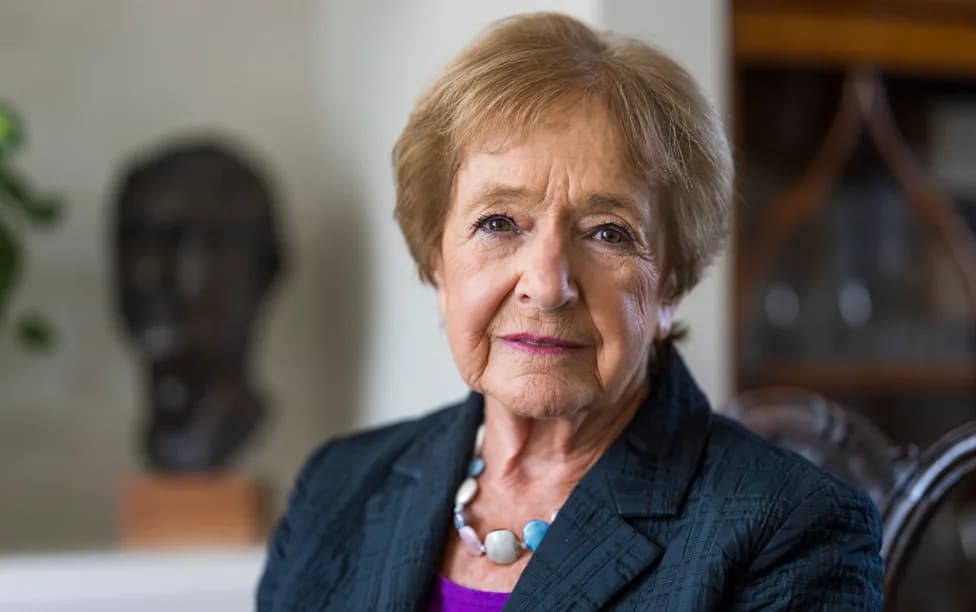
There were effectively two gatherings that day. One, organised by Jewish activists and allies, recognised the Jewish victims of the 1930s fascist threat. It featured descendants of those who were there in 1936 and a spirited 94‑year‑old who remembered the original day vividly. The other attracted pro‑Palestinian groups and others who explicitly warned against allowing "Zionists" to claim the Cable Street legacy.
Union Unite’s official commemoration praised the working‑class resistance to fascism but, in my view, failed to name Jews clearly as the targets of that fascist threat — a silence that some Jewish attendees found deeply uncomfortable.
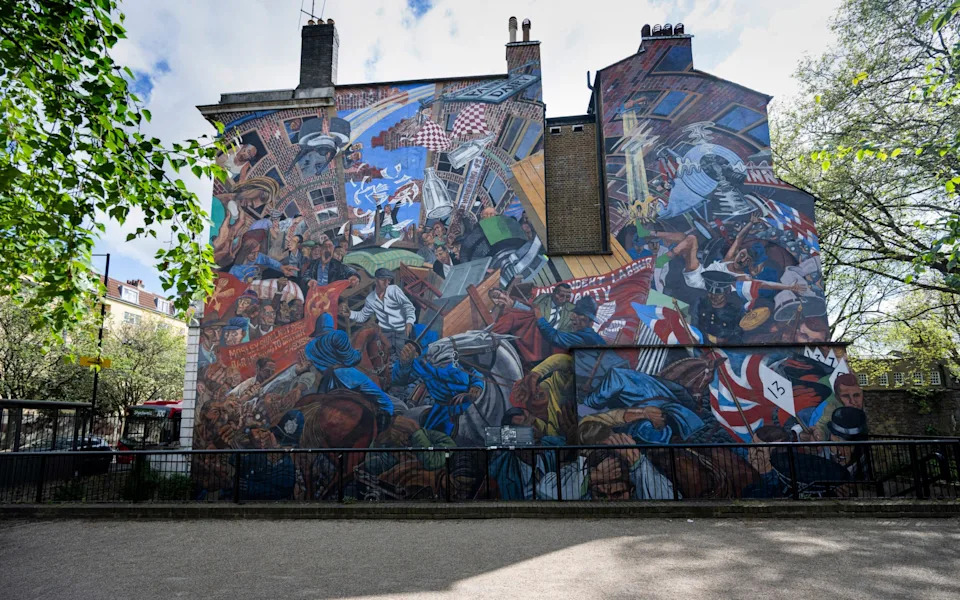
The Cable Street Mural depicting the battle between Oswald Mosley's Blackshirts and anti-fascist demonstrators - David Rose
The Confrontation
After the Jewish‑led ceremony ended, I remained with other journalists to hear a second set of speeches. As a demonstrator entered the small park beside the Cable Street mural, an argument broke out. A man calling himself an "anti‑Zionist Jew" said the event should be unifying; others replied with chants of "Zionism Is Fascism!"
I moved closer to film. The crowd immediately demanded I stop and, when I identified myself as a journalist, someone shouted: "You are not a journalist. You are a Zio." They insisted I leave, chanted "Zionist scum are not welcome here," and attempted to block my phone with hands and placards. At one point they covered me with a placard bearing the anti‑fascist slogan "No Pasaran" — a bitter irony given the slogan's historical context.
A steward wearing a Stand Up To Racism badge then confronted me. When I asked her to stop touching me, she called me a "racist Zionist" and reportedly said, "If I touched you, you wouldn't be alive." She denied the contact but was later removed. We left when the stage chanting turned to "Free Palestine". On my way home I felt shaken — not only by the incident itself but by how it reflected a pattern of hostility many diaspora Jews say they have faced since the October 7 attacks.
Reflections
What I experienced at Cable Street felt like a small, alarming echo of the past: an erasure of Jewish victimhood, public hostility and the threat of escalation.
After the 1936 battle, East End Jews suffered a pogrom the following week; they could not have foreseen what would come for European Jewry a few years later. In 2026 we know that situations can deteriorate badly and quickly. That awareness is one reason many remain grateful for the existence of Israel. My encounter at the commemoration is a personal explanation of why I continue to identify as a Zionist.
Note: This account reflects the author's personal experience at the event and observations of the day. It aims to describe what was seen and heard while reporting, and to situate that experience within broader concerns about rising hostility toward Jewish communities.
Help us improve.