The article recounts a volatile Jewish hustings in Holborn and St Pancras where Green leader Zack Polanski was vocally heckled over his positions on Israel, Zionism and anti‑Semitism. Audience members condemned his avoidance of a direct answer on Israel's right to exist and reacted angrily to his comments about genocide and Jewish safety. The piece highlights deep mistrust among Jewish voters, controversial historical analogies used by the author, and an upcoming Green Party conference debate that could further expose party divisions.
Heated Confrontation: Zack Polanski Heckled by British Jews at Holborn And St Pancras Hustings
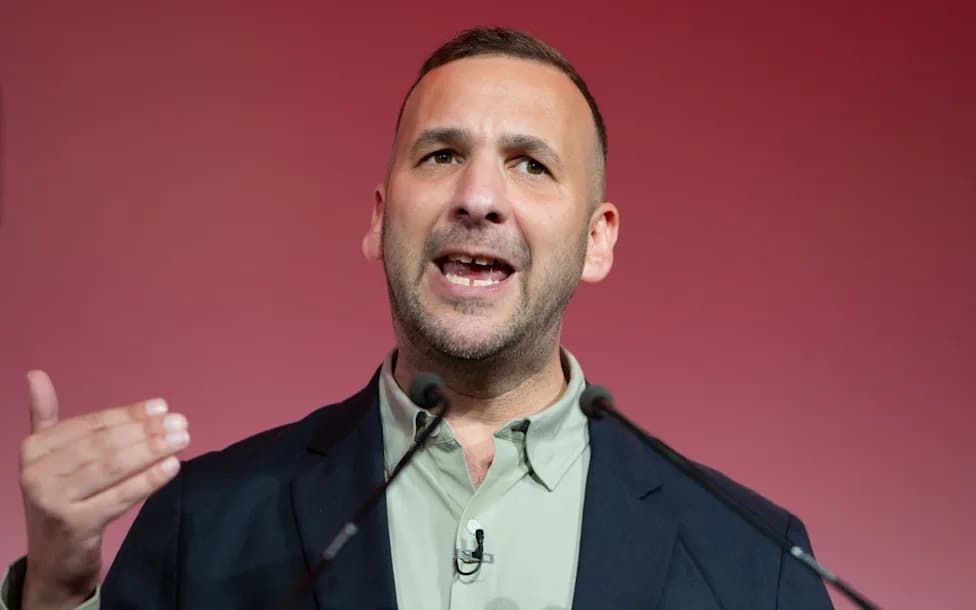
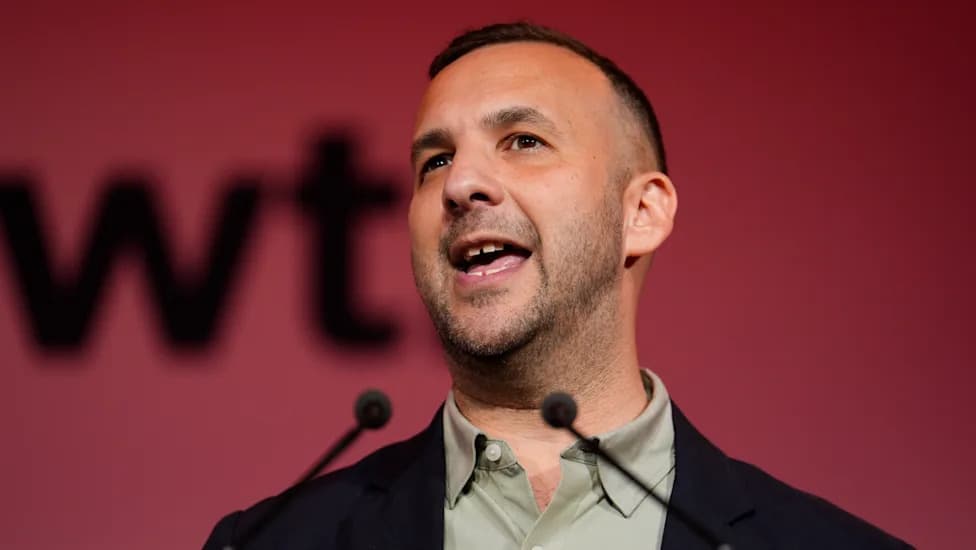
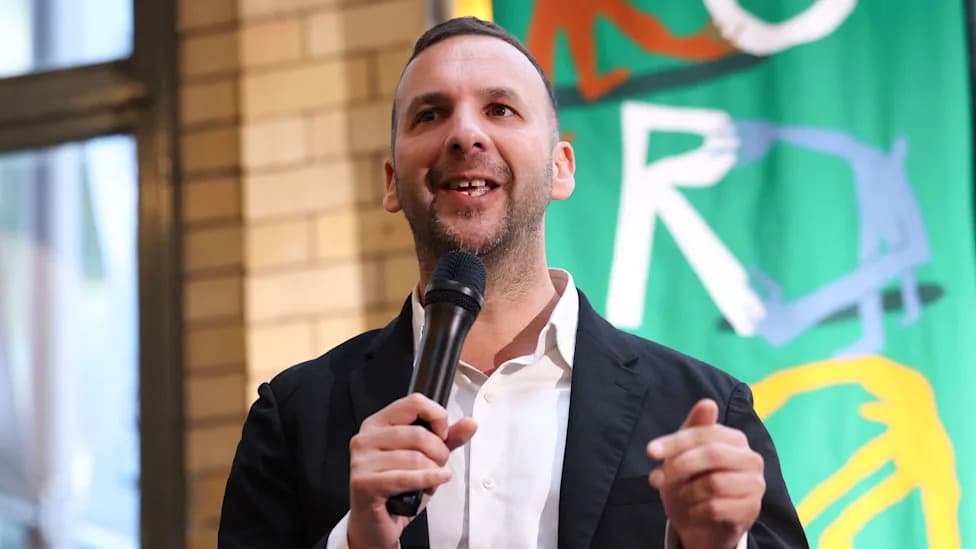
Polanski was heckled at the Holborn and St Pancras hustings - Thomas Krych/Anadolu via Getty Images
A tense exchange erupted at a Jewish hustings for the Holborn and St Pancras by‑election when Green Party leader Zack Polanski was loudly challenged by members of the local Jewish community over his comments on Israel, Zionism and anti‑Semitism.
“Shame! Shame!” rang out from the audience as roughly 100 attendees pressed Polanski for clearer answers about his views. The confrontation unfolded during an open question‑and‑answer session in which Jewish voters sought to test his positions and assess whether he understood their safety concerns.
Polanski was asked directly whether he believed Israel had a right to exist and what his solution for the Middle East would be. Rather than giving a simple yes or no, he spoke about the historical context of the Balfour Declaration and described expressing a view on a country’s right to exist as potentially "pretty imperial," which prompted audible disapproval.
When pressed a second and third time—including being reminded that Israel is a nation of around 10 million people—he reiterated that the United Kingdom should not unilaterally decide the future of Israelis and Palestinians. That answer failed to satisfy many in the room, whose mood grew increasingly febrile.
Anger escalated when Polanski said he believed Israel was committing a genocide and added that labelling the accusation of genocide as anti‑Semitic risked "making ourselves as Jewish people less safe." Attendees reacted strongly to the suggestion that Jewish people might be responsible for anti‑Semitism, drowning out a small group of supporters who applauded him.
"You are speaking rubbish! You should be ashamed!"
The writer present noted that the long history of blaming Jews for hatred directed at them is a tactic used by anti‑Semites, and rejected the description of Israel’s actions as genocide. The article also recalled past international controversies over Zionism, including the UN’s 1975 resolution that called Zionism a form of racism (a resolution that was later revoked by the UN General Assembly in 1991).
Polanski was also challenged on whether he endorses the proposition "Zionism is racism." He responded that definitions vary and argued that if Zionism is defined as "the displacement and genocide of the Palestinians," then that would be racist. Many in the audience, who identify as Zionists, countered that Zionism at its core is the belief that the state of Israel has a right to exist and that supporting a safe homeland for Jews does not implicate advocates in displacement or violence.
The hustings also featured the Labour candidate, described in the room as a Muslim woman, who signalled support for a two‑state approach and security for both Israelis and Palestinians. That contrast underlined the breadth of opinion among local voters about how to balance security, self‑determination and human rights.
The article went on to accuse Polanski of political positioning that distances him from Jewish voters and suggested this may please anti‑Semitic elements within the party. It referenced contentious labels that some critics have used for him—including "self‑hater" and the slur "Kapo"—and compared his role, in the writer's view, to historical examples of Jews who cooperated with hostile regimes. Those comparisons are highly provocative and were presented as part of the author’s strong critique rather than objective fact.
Finally, the piece noted that the Greens will debate a motion at their conference on whether "Zionism is racism," a debate likely to expose further divisions within the party. The author concluded by questioning whether Polanski's stance will aid or harm his standing with Jewish voters and whether internal critics will ultimately forgive him for his positions and background.
Help us improve.