The hashtag #iamjanedoe gained momentum after commentator Michael Tracey urged followers to identify the anonymous plaintiff in a Cornell civil suit. Women responded by posting videos saying "I am Jane Doe" to protect the plaintiff's anonymity and show solidarity. Many participants also shared personal accounts of sexual assault, turning the trend into a broader public statement about how common such experiences are.
‘I Am Jane Doe’ Trend Surges as Women Rally to Protect Anonymous Cornell Plaintiff

'I Am Jane Doe' Social Media Trend Showing Solidarity with Cornell Rape Accuser Takes Off
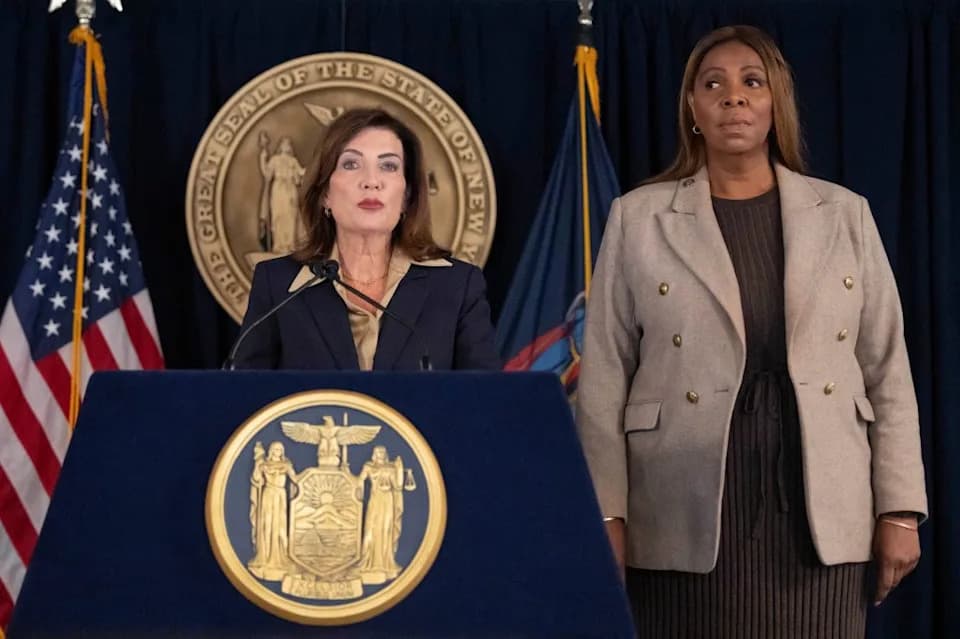
As the Cornell University sexual-assault case continues to draw national attention, social media has erupted with a new wave of protest and solidarity. New York Gov. Kathy Hochul has asked State Attorney General Letitia James to oversee the investigation, while online conversations have focused on the plaintiff who filed a civil lawsuit under a pseudonym.
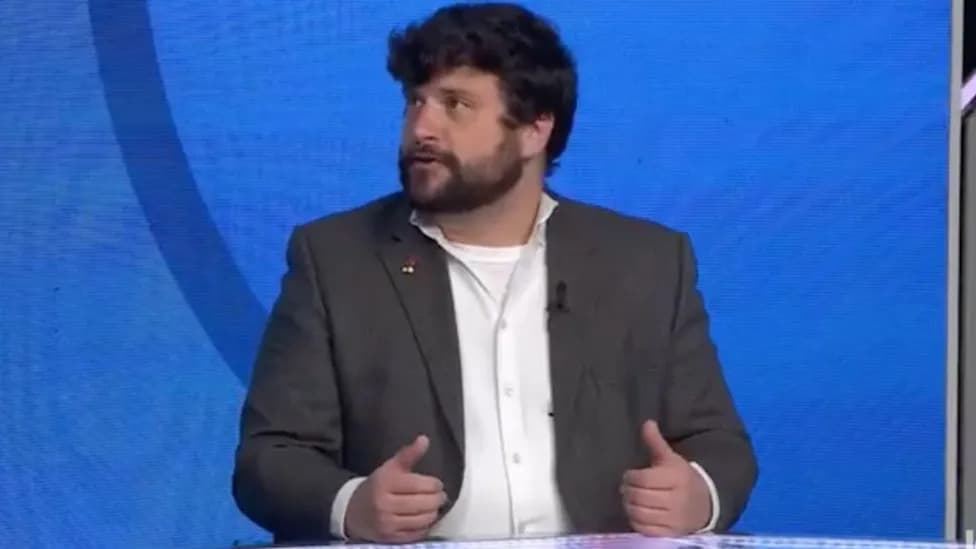
The movement coalesced after political commentator Michael Tracey publicly urged followers to identify the anonymous plaintiff. His post read:
"Let's see if anyone has the 'balls' to name this Jane Doe so we can all evaluate her veracity, and that of her lawyers, since her lawsuit didn't hesitate to name & shame 7 of her peers as gang-rapists."
Tracey's call prompted an immediate backlash. In response, many women began posting short videos using the hashtag #iamjanedoe, declaring "I am Jane Doe" to confuse attempts at identification and to express support for the plaintiff's right to anonymity.
For many participants, the trend has evolved into a modern echo of the #MeToo movement. Numerous users have shared harrowing personal accounts of sexual assault in those same clips, using the platform to underscore how widespread such experiences are and to destigmatize speaking out.
The campaign has spread across platforms — especially on X (formerly Twitter) and Instagram — with posts ranging from straightforward captions of solidarity to detailed personal disclosures. Supporters say the effort serves multiple aims: to frustrate doxxing attempts, to protect the plaintiff's privacy, and to spotlight the prevalence of sexual violence.
Key factual points surrounding the story include the plaintiff's civil suit reportedly naming seven peers and Governor Hochul's decision to involve the state attorney general in the probe. News consumers and social platforms continue to debate the balance between transparency and the right to privacy for survivors.
Help us improve.