Summary: Multiple media reports identify the co‑pilot accused of assaulting the FlyDubai captain as 29‑year‑old Hamam Al Hammami, an Omani national allegedly previously barred from flying over extremist concerns. The attack on Flight FZ1073 forced a diversion to Tabuk, Saudi Arabia; passengers and crew restrained the suspect and the wounded captain, Smit Machchhar, is recovering in Abu Dhabi. Israeli officials have suggested "Islamist radicalization," and investigators are probing how the co‑pilot was cleared to fly; several claims remain unverified.
FlyDubai Co‑Pilot Identified as Hamam Al Hammami After Alleged Cockpit Assault
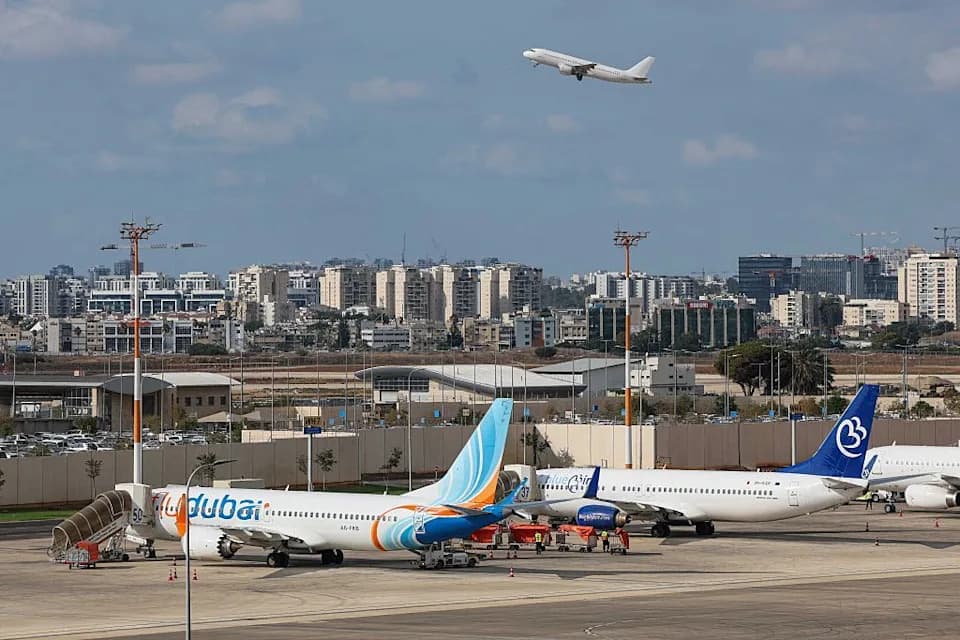
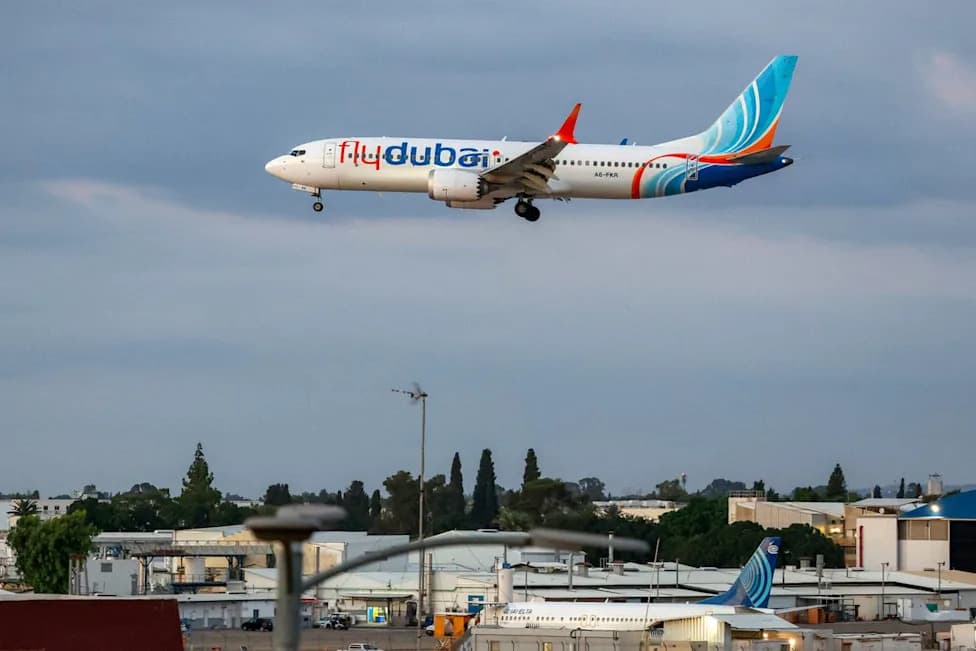
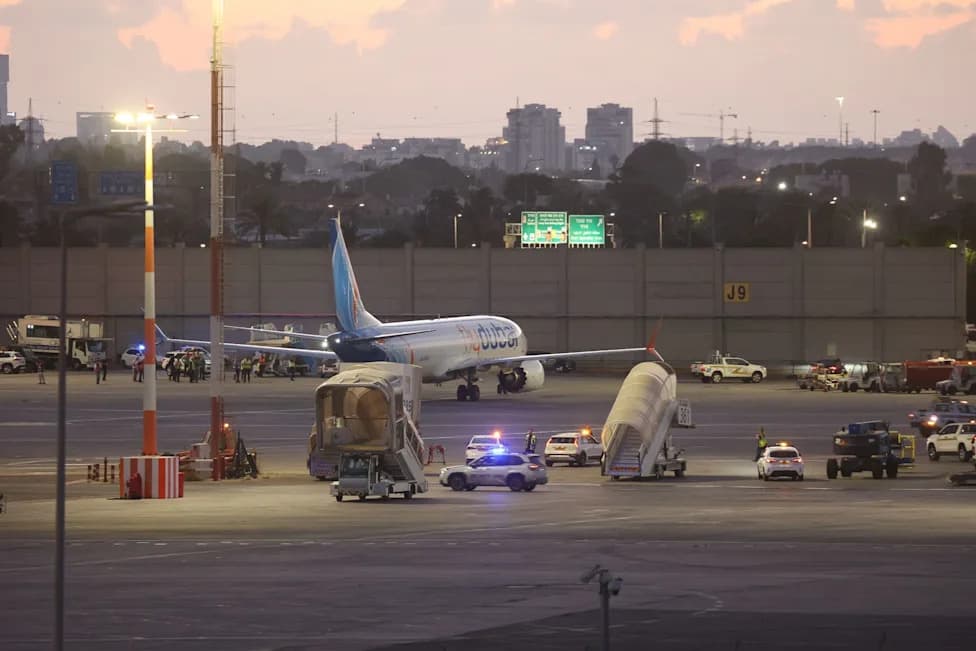
A FlyDubai flight bound for Dubai is seen before takeoff from Ben Gurion Airport near Tel Aviv, Israel, on Wednesday. (Photo by Jack Guez/AFP via Getty Images)
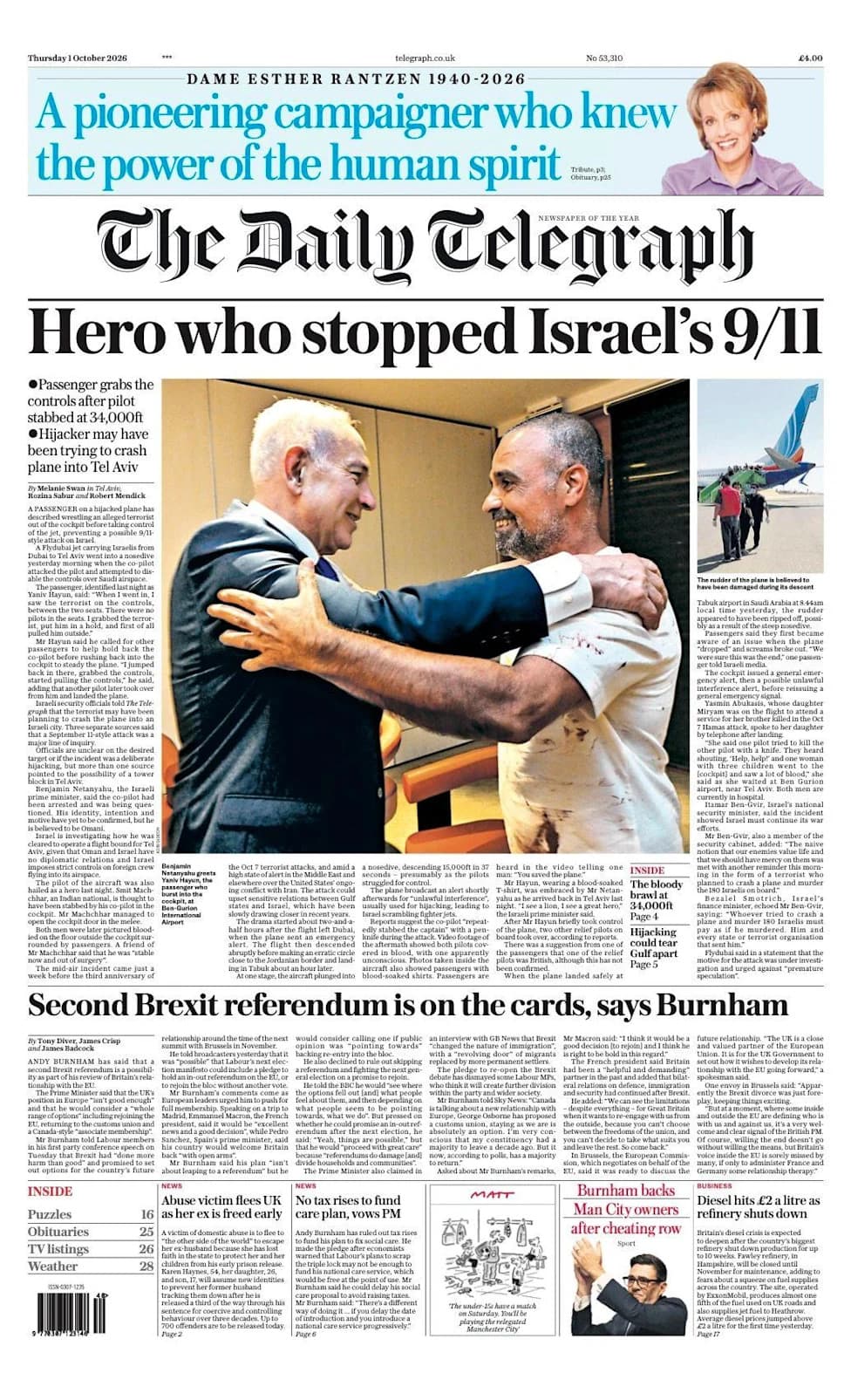
Hamam Al Hammami, 29, has been identified by multiple media outlets as the co‑pilot accused of attacking the captain aboard FlyDubai Flight FZ1073, a Dubai–Tel Aviv service, in an incident that forced the plane to divert to Tabuk, Saudi Arabia.
According to reports citing intelligence and law enforcement sources, Al Hammami is an Omani national born in the United Arab Emirates to an Omani father and a Syrian mother. ABC News and other outlets say he was previously suspended from flying with Oman Air after being flagged as a potential "security risk" amid concerns about alleged extremist views; Newsweek and other publications note these claims have not been independently verified.
What Happened Aboard Flight FZ1073
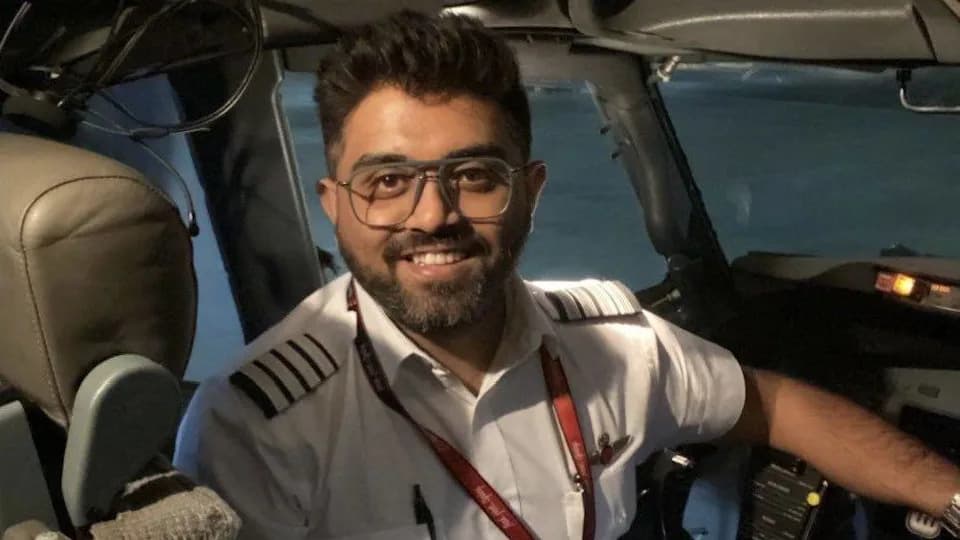
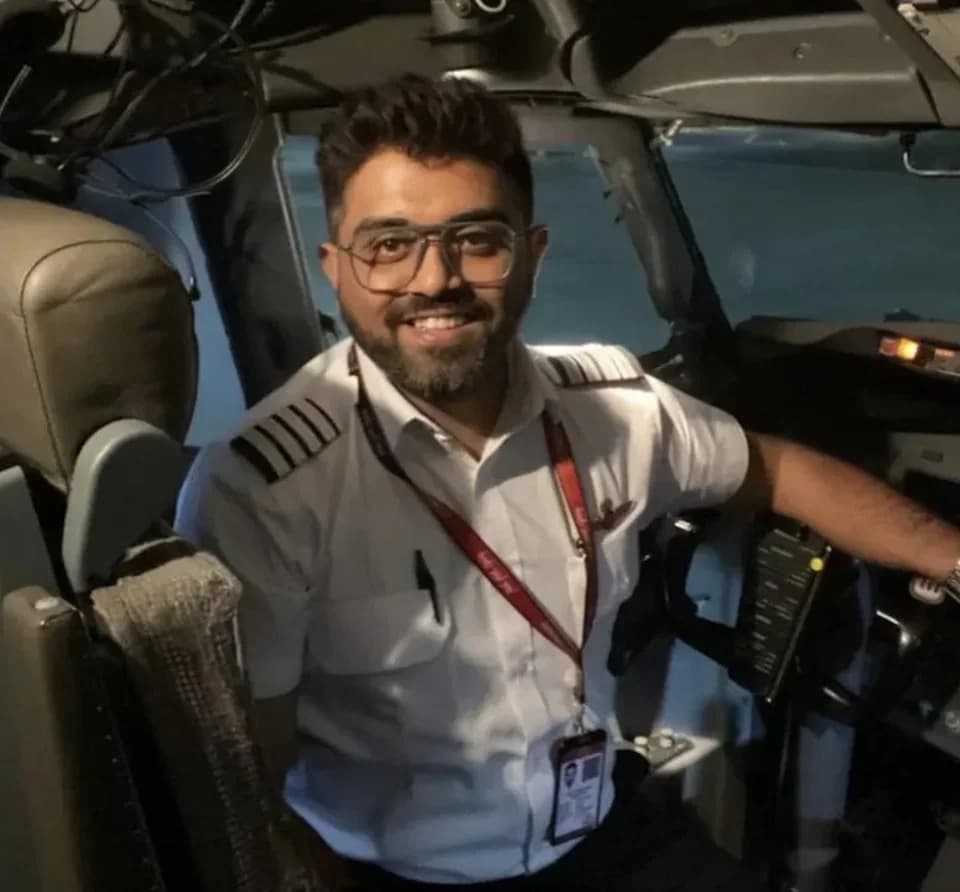
The Boeing 737 was en route from Dubai to Tel Aviv with 174 passengers and eight crew when the captain, identified as Smit Machchhar, was reportedly assaulted inside the cockpit. Passengers and other crew members helped restrain the alleged attacker; the captain, who was wounded, was treated onboard and later transferred to a hospital in Abu Dhabi to recover.
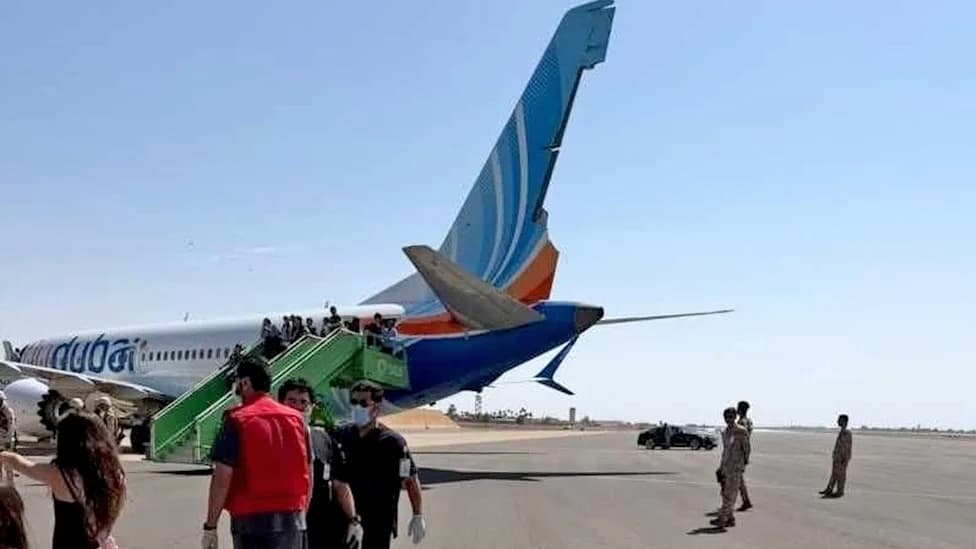
Authorities say the aircraft diverted and landed in Tabuk, Saudi Arabia, where both the captain and the co‑pilot were later transported to the UAE. Reports indicate passengers wrestled the co‑pilot from the flight deck and restrained him with makeshift bindings, and that a dentist among the passengers provided care to the injured captain. Multiple eyewitnesses told reporters there was no visible weapon at the front of the cabin.
"I had so many wounds. I had fallen down," Machchhar said in a televised call, his head bandaged. "I was fighting for my life. At one point, I realized that if I didn't get up … then passengers would lose their lives."
Investigations, Claims and Regional Impact
Israeli Prime Minister Benjamin Netanyahu said the co‑pilot had undergone "Islamist radicalization," but he offered no publicly disclosed evidence for that claim. ABC News has reported, citing sources briefed on the probe, that the suspect told investigators he intended to crash the plane in Israel; that allegation remains unverified by independent outlets.
Officials in the UAE, Saudi Arabia and other agencies are investigating how Al Hammami was cleared to work as a first officer at FlyDubai after his reported suspension at Oman Air and how he came to be assigned to a flight to Israel. Authorities have said the suspect is cooperating with investigators.
The incident disrupted flights between Israel and the UAE: Emirates temporarily canceled services to Israel and special repatriation flights were arranged while regular commercial operations were paused. The Dubai–Tel Aviv route has become a high‑profile symbol of regional ties since the 2020 Abraham Accords, and the attack has raised urgent questions about vetting, crew screening and aviation security in the region.
Note: This account summarizes information reported by multiple outlets; several key details—particularly allegations about the suspect's motives and prior restrictions—remain under investigation and have not been independently confirmed.
Help us improve.