Quick take: A strong El Niño brought unusually heavy rains to Chile's Atacama Desert, awakening millions of dormant seeds and creating a vast, colorful "desierto florido." The bloom covers about 6,560 sq mi (17,000 sq km) and includes more than 200 plant species — the largest desert flowering since 1997. The display is spectacular but temporary, and heavy rains also caused flooding in some regions.
Atacama Desert Bursts Into Color: Rare El Niño Rains Trigger Vast Wildflower Bloom
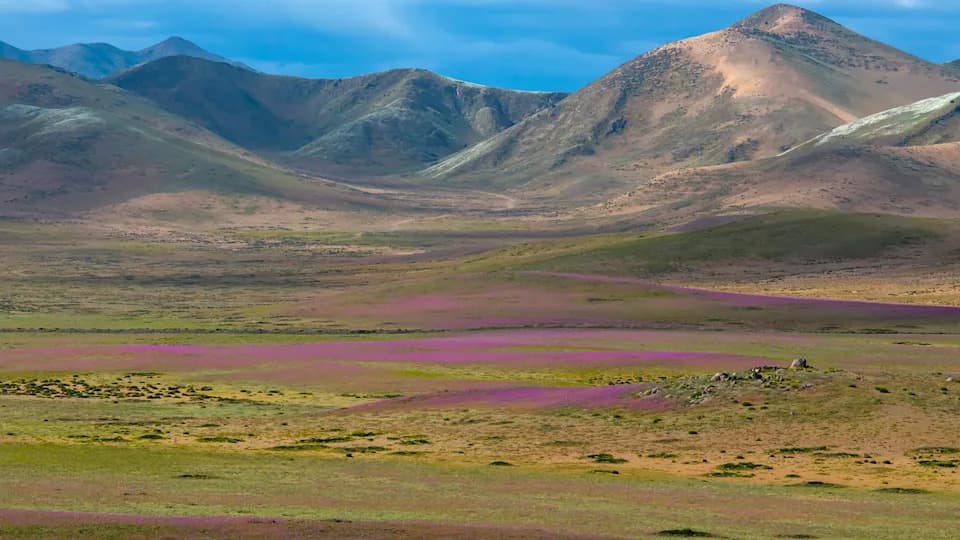
This year's El Niño has brought a larger-than-normal floral bloom to the Atacama Desert. | Credit: JAVIER TORRES via Getty Images
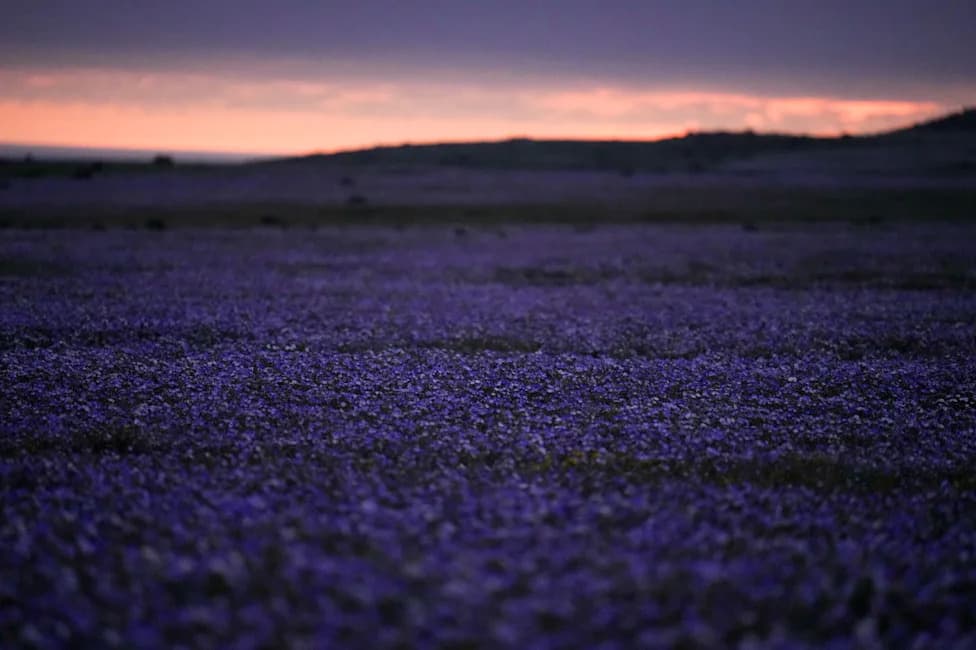
This year's unusually strong El Niño has brought an extraordinary and rare transformation to Chile's Atacama Desert: significant rainfall that awakened millions of dormant seeds and bulbs. In one of the driest regions on Earth, the sudden moisture has carpeted hills and plains in vivid purples, pinks, whites, reds and yellows.
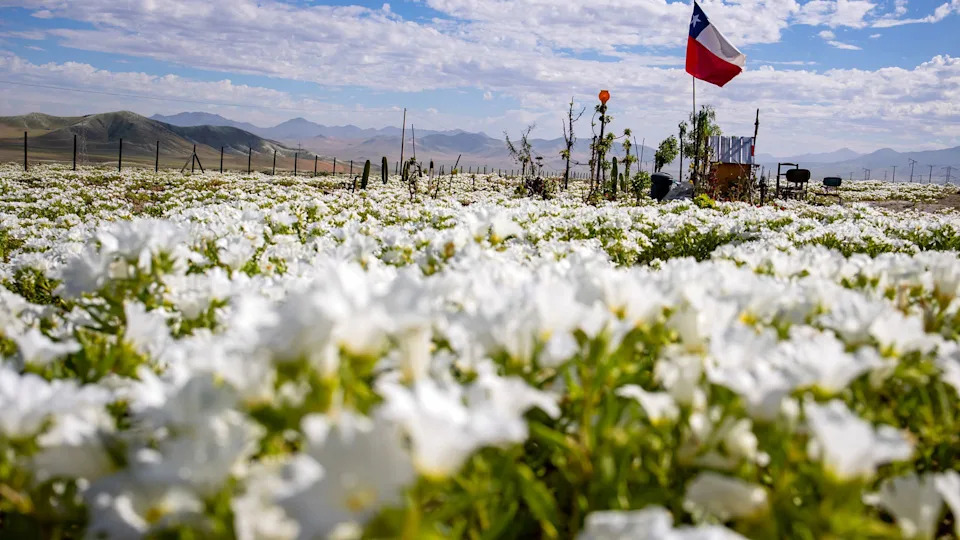
Flowers bloom on the plains near the Atacama Desert near Copiapó, Chile, with the Chilean flag in the background. | Credit: JAVIER TORRES via Getty Images
Known locally as the "desierto florido" or "flowering desert," the spectacle is one of nature's most dramatic seasonal changes. Vast patches of color now contrast sharply with the dark volcanic slopes and Chile's typically cloudless skies, attracting photographers, scientists and visitors from near and far.
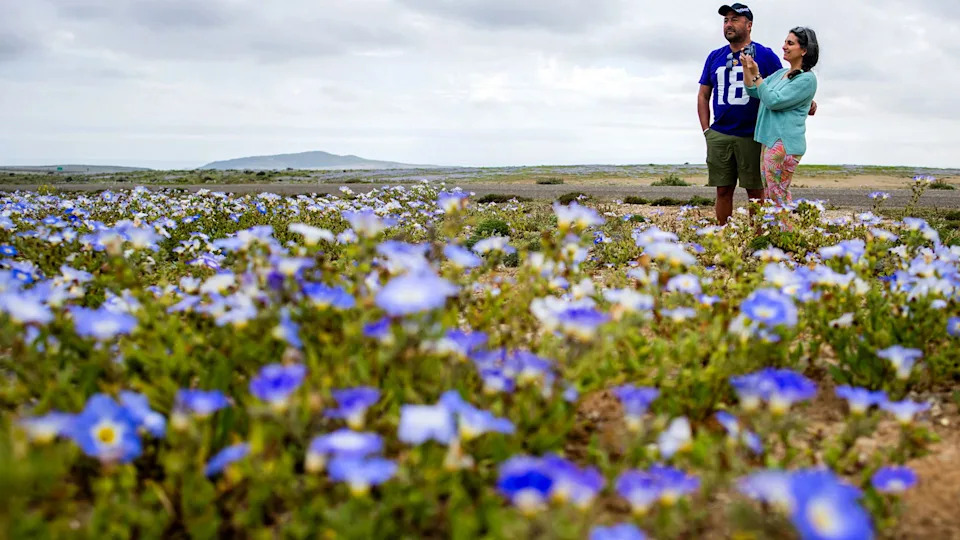
Tourists admire the purple blossoms of the desert flowers. | Credit: JAVIER TORRES via Getty Images
"It is a unique phenomenon; there are more than 200 plant species," Jorge Carabantes, head of the Protected Areas Department at Chile's National Forest Corp. (CONAF), told The Associated Press. "This is a flowering event that is obviously extraordinary and unusual, very different from other blooms that occur elsewhere on the globe."
By average, the Atacama receives only about 0.6 inches (15 mm) of rain a year. But the current "super" El Niño produced record precipitation in July and August across several Chilean regions — rainfall not seen since the 1950s in some places. According to CONAF and local reports, some areas received more than 7 inches (190 mm) of rain.
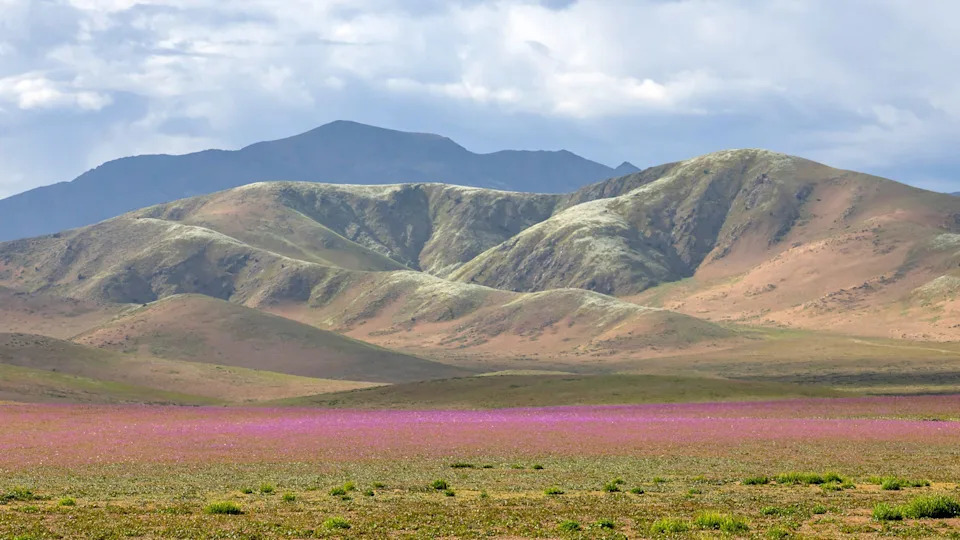
The plains of the Atacama Desert are carpeted by brilliant blooms, with the mountains in the distance. | Credit: JAVIER TORRES via Getty Images
Those rains have generated a roughly 6,560-square-mile (17,000-square-kilometer) swath of blooms across the desert — the most extensive desert flowering recorded since 1997, CONAF representatives said. While the blooms have created stunning scenery, the heavy rains also caused flooding in parts of Chile.
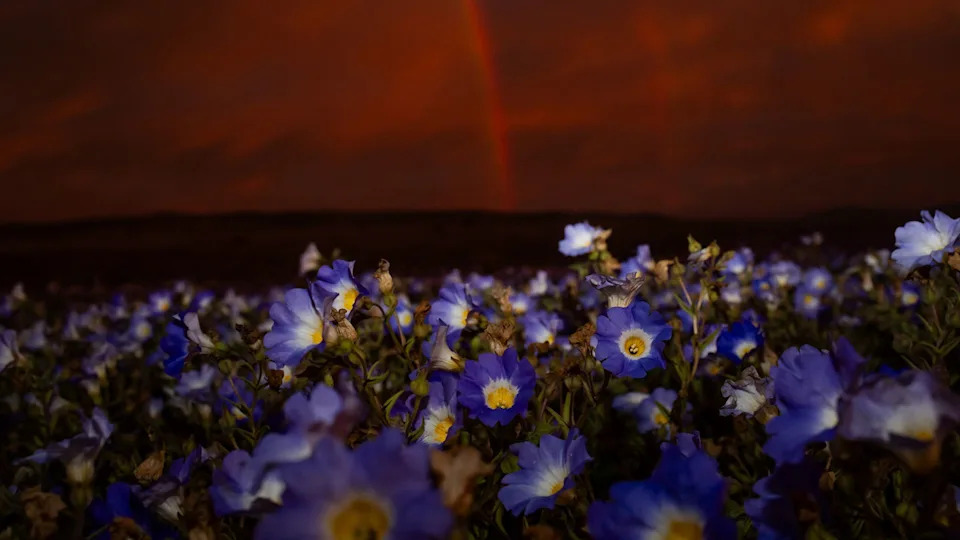
A rainbow glows over purple flowers in Chile's Atacama Desert. | Credit: JAVIER TORRES via Getty Images
What To Know
The flowering display is spectacular but short-lived. Many of the blooms will fade by the end of the Southern Hemisphere's spring, leaving seeds and bulbs to lie dormant underground until the next rare rains. Visitors are encouraged to admire the flowers responsibly — staying on marked paths and avoiding trampling fragile plants — so the habitat can recover for future seasons.
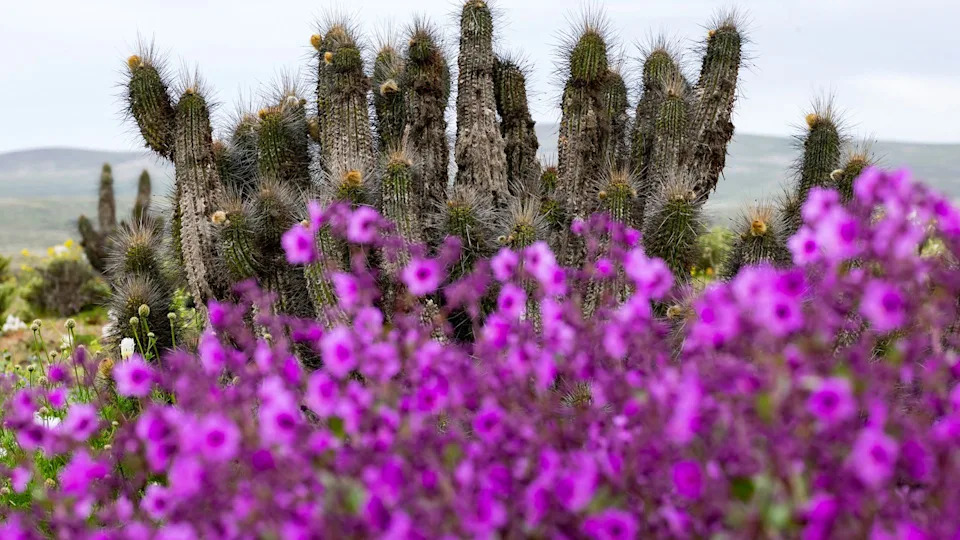
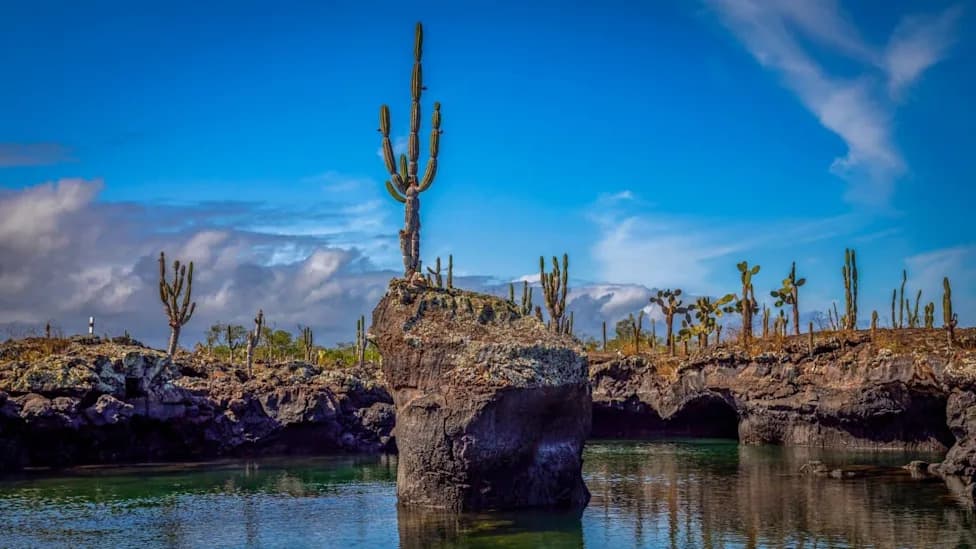
Cacti mix with blooming wildflowers in the Atacama Desert. | Credit: JAVIER TORRES via Getty Images
Photos: Getty Images photographer Javier Torres captured the event, including scenes of blooming plains near Copiapó with the Chilean flag, tourists admiring purple blossoms, sweeping carpets of flowers with mountain backdrops, a rainbow over purple blooms, and cacti mingling with wildflowers.
Help us improve.