ENFEN has raised the probability of an "extraordinary" coastal El Niño to 85% for September, citing abnormal ocean warming that could lead to torrential rains, widespread flooding and heavy infrastructure damage. Extreme warming threatens anchoveta stocks and could shrink the extractive fishing sector by 22%–33.9%, jeopardizing tens of thousands of jobs. Coastal crops may see output drop by more than 6%, affecting exports and food prices, while the southern highlands face severe water shortages. The most damaging phase is expected from November onward.
Peru: ENFEN Raises Odds of 'Extraordinary' Coastal El Niño to 85% — Major Threat to Fisheries, Crops and Infrastructure

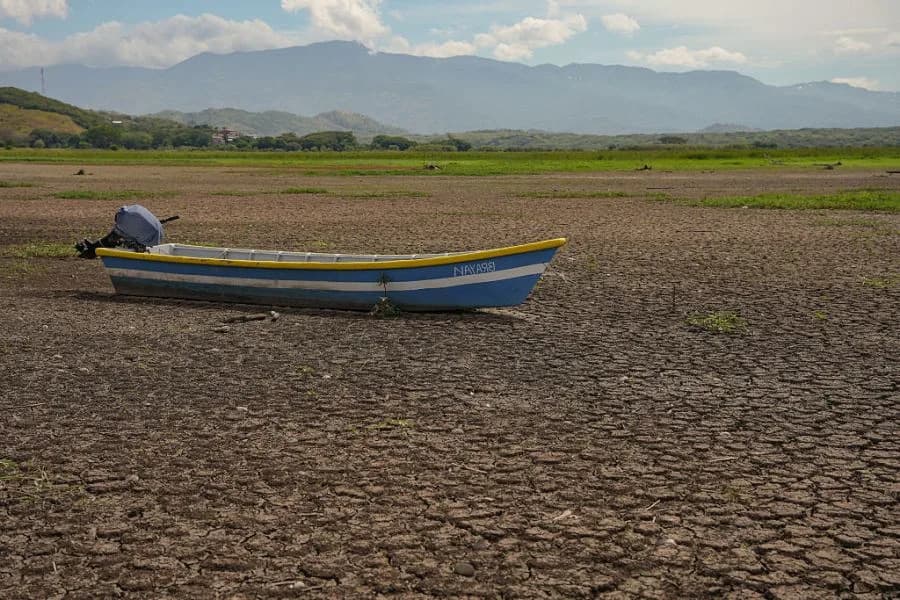
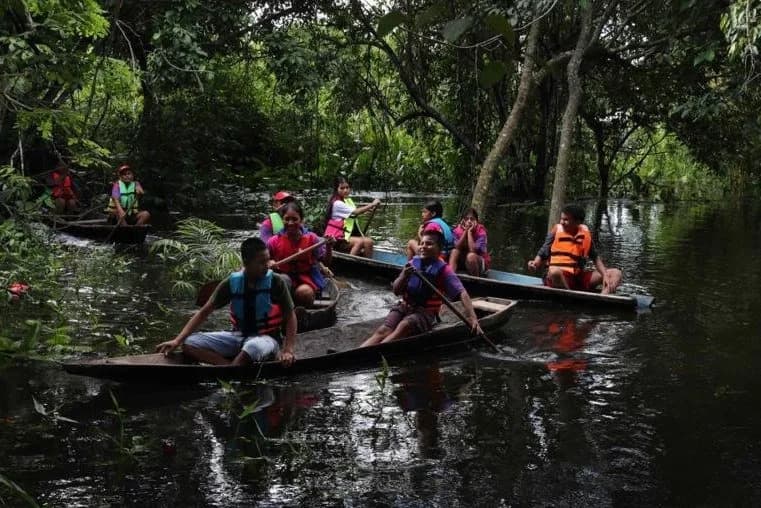
Peru is expected to face an "extraordinary" coastal El Niño that could lead to critical water deficit in the Andes. File Photo by Ernesto Arias/EPA-EFE
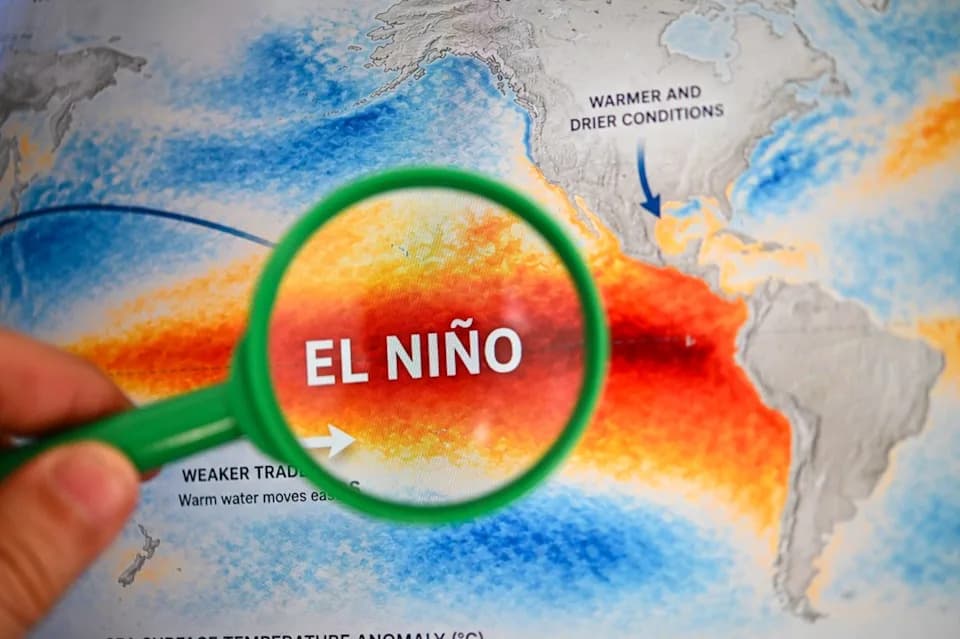
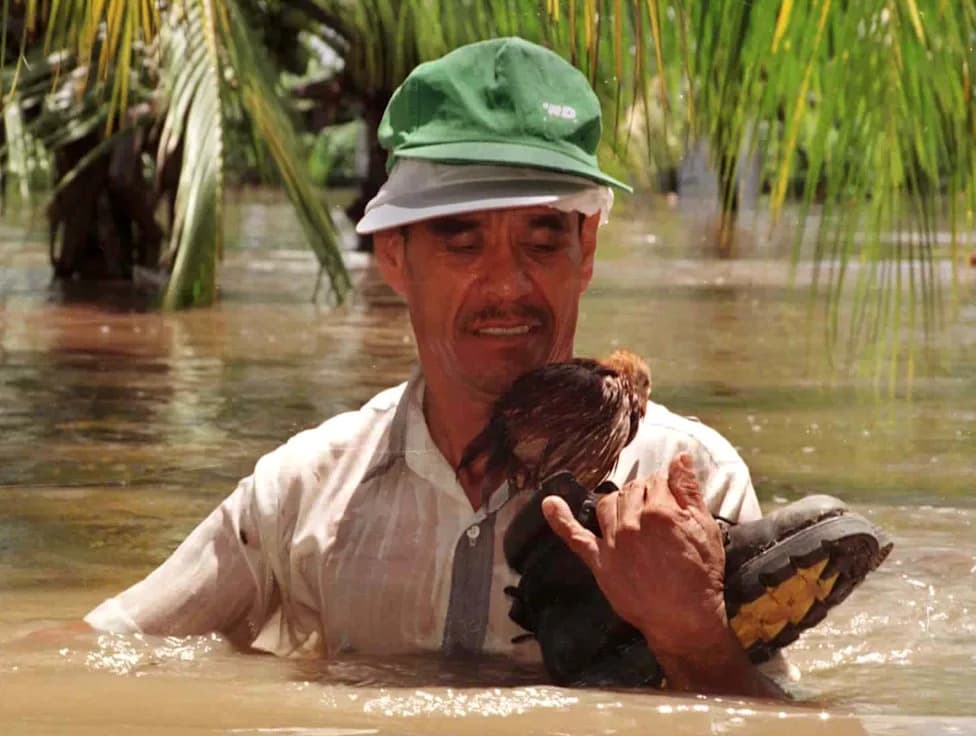
Peru's climate authorities have raised the probability that a coastal El Niño will reach "extraordinary" intensity to 85% for September, warning that extreme ocean warming could trigger torrential rains, widespread flooding and serious damage to infrastructure, agriculture and fisheries.
What ENFEN Reported
A technical report published by ENFEN, the country's scientific commission, says abnormal warming along the South American coast could push sea surface temperatures to record levels. Monthly probabilities for an "extraordinary" event are projected at 85% in September, 82% in October, 78% in November, 70% in December and 59% in January. ENFEN expects the most likely conditions for February and March to range between strong and extraordinary intensity.
Impacts on Fisheries
Severe surface warming dramatically alters marine ecosystems and reduces stocks of cold-water species — especially anchoveta (Peruvian anchovy), the backbone of Peru's fishmeal and fish oil industry. Anchoveta typically migrate south or dive into deeper, cooler waters, shrinking commercial catches. Economic projections cited by El Comercio estimate the extractive fishing sector could contract between 22% and 33.9%, putting tens of thousands of jobs at risk and disrupting regular fishing seasons. While warmer waters may temporarily bring warm-water species that benefit some artisanal fishers, these gains are unlikely to offset losses in the industrial sector.
Agriculture and Food Security
Above-normal air and ocean temperatures along the northern and central coasts are expected to affect flowering and yields of export and high-value crops such as blueberries, mangoes, avocados and lemons. Analysts cited by Infobae warn agricultural output could decline by more than 6%, with potential knock-on effects for export revenues and domestic food prices as late as 2027.
Infrastructure, Water and Timeline
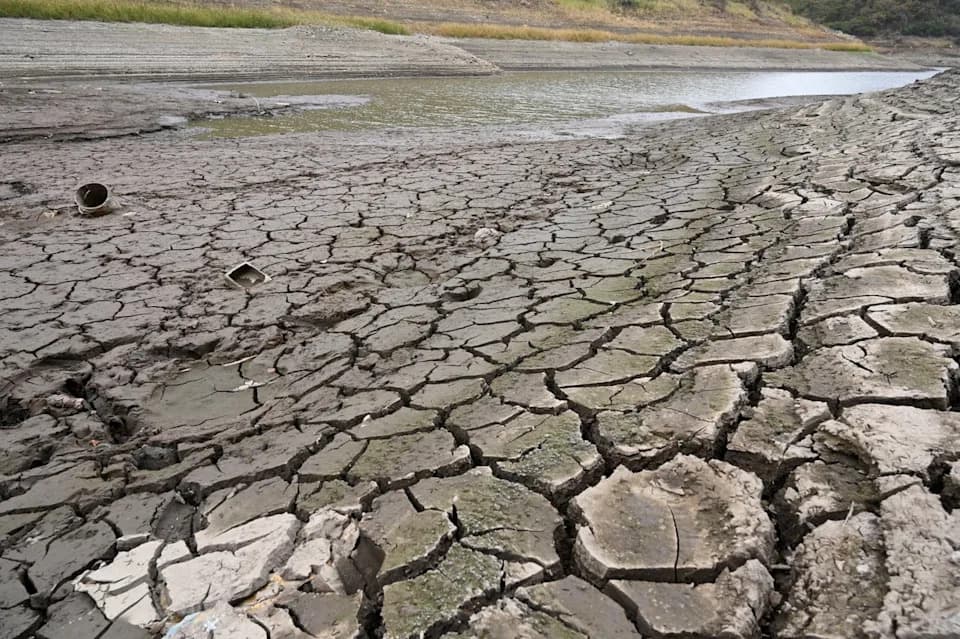
ENFEN and economic consultants expect the most damaging phase to begin in November, when torrential rains and floods could destroy irrigation systems, block roads and damage other transport infrastructure. In contrast, Peru's southern Andean highlands are forecast to face a critical water deficit, threatening family farming and traditional livestock production.
Outlook and Risks
Combined biological and structural impacts under an extraordinary-intensity scenario pose significant short- and medium-term risks to employment, export earnings and regional food security. Authorities, industry groups and communities are advised to prepare for rapid-onset flooding on the coast while managing drought risks in the highlands.
Note: Probabilities and sectoral projections are based on ENFEN's scientific assessment and estimates reported by Peruvian media and consulting groups.
Help us improve.