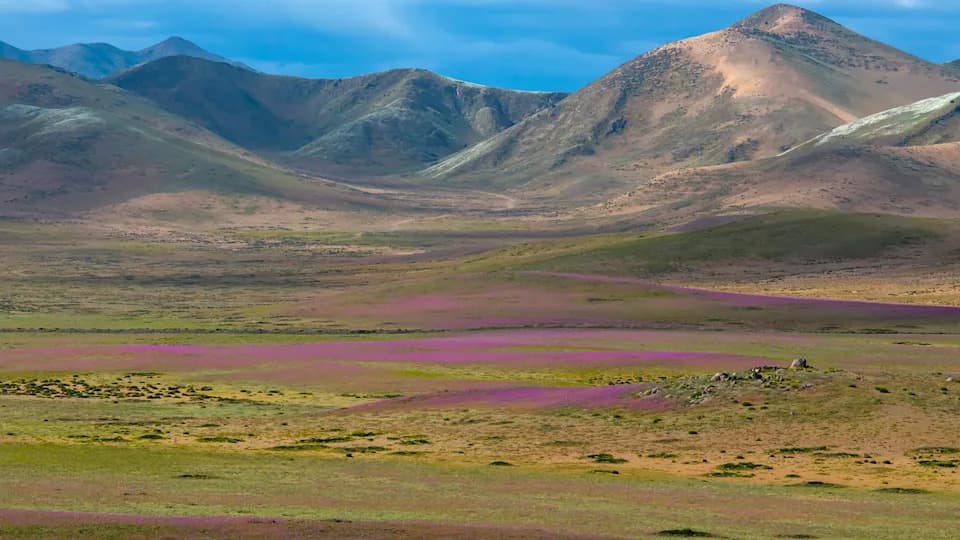
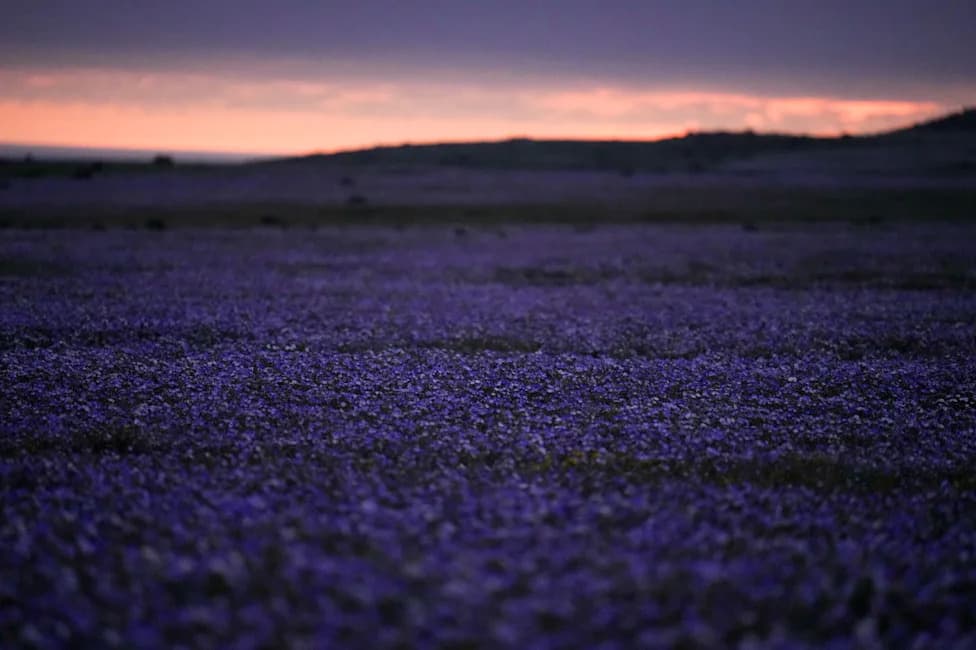
The normally dry Murchison region of Western Australia erupted in wildflower blooms visible from space after Landsat 8 captured the scene on Aug. 30, 2026. Above-average rainfall in June and August, together with cold fronts, triggered dormant seeds to germinate, producing what local experts say may be the most spectacular bloom in nearly 20 years. Some threatened plant species appeared among the flowers, which have even carpeted areas around CSIRO’s ASKAP and the Murchison Radio-astronomy Observatory.
From Red Desert To Carpet Of Colour: Satellites Capture Rare Wildflower Bloom Over Western Australia (Aug. 30, 2026)
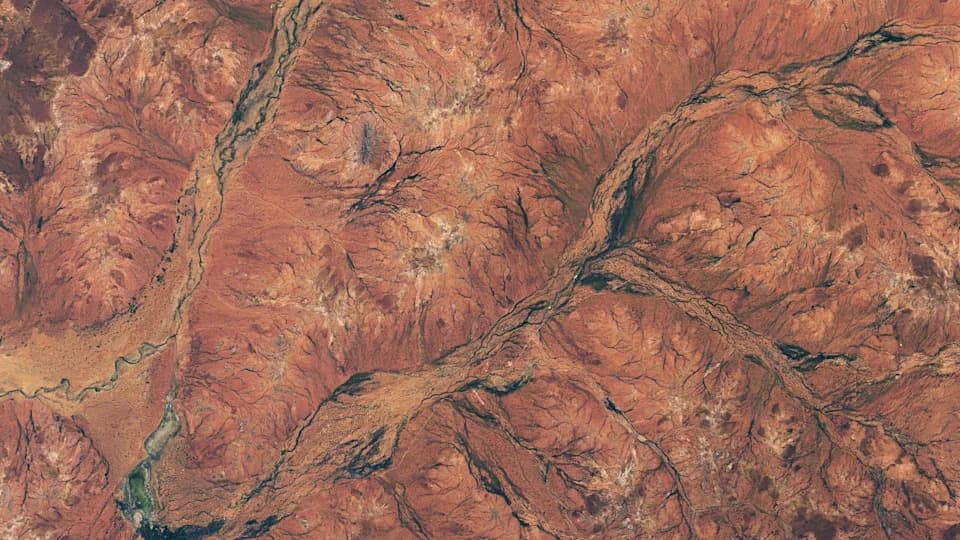
Landsat-8 imagery captured on Aug. 30, 2026, shows vast swathes of Western Australia's Murchison region covered in wildflower blooms. | Credit: NASA
Satellite imagery captured a stunning burst of wildflowers across Western Australia’s normally arid Murchison region, a display so extensive it can be seen from space.
On Aug. 30, 2026, the Operational Land Imager (OLI) aboard the Landsat 8 spacecraft recorded vast swathes of the Murchison region transformed from rusty red plains into vivid carpets of bloom, according to the NASA Earth Observatory. A comparison image from Aug. 19, 2025 highlights just how dramatic this year’s change has been.
Local botanists and land managers attribute the explosion of flowers to above-average rainfall in June and August combined with several cold fronts that broke the long dormancy of native seeds. Many arid-zone species lie dormant for years and respond quickly when conditions become favorable, producing spectacular but ephemeral displays.
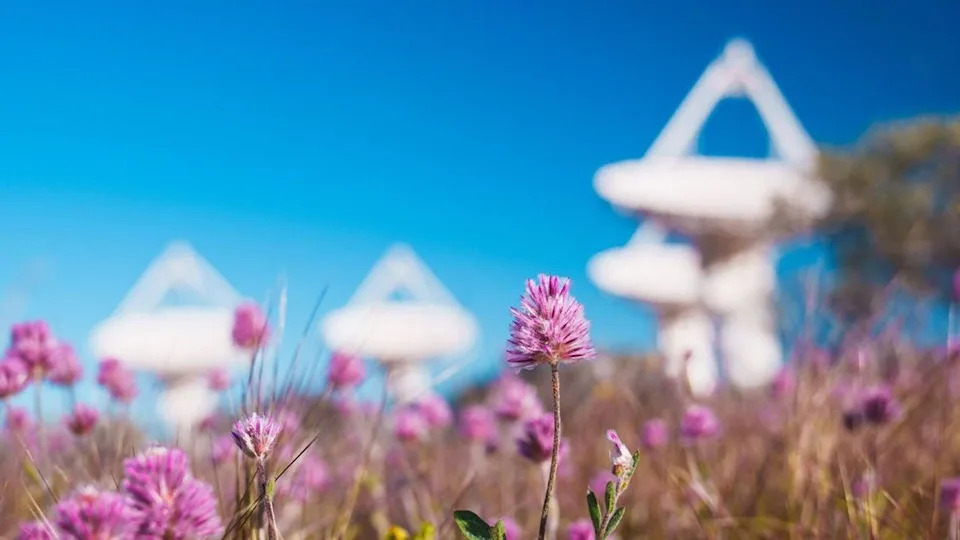
Mulla mulla flowers blanket the landscape in front of CSIRO's Australian Square Kilometre Array Pathfinder (ASKAP) radio telescope. | Credit: © CSIRO Australia, September 16, 2026
Experts suggest this season’s bloom could be the most impressive in nearly 20 years. Alongside widespread displays of common wildflowers, observers have reported the appearance of some threatened plant species among the blooms, an encouraging sign for conservation monitoring.
Mulla mulla and other native species are now carpeted around parts of Inyarrimanha Ilgari Bundara — the CSIRO Murchison Radio-astronomy Observatory — and in front of the Australian Square Kilometre Array Pathfinder (ASKAP) radio telescope. While the observatory’s antennas typically look out to the universe, this year the view beneath them is an extraordinary natural spectacle.
Why It Matters: Large-scale blooms like this provide a unique chance for botanists and ecologists to survey plant diversity, track the return of vulnerable species, and study how arid ecosystems respond to changing rainfall patterns. They also offer a rare seasonal draw for nature tourism and community celebration in remote regions.
Image Credits: NASA (Landsat 8 OLI), © CSIRO Australia (photos of ASKAP area, Sept. 16, 2026).
Help us improve.