Public support for the death penalty has declined from about 77% in the mid-1990s to roughly 52% in 2025, according to Gallup. Key drivers include more than 200 death-row exonerations, Supreme Court limits on who may be executed, and growing concern over racial disparities. Federal policy has swung with administrations — Biden commuted 37 federal death sentences while the Trump administration resumed federal executions — and execution practices remain concentrated in a few states.
Public Support for the Death Penalty Has Fallen — But Politics Still Run On It
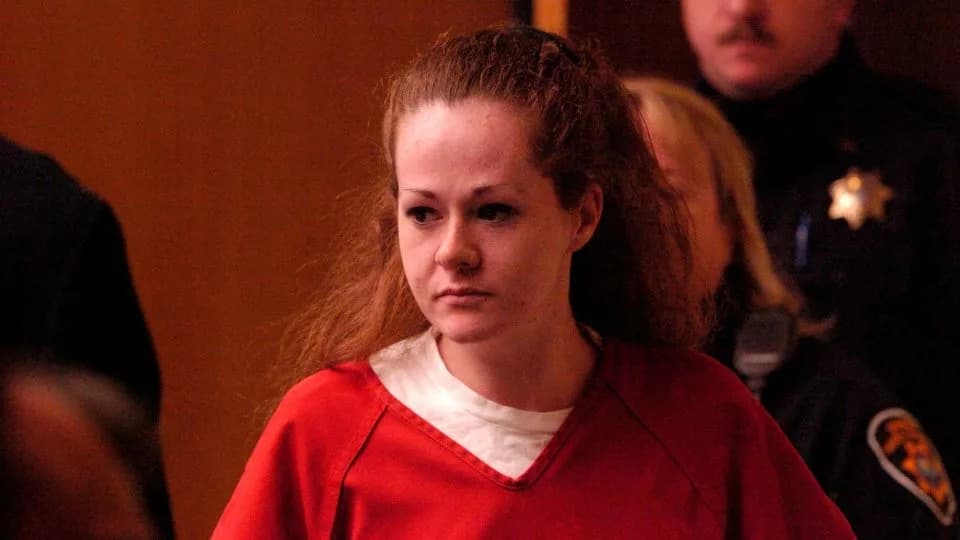
A picture taken on December 4, 2007, shows death row inmate Christa Pike entering a Knox County Criminal Court in Knoxville, Tennessee. - J. Miles Cary/ Knoxville News Sentinel/USA Today Network/Reuters
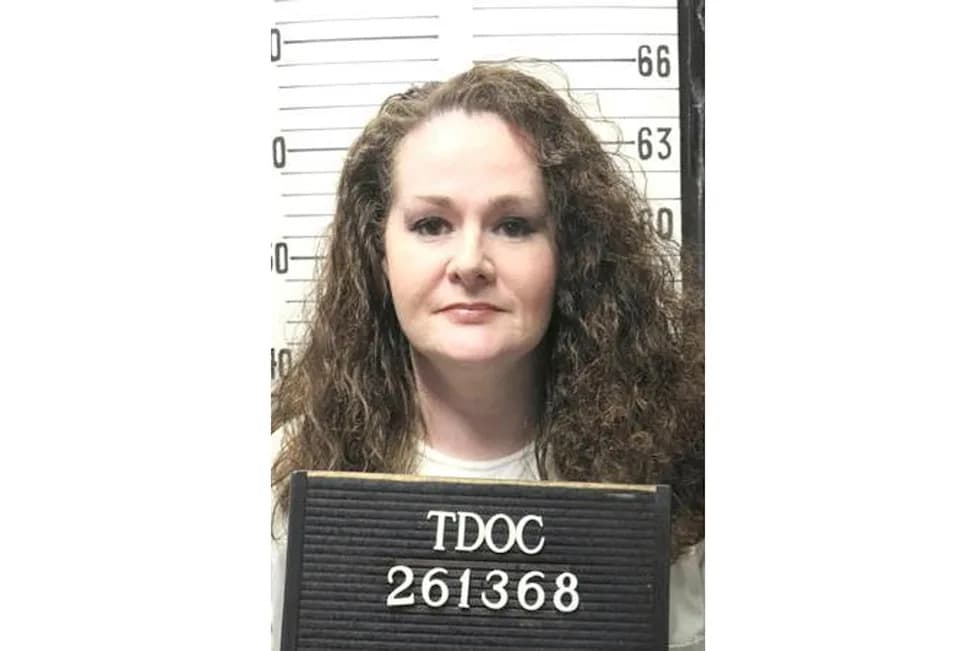
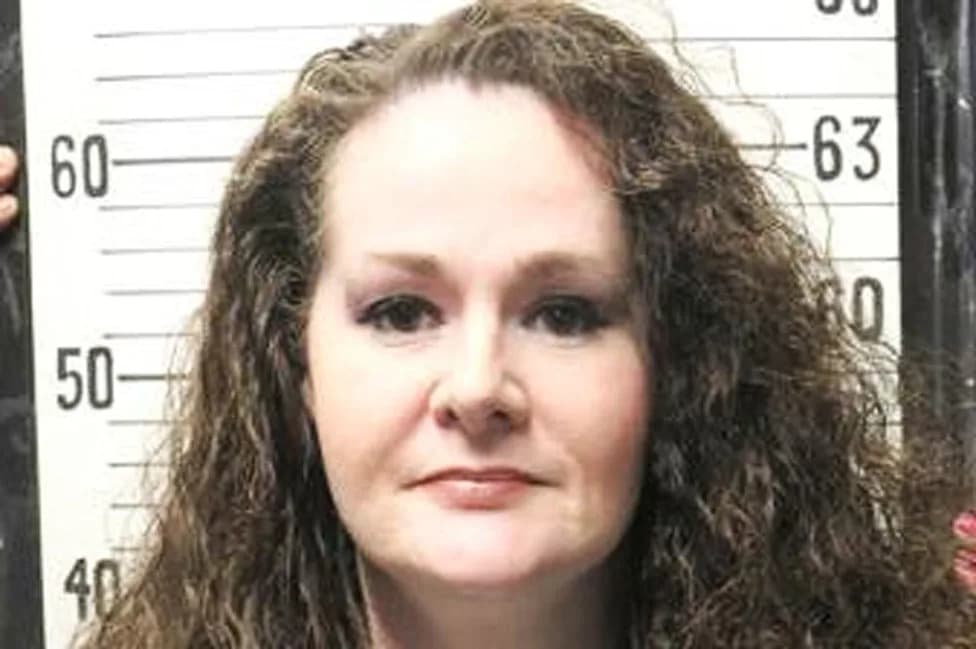
When Christa Pike was convicted in 1995 for the torture and killing of classmate Colleen Slemmer, public backing for the death penalty in the United States was near a modern high. Gallup polling at the time found roughly 77% of Americans in favor of capital punishment. Pike spent decades on death row; a recent attempt to execute her by lethal injection failed.
How Public Opinion Has Shifted
Over the last three decades, public support for capital punishment has declined. In Gallup's most recent 2025 poll, about 52% of Americans said they favor the death penalty. That drop reflects changing attitudes driven by legal decisions, high-profile exonerations and growing concern about fairness in the system.
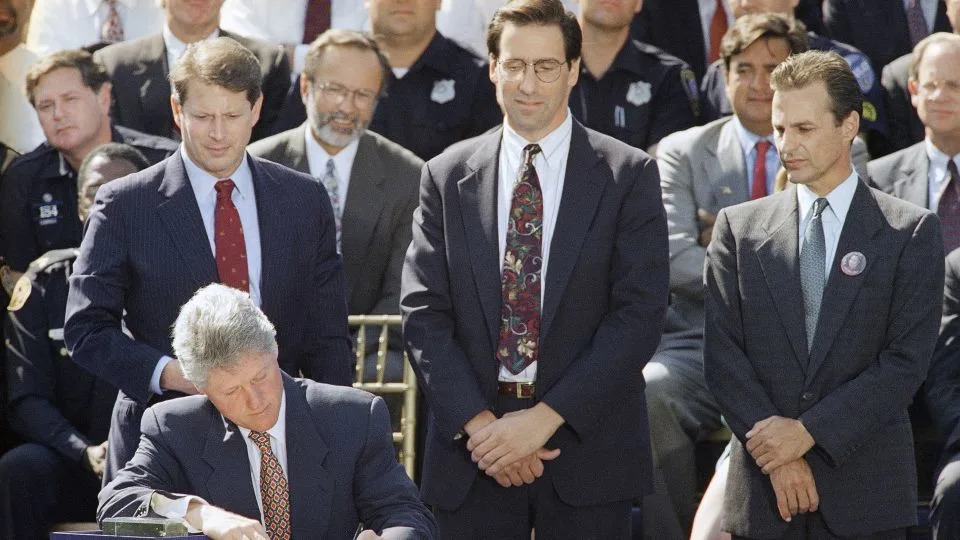
President Bill Clinton signs the $30 billion crime bill during a ceremony on the South Lawn of the White House on September. 13, 1994. - Denis Paquin/AP
Key Legal and Political Turning Points
Several legal and political developments reshaped the landscape. The Federal Death Penalty Act of 1994, signed into law during Bill Clinton's presidency, expanded federal capital statutes and procedural rules, making the death penalty applicable to roughly 60 federal offenses. By contrast, later Supreme Court rulings prohibited executing people with intellectual disabilities, barred capital punishment for juvenile offenders and limited death sentences for certain nonhomicide crimes.
High-profile episodes helped shift public and political views. In 1992, then-Arkansas governor Bill Clinton left the presidential campaign trail to be present for the execution of Rickey Ray Rector — an act observers said signaled toughness on crime. In later years, however, mounting evidence of wrongful convictions and racial disparities changed legal thinking and public sentiment.
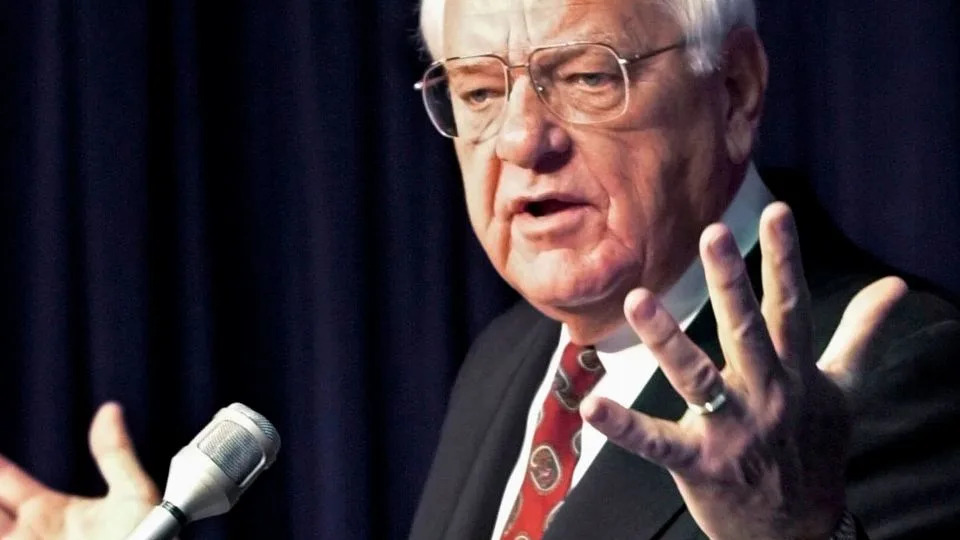
Illinois Gov. George Ryan announces a moratorium on executions during a news conference in Chicago on January 31, 2000 . - Stephen J. Carrera/AP
Exonerations, Racial Concerns and State-Level Change
At least 200 people sentenced to death since 1973 have been exonerated, raising profound doubts about whether the justice system can safely impose an irreversible punishment. In 2000, Illinois governor George Ryan imposed a moratorium after discovering numerous wrongful convictions; Illinois abolished the death penalty in 2011. Courts and legislatures in other states have likewise moved to limit or end capital punishment, often citing racial disparities in its application.
Federal Policy and High-Profile Cases
President Joe Biden — once a chief architect of the 1990s crime legislation — campaigned in 2020 on abolishing the federal death penalty and later commuted the sentences of 37 of the 40 people then on federal death row. The three high-profile inmates who remain are Dzhokhar Tsarnaev, Dylann Roof and Robert Bowers.
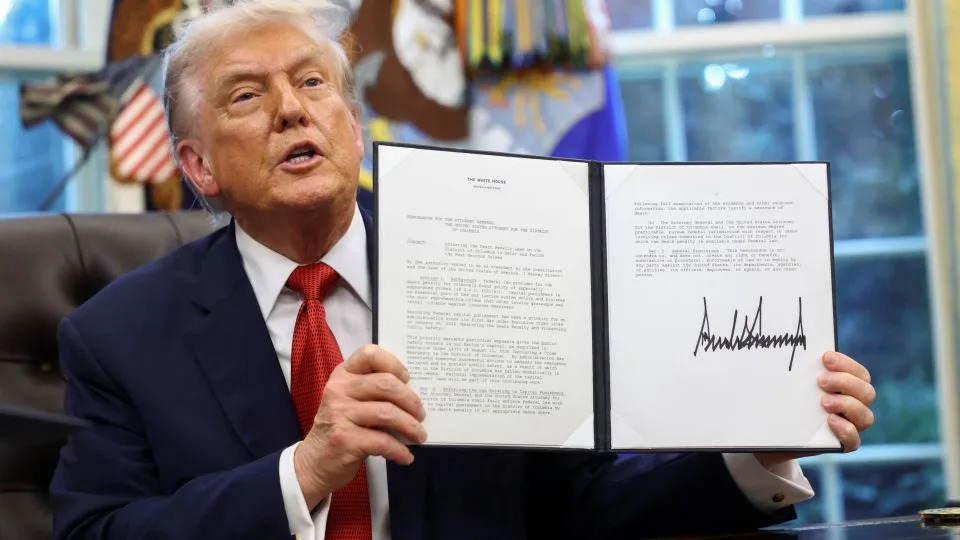
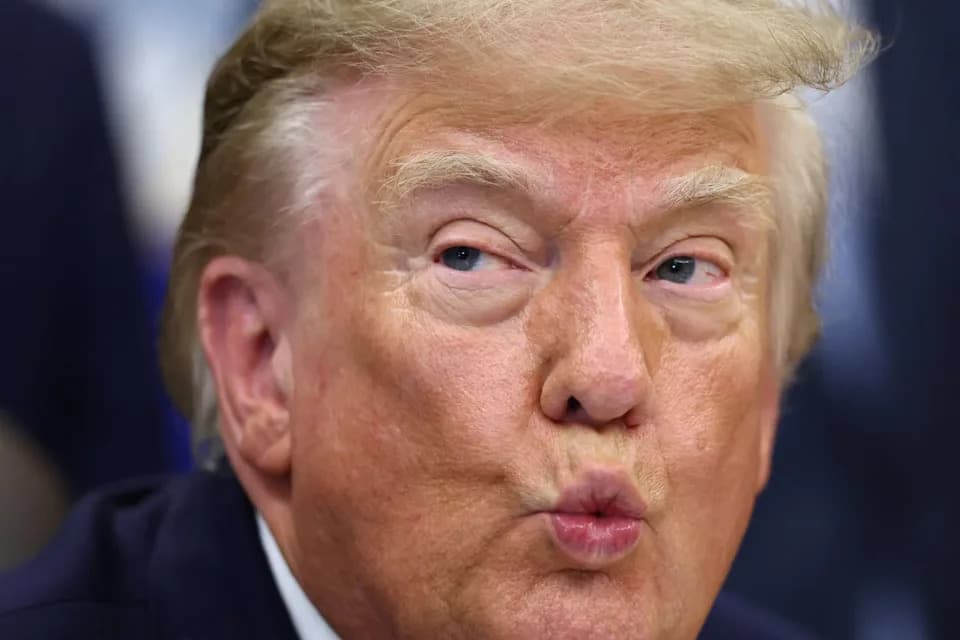
President Donald Trump shows a signed memorandum on the implementation of the death penalty in Washington, DC, at the White House on September 25, 2025. - Kevin Lamarque/Reuters/File
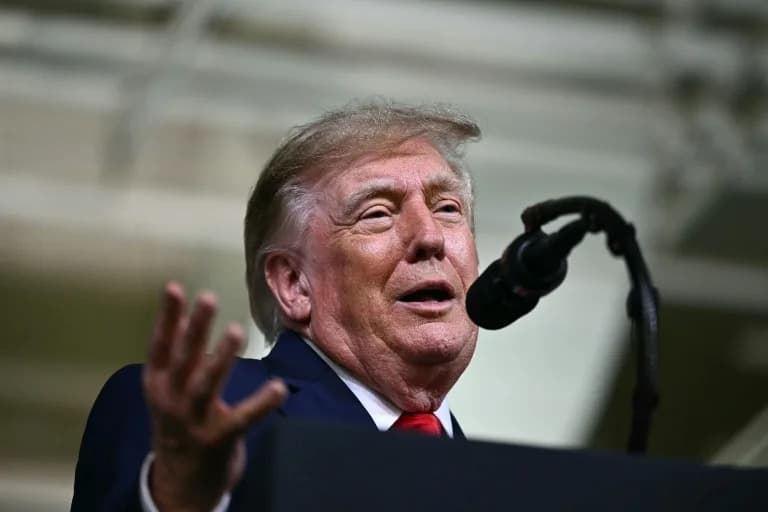
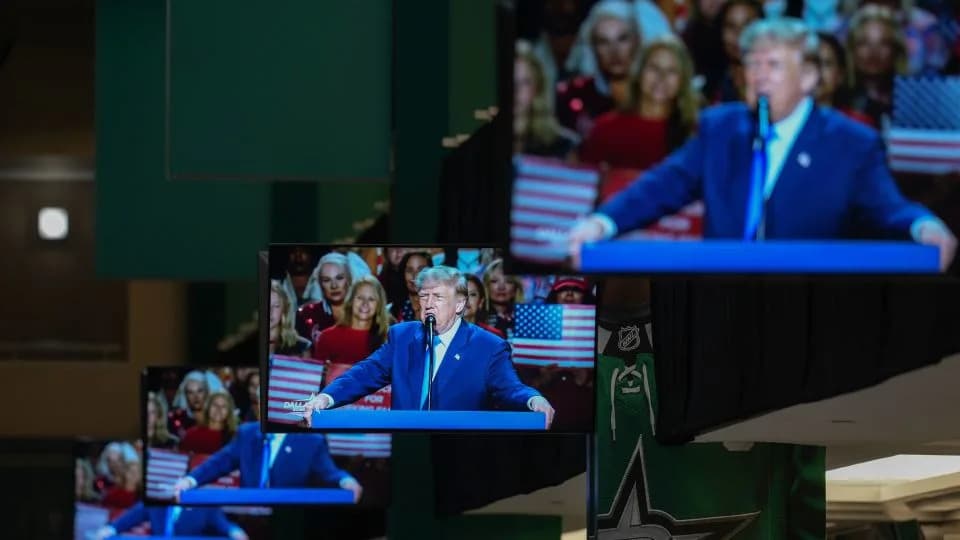
Federal executions briefly resumed under President Donald Trump, who authorized an aggressive use of capital punishment and oversaw 13 federal executions in the final months of his first term. Upon returning to office, Trump signed an executive order directing the Justice Department to pursue the death penalty more vigorously in certain categories of cases.
Where Things Stand Today
According to the Death Penalty Information Center, roughly 2,000 people are on death row in the United States, with more than 500 in California alone — a state whose governor placed a moratorium on executions in 2019. Twenty-seven states retain the death penalty, though several (including California, Oregon, Ohio and Pennsylvania) have active moratoriums.
Although national support has declined, the issue remains politically potent. A small number of states — notably Florida, Texas and Oklahoma — account for the majority of executions, and when voters have direct say on the ballot, majorities in both Democratic and Republican states have sometimes chosen to retain capital punishment.
Bottom line: Support for the death penalty has fallen since the 1990s, but legal variations, high-profile cases and political signaling keep capital punishment a divisive and consequential issue in American politics.
Help us improve.