Florida executed 77-year-old Curtis Beasley on Sept. 29 for the 1995 hammer-bludgeoning and robbery of Carolyn Monfort. Beasley maintained his innocence; his lawyers argued he suffered cognitive decline that could make execution unconstitutional. The case highlights controversy over Florida's accelerated pace of executions under Gov. Ron DeSantis—Florida has carried out 16 of the nation's 29 executions this year—and raises ethical and legal questions about executing elderly, infirm inmates decades after conviction.
Florida Executes 77-Year-Old Curtis Beasley; Case Intensifies Debate Over Executing Elderly Inmates
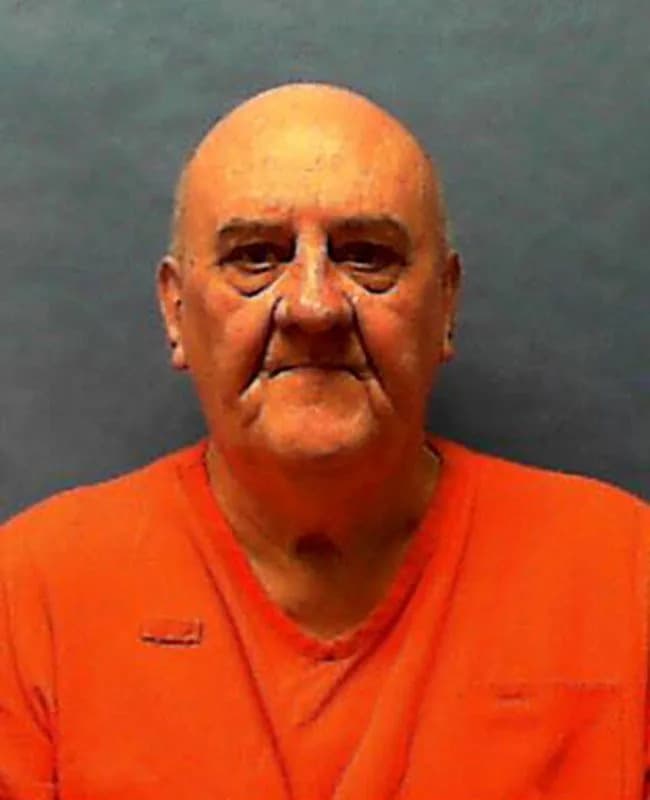
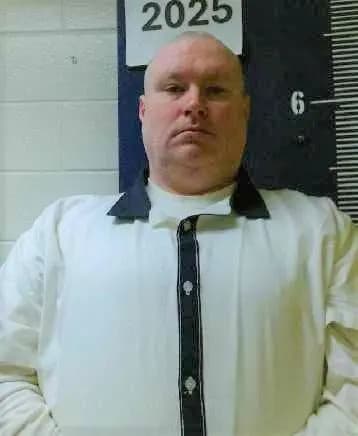
Curtis Wilkie Beasley
Florida executed 77-year-old Curtis Beasley by lethal injection on Tuesday, Sept. 29. Beasley, who had long maintained his innocence, was pronounced dead at 6:12 p.m. ET for the 1995 bludgeoning and robbery of 62-year-old Carolyn Monfort.
Crime and Trial
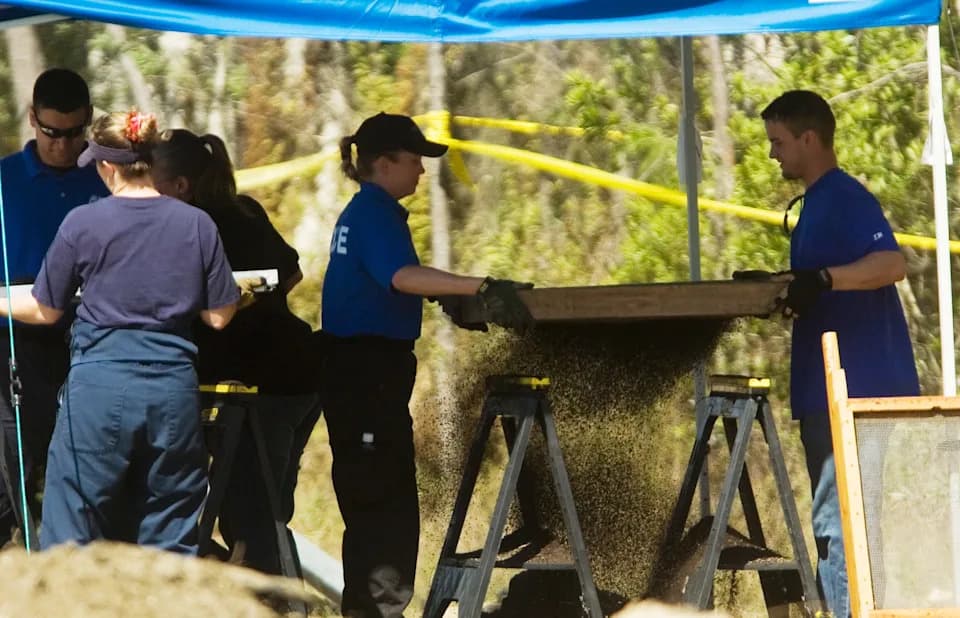
In August 1995, Monfort was found beaten to death in her Dundee, Fla., home; investigators say she suffered as many as 20 blows to the head and defensive wounds on her arms. $800 and her 1994 Oldsmobile Sierra were also taken. Police focused on Curtis Beasley, then 46, who had been staying at Monfort's residence while doing maintenance at the apartment complex she managed. Beasley was arrested five months later in Alabama under an assumed name; Monfort's car was recovered months after the killing.
At trial, Beasley's defense highlighted the lack of direct forensic evidence tying him to the scene: no eyewitnesses, no fingerprint matches and no confession. Defense attorneys contested the provenance and integrity of a bloody shirt prosecutors presented as evidence, arguing investigators settled on Beasley early and did not fully explore alternatives. Beasley consistently asserted his innocence during the proceedings.
Appeals, Competency Claims, and Execution
In the days before his execution, Beasley's lawyers argued he suffered from cognitive decline and "brain fog," and asked for comprehensive testing to determine whether executing him would violate constitutional protections against cruel and unusual punishment. They said Florida's compressed timetable—roughly one month between a gubernatorial death warrant and the scheduled execution—left insufficient time for evaluations.
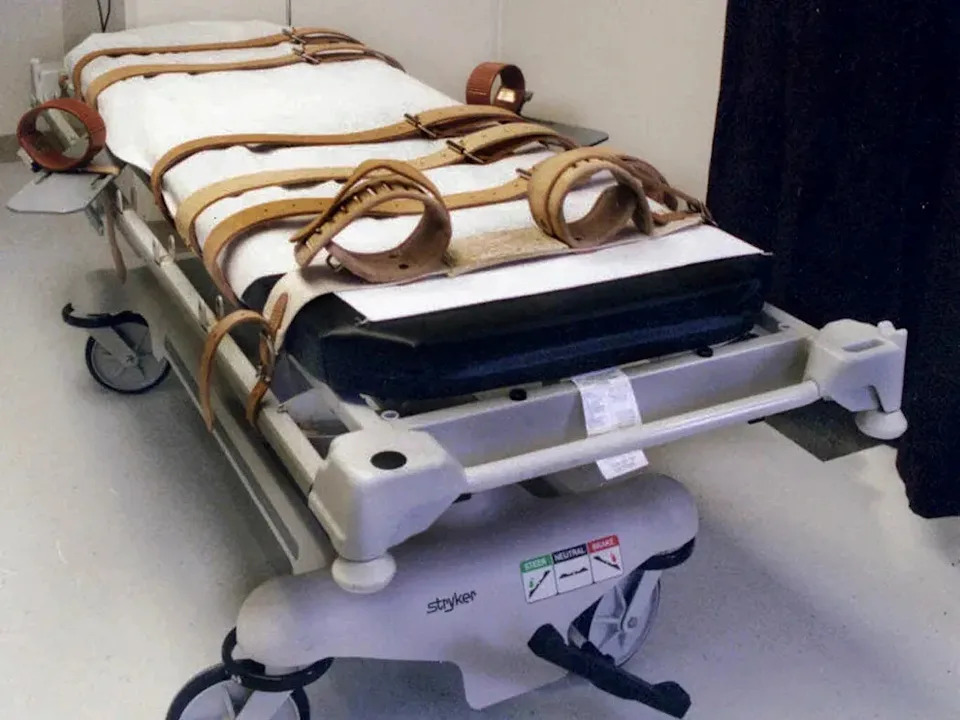
A gurney in Florida's lethal injection execution chamber is seen in this undated handout photo.
The Florida Attorney General's Office called those claims untimely and contended Beasley's age-related ailments did not legally bar the execution. The Florida Supreme Court denied Beasley's appeal on Sept. 22. With the execution carried out on Sept. 29, Beasley became the 16th person executed in Florida this year and the 29th nationwide.
Wider Context And Debate
Florida's recent pace of executions has drawn national attention. Of the 29 executions carried out by six states so far this year, Florida accounts for 16 (about 55%). Ten of Florida's executed inmates were older than 64, representing roughly 63% of Florida's executions. Critics argue that executing elderly, infirm inmates raises legal and ethical questions—particularly when convictions rest on decades-old evidence. Supporters, including Gov. Ron DeSantis, have said a focus on carrying out long-standing sentences responds to victims' families seeking finality.
Quote: "There's a saying: Justice delayed is justice denied," Gov. Ron DeSantis told ProPublica in June, explaining his support for accelerated executions.
What Remains Unclear
Observers note uncertainty about whether Florida's focus reflects a deliberate targeting of older cases or a broader shift in policy and whether the same tempo will continue after changes in state leadership. The case also contributes to an ongoing national conversation about the appropriateness of carrying out capital punishment decades after conviction, especially when defendants are elderly or have declining cognitive capacity.
Reporting: Amanda Lee Myers and contributions from the USA TODAY Network. Original reporting appeared in USA TODAY.
Help us improve.