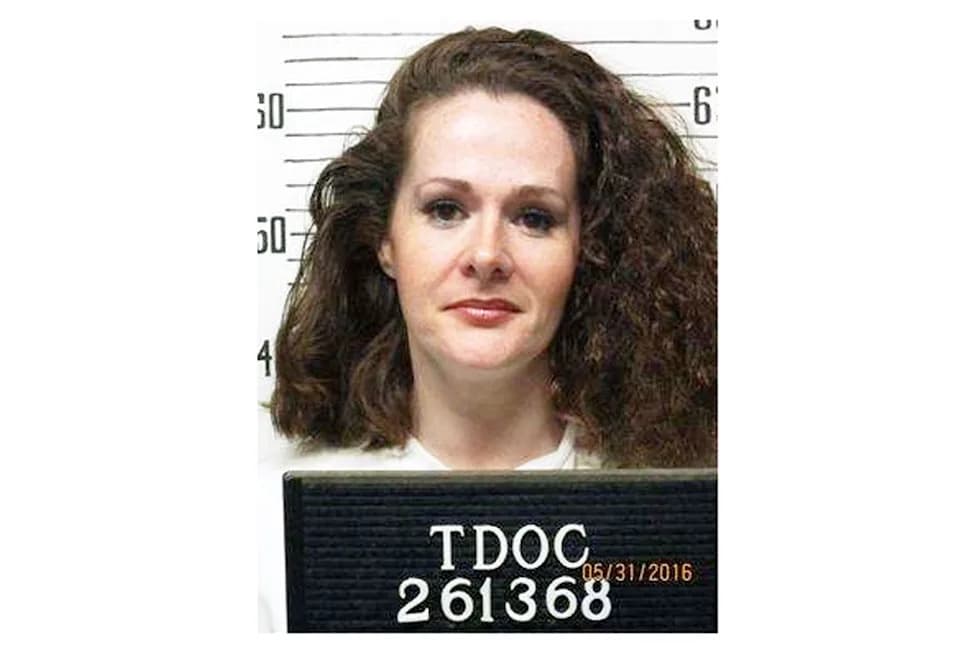
Tennessee is set to execute Christa Gail Pike for a 1995 murder she committed at age 18, a case that would be the state's first execution of a woman in at least 200 years. Pike, now 50, was convicted alongside a then-boyfriend in the killing of 19-year-old Colleen Slemmer; a pentagram was carved into the victim. The U.S. Supreme Court declined to halt the execution and Gov. Bill Lee denied clemency, while supporters cite Pike's youth, mental illness and history of severe sexual abuse as mitigating factors.
Tennessee Moves Ahead With Execution Of Christa Gail Pike, Who Was 18 At Time Of 1995 Murder
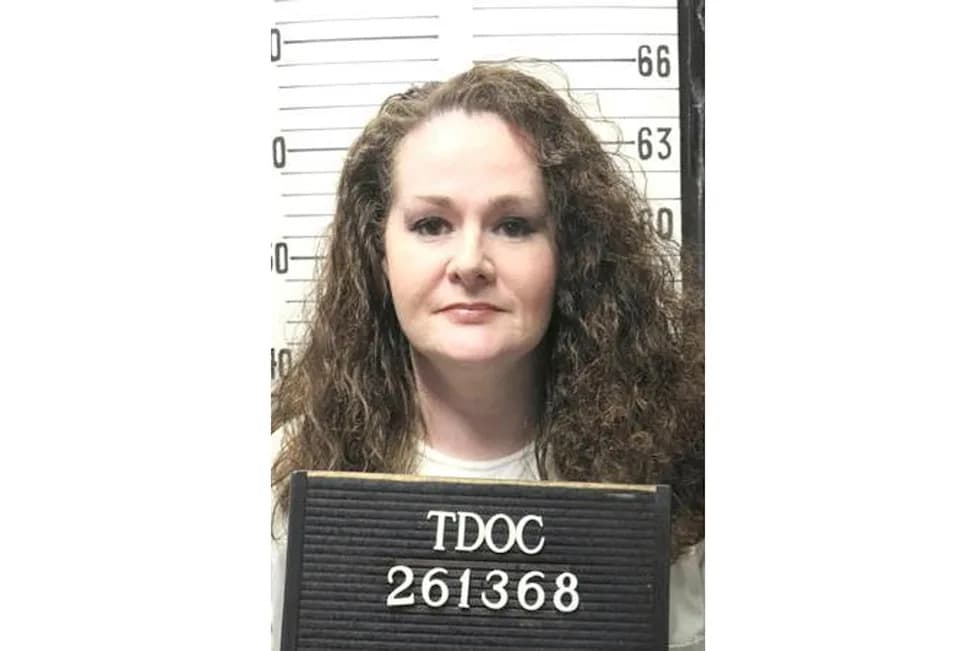
This photo provided by the Tennessee Department of Correction shows Christa Pike on Jan. 12, 2023. (TDOC via AP)(Tennessee Department of Correction via AP)
Tennessee is preparing to execute Christa Gail Pike for a 1995 murder she committed at age 18, an event that would be the state's first execution of a woman in at least two centuries. Pike, now 50, is scheduled to die by lethal injection Wednesday morning at Riverbend Maximum Security Institution in Nashville.

This undated photo provided by May Martinez shows her daughter, Colleen Slemmer, who was murdered in 1995 in Tennessee. (May Martinez via AP)(May Martinez via AP)
Case Background
Pike and a then-boyfriend, who has been identified as Shipp, were convicted in the killing of 19-year-old Colleen Slemmer, a classmate from a job training program in Knoxville. Prosecutors say Pike lured Slemmer into a wooded area on Jan. 12, 1995, cut her with a box cutter and repeatedly beat her with a large chunk of asphalt. Shipp, who was 17 at the time, has admitted carving a pentagram into Slemmer's body.

In this image from video provided by WBIR-TV, Christa Pike cries after being sentenced to death on March 30, 1996 in Knoxville, Tenn. (WBIR-TV via AP)(WBIR-TV via AP)
Legal Fight And Appeals
Pike does not deny her role in the killing, but her lawyers and supporters have urged that the state weigh mitigating factors, including her age at the time (18), documented mental illness and a long history of severe sexual abuse—claims that include allegations she was raped beginning in early childhood. Assistant Federal Defender Stephen Ferrell has argued Pike's death sentence is an outlier, noting other 18-year-olds in Tennessee given capital sentences have seen those sentences vacated.

Alonzo Hughes participates in a March 4 Mercy protest against the death penalty at the Tennessee State Capitol, Sunday, Sept. 27, 2026, in Nashville, Tenn. ahead of the Sept. 30th scheduled execution of Christa Pike. (AP Photo/George Walker IV)(AP Photo/George Walker IV)
"I was a mentally ill 18-year-old kid. It took me numerous years to even realize the gravity of what I'd done," Pike wrote in a statement submitted with her clemency petition. "Even more to accept how many lives I affected. I took the life of someone's child, sister, friend. It sickens me now to think I had the ability to commit such a crime."
Responses From Victim's Family And Officials
Slemmer's mother, May Martinez, has said she wants the execution to proceed after waiting decades for Pike's sentence to be carried out. "Every time I think about it, I think about Colleen feeling that pain and trying to get up and run," Martinez said, and supporters helped raise funds so she and her husband could travel from Florida to witness the execution.

Abraham Bonowitz speaks during a March 4 Mercy protest against the death penalty at the Tennessee State Capitol, Sunday, Sept. 27, 2026, in Nashville, Tenn. ahead of the Sept. 30th scheduled execution of Christa Pike. (AP Photo/George Walker IV)(AP Photo/George Walker IV)
On the legal front, the U.S. Supreme Court declined Pike's attorneys' request to halt the execution, and Tennessee Gov. Bill Lee denied clemency.
Historical And National Context
Executions of women are rare in the United States. According to the Death Penalty Information Center, Tennessee has not executed a woman in at least 200 years, though historical records can be incomplete. Since 1976, 18 women have been executed nationwide—roughly 1% of all executions. Recent high-profile cases involving female inmates include Amber McLaughlin's 2023 execution in Missouri and the federal execution of Lisa Montgomery in 2021.
The case has reignited debate over applying the death penalty to offenders who were teenagers or young adults at the time of their crimes, touching on questions about culpability, trauma, and mental illness.
Reporting note: AP reporter Chandler contributed from Montgomery, Alabama.
Help us improve.