Christa Pike survived Tennessee's Sept. 30 execution attempt after receiving two doses of pentobarbital, renewing scrutiny of the state's drug sourcing and protocols. Defense lawyers had alleged in an April 10, 2025 filing that Tennessee might be obtaining pentobarbital via a "gray market" because manufacturers prohibit sales to corrections departments. TDOC says the drug was commercially manufactured but has not disclosed a supplier, citing confidentiality protections. Governor Bill Lee ordered a third-party review and paused the state's remaining 2026 execution schedule.
Failed Execution of Christa Pike Fuels Scrutiny Over Tennessee’s Pentobarbital Sourcing

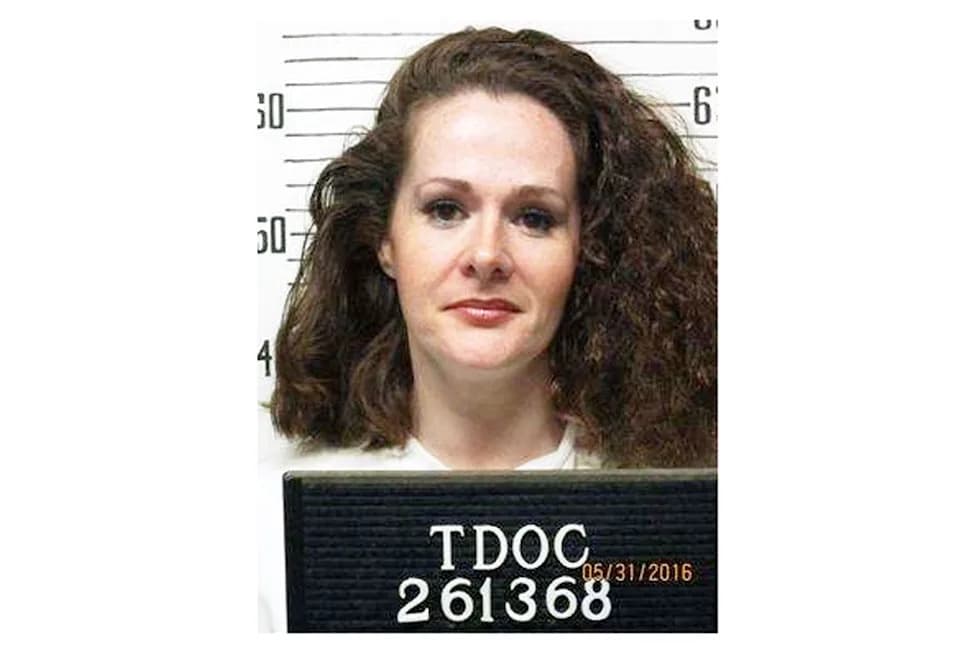
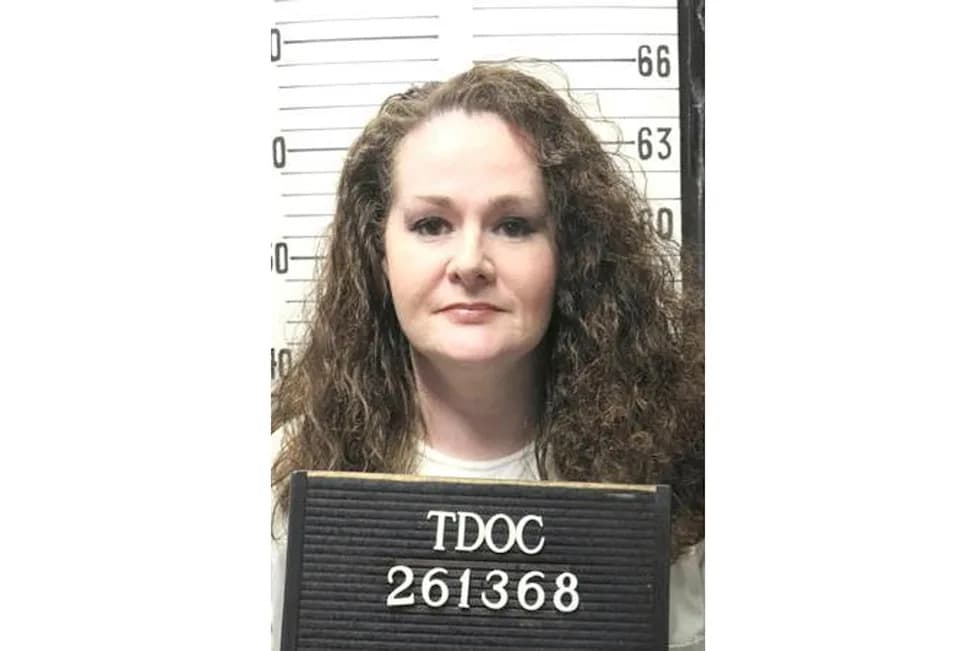
Christa PikeCredit: Tennessee Department of Correction
Questions about the source and handling of Tennessee's execution drugs resurfaced after Christa Pike survived the state's Sept. 30 attempt to execute her with pentobarbital.

Christa Pike enters a Knox County Criminal Court on December 4, 2007.Credit: J. Miles Cary, Knoxville News Sentinel/USA TODAY Network via Reuters Connect
Allegations of a 'Gray Market' Supply
More than a year before the failed procedure, defense attorneys raised concerns that Tennessee may have obtained pentobarbital from a so-called "gray market" rather than through standard, regulated commercial distribution. In an April 10, 2025 petition to Governor Bill Lee seeking a temporary reprieve for inmates Oscar Smith and Byron Black, attorneys Kelley Henry and Amy Harwell of the Federal Public Defender's Capital Habeas Unit wrote that every known manufacturer of pentobarbital prohibits sales to corrections departments for use in executions. They concluded that if Tennessee's drugs were commercially manufactured, they were likely purchased outside the approved distribution stream.

Emergency vehicles arrive at Riverbend Maximum Security Institution Wednesday, Sept. 30, 2026.Credit: USA TODAY Network via Reuters Connect
"If the chemicals are manufactured, then it appears nearly certain that TDOC has procured the chemicals from the gray market," the attorneys wrote in the filing.
State Response and Secrecy
In December 2025, Nashville Public Radio reported that Tennessee officials said the pentobarbital the state uses in executions was commercially manufactured. The Tennessee Department of Correction (TDOC) has declined to publicly identify a supplier, citing state law that shields identifying information about people and entities involved in procuring drugs and other execution supplies. TDOC has argued in litigation that even indirect details, such as packaging, could be combined with other data to reveal a supplier and jeopardize future access to drugs.

Christa Gail Pike appears remotely from Deborah K. Johnson Rehabilitation for her hearing in Knox County Criminal Court in Knoxville, Tenn., on Aug. 11, 2026.Credit: USA TODAY Network via Reuters Connect
The Sept. 30 Attempt and Aftermath
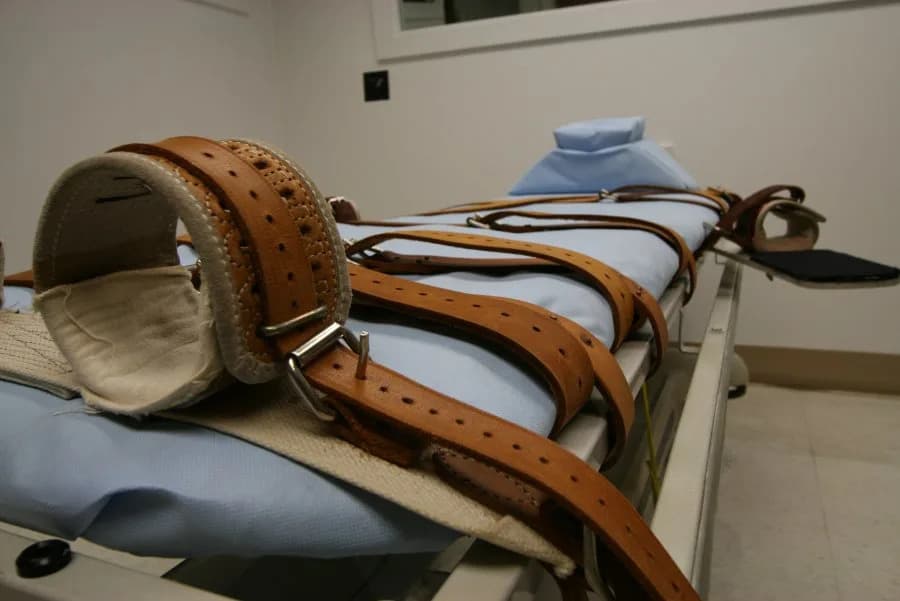
On Sept. 30, 2026, Pike received two doses of pentobarbital at Riverbend Maximum Security Institution but did not die. Emergency vehicles transported her to an off-site medical facility; her attorney, Randy Spivey, said she remained in critical condition and described the attempt as "cruel, torturous and also predictable." TDOC said it "followed every step" of the state's execution protocol and maintained that the chemical it used "has consistently been effective," but it declined to answer detailed questions from reporters about the drug's provenance or whether potency testing was performed before the attempt.
Broader Concerns About Protocol and Testing
Tennessee adopted a single-drug pentobarbital protocol after executions were paused in 2022 amid problems with previous procedures. An independent investigation found that drugs prepared for seven executions since 2018 had not been fully tested as required by the old protocol. When TDOC released a new 44-page execution manual in January 2025, it devoted only one page to lethal injection chemicals and removed earlier, more detailed testing requirements, including a mandate that drugs come from a licensed pharmacist. Defense attorneys argued in filings that the shortened manual lacks adequate safeguards to verify potency, storage conditions and authenticity of the chemicals used.
Next Steps
After the failed Sept. 30 attempt, Governor Bill Lee ordered an independent third-party review and announced that Tennessee's remaining scheduled execution for 2026 would not proceed this year. The events have renewed legal and public scrutiny of how Tennessee sources, tests and stores lethal injection drugs and whether existing protections are sufficient to ensure that protocols are followed and chemicals are reliable.
Help us improve.