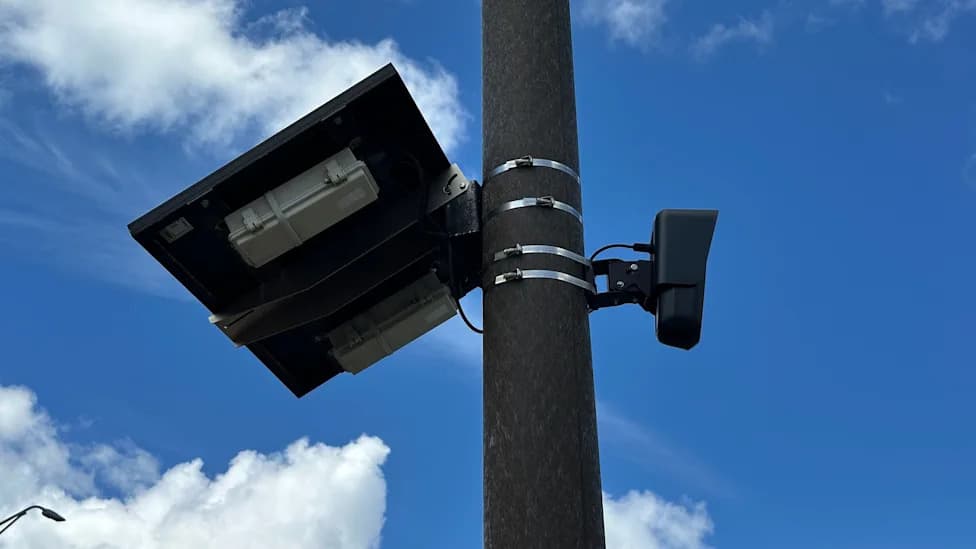
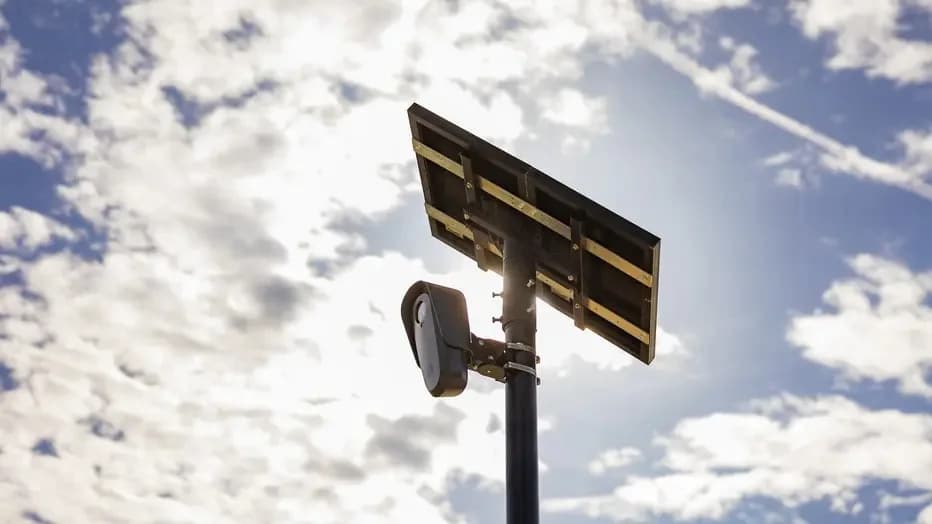
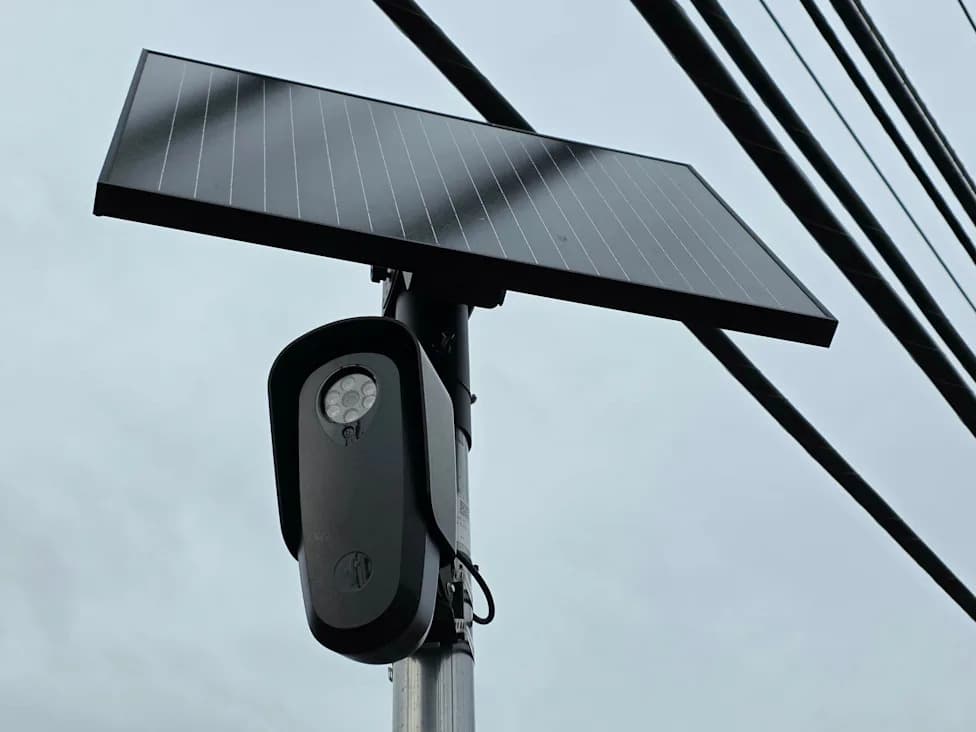
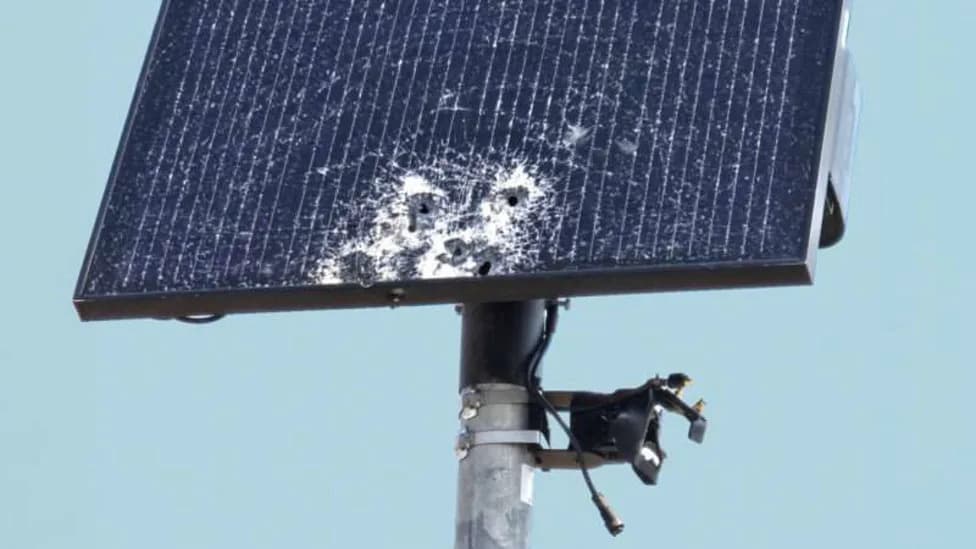
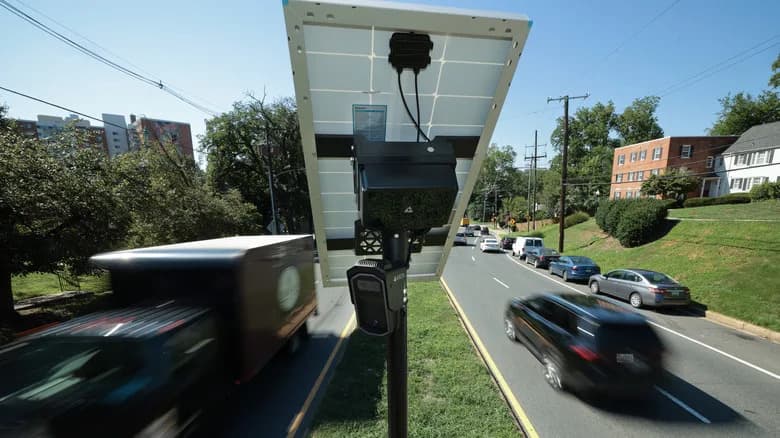
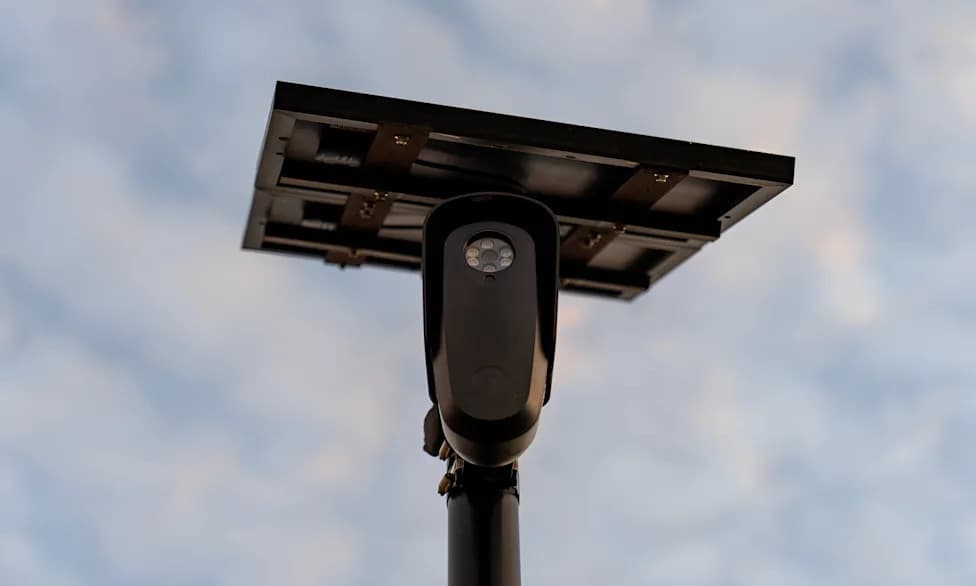
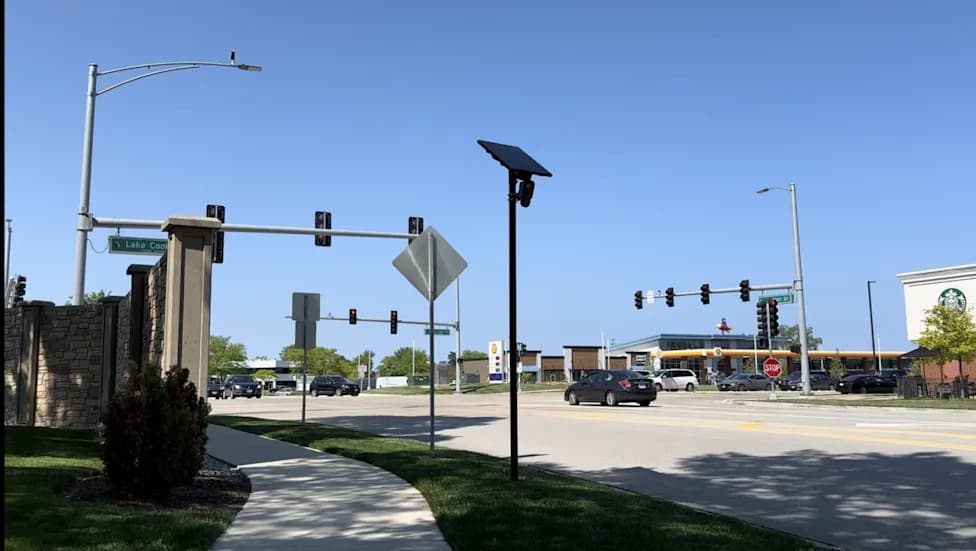
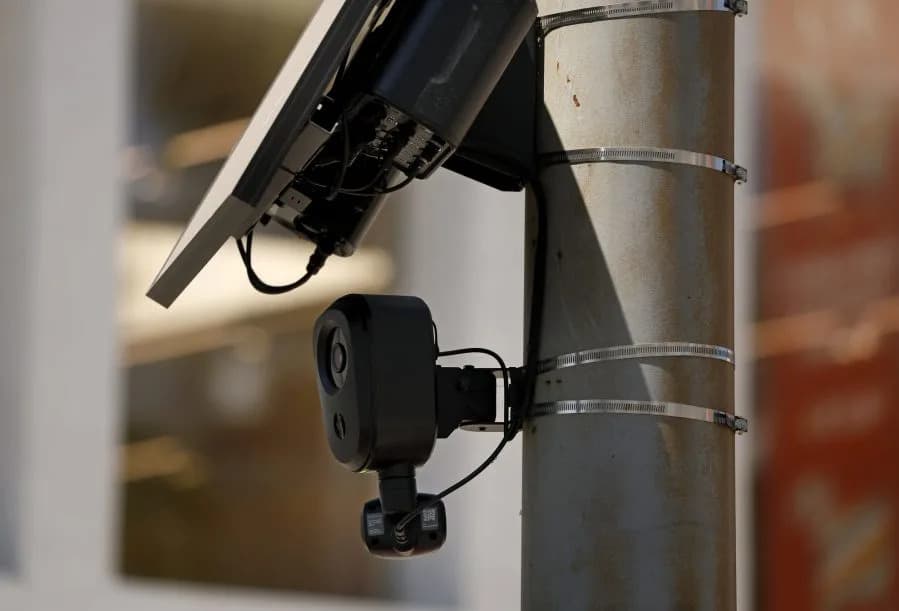
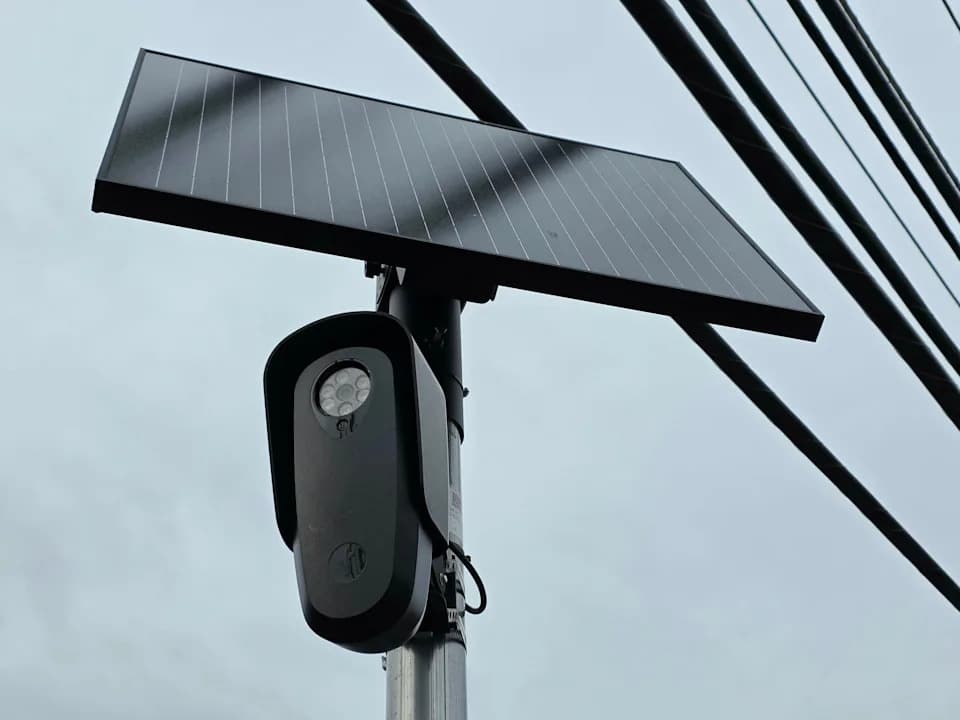
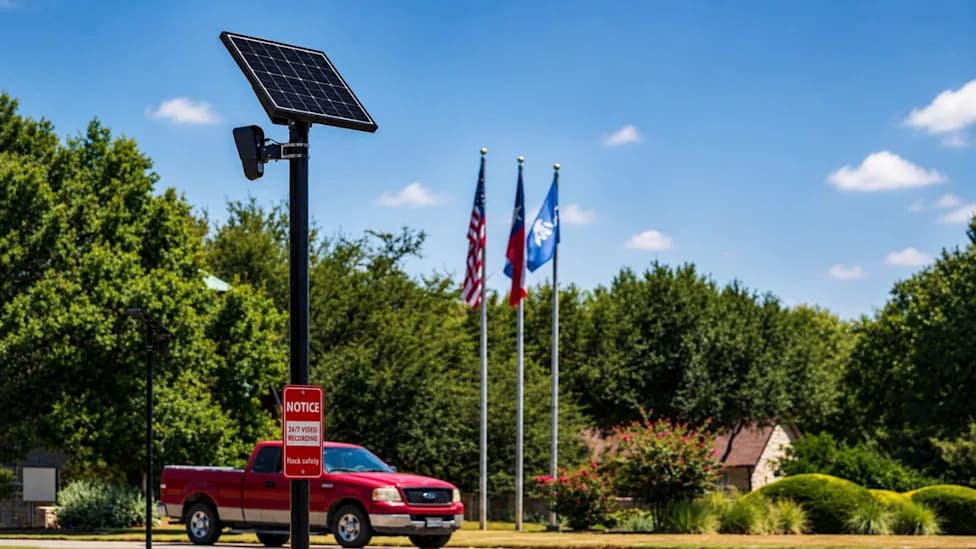
St. Lucie County, Florida, found a mismatch between permit records and cameras physically mounted in county right-of-way: permit files showed 52 authorized devices, but field checks discovered unpermitted cameras. With Florida law narrowly focused on state highways and data retention, local permit counters have become the practical inventory for roadside surveillance. Modern systems now index vehicle attributes—color, damage, modifications—so the enduring concern is who holds searchable vehicle records, not just where poles are bolted.
Florida County Can't Account For 52 License-Plate Cameras — A Revealing Gap In U.S. Roadside Surveillance
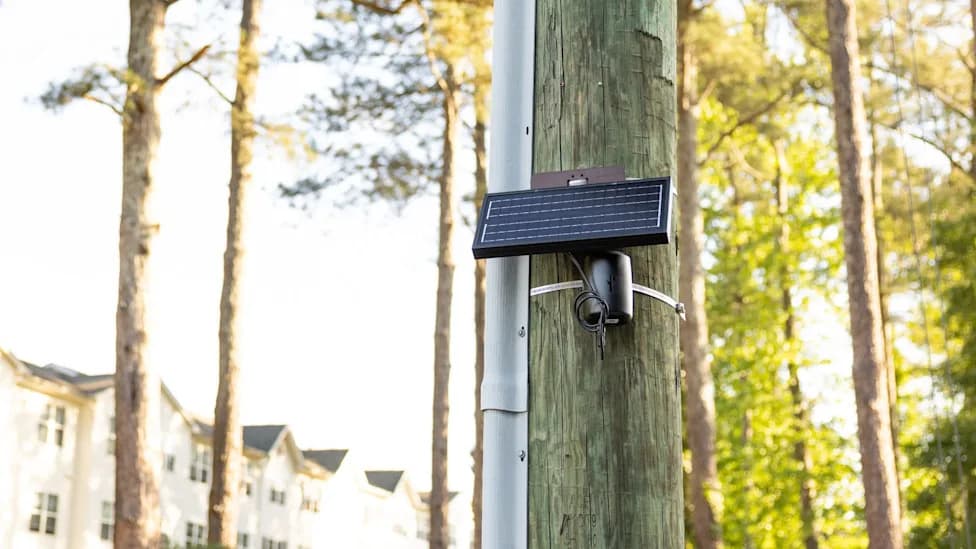
Florida County Has No Idea Where 52 LPR Cameras Came From
St. Lucie County, Florida, spent weeks trying to answer a deceptively simple question: how many cameras are watching its roads, and who owns them? What officials found was not just a counting error but evidence of a nationwide blind spot: the de facto inventory for roadside vehicle-surveillance systems often lives in a stack of right-of-way permits maintained by public-works staff whose jobs are culverts and mowing contracts.
What Happened In St. Lucie County
According to a staff report presented to county commissioners on September 15, the board issued three directives on September 1: stop issuing authorizations for automated license-plate readers or any automated vehicle-identification or tracking systems on county-owned or county-controlled rights-of-way and other county property; revoke already granted authorizations and send 30-day removal notices to known owners, operators or permittees; and inventory what is actually installed and remove unauthorized devices.
Public Works returned two weeks later with permit records showing 52 devices previously authorized within county rights-of-way and supplied a GIS map. Field crews verified permit locations against poles and discovered duplicate applications and at least three cameras installed where no county permit existed. Staff also compared volunteer-compiled camera maps to county records to find additional installations. The majority of permitted devices were reportedly installed for law enforcement, and local police agencies were given advance notice of the county’s actions.
Why Permits Became The Inventory
Florida does have two narrow statutes on plate readers, but they address state-highway rights-of-way and records retention only. Section 316.0777 lets the Department of Transportation permit a plate reader in state highway right-of-way when a law enforcement agency requests it, limits use to active criminal intelligence or investigations, forbids citation issuance from the system, and places installation and removal costs on the requesting agency. Section 316.0778 has the Department of State, consulting with FDLE, set maximum retention periods for images and data. Neither law governs county roads, city streets, parking lots or private-adjacent installations—so local permitting and land-use rules fill the gap.
Data, Privacy And A Statutory Loophole
Plate-reader images and derived data are confidential and exempt from Florida's public-records law, with one important exception: a person may request information related to a plate registered to them unless the records are active criminal intelligence or investigative information. Although that disclosure right has existed for years, it remains underused; it is a practical lever for individuals who want to see what these systems have recorded about their own vehicles.
Technology Has Outpaced The Law
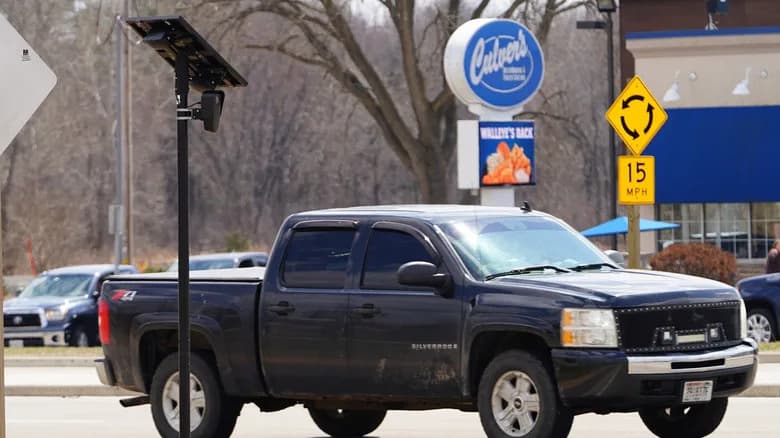
The legal definition in Florida—automated license-plate recognition equals cameras plus algorithms that translate plate images to computer-readable data—dates to 2014. The market has evolved: vendors like Flock Safety now emphasize attribute-based search as much as plate reads. Tools such as "FreeForm" let users search for plain-English vehicle descriptions (for example, a "dark SUV with rear bumper damage"). When plates are partial or unreadable, investigations may continue using vehicle attributes such as color, damage, aftermarket parts or decals. In effect, the plate has become only one field in a richer, searchable vehicle record.
Practical And Policy Implications
That shift has consequences. Modifications and unrepaired body damage become searchable identifiers: cars built to be unique—enthusiast or modified vehicles—are the easiest to identify. Meanwhile, revoking a land-use permit does not erase records or stop private-property deployments. A camera removed from county right-of-way can be relocated onto private property under contract, keeping the data stream intact. And because many vendor privacy improvements (shorter retention windows, mandatory multi-factor authentication, audits) are company policies rather than statutes, they can be changed without public process.
What This Reveals And What Comes Next
St. Lucie County did not solve the broader regulatory challenge. What it did accomplish was count—and the count came up short, proving a point: in many places the only practical registry of roadside vehicle-surveillance hardware is a permit file maintained by staff focused on public works, not surveillance oversight. Until states or Congress create comprehensive device registries, transparency rules, or clear local permitting standards tailored to surveillance technology, disputes over plate-camera restrictions will often boil down to permit and land-use fights while the more consequential asset—the searchable data record—continues to change hands.
Help us improve.