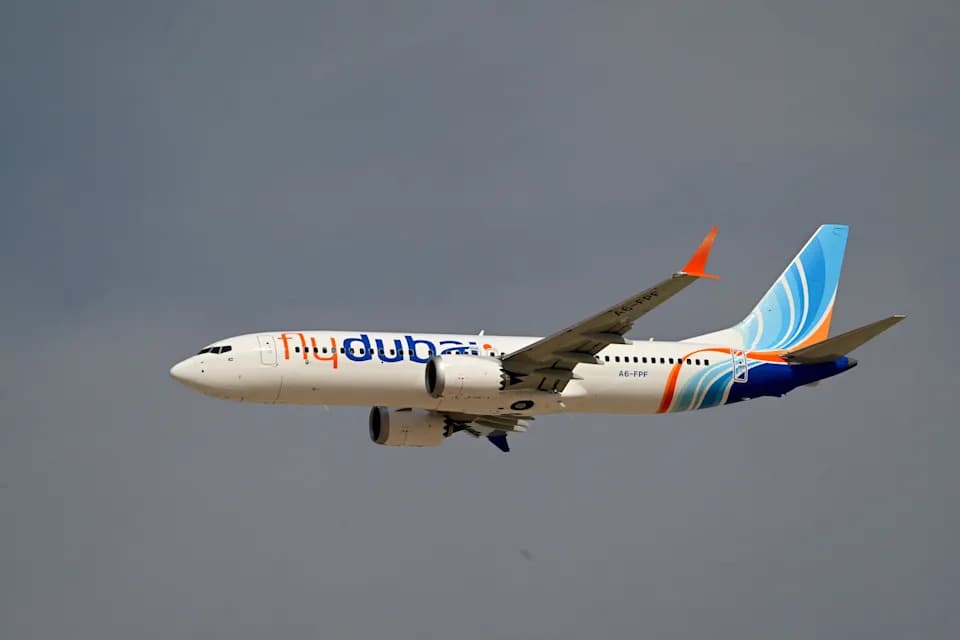
Passengers on a flydubai flight overpowered a co‑pilot who appeared intent on crashing the plane, preventing a catastrophe just days before the October 7 anniversary. President Isaac Herzog announced awards for five passengers, and Prime Minister Benjamin Netanyahu publicly praised the group at Ben Gurion Airport. The incident has been compared to Flight 93 on 9/11 and has reignited debates about national resilience, security and political messaging in Israel.
Passengers Overpower Co‑Pilot and Avert Crash — Israel Praises Heroes Ahead of October 7 Anniversary
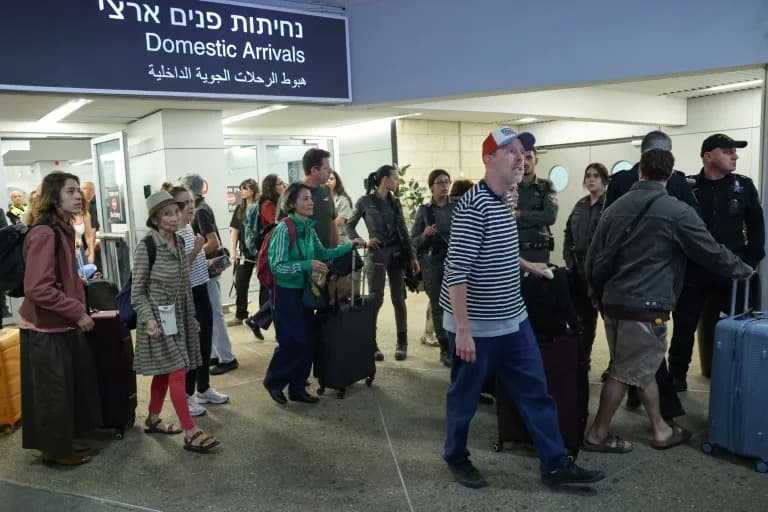
Passengers from an earlier diverted flydubai flight land at Israel's Ben Gurion Airport (Jack GUEZ)
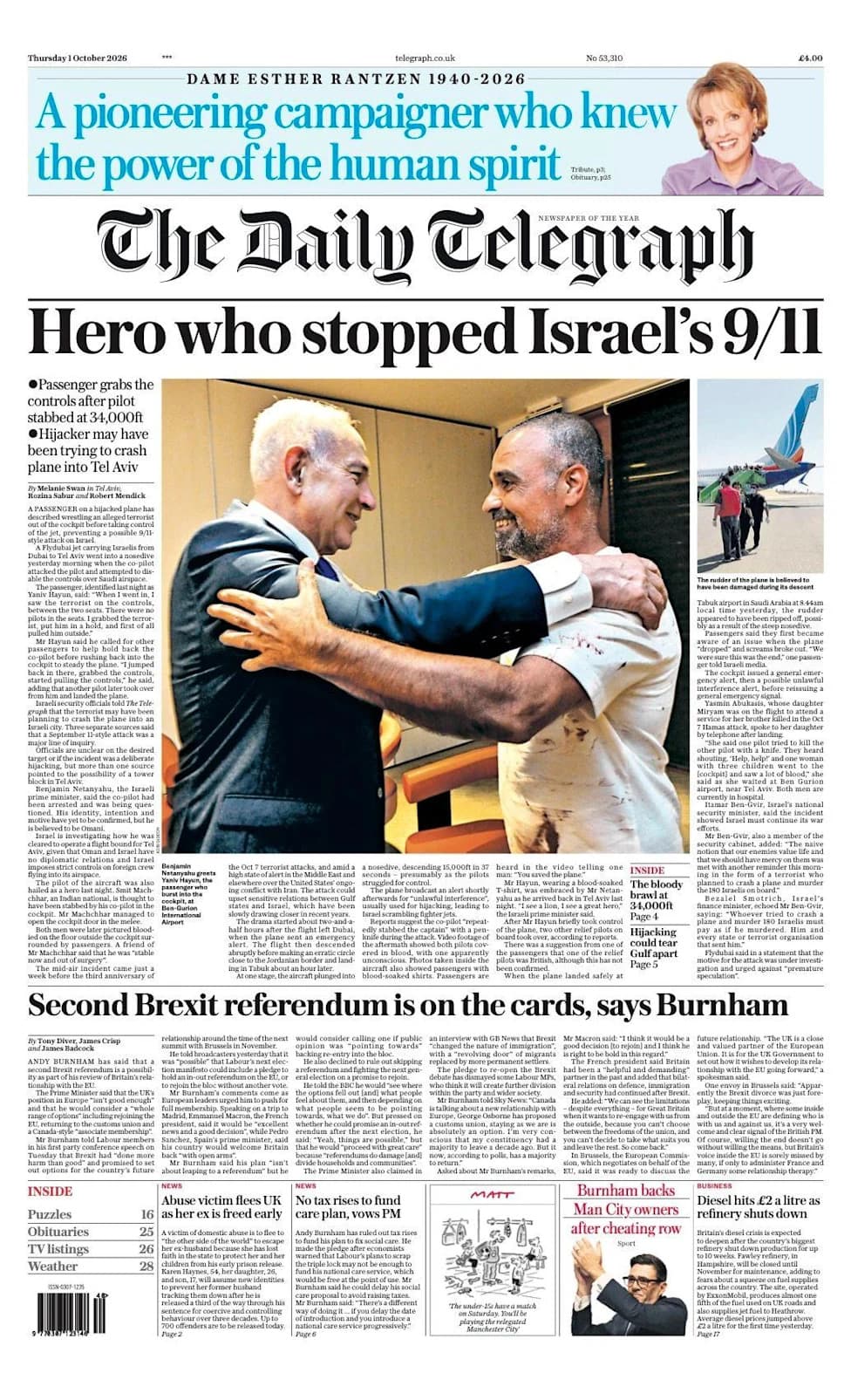
Passengers on a flydubai flight subdued a co‑pilot who appeared intent on crashing the aircraft, preventing a likely catastrophe just days before the anniversary of the October 7 attack. The incident sparked a wave of national pride across Israel and intense media attention.
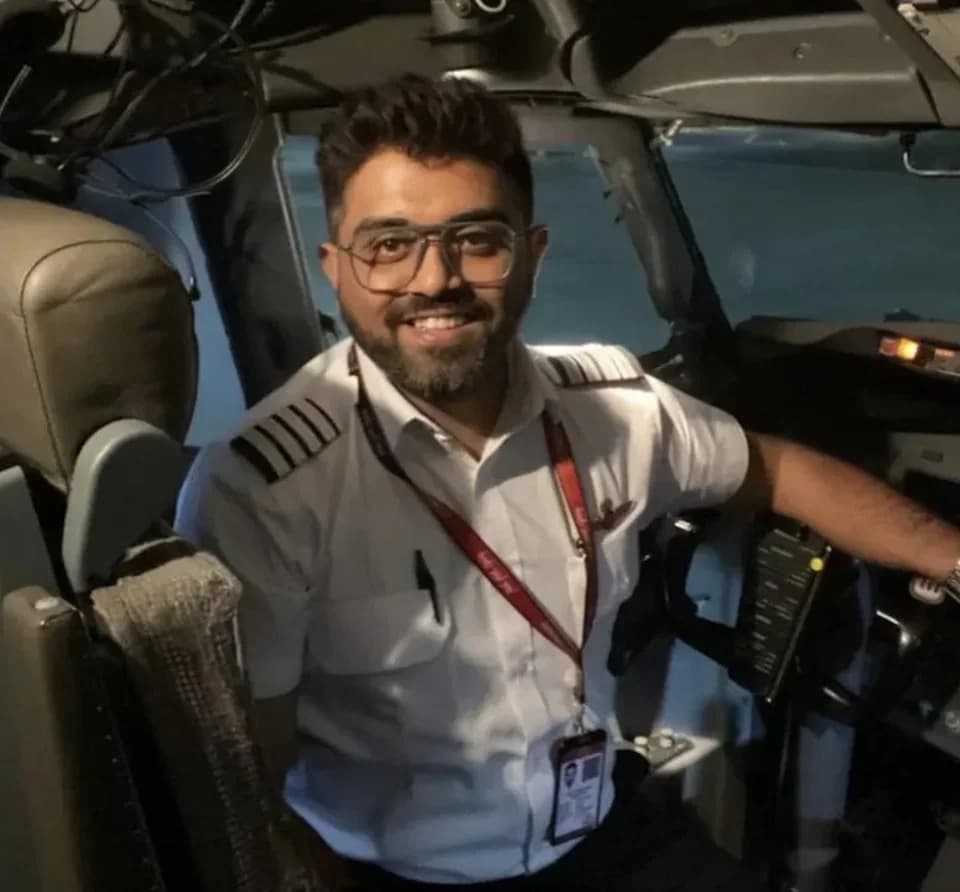
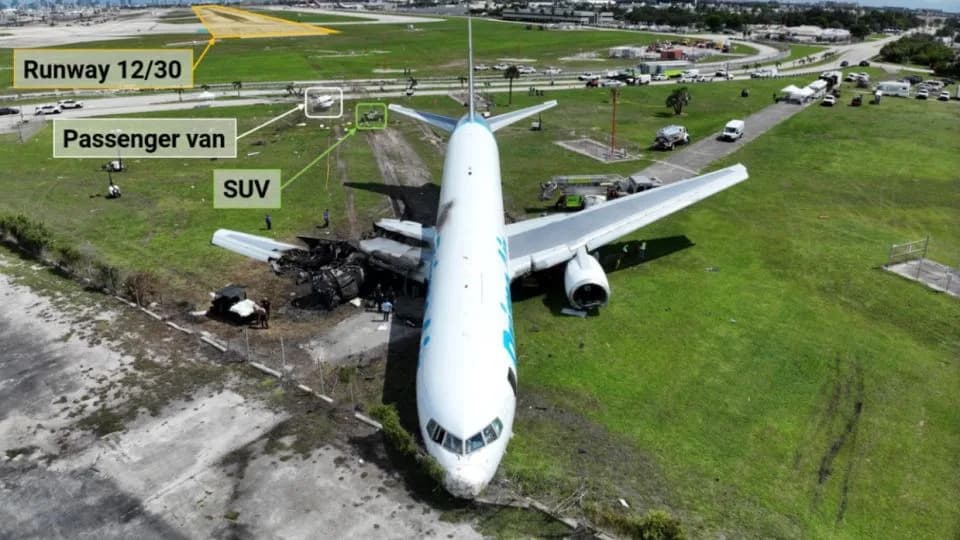
Immediate response: Videos and eyewitness accounts describe several passengers charging the cockpit after the co‑pilot allegedly stabbed the pilot and attempted to take control. Officials said the plane’s Indian pilot, Smit Machchhar, managed to reopen the cockpit and allow passengers in after being injured. Additional pilots who were travelling among the passengers later helped land the aircraft safely in Saudi Arabia.
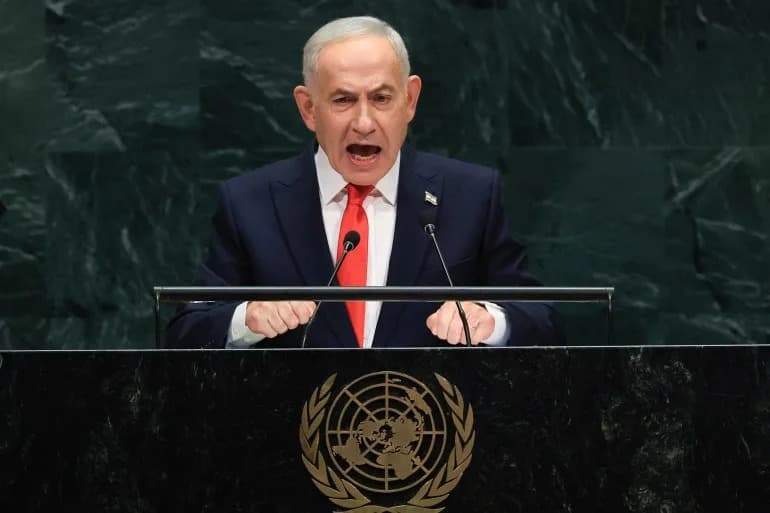
Honors and public reaction: President Isaac Herzog said he would present the Presidential Award for Civilian Heroism to five passengers who led the charge, including Yaniv Hayoun, a plumber who has been widely hailed in Israeli media for his role in subduing the co‑pilot. Prime Minister Benjamin Netanyahu visited the returning travelers at Ben Gurion Airport, where crowds waved Israeli flags and celebrated the passengers’ actions.
"You put yourselves at risk to save others and prevented a terrible disaster," Herzog said, adding: "Today, the whole world saw the beautiful and courageous face of Israeli society."
Photographs showed Hayoun wearing a bloodied T‑shirt as he was embraced by Netanyahu. In a widely reported exchange, Hayoun told the prime minister, "We are a people of lions," and added, "Unfortunately we didn't succeed in killing him, but it will take him awhile to recover." The remark has been widely circulated in Israeli media and online.
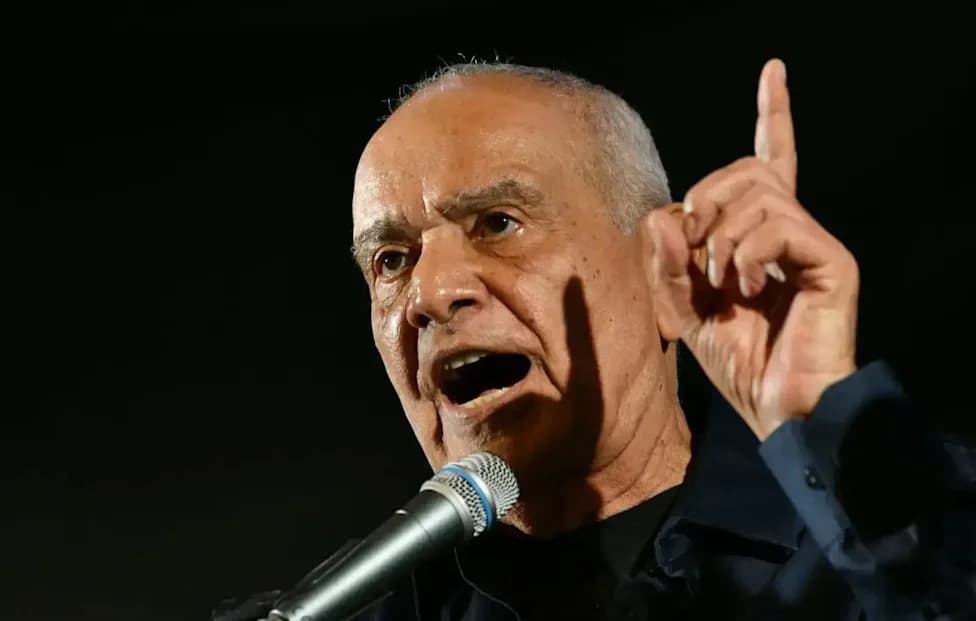
Political and cultural context: The episode touched a raw national nerve. For many Israelis, the incident reinforced a belief in civic readiness and the value of near‑universal military training. At the same time, opposition figures criticized political leaders for appearing to exploit the moment — Yair Golan of the centre‑left Democrats Party praised the bravery but warned against "scoring cheap political points."
Broader significance: The story arrived just days before the anniversary of the October 7 attack, in which Hamas‑led militants killed 1,221 people — an event widely described in Israel as a profound security failure. Israel’s subsequent military campaign in Gaza has resulted in a reported death toll of more than 74,000, according to the Gaza health ministry. Israeli tabloids and social media quickly framed the plane episode as a counter‑narrative of resilience, with memes and front pages celebrating the passengers.
Comparisons and aftermath: Observers noted similarities to United Airlines Flight 93 on 9/11, when passengers confronted hijackers to prevent a larger attack. In the flydubai case, the presence of off‑duty pilots among the passengers was a crucial factor in bringing the aircraft down safely. Investigations into the motive and circumstances of the co‑pilot’s actions are ongoing.
What remains clear: The passengers’ intervention likely prevented a mass‑casualty event and has become a focal point for national discussion about heroism, security, and political messaging in an already tense period for Israel.
Help us improve.