The Bogong moth, which suffered a catastrophic population collapse beginning in 2017, is showing signs of recovery as dense swarms reappear across eastern Australia. Scientists estimate the earlier crash reduced numbers by about 99.5%, yet in strong years up to four billion moths migrate to alpine caves. Research shows Bogongs use the Milky Way for navigation, and the insects are important pollinators and a key food source for the mountain pygmy possum. Experts say wetter conditions likely aided the rebound but warn that El Niño, pesticides and habitat loss still threaten the species.
Bogong Moths Return: Billion-Strong Swarms Recreate a Vanished Migration
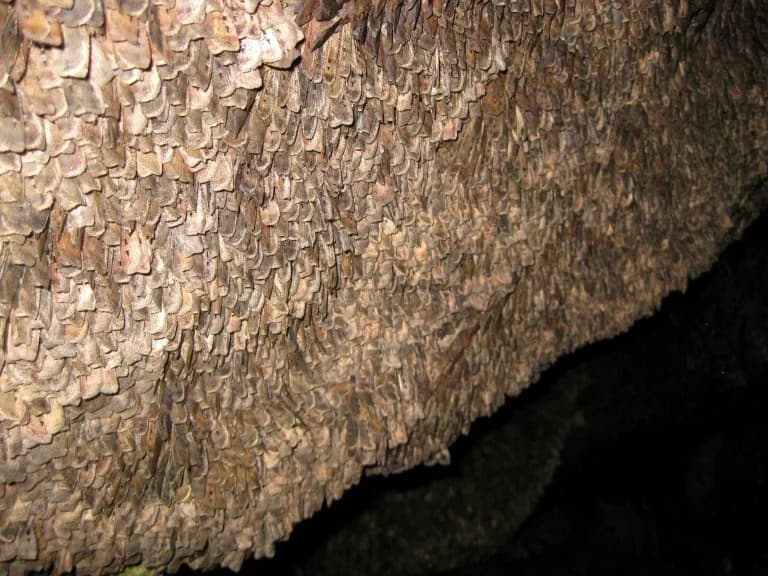
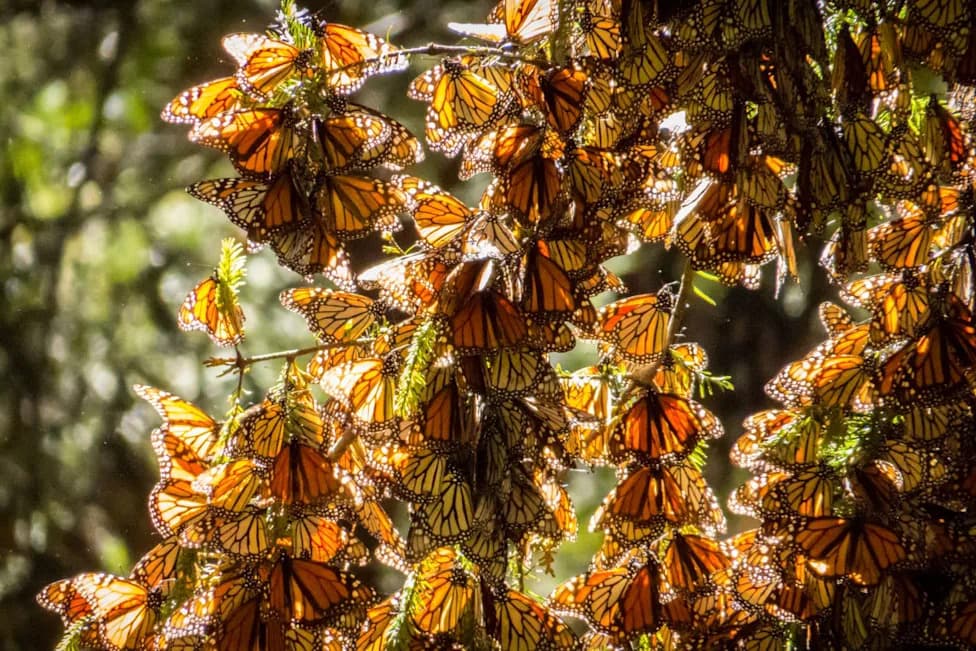
Bogong moths carpet the wall of an alpine cave in Australia, after completing an annual migration to beat the summer heat (Eric Warrant)
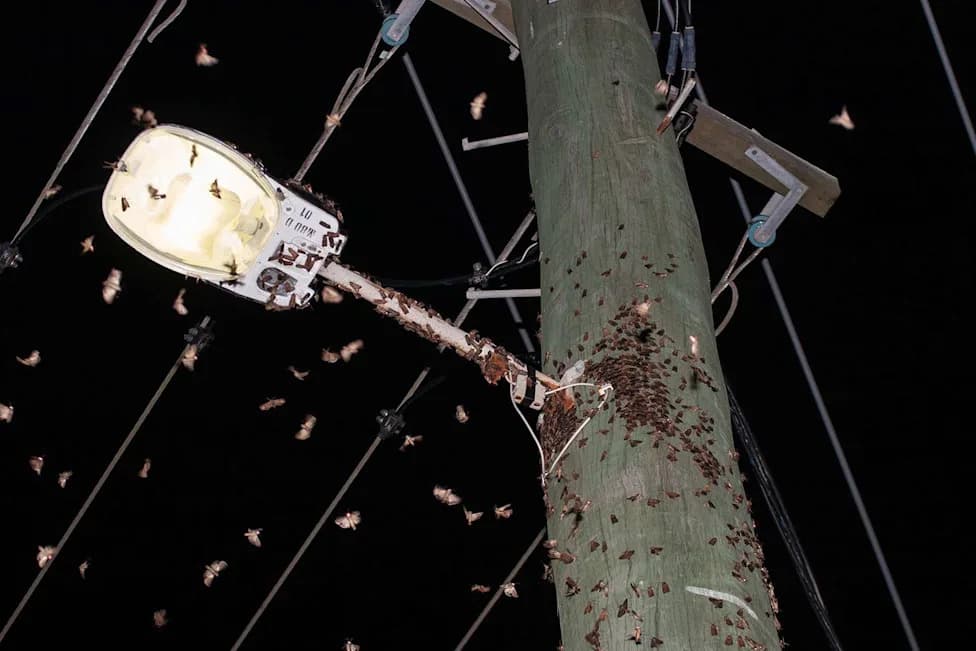
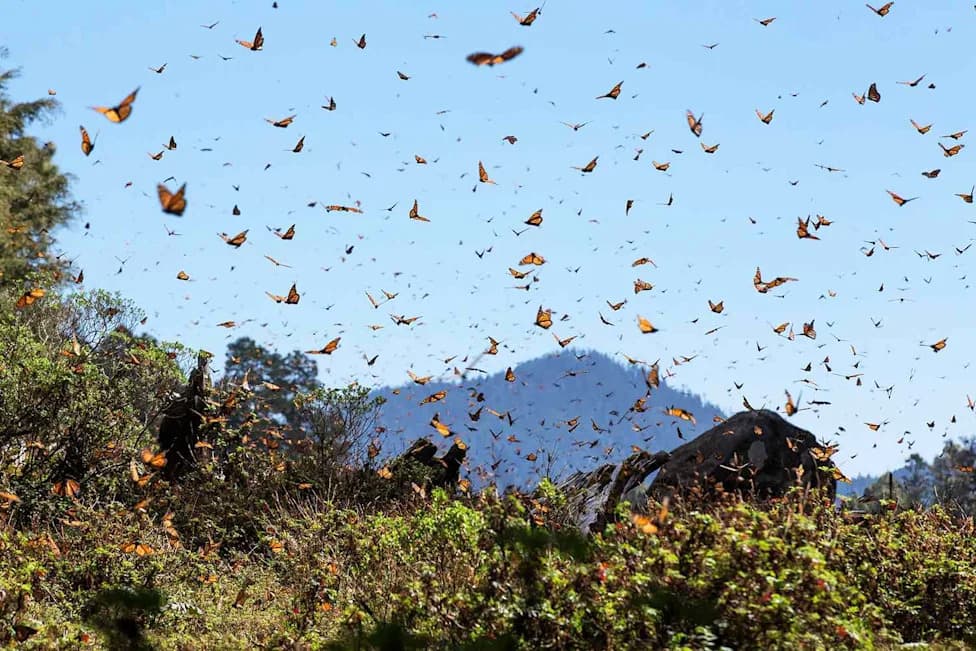
Moth swarms so dense they can obscure the night sky are appearing across eastern Australia again, reviving a migratory spectacle not witnessed at this scale since the species nearly disappeared a decade ago.
The annual spring migration of the Bogong moth was once a hallmark of the season: billions of insects streamed down the east coast in search of cooler alpine caves. Beginning in 2017, a combination of drought, pesticide use and habitat loss triggered an unprecedented crash that reduced the population by an estimated 99.5 percent.
Now scientists and conservationists are seeing encouraging signs of recovery. Observers report dense swarms returning to traditional routes and alpine refuges, a development that has prompted emotional reactions from researchers who had feared the species might be lost.
“There have been happy tears in my office because this is what nature should be,” said conservation biologist Marissa Parrott of Zoos Victoria. “People are noticing those big swarms again. They can celebrate what I think is one of nature’s great spectacles.”
In particularly strong years, as many as four billion Bogong moths would migrate to alpine caves in eastern Australia. Photographs from those events show cave walls plastered in dense mats of moths, so thick the underlying rock is invisible.
How They Find Their Way
Scientists have long been fascinated by how Bogong moths locate the same mountain refuges on a journey they undertake only once in their lives. Last year, researchers tethered captive moths and projected star patterns on a dome to show the insects use the Milky Way as a navigation cue. That experiment made Bogong moths the first known invertebrates shown to use celestial navigation for long seasonal migrations.
Ecological Importance
Bogong moths play multiple ecological roles: they are pollinators for some plants and a key seasonal food source for the mountain pygmy possum, a critically endangered, cave-dwelling marsupial. Their return therefore has implications for broader alpine ecosystems.
The species has also intersected with human activities: during the 2000 Sydney Olympics, radar signals that meteorologists thought were rain were in fact detecting a dense cloud of Bogong moths attracted to stadium floodlights.
What Drove the Rebound — And What Could Undo It
Researchers are still investigating why numbers appear to be rising. Many point to a stretch of wetter weather that likely improved conditions for breeding and larval survival. But major threats remain: ongoing habitat loss, pesticide exposure and climate extremes.
With a strong El Niño forecast that could bring hotter, drier conditions, scientists warn the recovery may be fragile. “It’s great they’re back, and we’re really excited they’re back,” said Eleanor Drinkwater of Western Sydney University. “But we’re still worried about them.”
Conservationists say continued monitoring, habitat protection and reduced pesticide impacts will be crucial to securing the Bogong moth’s long-term recovery and preserving the spectacular migration for future generations.
Help us improve.