Millions of endangered bogong moths have swarmed homes across New South Wales during their annual migration to the Snowy Mountains and NSW Alps, prompting hope among researchers after decades of steep decline. The species — listed as endangered by the IUCN in 2021 — fell an estimated 99.5% by 2017, but recent citizen-science reports (about 800 iNaturalist sightings over a weekend) suggest a notable increase. Experts say favorable winds likely aided the long-distance migrants, which serve as an important food source for native wildlife.
Millions of Endangered Bogong Moths Swarm New South Wales — A Hopeful Sign for a Collapsed Population
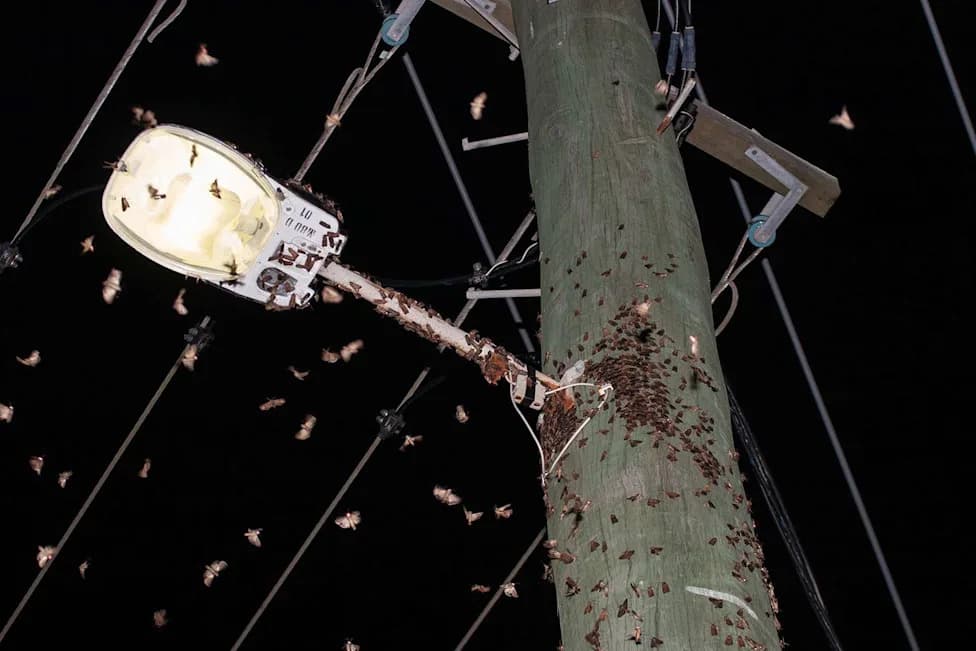
Bogong Moths gathering around a street lamp in Woolongong Australia.Credit: Getty
Millions of endangered bogong moths (Agrotis infusa) have descended on homes across New South Wales during their annual migration to alpine refuges in the Snowy Mountains and NSW Alps — a development that conservationists say offers a rare, encouraging sign after decades of steep decline.
Surprising Numbers After Years of Decline
Residents in multiple communities reported houses, eaves and decks layered with tiny migrants, and citizen scientists logged roughly 800 sightings on iNaturalist over a recent weekend, including more than 200 in a single 24-hour period. The species has experienced dramatic losses since the 1980s and was estimated to have declined by about 99.5% by 2017. The bogong moth was listed as endangered on the IUCN Red List in December 2021.
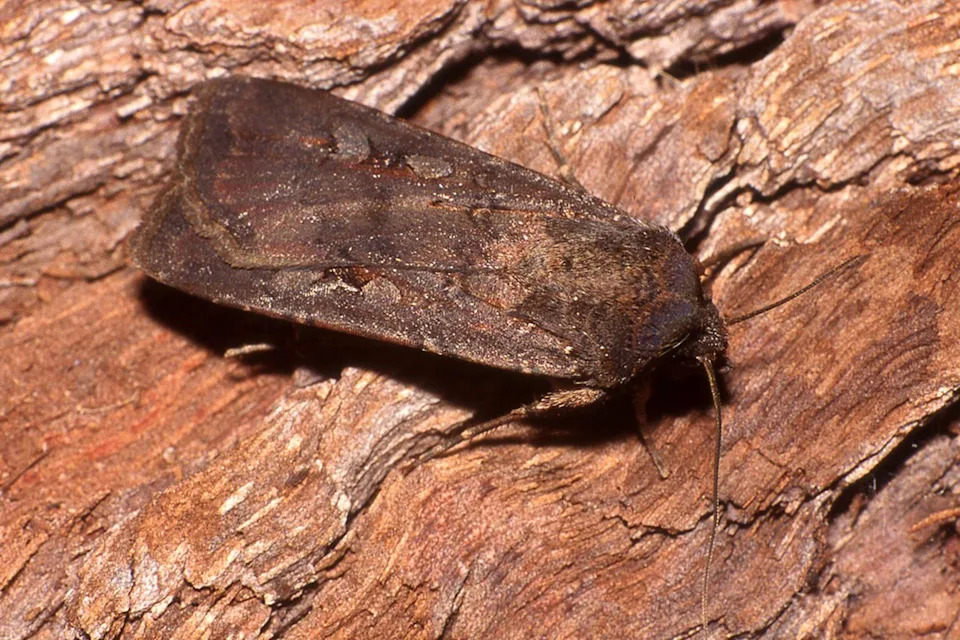
Bogong moth (Agrotis Infusa) is a temperate species of night-flying moth seen here on a bark of tree in Australia.Credit: Alamy
“I walked out my door and was hit in the face by thousands of them,” a resident told ABC News after their home was swarmed on Sept. 25. “I swear there was millions of them layered on various areas under my deck, under my eaves and all around the windows.”
Why Researchers Are Optimistic
Scientists and volunteers who have monitored bogong numbers for years described the influx as a hopeful reversal. The moths are a vital seasonal food source for native birds and small mammals such as pygmy possums, and their scarcity has altered public expectations of what a migration looks like.
“We have seen a decline in bogong moths this decade, which has changed people's perception of what a migration looks like. It's just incredibly encouraging to see them actually bouncing back,” said Linnea Emneby, manager of the Bogong Watch Project at Invertebrates Australia.
What Helped This Year’s Migration
Researchers say favorable weather patterns and winds likely assisted the moths, allowing them to travel hundreds to thousands of kilometres by riding air currents. Western Sydney University entomologist Eleanor Drinkwater reminded people that the insects are migrating — not trying to invade homes — and that many individuals are still en route to mountain refuges.
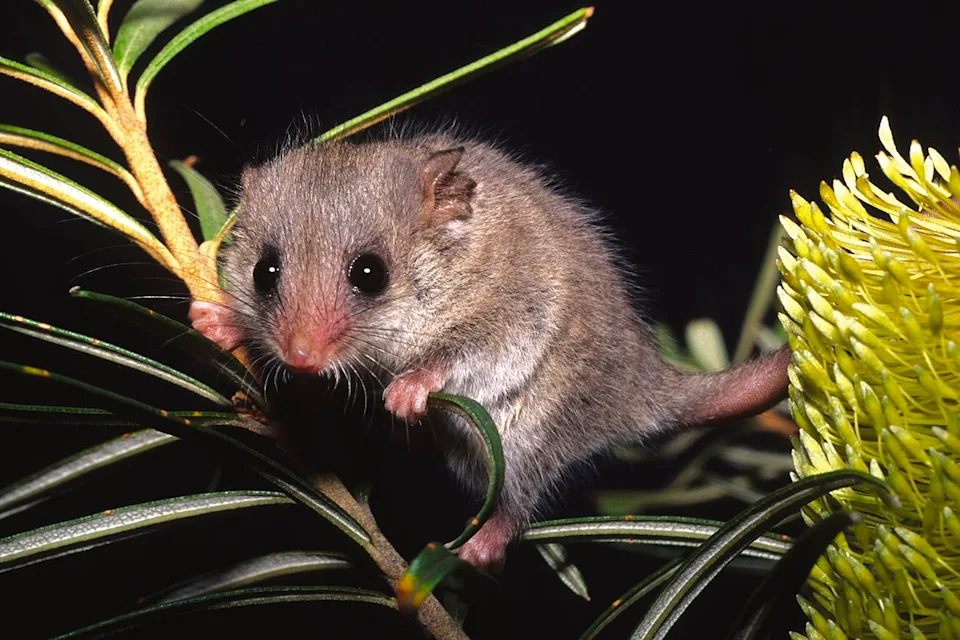
A pygmy possum perched on a branch near a flower against a dark background.Credit: Getty
“They're not trying to get into your house; they're just trying to migrate. For some of these little individuals that people might see, they're going to be traveling hundreds, if not thousands, of kilometres,” Drinkwater told ABC News.
Remarkable Behavior And Practical Advice
Researchers also noted an intriguing navigational ability: bogong moths are reported to use celestial cues — including stars — to orient during migration. Conservation programs such as Zoos Victoria’s Moth Tracker and community science initiatives like Bogong Watch help track movements and support research.
If you find moths around your home, experts recommend not panicking: the insects are harmless to people and property and will move on as they continue their journey. Observations submitted to citizen-science platforms are especially valuable for monitoring recovery and guiding conservation efforts.
Help us improve.