The Northern quoll, once common across Australia, is in rapid decline and may be locally extinct at Litchfield National Park after 12 months of camera trapping found none. Researchers cite cane toads, feral predators, bait poisoning, habitat loss and altered fire regimes as key drivers. Conservationists urge targeted fire and feral-animal management and use behavioural "toad sausage" training with thiabendazole to teach quolls to avoid toxic toads.
Northern Quoll on the Brink: Once-Common Marsupial Nears Australia-Wide Extinction, Scientists Warn
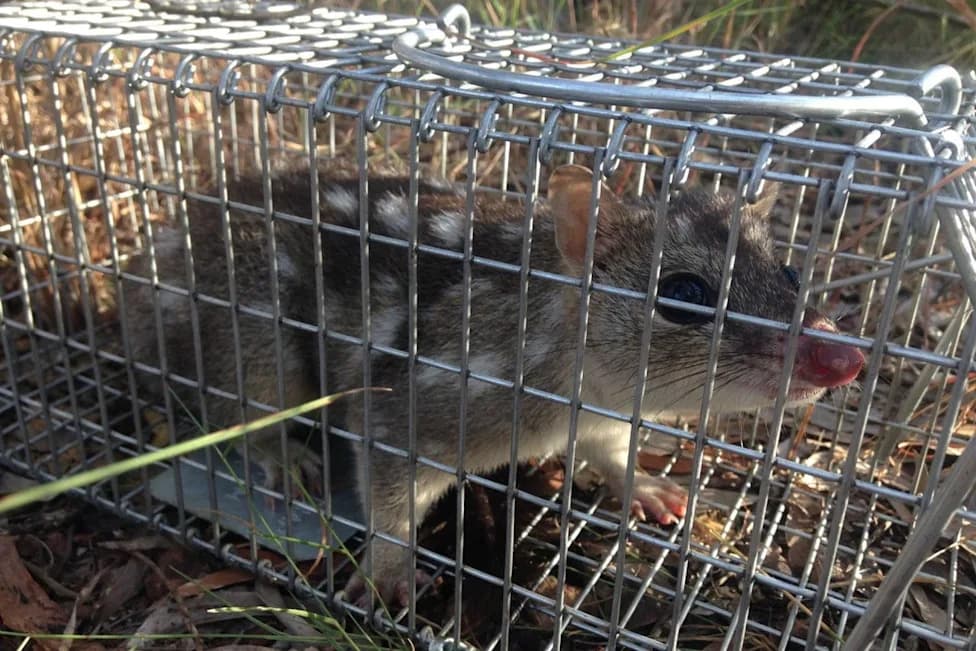
Once-common marsupial inching close to extinction across Australia, scientists warn
The small, nocturnal Northern quoll, once widespread across Australia, is now rapidly declining and may be locally extinct in parts of the Top End, scientists warn after a year-long camera-trap survey at Litchfield National Park recorded no individuals.
Survey Results Raise Alarm
Researchers led by PhD candidate Ryan Sauermann of the University of Melbourne analysed footage from 30 automated camera traps deployed across Litchfield for 12 months. While the cameras captured feral cats, cane toads, wild pigs, buffalo, rodents, birds and even an echidna, not a single northern quoll was detected.
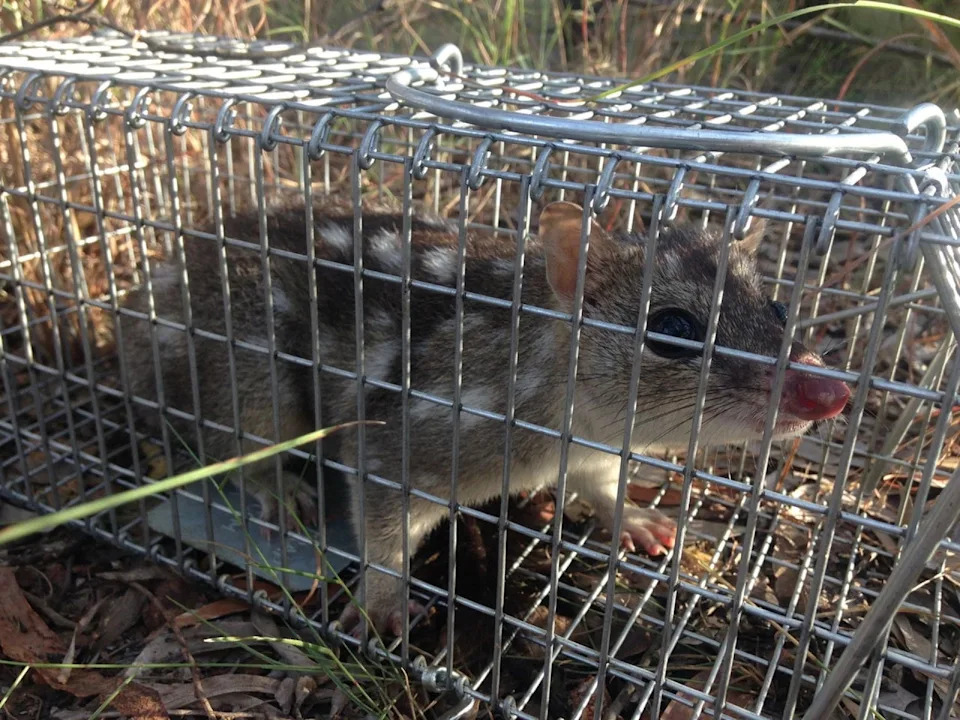
A northern quoll (Ella Kelly/University of Melbourne)
“Just because we aren’t finding anything right now doesn’t mean they aren’t still there — it means we need to look harder,” Sauermann told ABC News.
Why Northern Quolls Are Disappearing
The cat-sized marsupial plays a crucial ecological role as an agile predator that helps control insects and small vertebrates such as lizards, frogs and rodents. Scientists point to several overlapping threats that have driven steep declines:
- Cane Toads: Introduced to Queensland in 1935, cane toads have spread across northern Australia. They number in the billions and carry potent neurotoxins; quolls that eat them often die. In many areas quoll populations have fallen by nearly 95% soon after toad invasion.
- Feral Predators and Competition: Feral cats and other invasive species both prey on quolls and compete for food.
- Poisoning: Accidental ingestion of rodent baits used near homes and workplaces has been linked to quoll deaths.
- Habitat Change and Fire Regimes: Agricultural expansion and altered fire patterns fragment habitat and reduce the refuge value of once-uncleared savannas.
Researchers working with Indigenous leaders estimate that the dramatic decline in northern quoll numbers in northern Australia occurred within just two to three generations. Today the species occupies roughly half its historical range in fragmented pockets across Western Australia, the Northern Territory and Queensland, and it remains listed as nationally endangered.
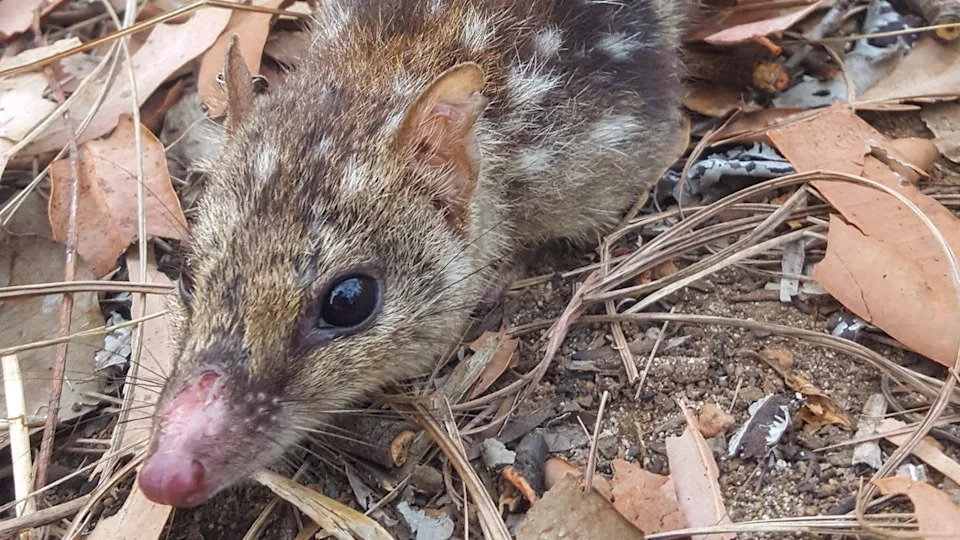
Wild male Northern quoll (Dasyurus hallucatus) found on Groote Eylandt, off the coast of the Northern Territory, Australia (University of the Sunshine Coast)
Conservation Actions Under Way
Scientists and conservationists are calling for targeted management of fire regimes, stronger control of feral animals, reduced use and better deployment of toxic baits near quoll habitat, and habitat protection to stabilise populations.
A behavioural intervention has shown promise: conservationists create a so-called "toad sausage" by mincing the hind legs of low-toxin cane toads and mixing them with a non-lethal nausea-inducing drug (thiabendazole). Quolls that eat the sausage become ill and subsequently develop an aversion to cane toads, reducing lethal encounters.
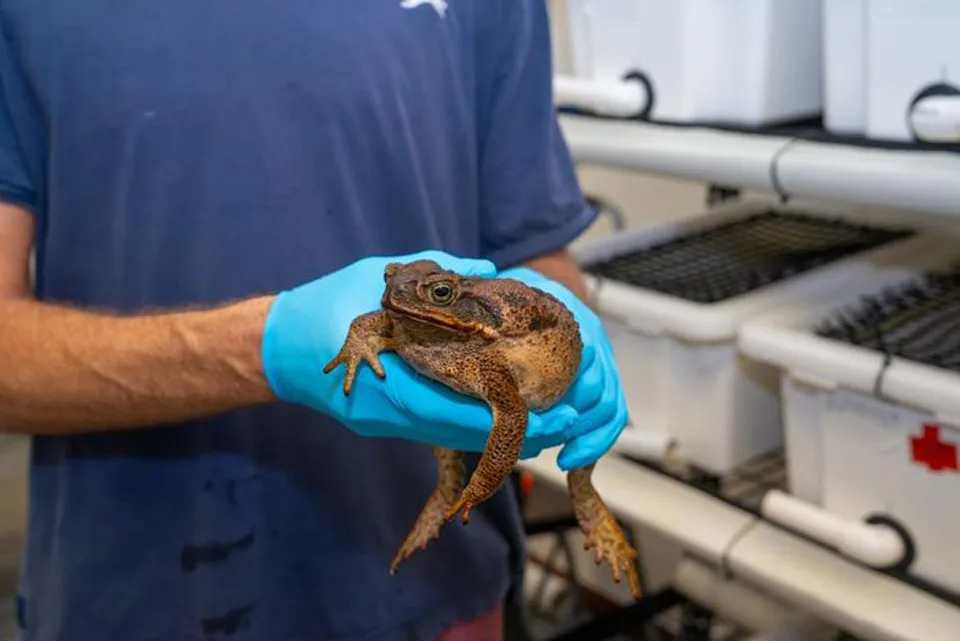
An invasive cane toad (Rhinella marina) is measured in Australia (Macquarie University/Chris Barlow)
What Needs To Happen Next
Researchers urge continued and expanded monitoring, stronger collaboration with Indigenous rangers and local communities, and focused conservation management in quoll strongholds. Without urgent, targeted action, scientists warn northern quolls could disappear from large parts of their remaining range within decades.
Photo credit: Ella Kelly/University of Melbourne (Northern quoll, Dasyurus hallucatus)
Help us improve.