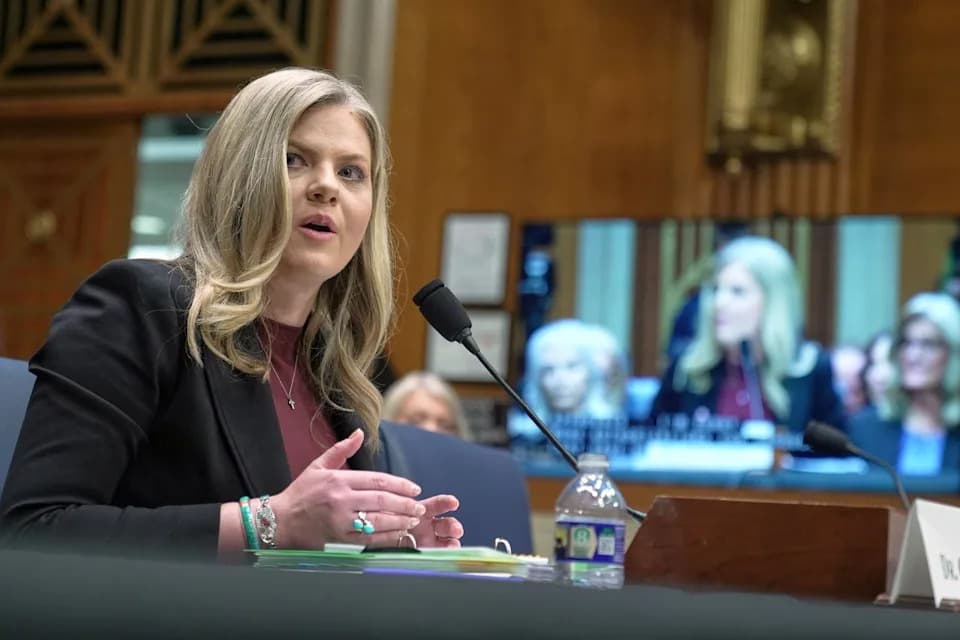
The Supreme Court issued a per curiam shadow-docket order allowing the Trump administration to use a modified SAVE database for voter-verification while appeals proceed. The district court had found likely APA and privacy-law violations in a 75-page opinion by Judge Sparkle L. Sooknanan. Justice Ketanji Brown Jackson, joined by Justices Sotomayor and Kagan, dissented sharply, warning the ruling—issued without full briefing or oral argument—could burden or disenfranchise lawful voters. The Court noted that bulk removals from voter rolls remain restricted within 90 days of an election.
Supreme Court Clears Way For Modified SAVE System In Shadow-Docket Order; Jackson Dissent Warns Of Voter Disenfranchisement
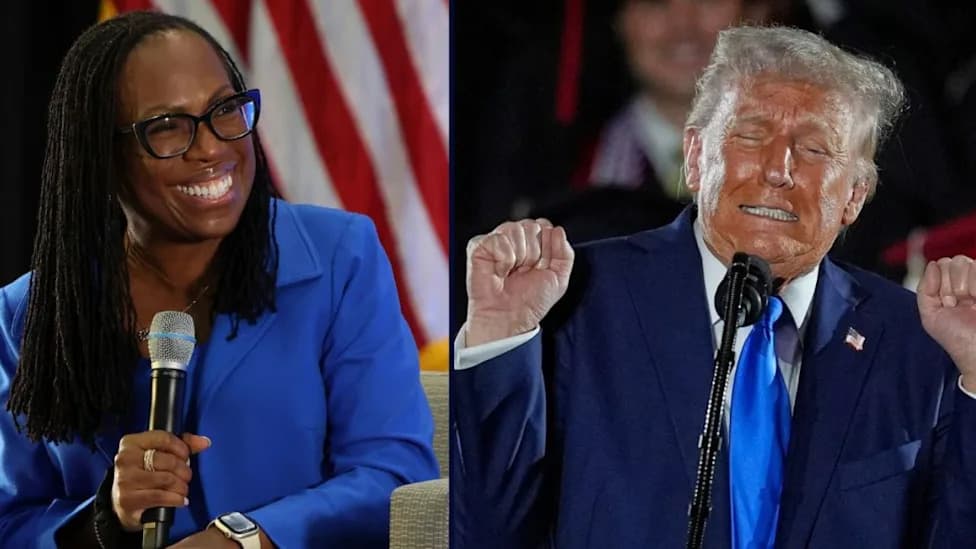
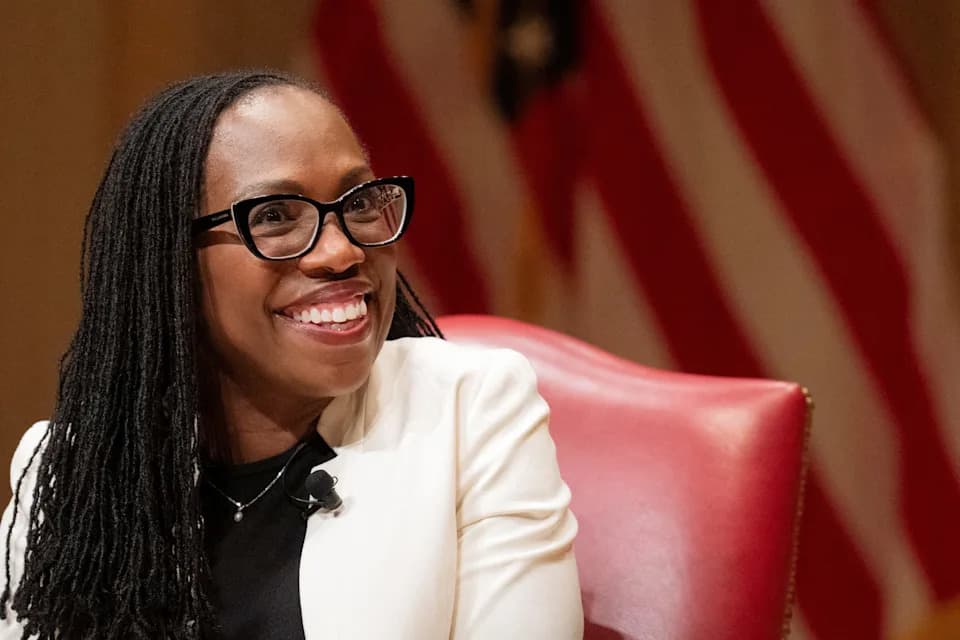
Left: MIAMI, FL: U.S. Supreme Court Justice Ketanji Brown Jackson is seen during an Evening with Ketanji Brown Jackson at Chapman Conference Center at MDC Wolfson Campus on March 10, 2025, in Miami, Fla. (Photo by Alberto E. Tamargo/Sipa USA)(Sipa via AP Images). Right: President Donald Trump talks about transgender weightlifters as he gives a commencement address at the University of Alabama, Thursday, May 1, 2025, in Tuscaloosa, Ala. (AP Photo/Mike Stewart).
The U.S. Supreme Court late Friday issued a per curiam shadow-docket order allowing the Trump administration to use a recently modified Systematic Alien Verification for Entitlements (SAVE) database for voter-verification inquiries while appeals continue. The order pauses a lower-court injunction issued by U.S. District Judge Sparkle L. Sooknanan, who in June wrote a detailed 75-page opinion finding likely violations of the Administrative Procedure Act (APA) and expressing privacy and voting-rights concerns.
What the Court Did
The unanimous-in-result, unsigned order—issued without full briefing or oral argument—interrupts the district court's block on the updated SAVE program. The Supreme Court majority relied primarily on statutory language from the Illegal Immigration Reform and Immigrant Responsibility Act (IIRIRA) of 1996, reasoning that Congress expressly authorized the Department of Homeland Security (DHS) to request and receive citizenship and immigration information from other agencies, including the Social Security Administration (SSA).
Legal Reasoning
The per curiam order cites IIRIRA provisions that, the Court said, prevent other laws from prohibiting disclosures of citizenship status to DHS. The majority concluded that, absent such an interpretation, federal officials could face an untenable choice between violating privacy statutes and failing to comply with immigration law—an outcome the Court found unlikely Congress intended. The order also signals that the Court is "likely to reverse" the district court's holdings that the government violated the Social Security Act, the Privacy Act, and the APA.
Limits and Practical Effects
The Court noted one important statutory constraint: a federal voting-rights law bars mass or bulk removal of names from voter rolls within 90 days of an election. The order makes clear, however, that individualized voter-status inquiries remain permissible during that 90-day window.
Dissent
Justice Ketanji Brown Jackson filed a sharp dissent, joined by Justices Sonia Sotomayor and Elena Kagan. Jackson criticized the Court for acting "without full briefing or oral argument," a hallmark criticism of shadow-docket actions, and faulted the majority for what she called a "back-of-the-napkin assessment" that two IIRIRA provisions override multiple privacy protections. The dissent emphasized that even the disenfranchisement or burdening of a small number of lawful voters is a serious harm that outweighs the speculative injury the government asserts.
Background And Next Steps
The underlying lawsuit was brought by the League of Women Voters challenging the government's plan to use the modified SAVE system for voter verification aimed at identifying noncitizens. The D.C. Circuit previously left the district court's summary-judgment ruling intact and denied the government's request for a stay, concluding the government had forfeited some arguments. With the Supreme Court's interim order, the administration may proceed with certain uses of the SAVE system while litigation continues on appeal.
Bottom line: The Supreme Court's shadow-docket ruling temporarily advances the government's ability to use the modified SAVE system for citizenship checks, but significant legal questions—particularly about privacy laws and potential voter disenfranchisement—remain under active judicial review.
Help us improve.