In May 2026 the New York State Liquor Authority removed a question asking applicants whether they planned to allow patron dancing on on‑premises liquor license applications. The change coincided with Dance Parade New York's 20th anniversary, which drew over 10,000 participants. While the move is a victory for dance advocates, venues with existing license restrictions may still need to update their operations, and local safety rules remain. Organizers have launched "Let the Music Play New York" to challenge provisions that limit DJs and live music.
New York Removes Dance Disclosure From Liquor Licenses — Advocates Now Target Music Rules
New York Just Ended an Outdated Restriction on Dancing. Advocates Say Music Is Next
In a move welcomed by nightlife and dance advocates, the New York State Liquor Authority (SLA) announced in May 2026 that applicants for on-premises liquor licenses will no longer be required to disclose whether they plan to allow patron dancing. The change removes a licensing question that had been factored into application reviews, marking a significant step in a years‑long push to reduce regulatory barriers to social dancing.
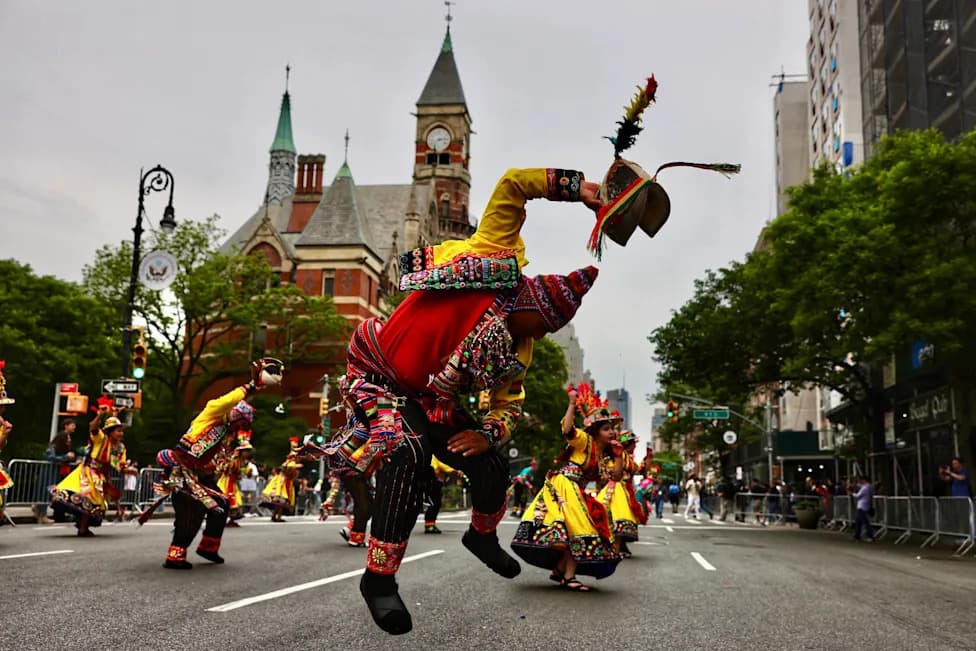
The decision coincided with the 20th anniversary of Dance Parade New York, which in May drew more than 10,000 dancers and showcased over 100 styles across Manhattan before concluding with DanceFest in Tompkins Square Park. Organizers and participants said the timing underscored how central dance is to the city's cultural life.
Why the Change Matters
Advocates say removing the dance disclosure uncouples creative expression from unnecessary regulatory scrutiny. "Everyone is dancing together," Rebecca Lynn, creator and producer of the Vinyl Nights series, said ahead of the parade. "It's like the whole world comes together and dances together." Jeffrey Garcia, executive director of the NYC Office of Nightlife, put it bluntly: "The beat goes on, you know, in all our communities, in all our cultures."
"That's what makes our city great and what makes the Dance Parade great," Garcia told Men's Journal.
How This Fits Into A Longer History
The SLA change builds on earlier reforms. New York City repealed the Cabaret Law in 2017 — a nearly century-old rule enacted in 1926 that had required some venues to obtain a separate license to allow dancing. Critics long argued the law was enforced in ways that disproportionately affected Black, Latino, LGBTQ+ and other nightlife communities.
In 2024 the city also adopted zoning changes that broadened where dancing and live entertainment can take place, shifting focus toward objective factors such as venue size and sound, rather than categorical bans. Still, removing the dancing disclosure from state liquor-license forms does not erase all limits: venues with existing license stipulations banning patron dancing may still need to file changes to their method of operation, and local zoning, fire and public‑safety rules remain in force.
Next Target: Music
With the dance disclosure change secured, Dance Parade New York has turned its attention to what organizers call the next frontier: restrictions that limit DJs, live music and other entertainment. The group's new initiative, "Let the Music Play New York," challenges liquor-license stipulations and methods-of-operation restrictions that can constrain the types of performance venues can offer.
Organizers argue government oversight should prioritize clear public-safety concerns — occupancy limits, fire safety and noise mitigation — instead of policing the kinds of music or entertainment venues host. They say such a shift would protect artistic expression and support small venues that sustain local music scenes.
One performer who goes by Space Monkey NYC described dance as a lifelong practice. "Just go out there. Just move your body," he said. "It's good for your soul, your body, health, mind." For many participants, the effort is about more than nightlife policy: it's about community, cultural exchange and access to public life.
What Comes Next
Advocates plan to press the SLA and local authorities for clearer, safety‑focused rules that do not single out musical forms or performance styles. They also expect legal and administrative steps from venues needing to update existing licenses that still contain anti‑dancing provisions.
After decades of reforms — from the repeal of the Cabaret Law to zoning updates and now the SLA's licensing change — activists say the momentum favors more inclusive rules for dance and music across New York City. "After years spent fighting for the right to dance, advocates now want to make sure the beat does indeed go on," one organizer said.
Help us improve.