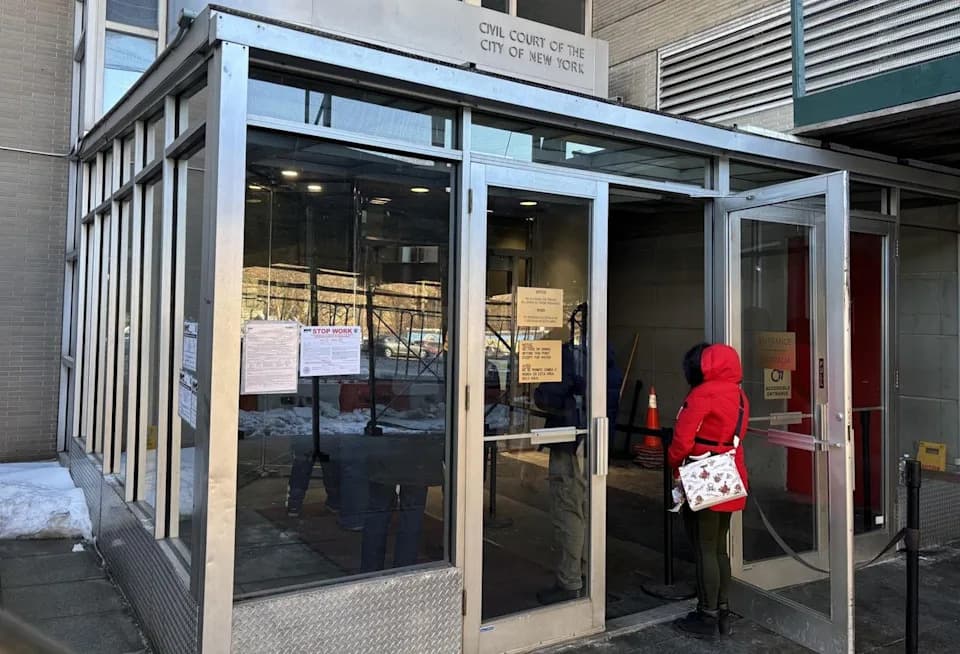
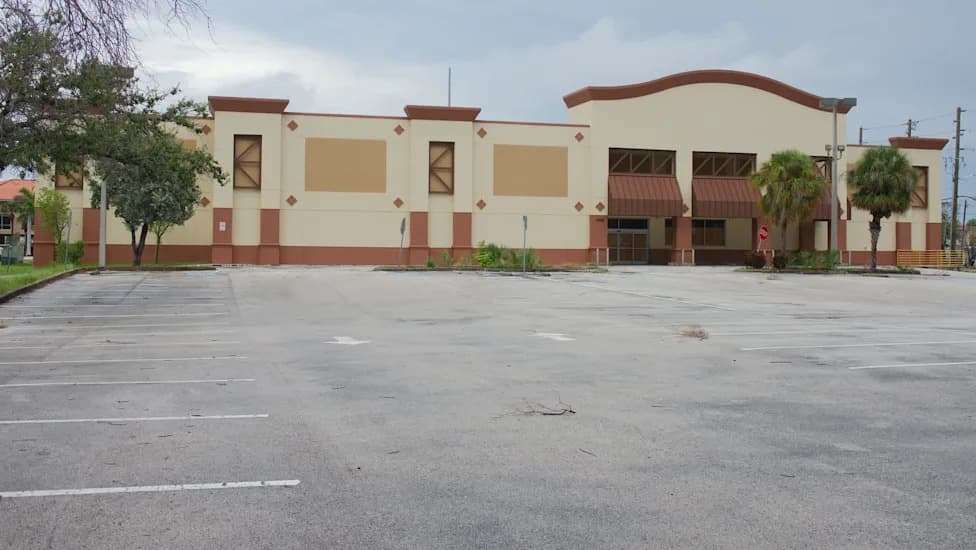
Intro 90, the Storefront Business Bill of Rights, would require written leases, multilingual templates and 120 days' written notice about renewal intent for ground-floor and second-floor retail spaces. Its most controversial provision grants qualifying tenants a one-time lease extension (up to one year or 90 days if a new tenant is lined up) and caps rent increases at 7%–10% during that period. Supporters say the bill will protect small businesses from displacement; opponents warn it could destabilize leasing markets, complicate refinancing and conflict with mortgage covenants.
NYC Debates Intro 90: One-Year Mandatory Lease Extensions and Rent Caps for Retail Tenants
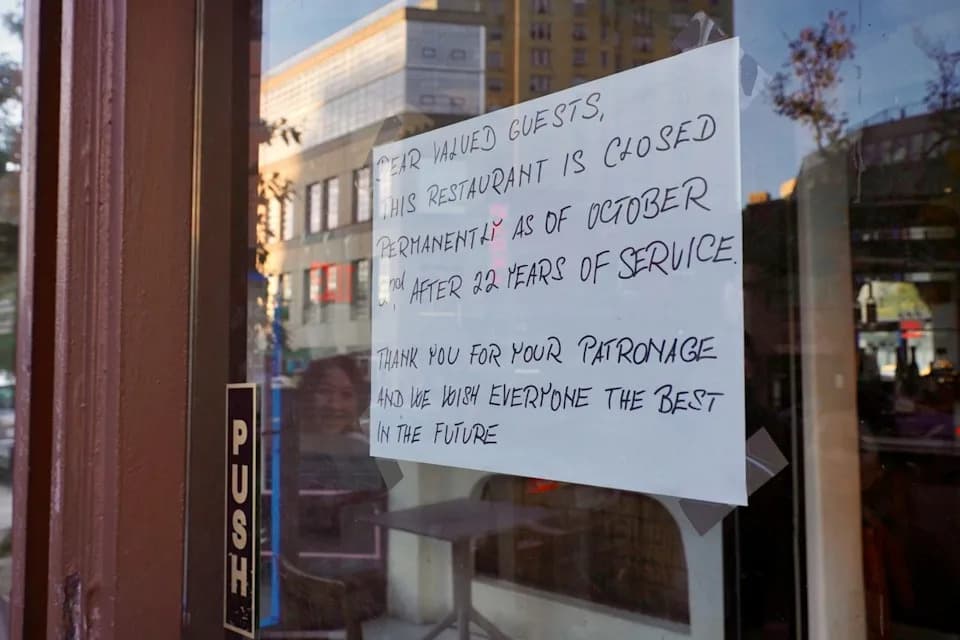
Credit: Unsplash/Brett Wharton
New York City Council members, small-business advocates and commercial real estate representatives sparred at a Committee on Small Business hearing over Intro 90, the proposed "Storefront Business Bill of Rights." The measure, sponsored by Manhattan Council Member Gale Brewer and backed by nine co-sponsors, aims to increase transparency and stability for storefront tenants — while drawing sharp objections from landlords, brokers and finance groups.
What the Bill Would Require
The legislation would apply to ground-floor and second-floor retail spaces and would introduce several standardized protections for tenants: requiring written leases, providing multilingual lease templates, and obligating landlords to notify tenants in writing at least 120 days before lease expiration whether they intend to offer a renewal.
Intro 90 would also require landlords to give tenants two years of historical operating-cost data (utilities, insurance, etc.) and two years of projected costs. The Real Estate Board of New York told the committee that while historical data is useful, projecting future costs accurately could be difficult for property owners.
One-Time Extension And Rent Caps
The bill's most contested provision would give qualifying retail tenants a one-time extension of up to one year if the parties have not reached a renewal agreement 30 days before the lease expires. That mandatory extension window would be reduced to 90 days if the landlord has already signed a new tenant and notified the incumbent.
During any extension, landlords could increase rent by no more than 7%–10%, with the exact cap tied to how much advance notice the landlord gave. If landlords fail to follow the law, tenants could sue for damages of up to 3% of the property's assessed value, plus additional damages and attorney fees.

New York City Council Member Gale Brewer - Credit: Flickr/NYC City Council Media/Alex Krales
I support the council's goal of protecting small businesses and improving transparency, but I have concerns that some provisions of Intro 90 will do the opposite,
Supporters' Arguments
Supporters say the bill would help stabilize long-standing independent retailers facing rising rents and competition from national chains. Francesca Bruce, executive director of the Grand Street Business Improvement District in East Williamsburg, told the committee most businesses in her district rent their stores and are squeezed by declining sales and rapidly increasing rents. Backers argue the bill could curb speculative practices that accelerate displacement and gentrification.
Opponents' Concerns
Commercial brokers and landlord groups warned the mandatory extension and rent cap could unsettle leasing markets, complicate refinancing and conflict with mortgage covenants. Cushman & Wakefield Executive Vice Chair Joanne Podell and Vice Chair Steven Soutendijk testified that replacing a tenant is costly and that many owners prefer to retain a proven occupant rather than risk vacancy and leasing expenses.
Manhattan Chamber of Commerce CEO Jessica Walker said the bill contains provisions that help vulnerable businesses but that mandatory renewal requirements could be counterproductive. She noted that roughly 35%–40% of landlords hold mortgages with covenants requiring a minimum rent, which could be at odds with a statutory rent cap.
Market Context
Data presented at the hearing show a tightening retail market in parts of the city. According to JLL, New York's prime retail corridors ended Q2 with an average availability rate of 11.6% — the lowest since 2017 — with 164 storefronts vacant. Asking rents remain below pre-pandemic peaks in many corridors but are rising across Manhattan and expanding demand beyond prime strips.
Where It Goes From Here
The Committee on Small Business may send Intro 90 back to its sponsors for amendments or advance the bill to the full City Council as written. Earlier versions of Intro 90 circulated since 2021 but only now received a hearing, amid an administration push to strengthen small-business stability across the city.
Credit: Bisnow coverage; testimony and market data cited at the Committee on Small Business hearing.
Help us improve.